How Does Weather Determine Stages in Rallying?
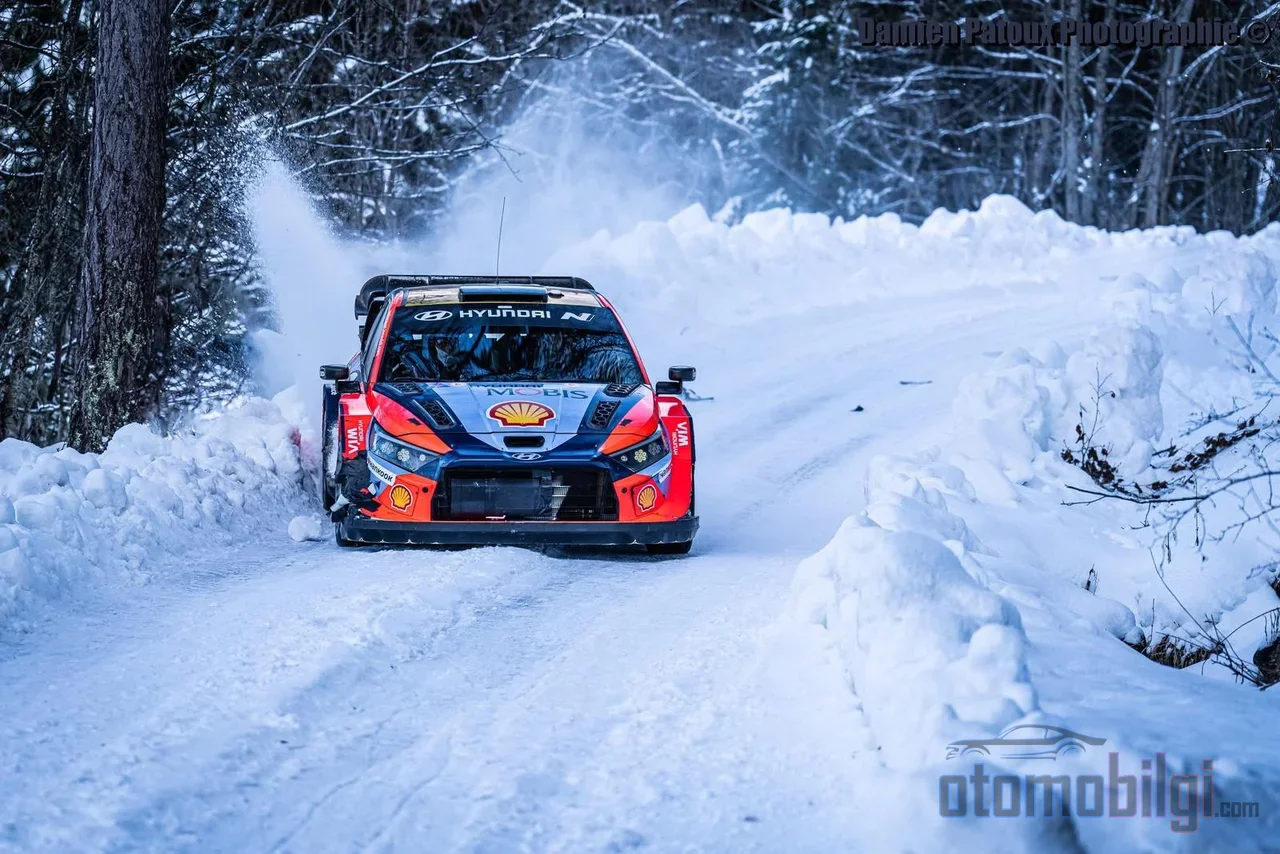
You turn on the radar: There is sunshine on one stage in Monte Carlo, and snow two mountains later. So which tires will the drivers start on? That is the most frustrating and, at the same time, most fascinating question in rallying. On a circuit, everyone shares the same asphalt; in the WRC, the weather rewrites the road itself. Rain turns gravel into mud, snow turns frozen lakes into stages, and temperature tests the endurance limits of both the tire and the engine. If it were you, which compound would you choose - grip or durability? On this page, I explain - with examples and an inside look at the rules - how weather conditions determine the stage result, tire choice, and time loss.
Starting Order Rule: Why Does the Leader Sweep the Road on the First Day?
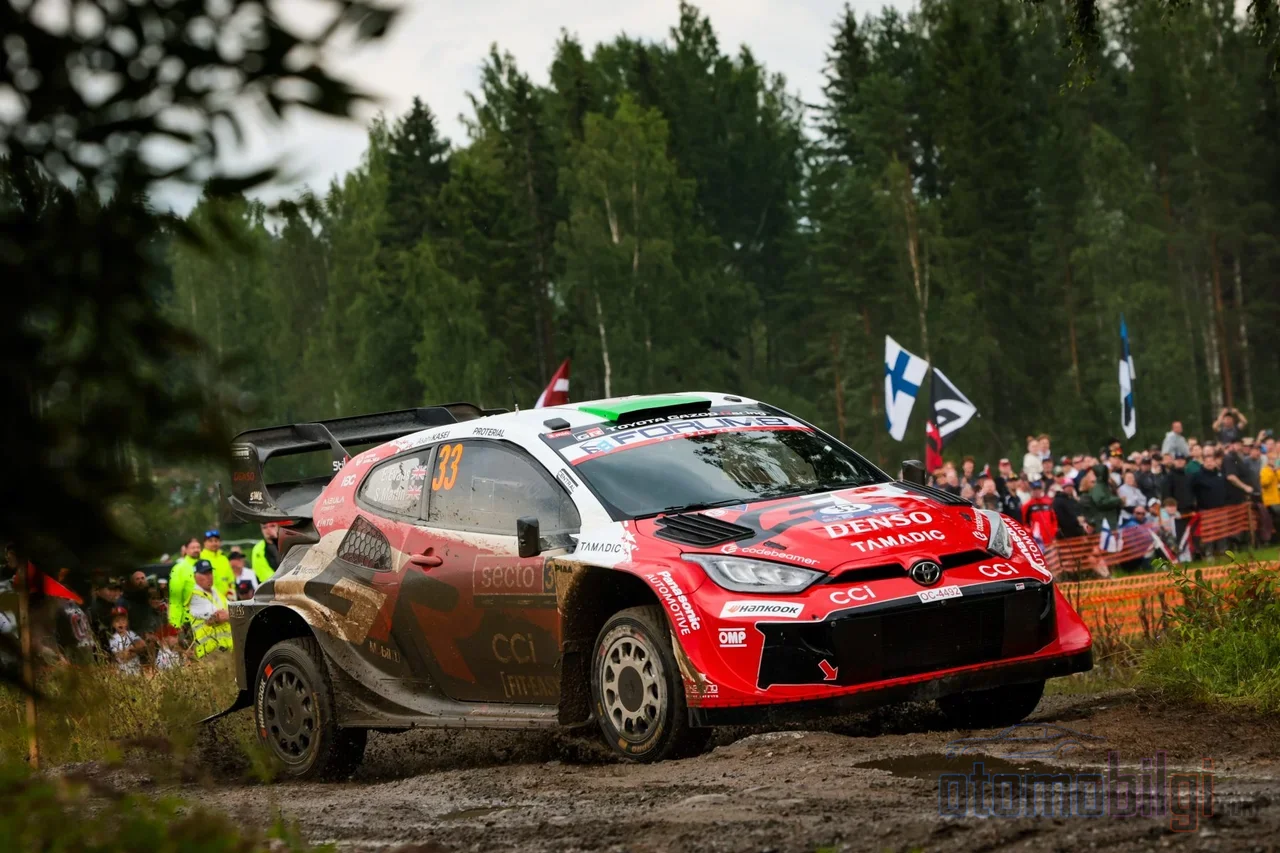
Rallying has a contradiction that most spectators do not know: the driver trying to be fastest on the first day is actually doing the hardest job. In the WRC, the starting order for the first two days is set by championship standings; meaning the leader starts first. On all rounds, the cars run the first day in this order.
The price of this shows up on dry, loose gravel. The car ahead sweeps the road: it flings the stones and dirt aside, leaving behind a cleaner, more grippable line. For the championship leader, this is the classic disadvantage known in the literature as road sweeping - on the early stages, the rivals behind literally run on a better surface.
And this is exactly where the weather turns the game upside down. If the surface is dry, the sweeping penalty is heavy; but on a rain-soaked muddy stage, the situation reverses. Wet mud cuts the front car's traction, the wheels sink into the mud, and progress becomes difficult. The leading driver's slowdown opens a natural advantage window for the one behind - and that trailing driver sometimes follows the front car's tire tracks to find a swept and carved-out line. That is why the starting order advantage rule is so intertwined with the weather: even though the rule stays the same, the weather re-determines whom it favors at every rally. Updating the rules to ease the starting order problem is also on the agenda; solution proposals from the drivers are being discussed. Do you think this rule is fair, or does it unjustly punish the leader?
Highlights
- On the first two days, the starting order is set by championship standings; the leader sweeps the road on the first day.
- On muddy stages, the front car slows down, creating a time advantage for the driver behind.
- Studded snow tires are used at Rally Sweden; winter rounds may require harder compounds.
- In the past, weather crews would head out to the stages at 05:00 in the morning and take measurements every 15 minutes.
- On a stage with variable surfaces, the right compound can make a difference of up to 10 seconds per kilometer.
Tire Choice Is Not Just a Question of Rain or Sun
On a circuit, tire choice is a weather forecasting problem; in rallying, it is a four-dimensional puzzle. WRC tires have to perform on gravel, asphalt, mud, snow, and ice - sometimes within the same rally. When making the decision, teams evaluate the following together:
- Stage surface: gravel, asphalt, rock or snow-ice weight
- Expected weather conditions and ground moisture
- Temperature window: each compound has a different temperature range in which it works best
- Abrasiveness of the surface: rocky ground increases the risk of punctures
In the WRC, hard, medium, soft and snow tires are available as options; break rules and the temperature window also determine how these options affect stage results. So looking at the sky and asking "is it raining or sunny?" is only one corner of the job. What is more interesting is this: in some rallies there is no single right answer, because there is no single type of surface.
The Price of the Right Compound on Mixed-Surface Stages
A set of stages run in early 2026 laid this puzzle's bargaining bare for all to see. On forest gravel with semi-damp sections, drivers who switched to a hybrid gravel-asphalt setup on the fifth stage gained an advantage of up to 10 seconds per kilometer. Over the same weekend, hard compounds reduced the risk of punctures on the abrasive, rocky eighth stage; while on the eleventh stage, with gravel-asphalt transitions, those who chose the soft compound lost traction on the asphalt sections.
The tension here sits right at the heart of the debate: a soft tire means more grip, that is, a faster pace - but it comes with the risk of punctures on abrasive sections. A hard compound, on the other hand, is durable but demands a sacrifice in grip. How to strike a balance between these two is still one of the liveliest topics of debate between drivers and team strategists. In short, a weather forecast is not a "passenger estimate," it is risk management.
Snowy Scandinavia: How Does Rally Sweden Write Its Tire List?
Now let's move the stage north. Rally Sweden is one of the most distinctive rounds on the WRC calendar: the rally is run on ice-cold surfaces where studded tires and snow sets are used, and this produces an excitement unique to motorsport. Tires pinned into snow and ice create a driving experience unlike anything you would encounter in circuit racing.
But the abundance of choices does not end here either. In winter rallies, a choice is made between studded and non-studded snow tires, and Scandinavian winter rallies can demand a harder compound than tires - frozen, hard ground quickly consumes a soft compound. Think of a studded snow tire as a thoughtful friend: it will not hold your hand in every situation, but it saves your life in the right place.
And what if no snow falls at all? In winters when the climate is changing, this question is being seriously debated: without snow and ice, studded tires become meaningless on asphalt and gravel, and gravel tires become the logical alternative. So even the tire list for the Scandinavian rounds is no longer a predictable rule, but scenario analysis.
| Condition | Logical tire choice | Risk |
|---|---|---|
| Dry, loose gravel | Sweeping disadvantage for the car ahead | A clean line is left for those behind |
| Muddy, wet surface | The driver ahead slows down, the order advantage passes to the back | Mud reduces traction |
| Abrasive rocky stage | Hard compound | Reduced risk of punctures, lower grip |
| Snow and ice (Scandinavia) | Studded or non-studded snow tire | No snow, the choice is invalidated |
| Mixed gravel-asphalt stage | Hybrid setup or balanced compound | Win one section, lose the other |
Air Crews: The Service Park's Secret Meteorologists
How do teams predict rally weather? The answer is not an app you close your eyes to; it's real people working in the field. An old classic example shows just how seriously this was taken: 555 Subaru Rally Team sent a weather crew to every event. The crew would position themselves at the day's highest point around 05:00 in the morning, take measurements with road and air temperature gauges every 15 minutes, and produce forecasts for the next few hours. This data covered road moisture, standing water, and air humidity - all to be reported back to the service area.
Why such meticulousness? The Rallye Sanremo is a good example: On the stages in the Ligurian hills, the weather could change rapidly, and good weather intelligence was vital for the right tire choice. The technical regulations of the time also made things interesting: only two tread patterns could be selected per event, but there was no limit on the number of compounds within a tread pattern. The result? Teams would cut extra grooves into the tires to adapt to the conditions - meaning the more detailed the weather intelligence, the more finely tuned the tire could become. The same science operates in the modern WRC as well: teams apply weather patterns and interpret data to try to predict what will happen at any given moment. Short-term forecasting shapes stage strategy, while long-term forecasting shapes the tire stock and compound plan for the entire week.
Extreme Heat: Engine Cooling and Tire Fatigue
Just as much as winter rounds, summer heat affects stage results. In hot weather, two enemies attack at once: engine cooling and tire wear. Cooling systems work under extra load in high temperatures; an overheating engine loses performance and the risk of failure increases. Tires, on the other hand, can exceed their ideal compound temperatures on hot asphalt - a soft compound in these conditions can end its life early by blistering and wearing excessively.
Hot weather also affects air density, which in turn indirectly affects the engine's ability to breathe. For this reason, technical teams revise cooling channels and radiator layouts to suit conditions during hot rounds. Although detailed numerical data on the effect of extreme heat and cooling systems is limited, it is a known engineering practice that hot rounds favor the harder side in tire compound choice - just as on abrasive rocky stages.
Why Is Forecasting the Heart of Team Strategy?
Let's put all these pieces together. Weather forecasting in the WRC operates on three different time scales:
- Week ahead: which tire types and compounds will be stocked, which tread patterns will be chosen?
- Day of: which stage has rain expected, and in whose favor will the day one standings turn?
- Just before the stage: humidity measurements, ground temperature and last-minute changes clarify the compound choice.
What happens to a team that can't do this? In short, you lose whole seconds on dry tarmac with the wrong compound - and the other car keeps charging through every corner. Weather is the invisible ink that writes the rally's result: it slows the driver ahead in the mud, rewrites the tyre list in Scandinavia, and strains both engine and tyres in the heat. If you keep staring at the time gaps while watching the next rally, spare a glance at the sky too, not just the stopwatch - because the winner is usually the team that made the right tyre choice.
Sources
- WRC A-Z
- Evans' solution to WRC's road order headache - DirtFish
- How WRC teams predict rally weather - wrc.com
- Technical talk - Weather crews and tyre choice - Crash.net
- 2025 WRC Round 2 Rally Sweden in the Snow - Hyundai Motor Group
- WRC Tyres Explained - Tread Torque
- Rally strategy update: tyre choices that changed the leaderboard
- WRC Tyre Choice: Surface and Weather Conditions
- Why Is Tyre Choice So Important in Rallying?
- WRC winter tyres and compound selection - Tyre Magazine