Why Is the Start Order in WRC a Tactical Decision?
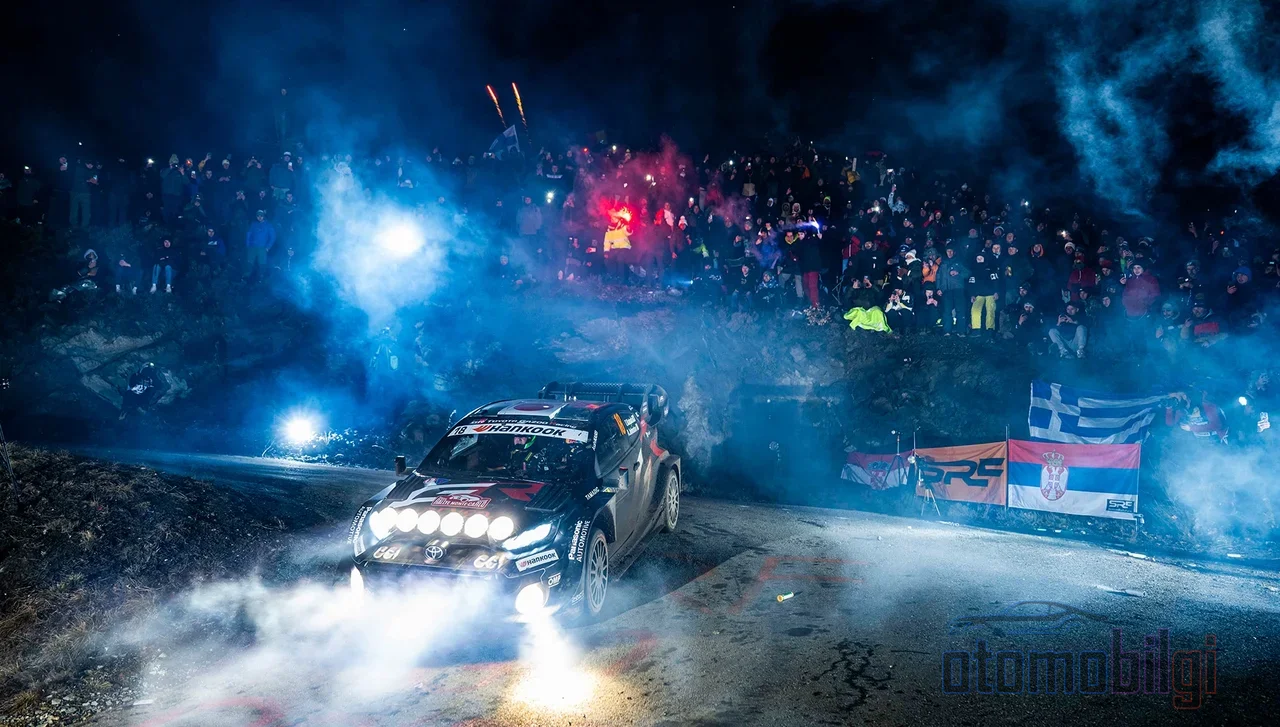
Say you're on the first day of a rally. The championship leader gets into their car, starts first on the road, and... clears the road for free for everyone behind. Yes, you read that right: In the WRC, being in front is sometimes not a reward, but a penalty. So why does such a system exist, who decides this order, and how is it determined? Buckle up, because today we're talking about rally's most invisible tactical battle.
How Is the Starting Order Determined in the WRC?
The rule is actually surprisingly simple: on the first two days of the rally (Thursday and Friday stages), drivers set off according to the championship standings. In other words, the name at the very top of the points table goes first. Right behind them comes second, third, fourth... and so the order continues.
Monte-Carlo 2025 was a living example of this. Reigning champion Thierry Neuville opened the first stage; then came Elfyn Evans, Ott Tänak, Sébastien Ogier, Adrien Fourmaux, Takamoto Katsuta, Kalle Rovanperä, Grégoire Munster, Sami Pajari and Joshua McErlean according to the championship standings. So Neuville was holding the broom - the broom reference will make sense in a moment, don't worry.
The interesting part begins on Saturday morning: from that point on, the starting order is determined by the rally's overall classification, and this time the leader sets off last. The logic is to balance the disadvantage of the early days. Also, the intervals differ depending on the car class: Rally1 cars start at 3-minute intervals, while Rally2 and Rally3 cars start at 1-minute intervals.
Key Highlights
- On the first two days, the order is determined by the championship standings; the leader opens the road at the front.
- From Saturday onwards, the order flips according to the rally classification; the leader sets off last.
- Being in front on gravel is a disadvantage, but it can turn into an advantage on dirty tarmac.
- The qualifying stage was used for two seasons in 2012–2013, then was dropped.
- Loeb or Ogier won 17 of the 18 seasons between 2004 and 2021.
Why Is Leading on Gravel a Penalty? The Sweeping Effect
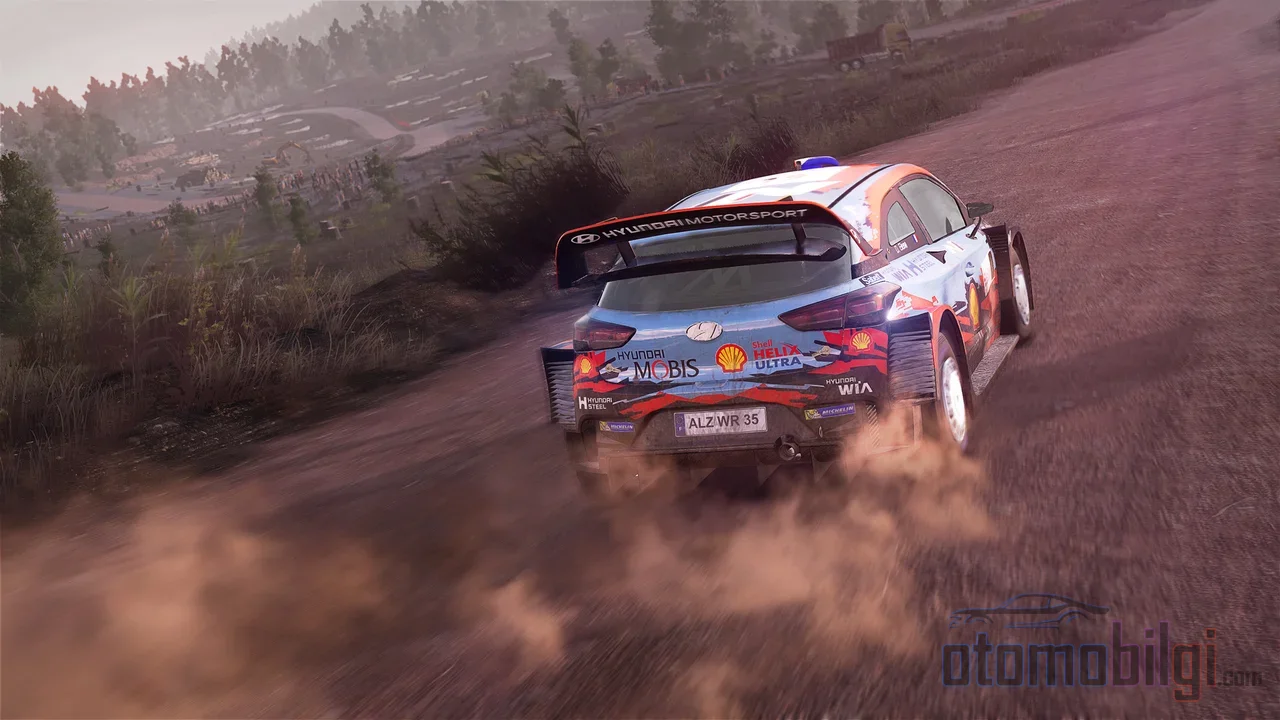
Now let's turn to the strange situation these rules create on gravel stages. The first car into a gravel stage sweeps the loose gravel, dust and debris off the road behind it as it passes. Something like a giant broom. The result? The drivers following it find a more compacted, cleaner and grippier surface.
Let me give you an analogy from everyday life: the first person walking through snow breaks deep trails, and their legs get tired; those coming behind walk comfortably in their tracks. The sweeping effect in the WRC is exactly this - except instead of snow, there are millions of loose gravel stones.
That's why, on a gravel-heavy calendar, being the championship leader can turn into something you don't want. The leader pays for their points advantage with the cost of sweeping the road on the rally stages. This is why the system has been a subject of debate for years: being the leader makes your job harder. Names like Elfyn Evans have put forward solution proposals to ease this penalty; the gravel tactic dilemma of a driver with world championship ambitions can directly affect the fate of the season. In the 2026 season, Evans is carrying the championship lead; Sami Pajari sits third, 29 points behind, having taken four podiums in a row - while Oliver Solberg is just four points behind him. So every second lost on every stage can rewrite the picture.
On Tarmac, the Equation Flips
But is it always like this? No - and that's the beautiful part. On tarmac, especially in wet and muddy conditions, the calculation reverses. On tarmac stages, every pass dirties the road a little more: cars carry mud and debris out of corners, and the surface deteriorates quickly. That's exactly what happened at the Monte-Carlo 2025 shakedown; after multiple passes the road turned muddy, and starting first became an advantage.
Kalle Rovanperä also said in that rally that after the shakedown the road dirtied very quickly, so being first wasn't a bad thing. Sébastien Ogier, meanwhile, said the start order would play a big role, and that their fourth position meant neither the best nor the worst conditions. So the drivers run this calculation in their heads before the rally even begins - just like a chess player thinking about their first move.
Weather Conditions and Visibility: The Hidden Factors That Make the Order Valuable
It's not only the surface that determines the value of the starting position. Dust visibility, rain, mud, fog and vibration directly affect the driver's line of sight, and this changes the value of a particular position from rally to rally.
On a dry and dusty gravel day, the cars behind may have to push through the dust kicked up ahead; on sandy, loose ground, a big sweeping effect is expected. Ogier explained that at the Monte-Carlo 2025 shakedown the roads were very loose and very dry, and that they anticipated hanging dust and a significant sweeping effect. So the same stage, the same day, the same car - but an entirely different rally depending on the order.
The Loeb and Ogier Era: Masters of the Art of Road Opening
But did this invisible tactical dimension really shape the careers of the great champions? The answer is clear: yes. Of the 18 seasons between 2004 and 2021, 17 were won by either Sébastien Loeb or Sébastien Ogier. This record dominance by the two Sébastiens was also a period when the road-opening problem was felt at its highest level.
As championship leader, Loeb had to face the road-opening disadvantage on dry and dusty gravel roads; meaning that some of those legendary championships were won through the ability to manage the cost of starting first. The art of road opening directly shaped the careers of the great champions.
Ogier, even today, remains one of the harshest critics of the current start order rules: he objects to having to run the stages first as championship leader, and in this debate he found support from Loeb as well. Nine-time world champion Ogier holds the records for most championship points, the biggest points gap over second place, and the most stage wins; in 2026 he is WRC's most experienced competitor and its most successful podium name. According to Juha Kankkunen, Ogier has long since surpassed Loeb in WRC history - an opinion, admittedly, but a sentence worth sitting down and pondering.
Debate Over the Qualifying Stage: Will the Rules Change?
So is there really no solution to fix this system? There is - and it has even been tried. The qualifying stage concept was implemented for two seasons, in 2012 and 2013: drivers determined their own start order with a short qualifying run. The system was then dropped in favor of reverting to championship order on the first day, but calls to bring it back never ceased.
Still, the concrete outcome is this: For 2025, it was decided that the start order rules will remain unchanged, and the qualifying stage proposal was rejected. There are other proposals on the discussion agenda too - for instance, changing the order on a stage-loop (loop) basis rather than a daily basis, an idea being talked about among enthusiasts as one that could ease the burden on road openers. But for now, the system stands as it is.
Why Does Such a System Exist? The Short Answer
Let's sum it up, because the question at the start deserves a clear answer: In the WRC, the start order is set according to championship standings on the first two days, and the leader opens the road at the front; from Saturday onward, the order reverses according to the overall rally classification, and the leader goes out last. Running first on gravel is a disadvantage due to the sweeping effect, but it can turn into an advantage on dirty asphalt - which is why the start order is one of the most important tactical decisions in rallying and directly affects the championship battle.
Next time you watch a gravel rally, take an extra look at the driver starting first: he is not just driving the first meters of the rally - he is preparing the road for the entire field. And perhaps he won the championship precisely by paying that very price. Rallying is sometimes just that - a chess match where it is not the fastest who win, but those who position themselves most cleverly.
Sources
- WRC - How is the starting order of the drivers defined?
- WRC A-Z
- This is how WRC works
- WRC road order rules set to remain unchanged in 2025
- WRC could turn to qualifying stages for running order fix
- Sebastien Loeb backs Sebastien Ogier in WRC running order rules row
- Evans' solution to WRC's road order headache
- The epic Loeb battle that ignited Ogier's WRC career
- Sébastien Ogier - WRC.com
- TGR-WRT ready for take-off on gravel classic