What Is a Shakedown in WRC, and Why Is It Done?
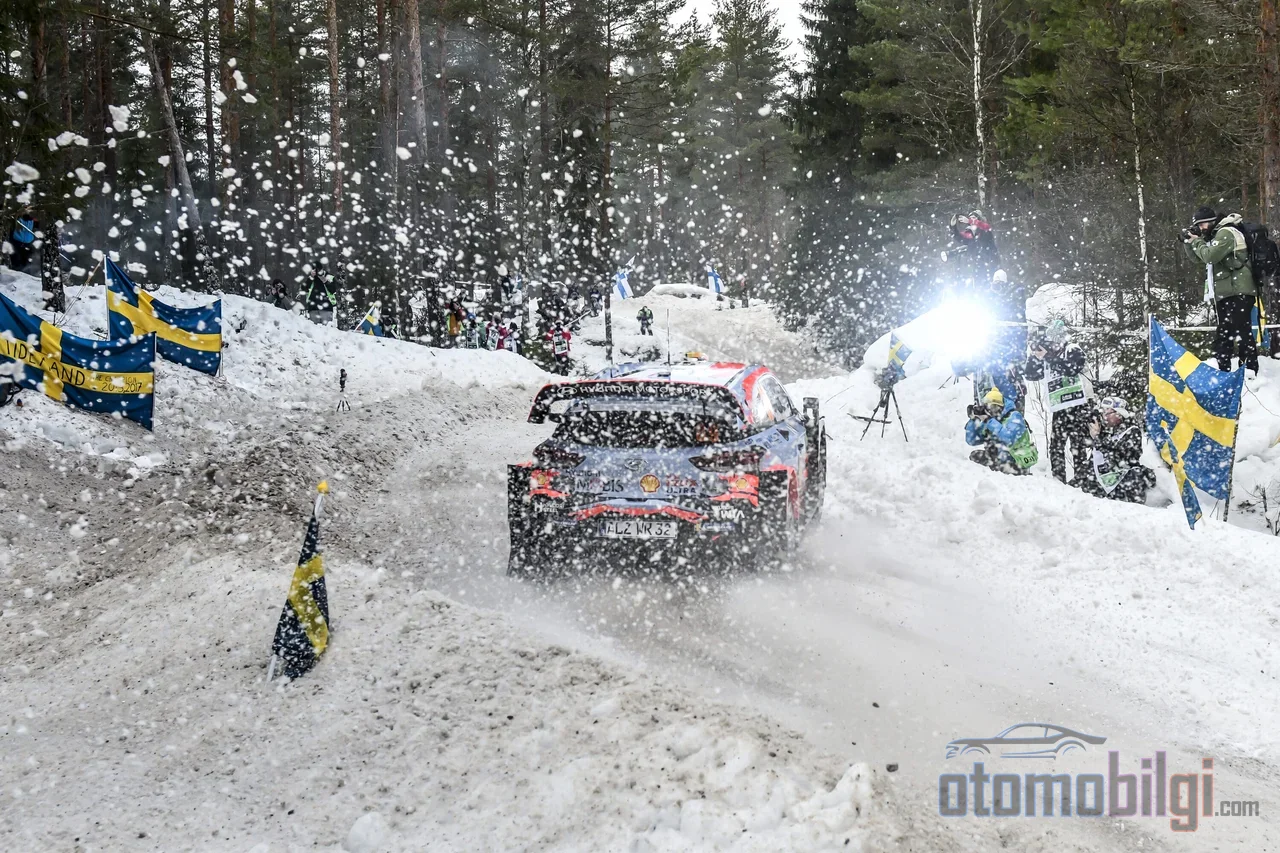
Thursday morning, before the official rally has even started, an engine sound echoes through the forest. The driver has the throttle pinned to the floor, the co-driver reading the pace notes out loud... but this is not a special stage. So what exactly is this? Here is the session that confuses rally fans the most, yet sparks just as much curiosity: shakedown. Many of us think of the rally weekend as Friday-Saturday-Sunday; yet the real action begins on Thursday morning, before anyone is fighting for points. Sounds odd, doesn't it? Why would a car that isn't racing run a stage at full speed?
On this page, I will explain what shakedown is for, what rules it follows, what happens in case of a crash, and why shakedown times are not considered a real form guide. Buckle up, here we go!
What Is Shakedown and What Exactly Is It For?
Shakedown is a full-speed test stage held before the official rally begins. It is a short special section that resembles rally stages but is not part of the rally. On the WRC calendar, it usually takes place on Thursday morning, after the two-day recce, that is, the reconnaissance run. The official glossary of Rally de Portugal describes this session with a nice analogy: a test before the battle. Before the real competition starts, every team tests its car on a short stage.
So why is it necessary? Think of it this way: don't you work through practice questions the evening before an exam? Shakedown is exactly that. Teams give the car setup, that is, the set-up, a final fine-tuning. Is the suspension too stiff or too soft, are the differential settings correct, is the engine handling everything? You cannot figure these out without testing on a real stage at real speed. Leaning over the car in the service park is not enough, because rally cars only show their true character while running on gravel, asphalt, or snow.
In addition, shakedown also serves as an official practice session open to media and spectators. Fans get the chance to watch their favorite drivers up close; cameras roll, content is produced, and the excitement of the weekend is ignited. In other words, shakedown is an important stage not only for the technicians but also for the show.
What Is the Difference Between Recce and Shakedown?
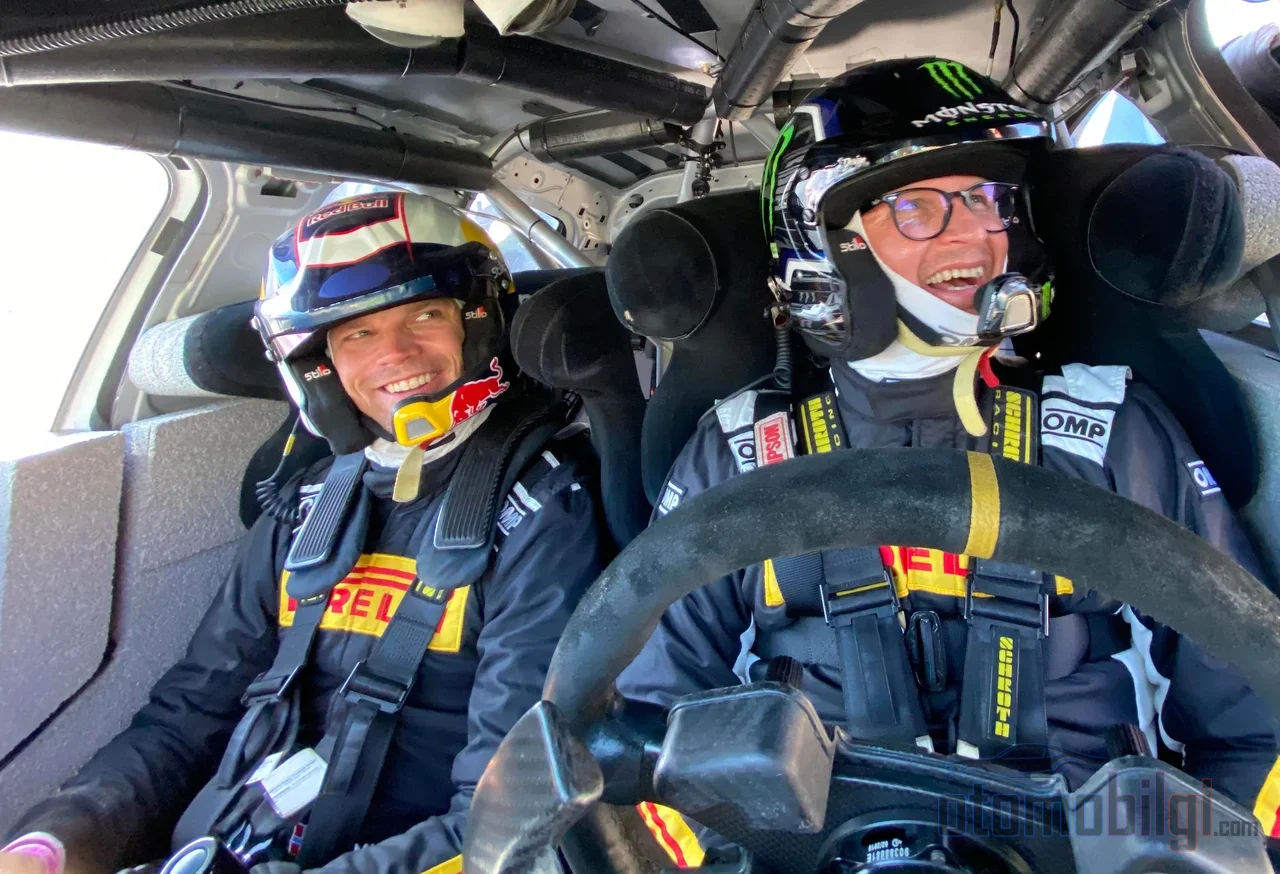
These two are often confused, so let's clarify right away. Recce lasts two days, during which the driver and co-driver drive the route at limited speed to prepare the pace notes; the goal is not speed but gathering information. In shakedown, on the other hand, the throttle hits the floor. If recce is a note-taking class, shakedown is the mock exam. One takes notes, the other tests those notes at real speed.
The rally structure can be roughly summarized as follows: two days of recce, followed by shakedown, press conferences, and the competitive stages. Usually on Thursday night the official competition begins with a short stage in a stadium or city center; shakedown is the final rehearsal standing at the threshold of that gate.
Key Takeaways
- Shakedown is the full-speed test stage run before the rally begins; it carries no championship points.
- In the WRC, competitors must complete the stage at least three times, and all runs are timed.
- Shakedown is different from recce: recce is a limited-speed pace note-making exercise.
- A driver who crashes can be completely withdrawn from the rally; in Finland, a driver missed the weekend with an 11G crash.
- The shakedown order does not predict the race result; in Monte Carlo, a name that surprised the favorites could have been the fastest.
Shakedown Rules: How Many Passes Are Made, How Is It Run?
Shakedown is not a casual lap session; it is regulated by a separate article in the FIA's sporting regulations. Article 36; it covers the execution of the shakedown, its requirements, jump starts, breakdowns during the shakedown, technical requirements, and service matters. According to the rule, the stage is run like a stage during the rally: there is a time control at the front and all stage procedures are applied. So we can really call it a scaled-down race rehearsal.
The number of passes is also subject to rules. Under the international rule, competitors must pass the shakedown stage at least three times and all passes are timed. But in 2026, an interesting change came: For P2, P3, P4 and drivers without priority status, a maximum limit of 2 passes in the shakedown was introduced. The additional regulations of some rallies can also impose extra restrictions; for example, one event's regulations state that a maximum of two reconnaissance passes on the stage are allowed and the start interval for priority crews is 2 minutes.
There is also a speed limit side: on recce and shakedown liaison roads, speeding is prohibited under the regulations. So if anyone puts on a show mowing down the crowds on a road section in between, a penalty is ready. The service side is not free either; service operations during the shakedown are regulated by the same article. Service times are already strict throughout the rally: 15 minutes before the morning stage, a midday session between stage groups (reduced to 30 minutes as of 2026), and 45 minutes at the end of the day. Exceeding the time limit is subject to a penalty.
What Happens If You Crash During Shakedown? Spare Car Rules
Here is the cruelest side of the shakedown: if you crash here, the picture awaiting you for the weekend is not very rosy. Let's give two examples from the 2026 season. In the Thursday shakedown of Rally Finland, a WRC2 driver was unable to race for the rest of the weekend with a full 11G crash and was completely withdrawn from the rally. In Estonia, a Rally1 driver hit an anti-cut device at the side of the road during the shakedown; the steering was damaged and the car was seriously damaged. In Sardegna, an experienced crew also went wide and made contact during the shakedown, causing a crash.
So what happens if the car is damaged? The rulebook leaves an escape door for competitors crawling after a mechanical problem or a crash: if the car is in a safe condition, a restart is possible the next day. There is a price, of course: a 10-minute penalty is added for each missed special stage. So if the damage is light and the team can repair it overnight, it is possible to make it to the weekend by a hair. But in a heavy crash like the Finland example, it is all over; when the team can't manage the recovery, the driver heads to the grandstand. Shakedown failures have their own article in the regulations; which means the FIA had long since put this possibility seriously on the table.
Let's also say this: since a shakedown is, by definition, a trial run, the performance here carries no reward such as road priority or points. The cost of crashing, however, is real. The asymmetry is a bit odd, but that's the nature of rallying.
Are Shakedown Times a Form Indicator or a Deceptive Curtain?
The fans' favorite debate is exactly this: is the fastest one on Thursday morning the favorite of the weekend? The answer: no, shakedown times are unofficial and carry no competition result. But that doesn't stop people from locking onto it; the media and fans interpret this list as the "first strike." And they're partly right.
The 2026 season provided material for both sides. On Thursday morning in Sardegna, when the championship duel began, Oliver Solberg set the fastest time; and he was also the fastest among the championship contenders. Yet in that same rally, Thierry Neuville had won the season's final shakedown, whereas the order didn't reflect the championship table. In other words, the Thursday champion doesn't have to be the Sunday champion. In Monte Carlo, meanwhile, Takamoto Katsuta had surprised the favorites by being the fastest; Katsuta, together with his co-driver James Fulton, was also the one who set the reference time in the Rally Chile Biobío shakedown. In one round, there was even talk of a joint fastest time in a shakedown that was cancelled in the rain; meaning conditions can sometimes render the list completely meaningless.
Why is it so unreliable? There are several reasons: teams run laps with different setups, different tire trials, and different programs; some chase the time while others do systematic testing. Weather conditions can change between laps. So, to sum up what we've covered so far, a shakedown is not a qualifying practice but a preparation stage, and its order should be read as such.
Could Shakedown Turn Into a Qualifying Stage in the Future?
An interesting detail before we close: The FIA considered using the shakedown as a kind of qualifying stage. According to the proposal, each team would be able to run two trial laps within the two hours before qualifying begins, and the stage length could not exceed 30 km. For now, this is a proposal still at the idea stage; but it shows that the role of the shakedown is growing. As series evolve, the "just a warm-up lap" section may give way to more official functions.
Meanwhile, a shakedown is not mandatory everywhere; in some national rulebooks it is kept optional within the organization. So don't be surprised if the local rally you see has no shakedown - it depends on the rulebook.
In summary: What Is a Shakedown and Why Is It Done?
Let's wrap it up briefly. A shakedown is a full-speed test carried out before the official rally begins, on a short section resembling the rally stages. It is not part of the rally's point-scoring stages; its purpose is to make the final touches to the car setup in real conditions, give the driver and co-driver their final rehearsal, and offer teams the first chance to catch every detail before the rally begins. At least three timed passes are mandatory in the WRC; in 2026, the cap for pilots in the lower categories without priority status has been reduced to two passes. In the event of an accident or breakdown, a restart the next day is possible with the repaired car, but every missed stage turns into a 10-minute penalty; with heavy damage, the weekend is over. Although times are recorded, they are unofficial: winning the shakedown does not guarantee Sunday's trophy. When you see the list on Thursday morning of the next rally weekend, you will now know what you are looking at. Do you think the shakedown standings are sweat or show? I say it's both!
Sources
- 2026 FIA WRC Sporting Regulations
- About WRC
- WRC A-Z
- Solberg sets Sardinia shakedown pace
- Katsuta and Fulton set Chile shakedown benchmark
- Gryazin ruled out of Finland after 11G shakedown crash
- Solberg quickest of title contenders on Sardinia shakedown
- Monte Carlo Rally - Shakedown: Katsuta surprises the favorites
- Rule changes summary
- Rally Islas Canarias 2026 Supplementary Regulations