What Does a Rally Weekend Look Like? From Recce to the Final Podium
Share This Page
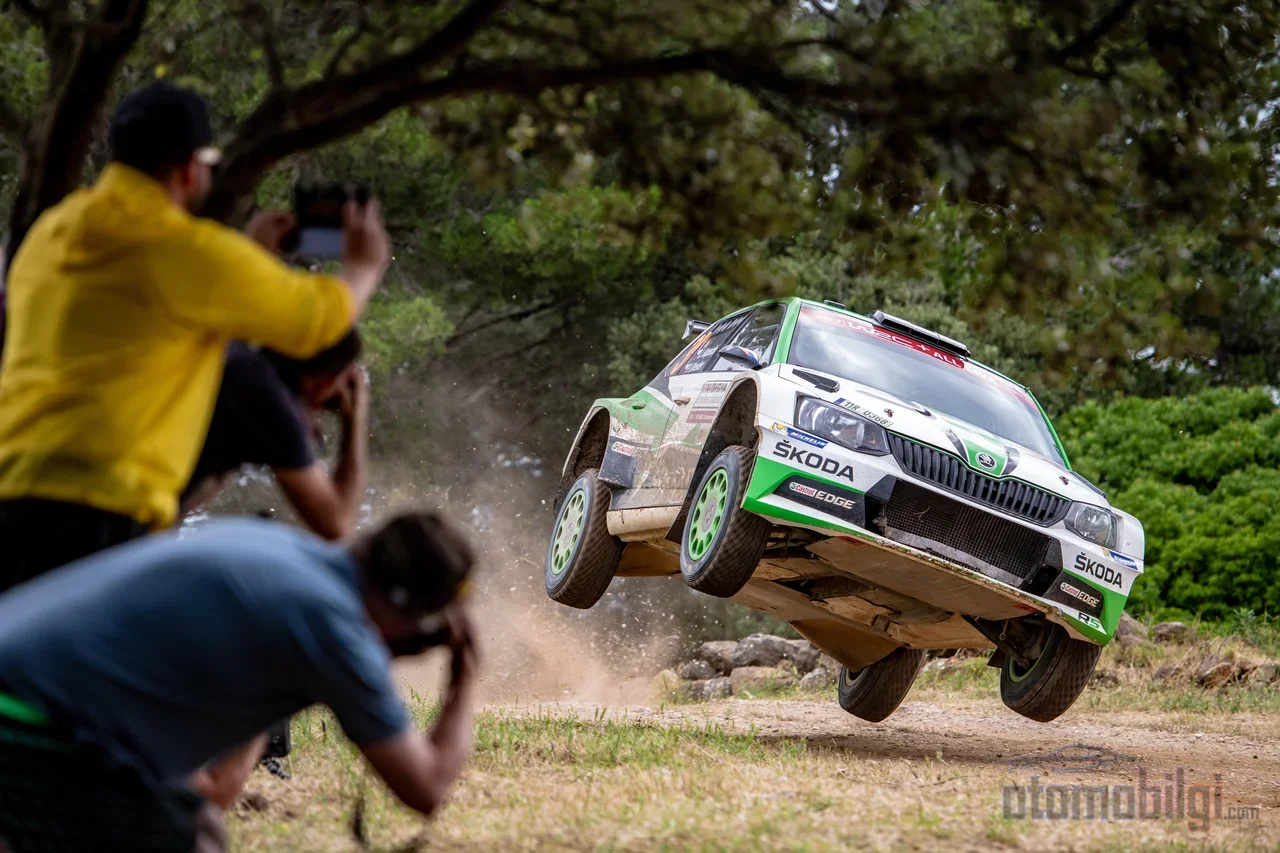
A WRC rally weekend consists of a Thursday reconnaissance run (recce), shakedown, time controls, service park and the podium ceremony that follows the final stage. The race is essentially an exam given against the clock: cars start one or two minutes apart, each is timed to a tenth of a second alone on closed roads of 5-60 km, and the winner is the one with the lowest total time across all stages. Behind those few minutes of stage footage we see on television lies an operation of roughly 250 kilometers per day. Here is the story of that operation, stage by stage.
Highlights
- A rally typically features 15-25 special stages and 80-90 cars ; the stage total of the entire rally exceeds 250 km.
- Recce usually lasts two days; each stage is driven twice, and the co-driver writes pace notes by hand.
- Service times are tiered; only six technicians may work on each car.
- Time penalties are 10 seconds per minute; the top five in the Power Stage earn extra points.
- The championship leader starts the rally first.
Thursday: On the Recce, Corners Get Written into the Notebook
The race begins even before the start. During the recce, the reconnaissance run usually spread over Tuesday and Wednesday, the driver and co-driver scan the route in normal traffic with a civilian car. They must obey speed limits; this is not a test, but a homework-preparation session. They normally pass each special stage twice: on the first pass the co-driver notes every corner, every road surface, every pothole and rock; on the second pass he reads the notes back and takes the driver's corrections.
The result is the pace notes the co-driver writes by hand: a bunch of annoying but life-saving details. During the stage the co-driver reads them to the driver; and the driver, hands flexing, foot on the throttle, dives a machine worth millions into a blind corner. Just imagine that the trust between this duo must be absolute: would you take a blind crest at 150 km/h inside the fog just because the partner next to you said "clear"? That is why co-drivers are the rally's unsung heroes.
Shakedown: The Final Rehearsal of the Setups
Thursday morning is shakedown time. This is an official timed test run at full speed in the competition car, but it has no effect on classification points. The aim is to fine-tune the car's setup one last time before the rally. It is usually held on a stage near the service park, and this is where the crowd watches the car for the first time.
A good example of how strategic shakedown can be: one year, shakedown was held on a 3.35 km stage only 10 km from the service park, icy and snowy; one team chose not to use studded tires in order to preserve its tire quota. Yes, in rallying even tires are a matter of economy. Imagine it: like rubbing your pen on the paper before a math exam to check whether the ink flows.
Time Control and Penalties: The Rally's Justice System
Now we come to the least talked about but most important part of the job: time controls. Teams travel between stages on liaison roads, where they must obey traffic rules. Arriving late at the time control at the start of a stage, at the service park entrance, or at its exit typically means a 10-second penalty per minute . For speeding violations, the figures can even dwarf civil fines.
Arriving early? That's a penalty too. "Too early? Penalty. Too late? Penalty again" is one of the classics of the rally dictionary. For those who miss the deadline, the picture is even harsher: a driver who arrives 30 minutes late at a time control or a stage, or 60 minutes late for the entire rally, can be excluded from the rally. The difference between being caught at a red light in traffic and being eliminated from a rally is, in reality, measured only in hours. So rallying isn't just a race to be fast; it's also a test of loyalty to the schedule.
Service Park: A Factory Every 15 Minutes
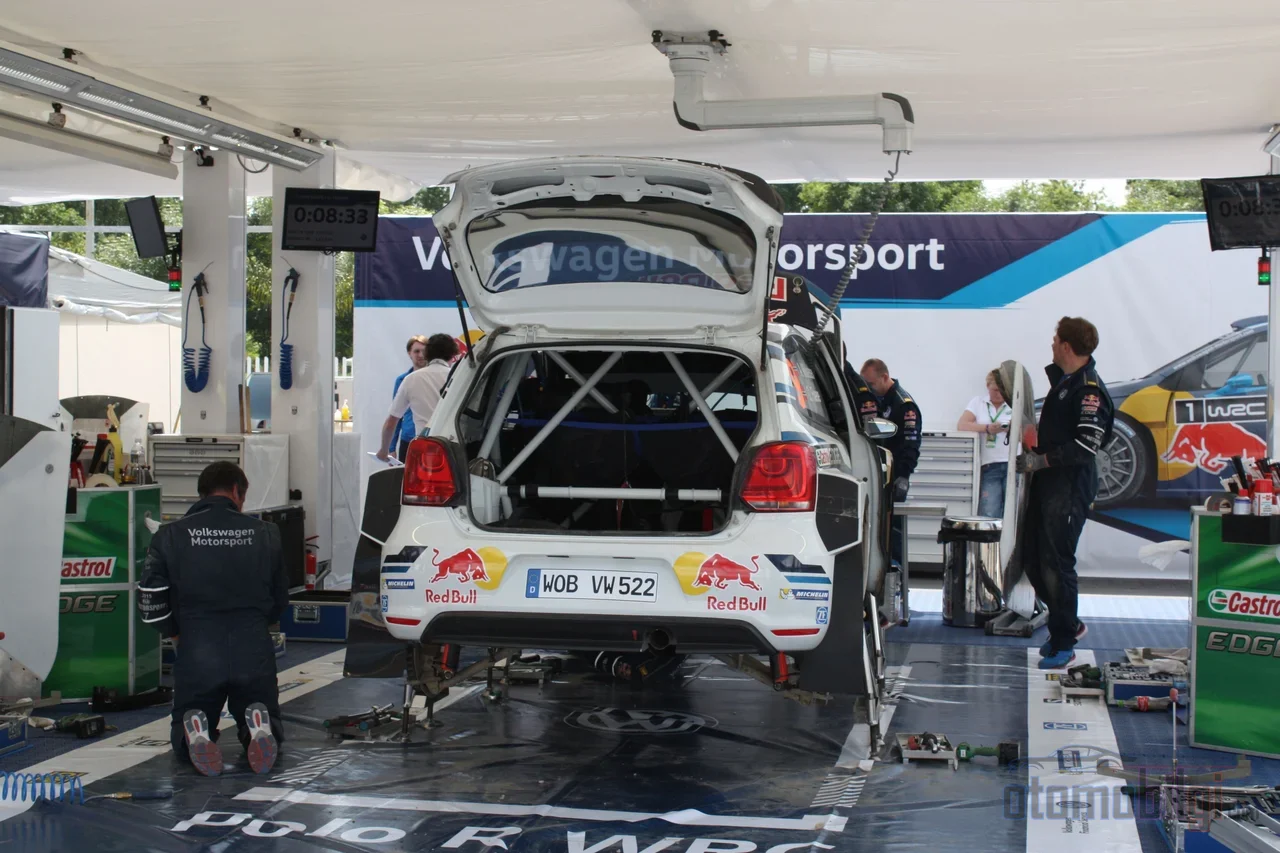
When the stages end, the cars pour into the service park, and the time budget there works in tiers: a short opening session before the first stage of the day, a longer period at midday, and the longest time at the end of the day. The duration of service stops can vary depending on the route; more time is allowed at some special services, for example for major setup changes such as switching from asphalt tires to gravel tires. Exceeding the time limit? You already know the answer: a time penalty.
The rule here is very clear: only six technicians are permitted to work on the mechanics of each car. So during an ordinary service stop, tire and wheel changes, fluid top-ups, bolt checks, suspension adjustments, and brake disc checks are all done at the same time, within minutes, by six people. It's like a six-person surgical team. After the long end-of-day service, the cars are locked away in a protected area, the parc fermé; from that point on, touching the car is forbidden. You can think of it like phones being collected before an exam at school, but probably more expensive.
Stage Rhythm and Points System: Against the Clock, But Constantly
A race day typically means about 250 km of driving, and roughly a third of that is competitive stages. The start is given with an electronic light countdown; the finish line is crossed at full speed at the point called the "Flying Finish". Teams don't race each other on the same road at the same time; you rarely see your rival within a stage. So in fact you're battling yourself and the stopwatch, and that's the most frustrating opponent in life.
For the championship points, the system is simple: the winner gets 25 points, then 18, 15, and so on in descending order down to tenth place. The final stage of the rally is the Power Stage: here, the five fastest drivers are awarded extra championship points of 5-4-3-2-1. So even on Sunday, it's not all over; a few seconds on the final stage can turn the championship table upside down. Also, the championship leader starts the event first on the road; on snow, dust, or muddy surfaces, this works on the logic of sweeping the clean asphalt - the one who sweeps first pays the price.
Sunday Evening: Super Special Stage, Podium, and Closure
There is no repeat from Sunday afternoon onward: the final service visit, the final checks, and then the crews return to the rally city. The finish is usually sweetened with a so-called super special stage, a short, flashy section; these stages are often held on city streets, race circuits, or in venues where spectators can see everything, located close to the service park. In some events, this stage even runs over two laps and is decorated with chicanes and demonstration-oriented special sections, starting in the evening hours. A sweet final for the spectators, and still points for the crews.
Then the podium. Confetti, champagne, and tired but happy faces. In fact, the story of these three days is this: rally is not just tire mud and engine noise; it is handwritten notebooks, a calendar system that runs minute by minute, and an engineering show performed with six technicians. The next time you watch a stage on television, remember that behind those few minutes lies a three-day operation. Do you think this would be possible in an undisciplined sport?
Sources
- ABOUT WRC
- ABC of Rally - Rally Türkiye | WRC
- The Schedule Of The Rally Week | Beginners Guide to Rally
- WRC A-Z
- Rallye Monte-Carlo: Shakedown
- WRC explained: Your ultimate guide to the 2026 season
- Pace notes explained: the complete rally guide - RecceLab
- Recce: The Essential Pre-Rally Ritual - Caneva Rally
- Do You Speak Rally? Learn the Essential WRC Terms