Why Is Rallying One of the Most Passionate Spectator Sports in the World?
Share This Page
Highlights
Rally Finland draws
- hundreds of thousands of spectators every year; in the mid-1980s the figure regularly reached half a million. Rallye Monte-Carlo has been run since
- 1911 and is famous for the flare atmosphere of its night stages. The 2026 Turkish Rally Championship began with a spectator stage in Cappadocia. WRC's global TV audience in 2025
- reached 1.3 billion
- and social media growth accelerated. Why does the rally spectator head for the mountainside rather than the grandstand? At a football match, the spectator is outside the game; in rallying, you feel as if you were in the middle of the action. When the car passes by, gravel stones hit your skin, and the exhaust note rumbles in your chest. The purest form of this experience is in Finland. Also known as the Rally of the Thousand Lakes,
Rally Finland
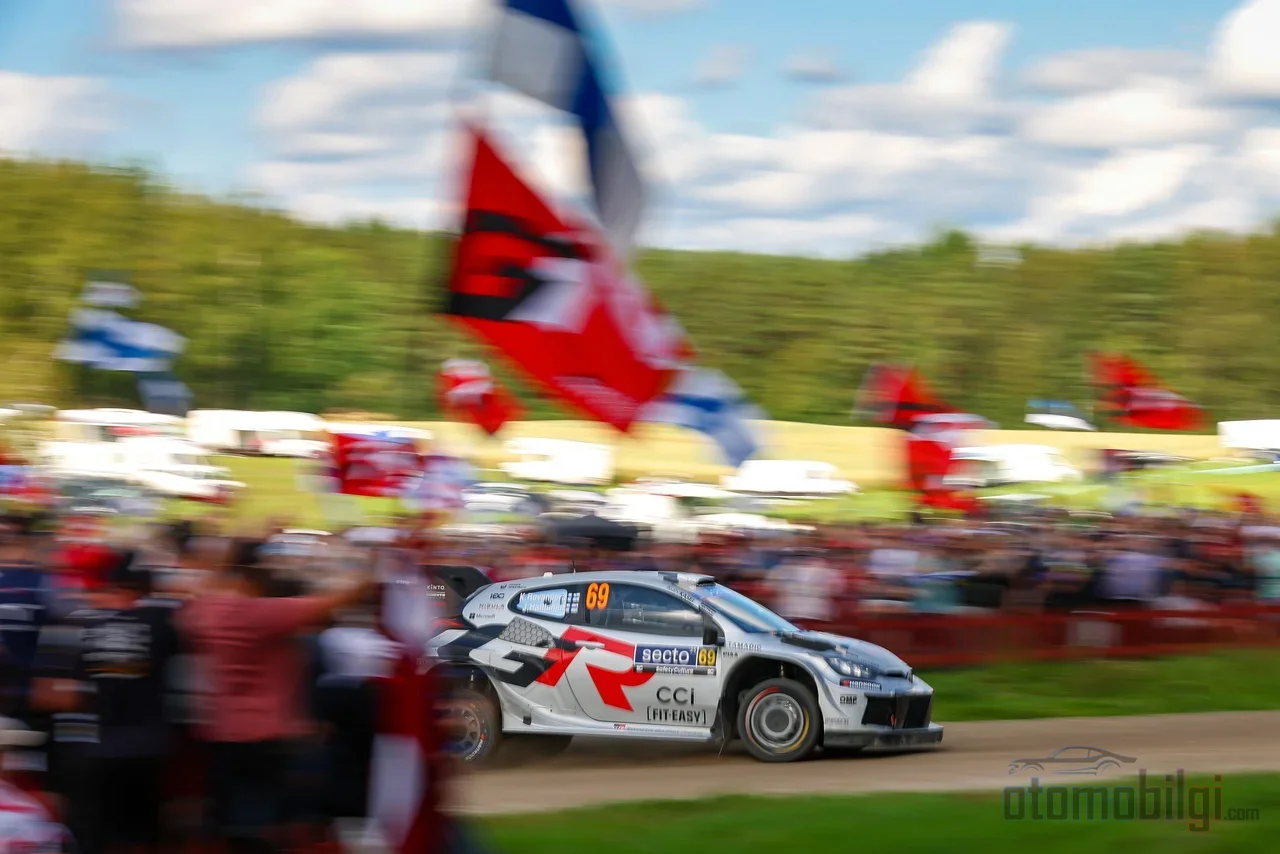
is referred to in English as the 'Grand Prix on gravel' and is considered the fastest rally in the WRC. The logic for watching a stage there is simple: 'as fast as you dare.' You settle at the edge of the slope and watch the cars bursting out of Finland's smooth, flowing gravel roads as if bowing in reverence. Spectating here is really a kind of camping culture. Official spectator guides list dedicated stage spectator areas, parking lots, and caravan facilities one by one; families settle by the lakeshore in the early morning hours and wait for the cars. The organizers ensure that children under 12 can enter all special stages free of charge with their parents - that's how spectator culture is passed down from generation to generation, with the logic of a family gathering rather than a carnival. The numbers confirm this passion too. Rally Finland is one of the largest public events in the Nordic countries; in the 1970s it hosted several hundred thousand people, and in the mid-1980s there were regularly half a million spectators and more than 5,000 track officials. The crowds had grown so large that while 1,200 volunteers were sufficient for safety in the 1960s, by 1968 that number had risen to around 3,000. In other words, spectator density had taken center stage in rallying at such an early date that it became a subject of safety debates.
Monte Carlo's night fires: In the snow, by the fire, with flags
If Finland is daytime and green, Monte Carlo is night and red. Run in January in the French, Italian, and Monaco Alps since 1911,
Rallye Monte-Carlo
offers rallying's most iconic night stages. On the bends of the Col de Turini, the flares lit by spectators descend like an orange rain on the snow; as the car transitions between mixed surfaces, switching between ice and dry asphalt, the spectator drinks cocoa around the fire. There is nothing comparable in grandstand sports. Rallye Monte-Carlo, offers rallying's most iconic night stages. On the bends of the Col de Turini, the flares lit by spectators descend like an orange rain on the snow; as the car transitions between mixed surfaces, switching between ice and dry asphalt, the spectator drinks cocoa around the fire. There is nothing comparable in grandstand sports.
But here tradition and safety become intertwined. While the flares have become an iconic part of the event, eight-time world champion Sébastien Ogier believes they are very dangerous and should be banned. This debate is not in vain: a tube spitting flames on a narrow snow-covered mountain road is a serious risk for both competitors and spectators. The Monte Carlo organizer ACM also draws the line clearly - entering the special stage route on foot at least 30 minutes before the first competitor car starts, or walking on the road, is strictly forbidden. So there is a night party culture, but yes, there are rules too.
Rally spectating in Türkiye: The crowd-swarming stage culture
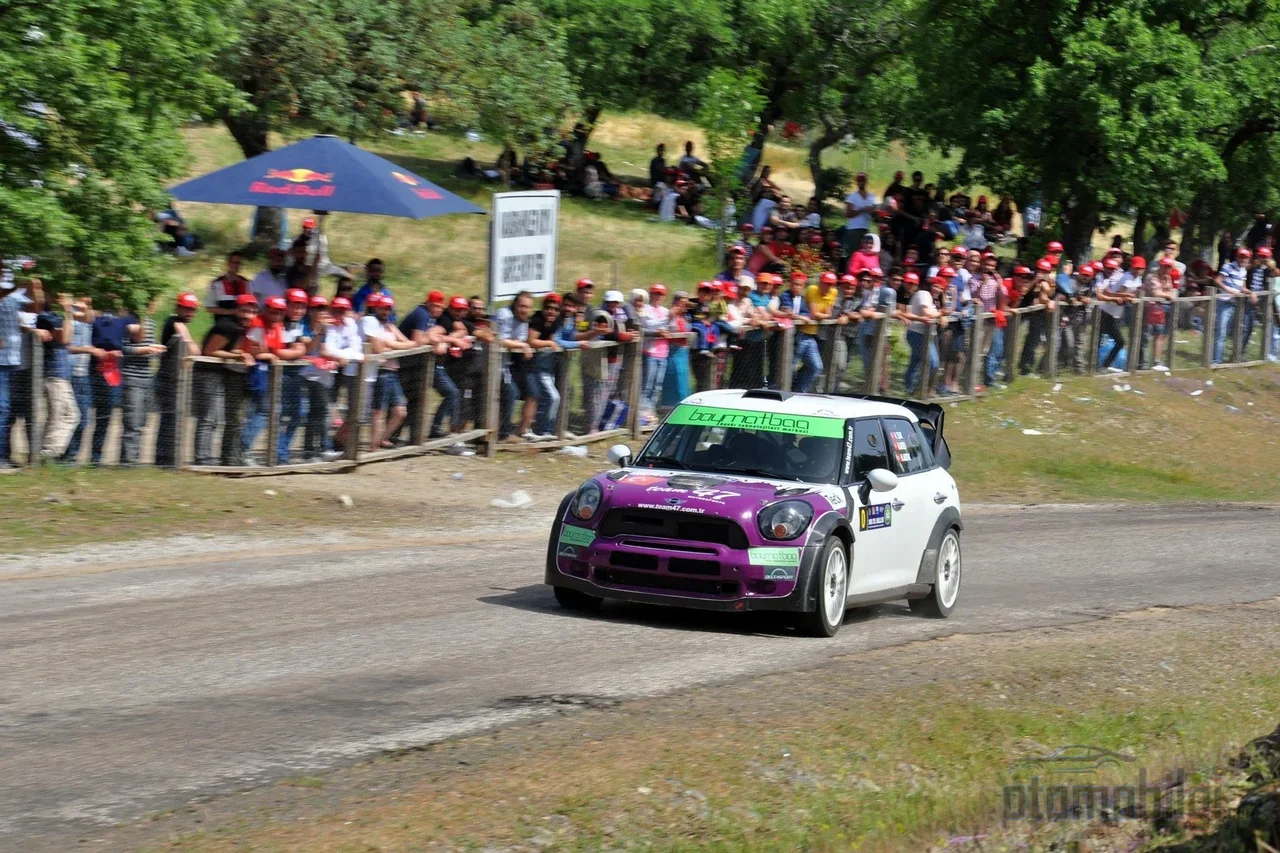
Türkiye met rallying in 1972; the idea of becoming a WRC round first came up in 1999. In the last WRC era, the rallies were held in the Marmaris district of Muğla; the 2020 Türkiye Rally was completed with 12 special stages and a total of 223 kilometers of competitive distance. Do you know what the best thing about the 2.45-kilometer stage in central Marmaris was? Spectators could watch the cars up close, and the stage had two separate 'donut' areas, meaning drift show zones. A city that leaves its hotel and watches rallying as if on a dance floor - that is a rare luxury even in world rallying.
Spectator culture is also strong in local events. The 2026 Turkish Rally Championship began with a spectator stage in Cappadocia; watching cars among the fairy chimneys is practically a celebration for photography enthusiasts. The safety principles of local events are also clear: for example, according to one local rally's rule, a spectator does not leave their spot until the special stage is completed and the sweeper car indicating that traffic has reopened passes. Remember, a rally usually consists of 15 to 25 special stages over 3 days, and about a third of the roughly 250 kilometers per day is competitive stages - so there is plenty of place and time to watch.
Survival guide at the edge of the stage: The unwritten rules
The first thing you need to learn while being a rally spectator is this: this sport's barriers are not like Formula 1's. On most stages, all that stands between you and the car is a single tree, a slope, or a bush. That is why rally spectating has its own earned habits, and these are passed down from generation to generation through socializing. Even the professionalism of Finnish spectators is a separate subject of praise. Whether you are in Finland or Türkiye, the basic rules are as follows:
- Watch only from designated spectator areas; do not enter places marked as danger zones.
- Do not stand on the outside of a corner - that is where the car is most likely to slide out.
- Always obey the red-white tape, signs, and directional arrows.
- Stay on your feet while the car passes and watch the car, not the screen; step back to record video.
- Crossing a stage on foot can end the rally instantly - for both you and the driver.
- The stage is not considered closed until the green-flashing safety car passes; until then, do not move on the stage.
These rules are not arbitrary; the FIA's 2025 rally safety guide requires a Spectator Safety Car to be on standby in every problematic spectator zone, along with a "see it, solve it" approach. The process of closing, sweeping, and reopening a stage works in a similar way all over the world. In short, the rally spectator is free but not irresponsible - your safety largely depends on your own discipline.
The Group B lesson: What happens when passion goes unchecked?
To understand the dark side of spectator passion, we need to go back to the 1980s. The Group B class introduced by the FIA in 1982 produced monsters approaching nearly 500 horsepower, but the real danger was not the cars - it was the spectators standing inches away from them. In 1983, Hannu Mikkola completed the Ouninpohja stage almost 12 minutes faster than four years earlier - technology was flying while the distance between spectators and cars stayed the same. In the 1980s, half the teams never even saw the finish; deaths of drivers, co-drivers, spectators, and officials had become routine. In the infamous 1986 Portugal incident, 3 people lost their lives and about 30 were injured, and in 1987 all Group B cars were banned.
This period went down in rally history as its greatest lesson: the FIA changed the rules to reduce speeds, and organizers were forced to add artificial chicanes. In other words, the safe spot you stand in at the edge of a stage today was built on those losses. Passion is a beautiful thing, but in motorsport distance is respect itself - never forget that.
That strange closeness between drivers and spectators
Rally has a relationship between drivers and spectators that exists in no other sport. You can walk past the drivers in the service park, and at the end of a stage you can come eye to eye with the driver stepping out of the car. The emotional side of this closeness explodes especially at home rallies: Sami Pajari finished third at home in the 2026 Secto Rally Finland and also took third place in the championship; standing on the podium at home, racing in front of your own people, is a completely different feeling. That year, victory on Finnish soil went to Oliver Solberg, while Elfyn Evans and Scott Martin celebrated the championship title. Spectators feel a sense of ownership not only toward the winner but toward every driver who puts in the work - because they have watched them at the edge of the stage, sometimes for years, until the moment they step out of the car.
How has social media changed rally passion?
Rally used to be the hardest sport to watch: to see a stage live, you had to wait for hours in the middle of a forest. Now, WRC presents all stages on Rally.TV both live and on demand; with onboard cameras, you go into the corners through the driver's eyes. In 2025, WRC's global TV audience reached 1.3 billion, and social media growth accelerated significantly. In other words, the experience by the fire at the edge of the stage is now carried to millions on a phone.
But the real change lies in the loyalty created by digital engagement. Research shows that social media strengthens the sense of belonging by building personalized relationships between clubs and fans; around the WRC, content creators and close-to-the-driver perspectives have also become part of this ecosystem. This is an important matter of competition, because since the early 2000s the WRC has been trying to attract the same audience as action sports, cinema, and theme parks. The spectator who goes to a stage now shares the video they shot there, inviting the next spectator - that is how passion enters the cycle. The fact that early reservation tickets for the 2027 Finland rally have already gone on sale is proof of this: the spectator sees the rally as a holiday they plan, not just a race day.
Final word: Prepare the picnic basket
The spectator culture of rallying is the most humane side of motorsport. Camping by a lake in Finland, gathering around a fire under the snow in Monte Carlo, watching donuts just meters from the car in Marmaris - they are all different geographic forms of the same emotion. As long as you follow the rules, this world embraces you. So, which stage side would you crouch by first - an icy Alpine bend, or the slope of the Finnish lakes? I say give both a chance; don't forget the picnic basket.
Sources
- The History of Rally Finland
- WRC Secto Rally Finland 2026
- Secto Rally Finland – Official site
- Safety rules – Rallye Monte-Carlo
- Everything You Need to Know About WRC Rally Türkiye
- What Is Rallying? – Rally Türkiye
- FIA Rally Safety Guidelines 2025
- Code of Conduct and Safety Rules – Rally Estonia
- Safety Rules – ETİ Odunpazarı Esok Rally
- Group B rally racing was too dangerous to live on
- WRC reaches global TV audience of 1.3B
- Spectator experience management at FIA WRC events
- Checklist for a Rally Visitor