WRC2 and JWRC: The Feeder Ladder of the World Rally Championship
Share This Page
WRC, or the World Rally Championship, is not just those spaceship-looking Rally1 machines you see on TV. Just below the main championship, there are three support series running on the very same stages but at far more affordable costs: WRC2, WRC3 and Junior WRC. This is exactly where the ability ladder that leads up to Rally1 is built.
Highlights
- WRC2 is run exclusively with Rally2 cars; the price cap per car is 190,000 euros.
- WRC3 is contested with cheaper Rally3 cars designed for private drivers.
- Junior WRC has a "come and race" format; drivers must be younger than age 29 .
- Drivers enter at most 7 rallies in the championship, and the best 6 results count.
- Elfyn Evans shone in WRC2 and has been racing at the top of the WRC since 2017.
WRC2: The Most Important Rung of the Ability Ladder
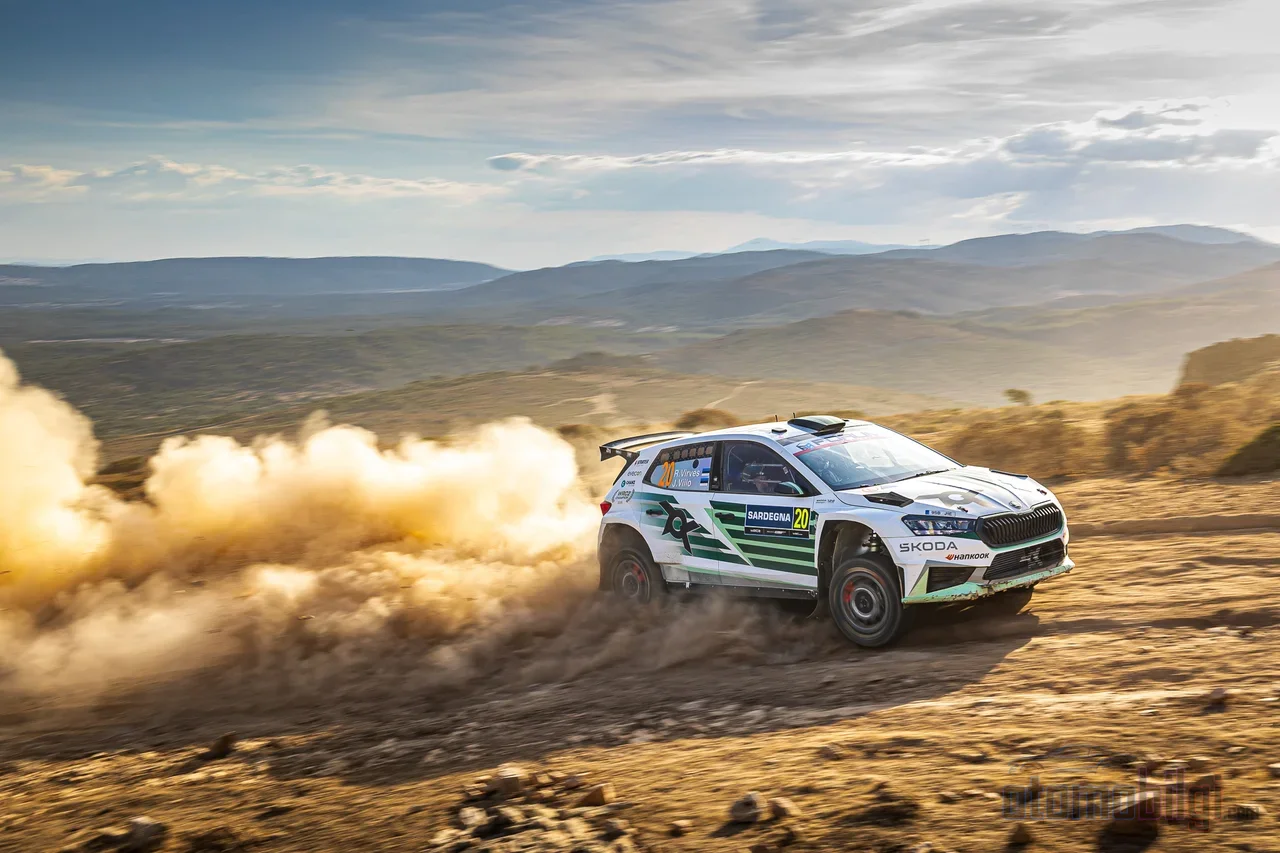
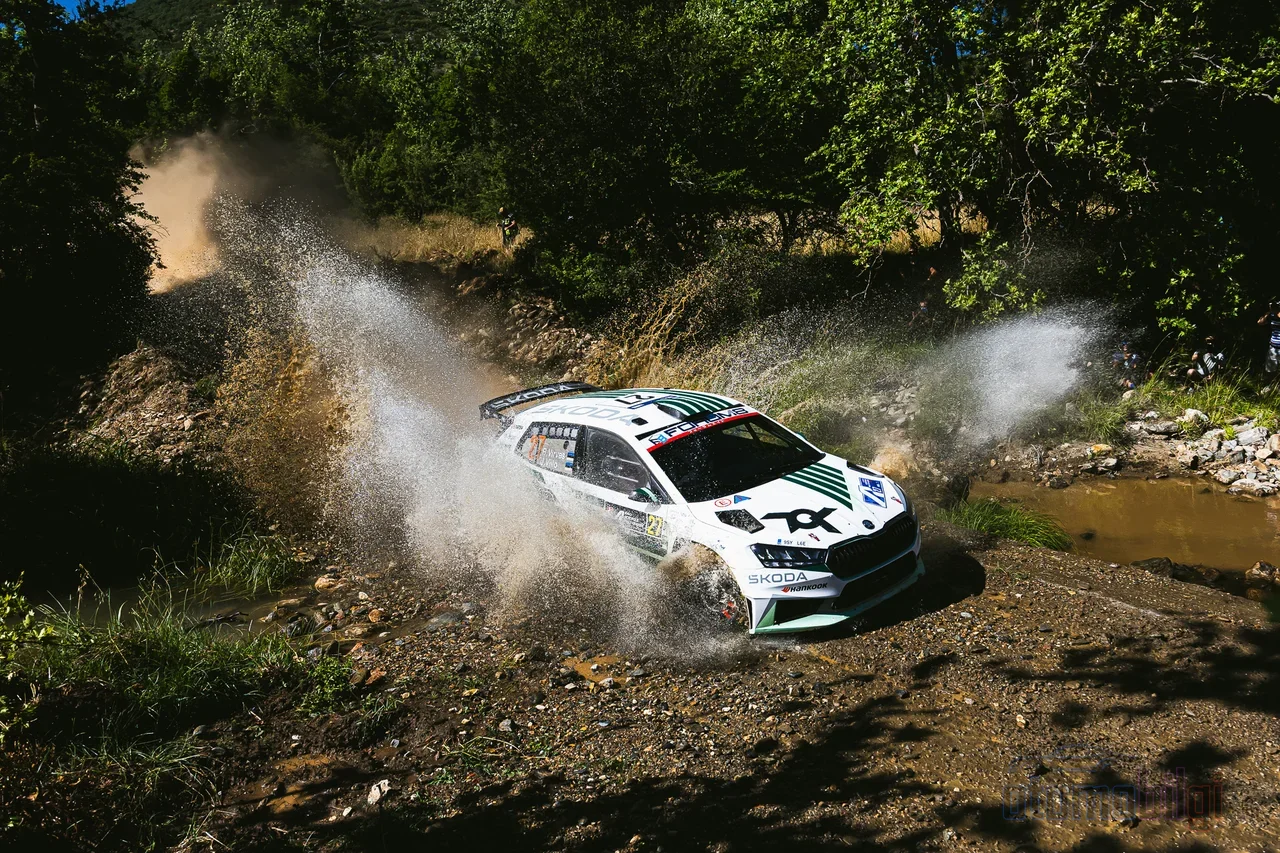
You can think of WRC2 as the championship's high ground; not the summit, but the view is already spectacular. Only cars built to Rally2 specification compete here: four-wheel drive, 1.6-liter turbo engines, and machines carrying at most 4.2 horsepower per kilogram. In short, every horsepower of the car struggles with every kilogram it carries - fast but efficient, like a climber with a pack on their back.
The series runs driver, co-driver and team championships. The points system is simple but cleverly designed: drivers and co-drivers may enter at most 7 rallies over the season, and only their best 6 results count in the standings. This way, teams with limited budgets that do not take part in the entire season still carry a realistic chance at the title. On the teams' side, seven rounds are contested with two cars each, and additional points are also awarded from the Power Stage.
Teams run under P2 (Priority 2) status; meaning they enter the service park after the P1 teams in the WRC's main category. The series' history is also interesting: in its current form, WRC2 replaced the Super 2000 era, which began in 2010, when Group R regulations were introduced in 2013. And from 2023, a separate "Challenger" driver and co-driver championship was added for drivers who have not previously won the series or competed in a manufacturer's roster in the last five years. That means the door is always left ajar for newcomers.
WRC3: The Domain of Private Drivers
One rung below sits WRC3, and it fully lives up to its name: the series for private drivers who do not dream of a factory seat and race with their own means. It is run exclusively with Rally3 cars, and costs are kept significantly lower than in WRC2. For this reason, entry restrictions, testing limits and professional support rules are also in effect; in other words, the budget race is meant to be played fairly.
Think of the difference between Rally3 and Rally2 like this: Rally3 doesn't have as advanced aerodynamics as Rally2, and even the seating position is different. According to Rally3 driver Jon Armstrong, the seating position in Rally3 is close to Rally4; you don't sink down deep like in Rally2. The series' format is similar to WRC2: a maximum of 7 rallies, the best 6 results count, and stages are declared in advance. Teams run in P3 status, meaning they pass through the stage last. The series was first run between 2013-2018 with two-wheel-drive R1/R2/R3 cars, was paused in 2019, and returned in 2020 in today's Rally3 format.
Junior WRC: The First World Championship for Young Stars
What about young drivers who haven't yet made a name for themselves in the world, but have a great relationship with the steering wheel? For them, there's Junior WRC, or JWRC. This series' format is completely different from the others: it operates on an "arrive-and-drive" logic, meaning "come and race." Racing with the Ford Fiesta Rally3 cars provided by M-Sport, it takes place on 5 selected rounds of the WRC calendar. Car, tires, service... everything comes ready; the youngster's only job is to be fast. It's a great system in terms of equal opportunity, just think once: everyone is in nearly the same car, so the winner is genuinely the most talented.
The participation requirement is also clear: drivers must be younger than 29 and must register. There is no age limit for co-drivers. The series' history goes back to 2001; that year a championship open to young drivers began with S1600 cars, it became a closed FIA championship in 2011, and between 2011-2012 it carried the name "WRC Academy." The old format had five rounds, the best four results, double points in the final round, even separate points for stage wins and a nations' championship. There is no official current figure on entry costs; for past seasons, estimates circulate that the entire season cost approximately 165 thousand dollars including car, tires and fuel, but this is not an officially verified figure.
Rally Car Pyramid: How Much Is Each Car?
The FIA has imagined rally cars as a pyramid: at the base are two-wheel-drive Rally5 and Rally4, and going up come the four-wheel-drive steps of Rally3, Rally2 and Rally1. Each step is a bit closer to the budget of the one below but a bit further from the speed of the one above. Price ceilings have also been set for spare parts; that is, a team can't inflate parts prices and turn the series into a rich people's game. Here is a side-by-side comparison of the three main support classes:
| Feature | WRC2 | WRC3 | Junior WRC |
|---|---|---|---|
| Car | Rally2 | Rally3 | Ford Fiesta Rally3 |
| Drive | Four-wheel drive | Four-wheel drive | Four-wheel drive |
| For whom? | Semi-professional crews, manufacturer-supported teams | Private drivers | Young drivers under 29 |
| Format | Max 7 rallies, best 6 results | Max 7 rallies, best 6 results | 5 rounds on the calendar |
| Car price cap | ~190,000 Euro | ~130,000 Euro (estimated) | Arrive-and-drive package |
| Status in a stage | P2 | P3 | Separate category |
Rally2's rules are also interesting: the chassis and engine must be based on a series-production model of which more than 2,500 units have been manufactured. In other words, you're talking about the racing version of a car you could see on the street. A rally weekend's cost with Rally2 machinery varies roughly between 10,000 and 30,000 Euro depending on the car, service level and event; at WRC2 or European Championship level the figures climb even higher. Friendly to the wallet compared to Rally1, right?
What's the Situation in the 2026 Season?
The 2026 WRC Championship got underway in January with the now-classic Monte Carlo Rally and will conclude in October with Rally Italia Sardegna. The Junior WRC 2026 calendar has also been announced, and for the first time the season finale will be held in Chile; an overseas finale for young drivers is quite an exciting idea. There is no major regulation change in the categories this season, only some class names have been refreshed.
So how are things at the top? In the overall standings Elfyn Evans leads with 243 points, with Oliver Solberg on 238 and Sami Pajari on 237 right behind him in a breathtaking three-way battle; Sébastien Ogier with 189 and Adrien Fourmaux with 183 points are chasing them. On the WRC2 front, after Rally Sweden Roope Korhonen and Léo Rossel are level on 25 points each, with Roberto Daprà third on 17 points. Debates also continue that the gaps between them - that is, the small speed difference between Rally1 and Rally2 - make Rally1's costs unsustainable; according to some experts, the cars in WRC2 have already given clues about the future of the top category.
From WRC2 to Rally1: The Path of Drivers Rising to the Top
Now let's get to the real question: what are these support series for? The answer is very clear: many promising factory drivers build their careers precisely in WRC2. Perhaps the finest example of the ladder is Elfyn Evans, currently leading the overall standings. He finished second in the 2016 WRC2 drivers' championship, won three rallies that year, and has been racing at the top of the WRC with Toyota GAZOO Racing since 2017. Rally Sweden and Rally Türkiye victories also sit on his shelf. He has been a member of the official Toyota WRC team since 2020.
Another name to come out of Toyota's young driver program moved up to WRC2 in 2024 with the GR Yaris Rally2 and claimed his first championship by taking his third victory at the season finale, Rally Japan. But the ladder doesn't always go one way; 2022 WRC2 champion Emil Lindholm moved to Hyundai after his title and his career visibly went backwards. So shining at the lower rung opens the door, but staying at the top is a whole different test. In my view, this is the best example showing that the ladder is not only something to climb up.
Let me add one more note: in the Rally1 era, considered the most expensive period in WRC history, only Ford, Hyundai and Toyota competed, and Toyota won the manufacturers' championship for the first four times in a row. The hybrid system arrived in 2022 but was removed in the 2025 season because mid-rally repairs were difficult and expensive. This cost reality also explains why more affordable categories like WRC2 are talked about more and more with each passing year.
Guide to Reading the Championship Tables
Finally, here's a short list of tips so you know what to look for when checking a WRC table - because after reading this page, you've earned the right to read the tables like a big brother or sister:
- 7-rally limit: Drivers and co-drivers may enter at most 7 rallies, and the best 6 results count toward the standings. That's why you might not see some names mid-season.
- Power Stage points: Extra points are awarded to the top five on the final stage of every rally of the season; it can turn the table upside down at the last moment.
- Manufacturers' standings: Since 2023, the manufacturers' championship is awarded only in WRC2; the best results from 7 rallies entered with two cars are collected.
- WRC2 Challenger: There is a separate title for drivers who have never won a championship or have not been in a manufacturer's roster in the last 5 years; you can see two tables in the same car.
- Main category points: On the Rally1 side, the classic 25-17-15-12-10-8-6-4-2-1 distribution is used.
Next time you're watching a rally weekend, remember that three different championships are running inside the same dust cloud. That fast hatchback passing the Rally1 cars may be carrying a future world champion - and you'll have witnessed it for the first time where the championship story begins, on the stages of the support series.
Sources
- ABOUT WRC
- World Rally Championship
- 2026 WRC2 Championship
- ABOUT | 2026 | WRC
- ABOUT Rally2
- FIA Rally Car Pyramid Brochure
- 2026 FIA Junior WRC Calendar Revealed
- One Rally, Different Levels: Categories in WRC
- Rally2
- WRC A-Z
- Results & Standings
- What's changing in WRC this year
- How likely is Rally2 to take over the WRC?
- World Rally Championship: How It Works
- Jon Armstrong on Rally3 vs Rally4/Rally2
- Rally2: the modern rallying success story
- How Much Does a Rally Car Cost?