What Is a Super Special Stage in WRC and Why Is It Held?
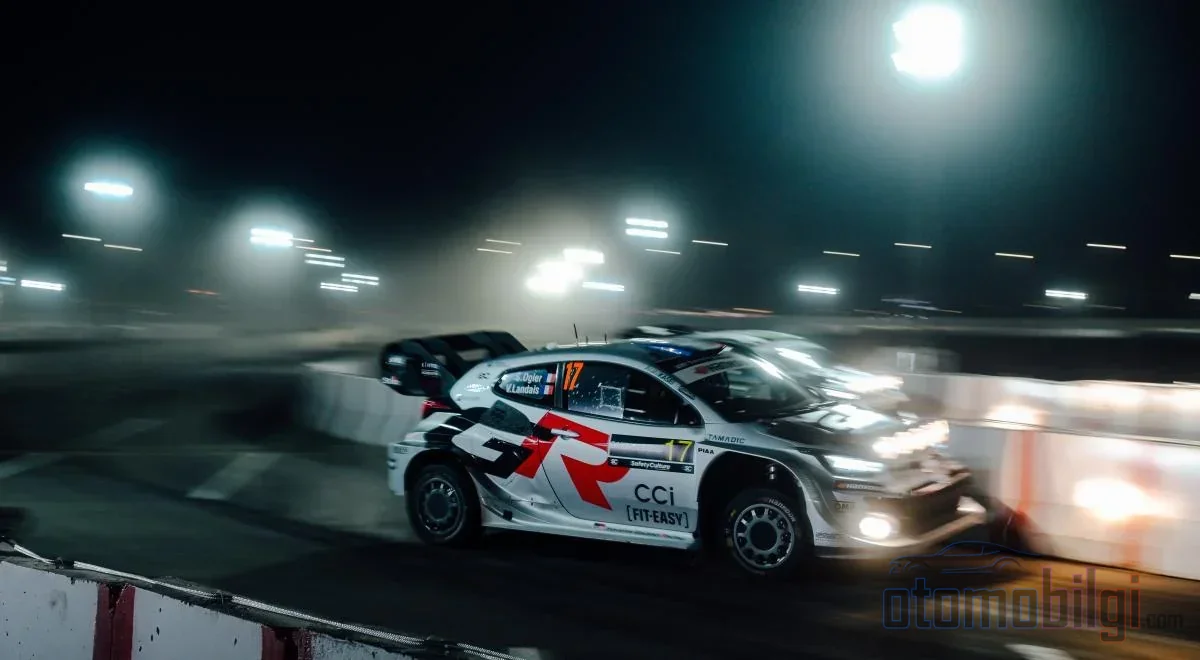
Just think about it: Thursday evening, right in the heart of the host city, the grandstands packed to the brim. The lights come on, two Rally1 cars stand side by side, and with the start signal they launch onto the stage at the same moment. Rally is all about running alone, racing against the clock, right? Well, at exactly that moment, this rule is deliberately broken. This is precisely what the Super Special Stage (SSS) is in the WRC: a short, spectacle-focused stage tailor-made for television. So why do they sacrifice rally's purest rules for such a scene? The answer is more logical than you might think.
What Exactly Is a Super Special Stage?
A normal special stage is a timed run on a road closed to the public. Cars start one by one, usually a few minutes apart, and nobody can see anyone else; everyone wrestles only with the stopwatch. This is rally's classic philosophy and the backbone of the championship.
The Super Special Stage is a deliberate exception to this picture. In its most familiar form, it is set up in a sports stadium: two parallel tracks, two cars, a head-to-head duel. The cars usually set off at the same time from different points of a looped course and race head-to-head, nose to nose. However, this is not the only option; in some SSS stages, cars also run one by one. The start format is specified separately in each stage's announcement, so it is best not to speak with certainty without checking the event schedule.
According to Wikipedia's definition of a special stage, the SSS is an umbrella term covering every situation where the normal procedure differs: a change of surface (for instance an asphalt stage run in a gravel rally), reordering for spectators and promotion, or irregular start intervals also fall under this scope. In other words, the SSS is not a single template; it is rally's show window, brought out in front of the spectators with its rules stretched.
Highlights
- The SSS is usually the first stage of the rally and is run on Thursday evening.
- Its most classic format: two parallel tracks, two cars, a simultaneous start.
- It is included in the scoring like a normal special stage, with times added to the total.
- It is frequently set up on a race track or in a city center.
- Entry is free in most places; no ticket is required.
Where Does the SSS Fit into the Rally Weekend?
Think of a WRC weekend. Friday, Saturday and Sunday are when the rally's main legs are run; cars cover stages of dozens of kilometers on roads closed to the public. The transitions between stages are made on what are called transport stages, untimed roads subject to normal traffic rules. So a driver is pushing the limits in the forest on one hand, and driving from city to city with their seatbelt on on the pickup road on the other.
The opening act of this massive program is Thursday evening. First comes the ceremonial start; drivers meet the audience on the podium. Immediately afterwards, usually in the host city, the Super Special Stage, designed to attract spectators, is run. In short, the SSS is the invitation that flings the door to the weekend wide open.
A comparison is in order: normal stages are typically 10-30 km long, some reaching up to 50 km, and a rally includes 15-30 special stages in total. The SSS, on the other hand, is a short, intense summary of this vast picture; so much so that sometimes the entire course can be watched from a single spot. Although it is still time that determines the ranking, it is the grandstands, not the desktop, that define the spirit of the stage.
The Place of the SSS in Scoring: What Changes on Paper?
Is the SSS included in the time?
Yes, it is. Even though the SSS is a grand spectacle, it is ultimately treated like an ordinary special stage: the time achieved is added to the rally's total time. That means every second spent in front of the grandstands on Thursday evening genuinely counts toward Sunday's victory calculations. The show is separate, but the math is shared.
Bonus points are the job of the Power Stage
Let's clarify a frequently confused point here: bonus points belong not to the SSS, but to the Power Stage. The Power Stage is the stage run at the end of each rally and broadcast on television, and it distributes extra championship points to the five fastest crews in a 5-4-3-2-1 format. The perfect score achievable in a rally is 35 points. The SSS is outside this bonus system; its job is to contribute to the total time and to set the weekend on fire. In the current points system, competitors race for a maximum of 25 points per event, excluding the Power Stage, and the points are calculated by dividing them into two sets.
The Spectator Experience: Why Are the Grandstands Full?
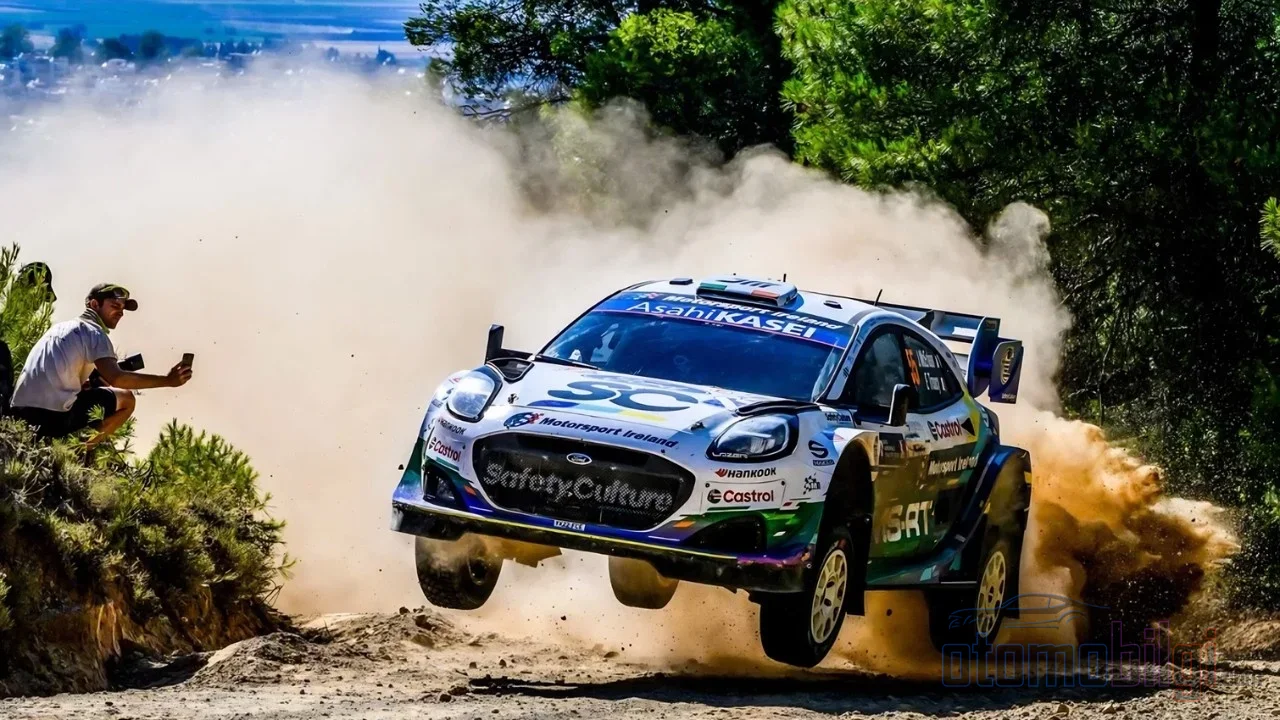
Now let's move on to the spectator side of things, because this is largely the reason the SSS exists. To watch a rally on a normal stage, you set off on a forest road in the early hours of the morning and see a 2-second glimpse of the car behind the safety line. A nice experience, but one that requires some patience.
The SSS, however, reverses this experience. Since the course is short and compact, sometimes all of it can be watched from a single spot. And when two cars race side by side, the rally's abstract time race turns into a visible duel. Because it is run in the city center or at a racetrack, access is easy, and since it takes place in the evening hours, it is possible to come after work. Moreover, in many places a ticket isn't even required to watch the stages; WRC's spectator information pages clearly state that arena and stage entrances are free.
It is also possible to see traces of this format in Turkiye: The Turkiye Rally held in Marmaris ran an SSS as what was called a spectator special stage on the weekend, and Turkish sources referred to the format by this name. So the SSS is not only the common language of Spain, Scotland or Sweden, but of every corner of the championship calendar.
Its History and Format Discussions
The idea of an in-stadium super stage is not new. The super special stage set up inside the Millennium Stadium in Cardiff during one era of the Wales Rally is one of the best-known examples of this format. Laying a rally course inside a huge football stadium showed, even back then, how strong the championship's desire to reach spectators was.
Format experiments were not limited to this either. In recent seasons WRC has tried shorter and more compact rally formats; the fate of even the 48-hour sprint format came up for discussion. The short, TV-and-spectator-oriented format identity of the SSS is the most visible face of this general trend. In the 2026 season guides, the weekend structure is described in the same framework: A ceremonial start on Thursday evening, followed by a spectator-focused SSS in the city.
But does everyone love it? Of course not. For the purists of rally culture, this format has a whiff of being offside: the essence of rallying is cars racing alone, at intervals, in nature for hours. The SSS deliberately suspends this philosophy and stretches the sport in favor of promotion and the spectator experience. In short, the SSS is a format that brings together the two souls of rallying under one tent, and generates a bit of debate, too.
Why Do Drivers Think About the SSS Differently?
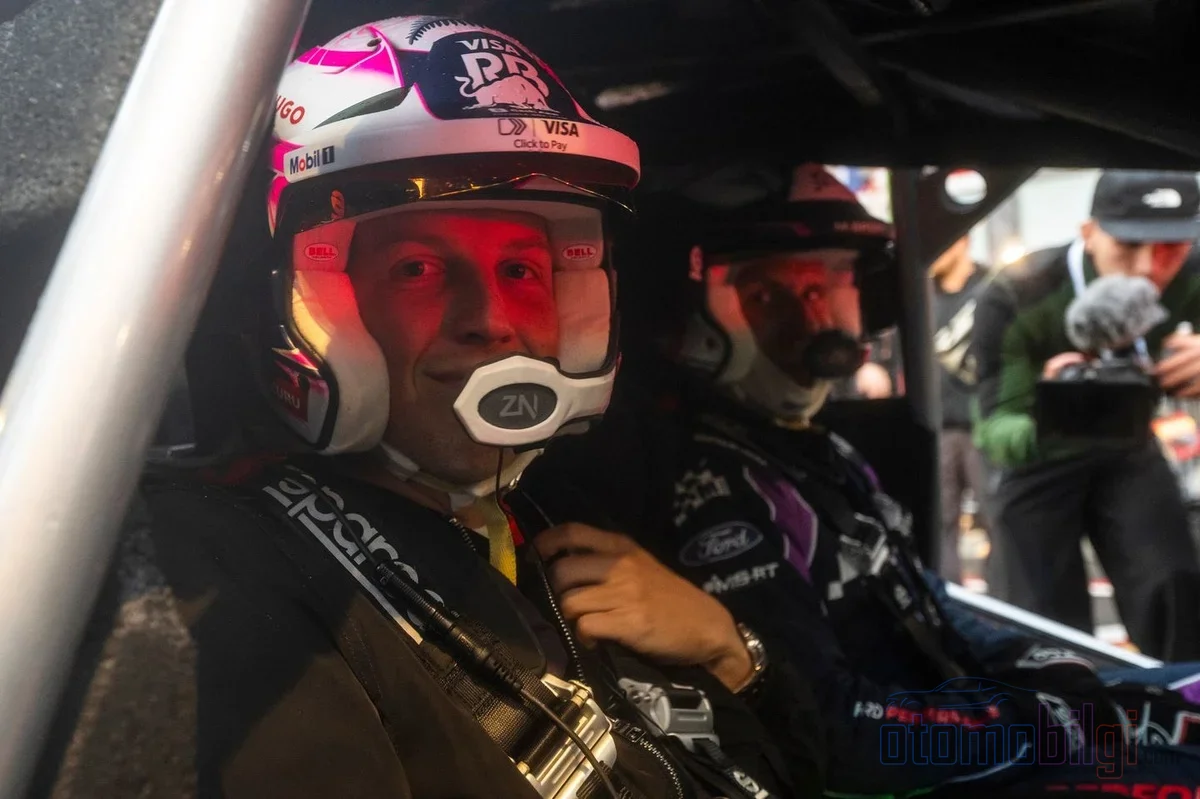
So far we have always looked from the stands; let us now look from the seat. For a driver, the SSS means stepping outside the routine they are used to. The stage is short and fast-paced, and even a single small mistake costs not seconds but positions directly. The rival racing alongside carries a psychological pressure element you would normally never see: a person is used to battling their own stopwatch, not seeing another Rally1 car out of the corner of their eye.
Also, running at the very start of the weekend imposes a separate responsibility. The SSS counts toward the total time; which means dealing with a small penalty carried on your back for three days if a corner is cut in a showy manner. In front of the eyes of thousands of people in the stands, even the smallest slip turns into a headline-worthy image. This fine line between courage and accountability is what always makes the SSS special for drivers.
In short: How Is the SSS Run, and Why Is It Run?
Let us sum up. The Super Special Stage is a short stage, usually run on the Thursday evening of the first day of a rally, mostly set up in a city center or on a track and in a stadium; in its best-known form, two cars start simultaneously on parallel tracks and race nose to nose, and the time is added to the total time like a normal stage. It does not award bonus points; that is the job of the Power Stage at the end of the rally. The SSS's actual role is different: to bring the rally to the spectators' doorstep, to open the weekend with a duel, and to make the championship watchable on television. So that illuminated duel you see on that Thursday evening is not just a show; it is a rally stage where real seconds are written onto the points table, one that deserves to be taken seriously. Only its curtain is a bit more illuminated.
Sources
- WRC A-Z
- Special stage (rallying)
- Legs and Stages: The Bits and Parts of a Rally
- WRC explained: Your ultimate guide to the 2026 season
- Super Special Stage Recce Complete!
- WRC Rallye Monte-Carlo 2027 spectator info
- World Rally Championship spectator special stage
- World Rally Championship
- New points calculation in WRC
- WRC Super Special Stage: Spectator Guide