Asphalt or Gravel: How Surfaces Determine Rally Strategy?
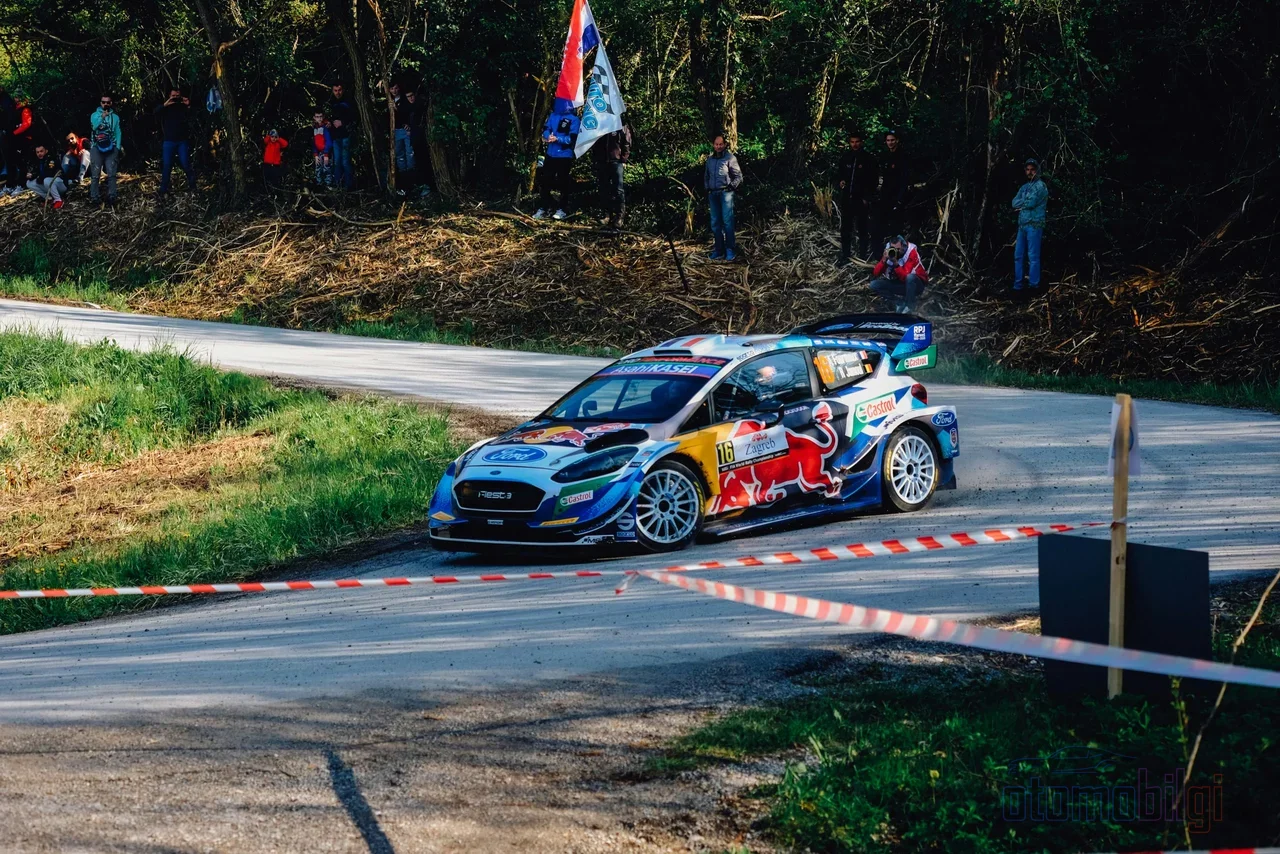
Share This Page
The question of asphalt versus gravel in WRC is essentially the very question of "how do you race on each surface?": Because the championship is contested across four continents, on surfaces ranging from gravel to asphalt, from snow to ice, teams rebuild the car from scratch at every rally, choose the tires from scratch, and rewrite the driving style from scratch. In short, the winning side in a rally is not the fast driver, but the team that best negotiates the surface.
Highlights
- There are four main surfaces in WRC: asphalt, gravel/dirt, snow and ice
- Rally de España is the championship's only mixed-surface event: day 1 gravel, days 2 and 3 asphalt
- On the transition day, teams change everything from dampers to tires in 75 minutes
- At Rally Sweden, metal-tipped studded tires are used
- 11 Rally1 cars entered the 2026 season
Why Is Each Surface a Separate Discipline?
On a circuit, asphalt is the same everywhere; in rallying, however, you face a world where a car set up in the morning may be completely useless by the afternoon. Asphalt is a consistent and grippy surface: the tire sticks to the road, and you tell the car exactly what you want. On gravel, it's the other way around; there is no such thing as natural grip, the driver generates traction by pressing the tires into the firm ground beneath the loose stones.
This difference is so great that driving at racing pace on gravel is an entirely separate discipline compared to asphalt. Entering the corner with trail braking, rotating the car's nose into the corner - it's like a dance where throttle and brake speak at the same time. On asphalt, the margin for slip is much narrower; you don't make mistakes, because when grip is there_limitsless confidence pulls you in.
Snow and ice, meanwhile, are a category of their own. Rally Sweden was the most distinctive environment on the 14-event 2025 calendar; the stages are entirely snow and ice, and the tires have metal tips. Now imagine how a car concept targeting 200 km/h for hours on top of a thick snow cover is put together. That is why WRC is the hardest campus of the school drivers come from.
Suspension Setup: Soft or Stiff?
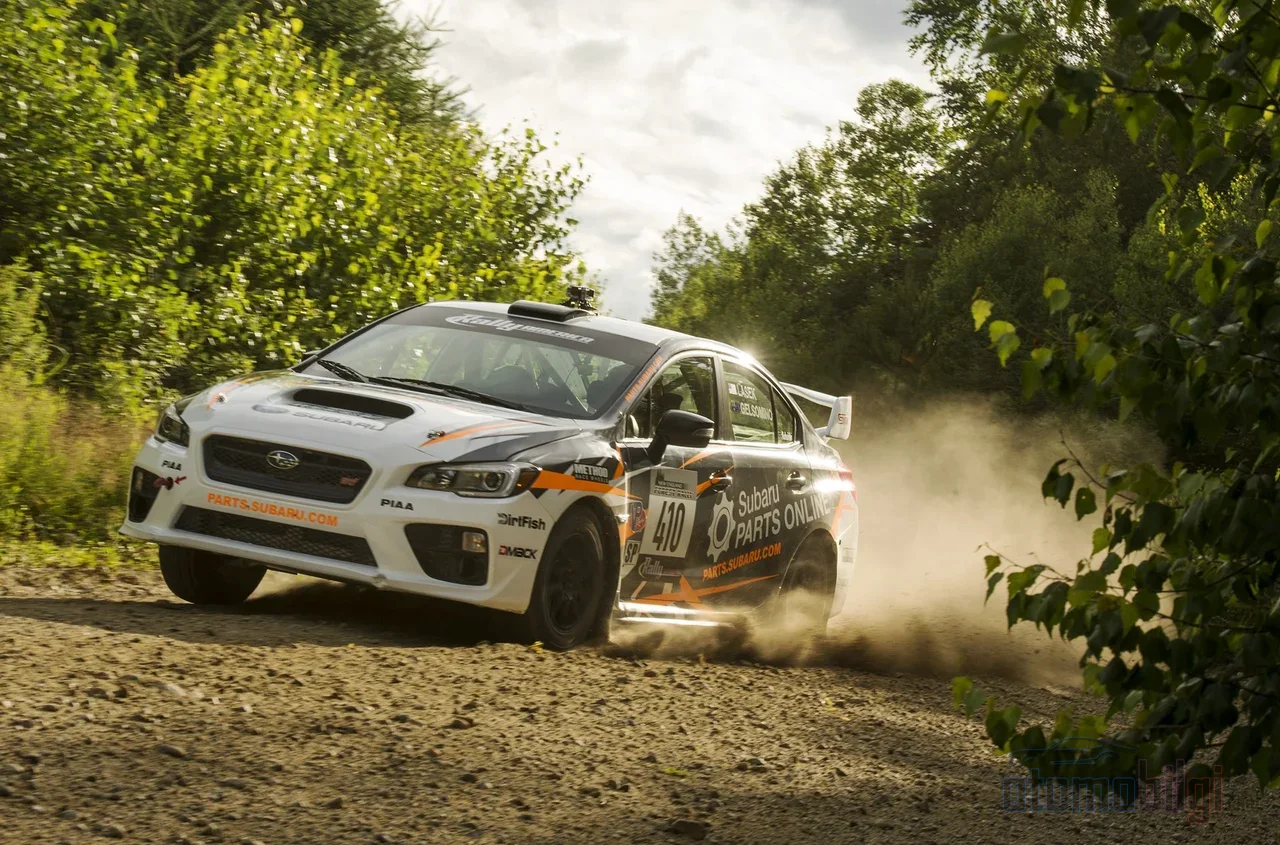
This is where setup philosophy takes the stage. The general rule is: if the surface is firm and grippy, you stiffen the setup; if the surface is rough and slippery, you soften it. On asphalt, the goal is to keep the body as flat as possible and maximize the tire's contact patch with the ground. That's why asphalt cars are set up low and stiff. On gravel, it's the opposite: the body is raised, the dampers are softened, because if the car can absorb potholes, rocks and jumps, the tire stays on the ground at all times.
| Setting | Asphalt | Gravel | Snow |
|---|---|---|---|
| Suspension stiffness | Stiffest | Medium-soft | Softest |
| Ride height | Low | High | High |
| Anti-roll bar | Stiff (approx. 2/3) | Medium (approx. 1/2) | Softest (0) |
| Rear differential | More locked | More locked | Center and rear locked |
| Brake bias | Front-biased | Balanced | Balanced |
Why is this table important? Because in the WRC there are essentially two homologated setups: one for asphalt, one for gravel. In the asphalt setup, the wheel center sits higher on the axle carrier; this allows the suspension geometry to keep working even though the body is lowered. It may sound technical, but it actually makes a lot of sense: think of a hand resting on top of a wrist that stays in a natural position even when the wrist bends.
Where Are the Limits of the Setup?
Since rally conditions change in a matter of seconds, overly aggressive camber and toe settings don't do much good on gravel; one rock or one cornering mistake can ruin the entire geometry. On asphalt, as you might guess, more ambitious alignment settings are possible, because the surface is predictable. Gear ratios also change depending on the surface: in rallying, short ratios are preferred for low-end torque, while on track, long ratios serve maximum top speed. And don't forget: rally cars go through endurance testing. Because of the principle that "being lightweight is nice, but never compromise reliability," wheels and skid plates always take priority.
Why Does Tire Choice Determine the Fate of a Race?
Have you ever thought about how much a rally tire has to do? In circuit racing, the tire works on flat asphalt. A WRC tire, on the other hand, has to perform on gravel, asphalt, mud, snow, ice, and rock within the same championship. That's why teams have a tire catalog sorted by surface and weather conditions.
- Hard tire: ideal for dry/hot and abrasive asphalt as well as compact gravel.
- Soft tire: preferred for wet/cold and smooth asphalt as well as loose gravel or mud.
- Rain (full-wet) tire: the car battles puddles on asphalt; faster from the very start of the race in wet weather.
- Studded tire: grips snow and ice with metal studs, the signature of Rally Sweden.
In asphalt rallies, drivers sometimes face a complete selection nightmare; for example, in Croatia they had to choose from 24 tires, and finding the right compound was a real headache. Tire strategy is also closely tied to the weather: the forecast determines not only performance but also the team's strategic plan. Even developments like the change in tire allocation ahead of Rally Chile are actually part of this tension.
Mixed-Surface Rally: A Transformation in 75 Minutes
Now let me tell you the most fascinating story in rallying: Rally de España. It's the only mixed-surface event in the championship: Day 1 on gravel, Days 2 and 3 on asphalt. So how do you turn a gravel car into an asphalt car overnight? After Day 1, teams spend the 75-minute service period replacing dampers, springs, brakes, differentials, tires, and wheels. Described this way it sounds a bit routine, but it's really like taking a car into surgery at midnight and having it come out in the morning as an entirely different vehicle.
Toyota's experience in this rally proves just how critical the setup is: on Spain's gravel roads, which have a different character from Finland's, the team experienced a lack of traction and indecisive handling; service adjustments to the settings solved the problem. When the asphalt stages began, Spain's circuit-like fast corners could be taken at incredible speeds thanks to the extremely strong grip of the Rally1 tires. Rallye Monte-Carlo is an interesting example: despite including snow and asphalt, it is classified as an asphalt rally; in some years, when no snow falls at all, it turns into a pure asphalt race and all cars start with asphalt-specific specifications.
The Driver Changing Language: Driving Techniques
Setting aside the car's setup, the driver's brain also changes according to the surface. Since there is no natural grip on gravel, the driver uses weight transfer like an instrument to press the tire into the firm surface. Throttle and brake speak at the same time; late braking rotates the car's nose into the corner. On asphalt, weight transfer is smoother and corner exits are more linear; everything requires approaching the tire's grip limit with precision.
And of course, the co-driver factor. Thanks to pacenotes, the passenger tells the driver in real time how fast a corner can be taken and how the road progresses. But the same "flat right" call means one speed on gravel and an entirely different one on asphalt. When the surface changes, the language of not just the car but also the notes changes.
Weather Forecasting and Strategy: The Team's Decision Moment
During a rally weekend, there is a layer you don't see on screen but that determines the outcome of the race: weather strategy. Teams look at the forecasts and make their tire choices in advance; if rain starts, they don't just switch to wet tires - the entire setup logic changes too. Stiffness, brake distribution, differential settings, and tire compounds are considered as a whole. That's why the teams starting the 2026 season with a conservative base setup and a wide working window are chasing small advantages over their rivals.
In my opinion, the beauty of the WRC lies precisely here: while Formula 1 optimizes a car for a single track, in rallying the same cockpit must accommodate four different surfaces, four different weather conditions, and four different driving languages. During a race weekend, when you watch a driver weighing up their tire choice on screen or see a team swapping cars in the middle of the night, you now also see the strategy behind it. Keep this knowledge in the back of your mind the next time you watch a rally; things become much more enjoyable.
Sources
- How to set up a rally car for gravel and asphalt
- SUMMARY | Rd.11 | 2017 | REPORT | WRC
- SUMMARY | Rd.12 | 2018 | REPORT | WRC
- Car setup guide - WRC 6
- WRC explained: Your ultimate guide to the 2026 season
- 2025 WRC Round 2 Rally Sweden in the Snow
- WRC Rallye Monte-Carlo 2026: Full Technical Guide
- Rally through a driver's eyes: how to race on gravel