Handbrake: The Lever That Turns the Car, Not Just Stops It
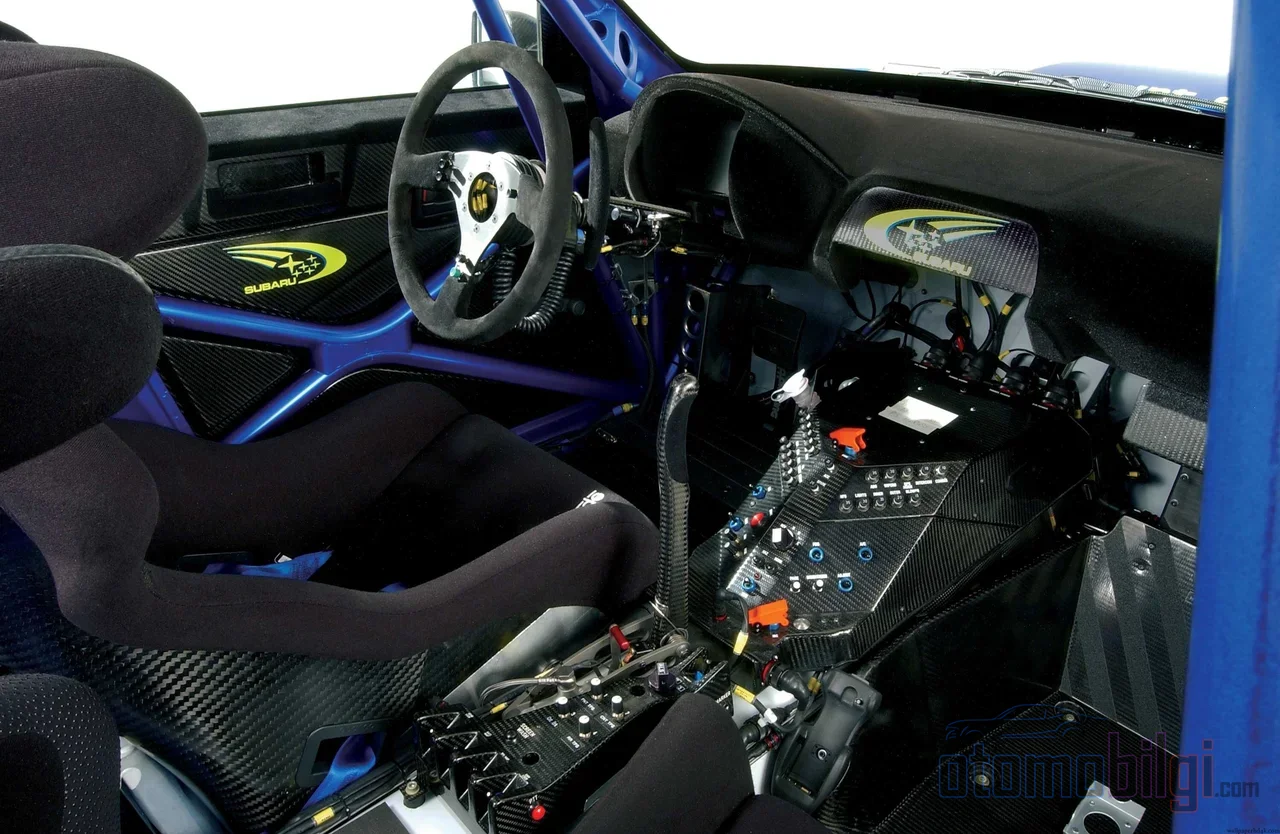
Have you ever thought this while watching rally: The pilot dives into a corner and suddenly swings the arm toward a pillar. Whatever that arm is, it's the thing in action during the most theatrical moments of rally. Yes, I'm talking about the handbrake, but don't assume it's that pointless lever you saw in your mom's car. The handbrake in a rally car is a completely different beast, and on this page we'll talk about what it does, how it's connected, and how it spins the car through hairpins. If you're ready, let's pull the lever.
What's the Difference Between It and the Handbrake in a Road Car?
First, let's set our habits aside. In a normal car, the handbrake is technically a secondary system: it's usually connected to the rear wheels only via a cable, and its single job is to keep the car in place while parked. So when you pull that lever, what happens is that the rear braking mechanism is clamped by cable tension. It's a simple, mechanical setup, separate from the hydraulic main braking system.
In a rally car, things are completely different. Here the handbrake is called a hydraulic handbrake and is connected in series to the hydraulic circuit of the main braking system, in the middle of the line leading to the rear brakes. When the lever is pulled, the brake fluid sends pressure directly to the rear calipers, affecting only the rear, independent of the main brake pedal. So instead of the cable and locking mechanism of a road car, we're dealing with a real braking system that works with brake fluid. One exists to hold the car, the other to rotate it.
Key Takeaways
- In rally cars, the handbrake is connected hydraulically in series only to the rear brake line.
- Its main task is to lock the rear axle in tight hairpin corners and initiate the car's rotation.
- The handbrake in a road car is cable-operated and mechanical; it's designed only to keep the car in place.
- The handbrake turn is a low-speed technique; it's used not in every corner, but in corners that are genuinely tight.
- In Rally1 cars, brake discs are 300 mm on gravel and 370 mm on tarmac.
How Does the Hydraulic Connection Work?
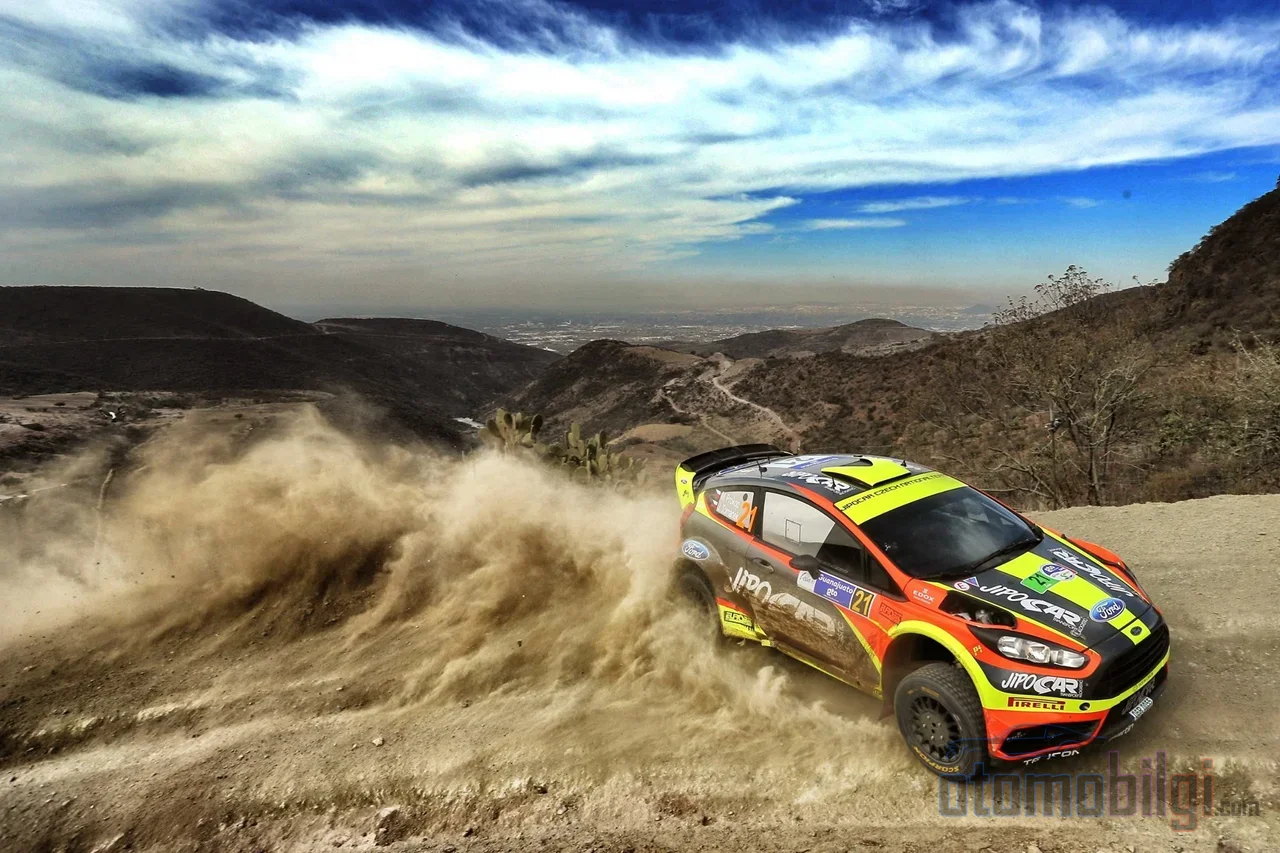
Now let's do a bit of engineering, but don't worry, I'll explain it step by step. When you press the main brake pedal, hydraulic pressure is distributed to both the front and rear lines. The hydraulic handbrake taps into the rear leg of this story: the two rear brake lines are joined with a T fitting, then comes a pressure balancing (bias) valve, then the handbrake cylinder, and with another T the line splits to both sides. The moment the pilot pulls the lever, this cylinder kicks in and applies pressure directly to the rear line.
The beauty of this arrangement is this: the system works independently of the main brake circuit but uses the same hydraulic fluid and the same rear calipers. The handbrake can lock the rear whether the pedal is pressed or not. The same logic applies in the world of drifting and rallycross; in every motorsport discipline that wants controlled rotation, this setup is a critical tool.
The Hard Side of the Setup
On the other side of the coin is the practical part of the job: installing a hydraulic handbrake alone may not be enough to lock the rear wheels. It is a well-known fact that with stock rear pads and discs, this system fails to achieve the desired bite, and locking becomes difficult especially at high speeds. That's why in genuine rally setups, the selection of the rear brake components is considered together with the handbrake arrangement. In other words, that lever is not a magic wand on its own; it is a part that derives its meaning from the harmonious operation of the entire rear braking system.
How Does the Handbrake Turn the Car in Hairpins?
Here is where the heart of the page beats. Suppose there is a massive hairpin corner on a rally special stage: a turn of nearly 180 degrees with no maneuvering room ahead of it. Try to take that corner by turning the steering wheel, and most of the time the front tires lose grip and the car keeps going straight. It is exactly at this point that the driver pulls the handbrake.
The logic is this: the rear wheels suddenly lock and begin to slide. The sliding rear axle pulls the car's nose toward the inside of the corner; technically speaking, the handbrake briefly alters the rear axle's grip, helping the car rotate. The car turns on a tighter arc than normal cornering technique would allow. Thus the driver completes the corner without overloading the front brakes, without making unnecessarily large steering angles, and most importantly, without giving up speed. On narrow stages where space is limited, this means seconds.
The Handbrake Turn Step by Step
So how is this technique applied? The classic handbrake turn works with this logic:
- You approach the corner at low speed and position the car from the outside toward the inside.
- When you reach the turn-in point, you turn the steering wheel into the corner.
- You pull the handbrake with a short and decisive motion, and wait for the rear axle to lock.
- When the rear end starts to slide and the car begins to rotate, you release the brake and bring the throttle into play with control.
There is a subtle detail here: the handbrake's job is to initiate the first rotation at the start of the turn. It is pulled while the steering is in an almost straight position; holding the lever deep into the corner after the car has already started to rotate is not the correct technique. And remember, this is a low-speed maneuver. It is not used for long, sustained slides, but when a short and clean turn is needed at the end of the day.
How Is It Different from the Scandinavian Flick?
On the pages where we discussed driving techniques, we touched on the Scandinavian flick and left-foot braking. So the natural question is: if the flick also rotates the car, why is the handbrake needed? The answer lies in the fact that the two techniques solve different problems.
In the Scandinavian flick, the driver makes a sharp steering movement toward the outside of the corner, lifts off the throttle and brakes lightly; this weight transfer rotates the car outward. A technique that Scandinavian rally drivers developed out of necessity on snow-covered roads starting from the 1960s, it is frequently used on surfaces with low grip. Since the brakes of older rally cars were rather weak, the flick was also a way to slow the car down.
The handbrake, on the other hand, is called into action for a more specific job: genuinely narrow, tight hairpins. While the flick is a preparation technique dealing with weight transfer, the handbrake is a surgical intervention that directly locks the rear axle. The rule is roughly this: if the corner can be taken with a flick, use the flick; if not, use the handbrake. Moreover, on ice-cold extreme surfaces, experienced drivers can sometimes get through tight hairpins even without the handbrake; it is possible even with rear stabilizer settings and a clean speed choice. So the handbrake is not a mandatory rule, but one of the sharpest tools in the pilot's pocket.
The Handbrake's Backup Brake Role and Its Controversial Side
The story of the handbrake doesn't end with corners. There is an interesting view defended in amateur racing circles: it is thought that the real purpose of the hydraulic handbrake is not to take corners with a locked rear wheel, but to give the car a backup brake. When a problem occurs in the main brake system, the pilot at least has an independent hydraulic lever with which they can control the rear axle. Rally sources, however, emphasize that the function is primarily about rotation. The two don't actually exclude each other: the same lever can be both a cornering weapon and a lifebuoy at the moment of a crash.
If we look at the modern WRC side, the 2026 season is the final year of the current Rally1 technical regulations. This year the active center differential was completely removed, liquid-cooled brakes were banned, and rear brake cooling was improved with forced airflow via fans added underneath. According to Toyota's official 2026 brake data, the braking system works with 300 mm discs on gravel and 370 mm discs on asphalt. As for an official regulatory clause on the handbrake's Rally1 connection, nothing has yet been made public; the knowledge here is based on general rally hydraulic handbrake practices.
| Feature | Road Car Handbrake | Rally Hydraulic Handbrake | |
|---|---|---|---|
| Connection type | Cable, mechanical | Hydraulic, in series on the rear line | |
| Wheels affected | Rear only | Rear only | |
| Main task | Keeping the car parked | Locking the rear axle to achieve rotation | |
| Usage speed | Stopping and parking | Low-speed tight corners |
So in Summary, What Does the Handbrake Do in a Rally Car?
You've earned a short answer, here it is in plain terms: In rally cars, the handbrake is a lever connected hydraulically, independently of the main brake system, to the rear wheels only; its task is to lock the rear axle in tight hairpin corners where space is limited, making the car turn tighter than would be possible with normal cornering technique. So that lever doesn't stop the car, it rotates the car. And sometimes it is a backup that becomes a last breath at the very moment the entire brake system is screaming.
The next time you see a pilot swing their arm to that lever in a WRC video, you'll know what you're watching: not a cable parking brake, but a hydraulic rotation weapon. The hairpin comes, the lever is pulled, the rear axle slides, and the car curls into the corner as if pulled from its center. That is precisely one of rally's oldest and most elegant tricks.
Sources
- Hydraulic Handbrakes for Rally, Rallycross, and Drift Cars - Team O'Neil
- Hydraulic Handbrakes 101 - OnAllCylinders
- Hydraulic handbrake or cable handbrake? - House of Motorsport
- How to Do a Handbrake Turn - DrivingFast.net
- Scandinavian flick - Wikipedia
- WRC Rally Car Handbrake: Tight Corner Technique
- 2026 WRC Car Details - Toyota GAZOO Racing
- 2026 Rally1/Rally2 Technical Innovations - WRCWings