How Does the Hybrid System Work in Rally1 Cars?
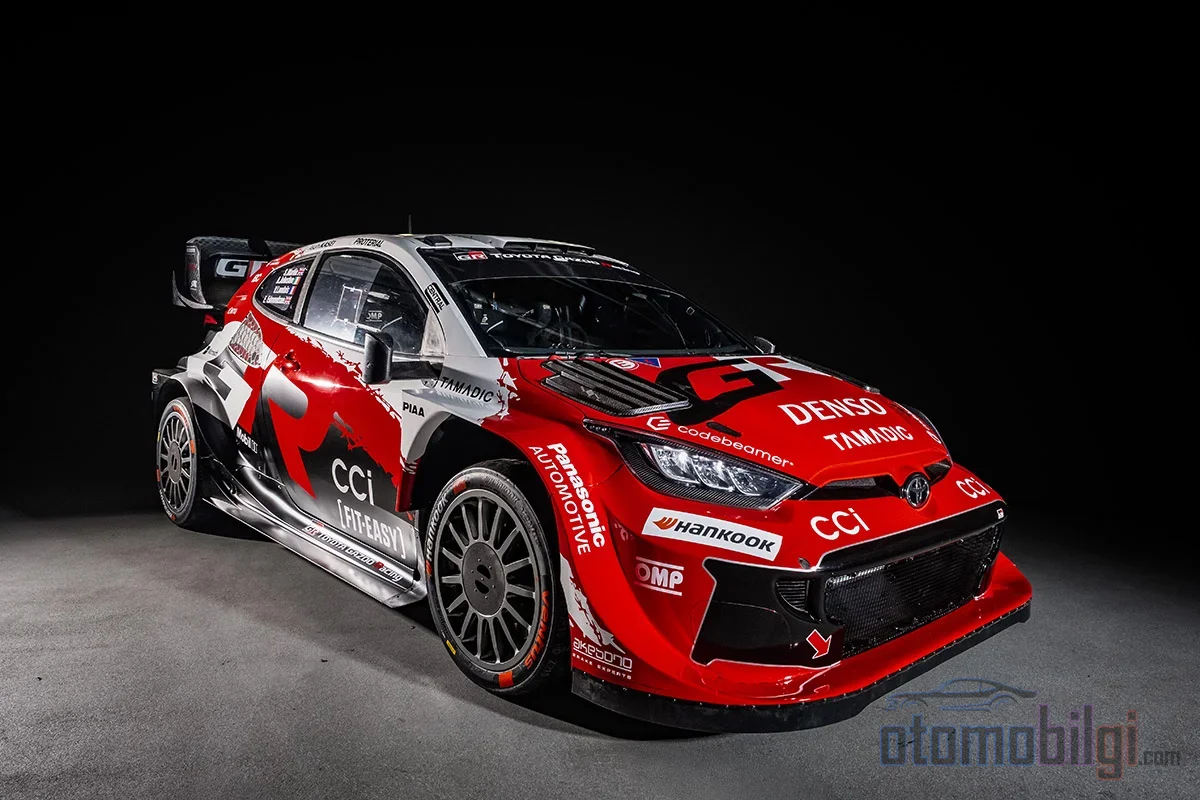
Say it's the first day of the 2022 season. Over the gravel, alongside that familiar 1.6 turbo sound, a completely different whine suddenly joins in. This sport, which had been under the monopoly of internal combustion engines throughout rally history, had switched to hybrid overnight. So what exactly was that battery, that motor-generator, that 750-volt battery doing in all that dust and smoke? In short: How did the hybrid system in Rally1 cars work? The answer is both smarter and more limited than you might think; and it was tightly bound to the decisions drivers made at the wheel.
Let's start with an honest reminder, because this is the most commonly misunderstood part: the hybrid Rally1 era began in 2022 and ended at the close of the 2024 season. With its decision in November 2024, the FIA paused the use of plug-in hybrids for 2025; in 2026, the cars on the stage are running without hybrids, on 1.6-liter turbo engines driving all four wheels. So this page tells the three-season story of the hybrid experience in rally's top class. And believe us, those three seasons are an engineering lesson in their own right.
What did the Rally1 hybrid system consist of?
The system's architecture was actually surprisingly simple. The unit working in cars from completely different teams like Toyota, Hyundai and M-Sport Ford was the same: a common hybrid package supplied by Compact Dynamics, paired with a battery signed by Kreisel Electric. So there was no inter-team competition on the hybrid side; everyone was playing with the same equipment.
The package had three main parts. First, the carryover 1.6-liter direct-injection turbo gasoline engine; producing about 386 PS, this engine was carried over from the old World Rally Car formula. Second, the battery installed in the car, with a 3.9 kWh capacity, operating at up to 750 volts. Third, the motor-generator unit (MGU) that converts power into electricity and electricity into power. All this setup added 84 kg to the car's gross weight; for rallying, a serious mass, in a word.
It's normal to flinch when you hear "750 volts". That's why Rally1 cars were required to carry a white HY marking on a red background on their door panels, and all crews had to carry high-voltage gloves. The electric motor was positioned on the rear axle, and while hybrid power was active, it was applied to all four wheels at once. When the internal combustion engine and the electric motor combined, total power rose above 500 PS and total torque above 500 Nm.
Highlights
- Hybrid support: 100 kW (about 134 hp) of extra power and 180 Nm of extra torque
- Battery: 3.9 kWh, up to 750 volts, supplied by Kreisel Electric
- The system's weight penalty: 84 kg
- Service life in hybrid Rally1: Three seasons, 2022-2024
- From 2025 onward, cars race without hybrids, with the 1.6 turbo
What does the 100 kW boost mean in the field?
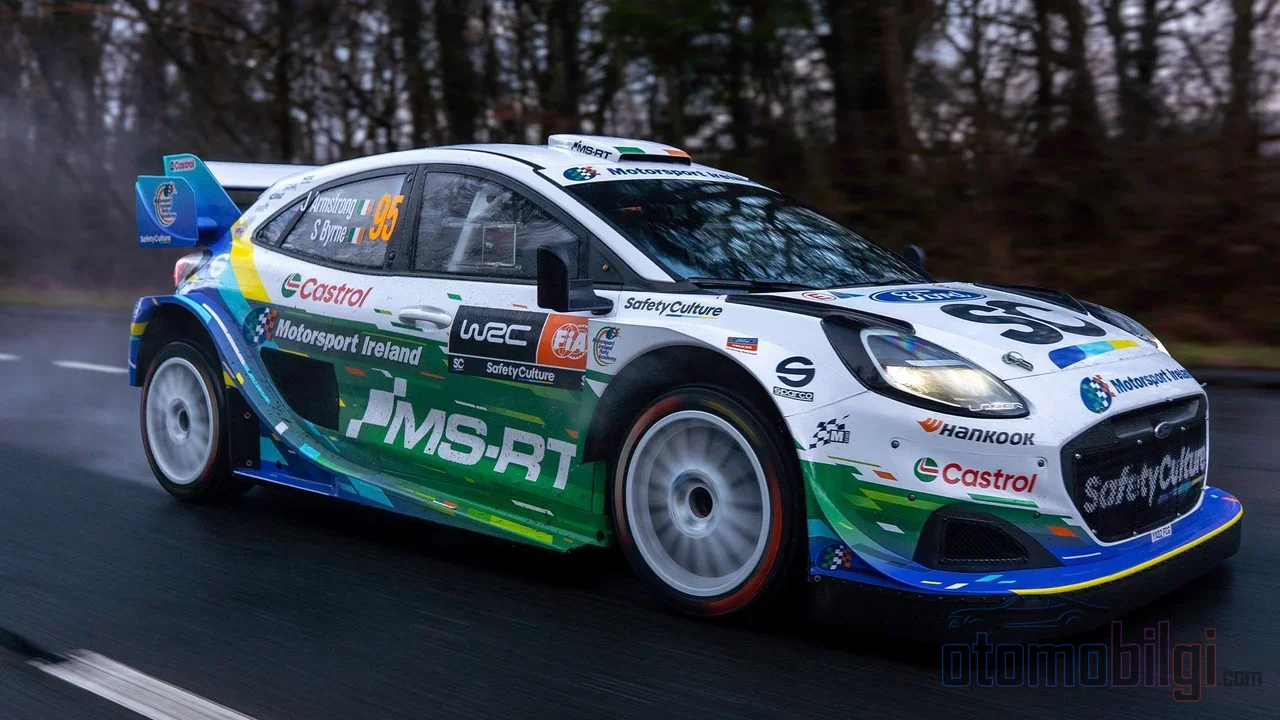
At the moment of acceleration, the electric motor could deliver 100 kW, meaning about 134 hp of extra power and 180 Nm of extra torque. Let's think about this with an analogy from everyday life: extra propulsion equal to the entire output of a normal hatchback was layered onto the engine, as if a button had been pressed. Whether exiting a gravel corner or on straights on asphalt, this difference meant shaving off seconds.
But here's the key point: this power was not under the driver's fingertips at all times. The system was limited by energy; the amount of electrical energy the pilot could spend on a stage was restricted by regulation and by the length of the stage. You can think of it like a turbo engine's fuel tank, but this tank is much smaller and measured separately for each stage.
How did pilots use the hybrid power during a stage?
Here is the most interesting part of the story. The scene that comes to most people's minds, the pilot pressing a button in a corner exit and getting boost whenever he wants, did not actually exist. The use of the hybrid system within a stage was largely pre-programmed.
Before the stage: the choice is yours, but only three times
Before entering a special stage, the pilot and co-driver chose between three different deploy (usage) and three different regeneration (recovery) options. It was pre-programmed into the ECU in which sections of the stage hybrid assistance would be allowed. After the stage started, the pilot could not decide exactly when the electric boost would kick in. So the strategy was not worked out corner by corner, but shortly before the stage began, in a calm place like a car park, calculated in the head.
During the day: start with a full battery, spend it wisely
The day's strategy was energy-based. Teams started the day with a fully charged battery, recovered a certain amount of energy during braking within the stage, and did not spend more than they recovered. As the brakes heated up, kinetic energy was converted back into the battery; and when the button was pressed, this reserve turned into acceleration support. A certain number of deploys were valid per lap, and all the mapping was set so that the day would start with full energy.
The system also had a hidden hero role: at points the organizer marked in the road book as 100% electric zones, the car progressed completely silently, on electricity alone, on the liaison stages. A silent Rally1 passing through a town was both a requirement of the regulations and added a brand new visual to rallying.
Hybrid maintenance in the service park
For this system to survive, the routine in the service park also changed. The battery was plugged in every morning to be brought to full charge, and replenished with an external power source at every service interval. The service structures were also subject to strict rules: 15 minutes in the morning, 30 minutes during the day, 45 minutes at night. After the night service, the car entered Parc Fermé and no one could touch it until morning. So alongside the break ritual we miss in rallying, the hybrid era added the silent ceremony of plug and socket.
Why was hybrid Rally1 abandoned?
The system that arrived with great hopes in 2022 disappeared into history after three seasons. The FIA paused the use of plug-in hybrids for 2025 with a decision by the World Motor Sport Council in November 2024. The reasons were clear: to reduce costs, simplify maintenance, and make the cars lighter and more driveable. Another factor behind the decision was that teams found the repair cost of damaged hybrid units far too high. The use of 100% sustainable fuel was preserved; in other words, the sustainability goal was not abandoned, only the path changed.
The numbers also tell this transformation story. The minimum weight was brought down from 1260 kg to 1180 kg, and the air restrictor was reduced from 36 mm to 35 mm, preserving the old power-to-weight balance. So did the non-hybrid cars become boring? The 2024 Poland Rally had already tested the answer to this question with ballast: Mārtiņš Sesks, driving a car carrying balance weight in place of the hybrid unit, finished four stages inside the top three and spent three stages in second place. In other words, the notion that a non-hybrid formula could not be competitive did not hold up on the field.
So, in short, how did the Rally1 hybrid system work?
Let's recap: Rally1's hybrid system was a shared unit that added 100 kW and 180 Nm to the 1.6-liter turbo engine during acceleration, recovered energy from braking, was powered by a 3.9 kWh 750-volt battery, and was managed with a fully pre-programmed energy budget. The driver could not press the button whenever they wanted; the deploy and regeneration modes chosen before the stage, combined with the principle of starting each day with a full battery, defined the rally strategy of the hybrid era. At the cost of 84 kg of added weight, the system pushed total power beyond 500 PS, made the cars fully electric on link stages, and retired at the end of 2024 on cost grounds.
So what about now? For 2026, Toyota is continuing with the non-hybrid 1.6 turbo formula that has essentially remained unchanged since 2024. Under the new technical regulations approved for 2027, the cost cap drops to 345 thousand euros, the sustainable-fueled 1.6 turbo engine will produce around 290 hp, and the door remains open to hybrid or fully electric solutions in the future. Rally has completed its three-season fling with electricity; now the question is how much of that experience will one day return. What do you think - was the hybrid Rally1 an idea that came at the right time, or was it too early?
Sources
- WRC - Rally1 spectacle maintained following technical changes
- Rally1
- GR Yaris Rally1: geared for sustainable motorsport - Toyota Australia
- All About The WRC Rally 1 Cars - Hyundai Motor Group
- How the WRC's hybrid boost will work - DirtFish
- Car Details 2026 - Toyota GAZOO Racing
- WRC27 Technical Regulations confirm a dynamic, flexible future