How Is Technical Inspection Conducted in WEC?
Having the fastest car on a race weekend is not enough; that car must also match the drawings on paper down to the millimeter. In the World Endurance Championship, i.e. the FIA WEC, the first official task of every event is this: technical inspection, namely scrutineering. So what exactly do the inspectors look at when they face a Hypercar? What is measured at scrutineering, how are the fuel sensors verified, and what happens if the rules are broken? Let's take a look step by step.
What Is Scrutineering and Why Is It the First Step of Every Race?
Let me explain briefly: scrutineering is the official process in which the race car and the driver's safety equipment are checked for compliance with the technical regulations. In the WEC, this check is the first step of the weekend; no car can take to the track before passing inspection, and every single car is checked. The inspectors are called scrutineers in English, and the FIA has a full-time technical inspection team for the championship; the team is on duty at every stage, from pre-race safety checks to post-race final inspections.
The FIA thinks of the inspection in three stages: pre-event, in-race and post-race. The purpose is very clear: to ensure that every car racing on the grid complies with the same technical and safety regulations. Imagine if one car raced with a wider wing and another with a lighter car - what would that mean? So that none of this effort goes to waste, the inspection desk is set up from day one.
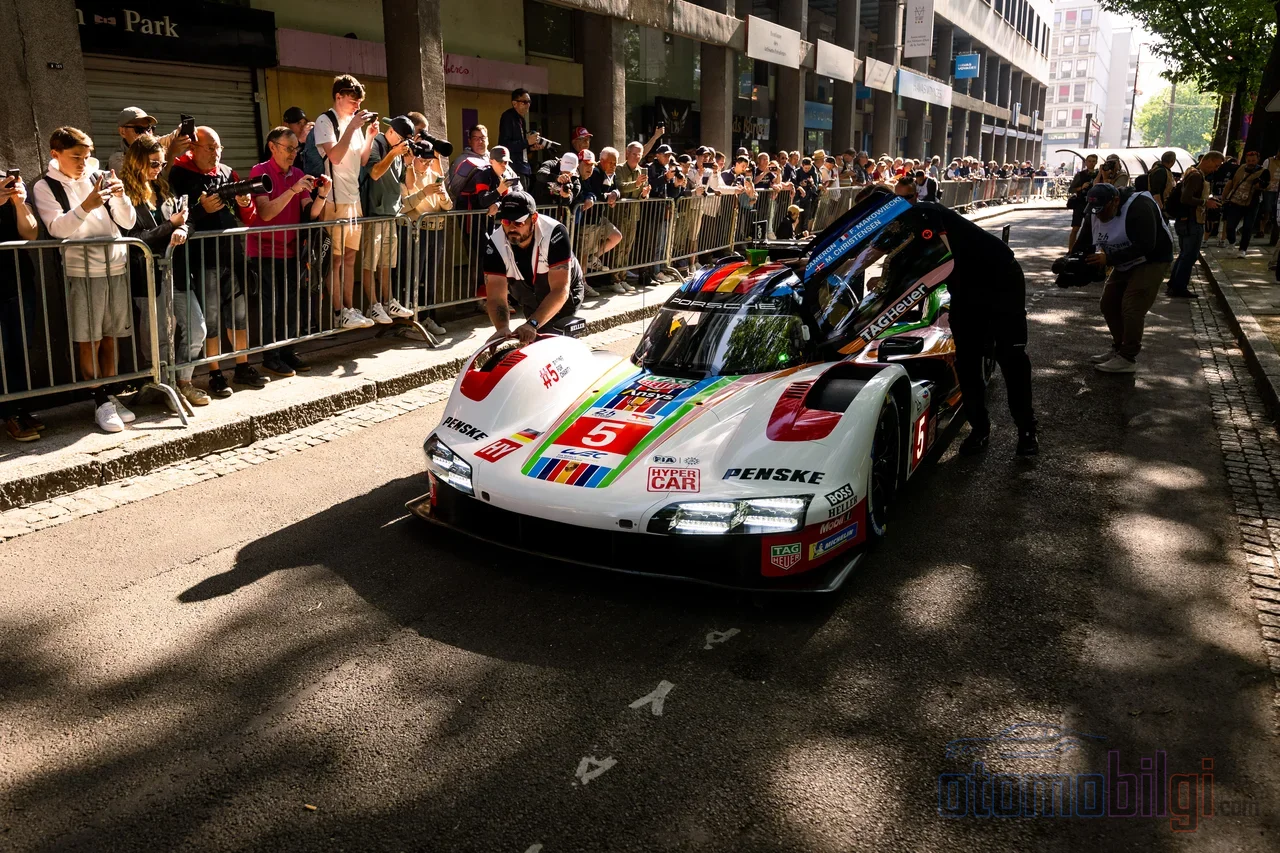
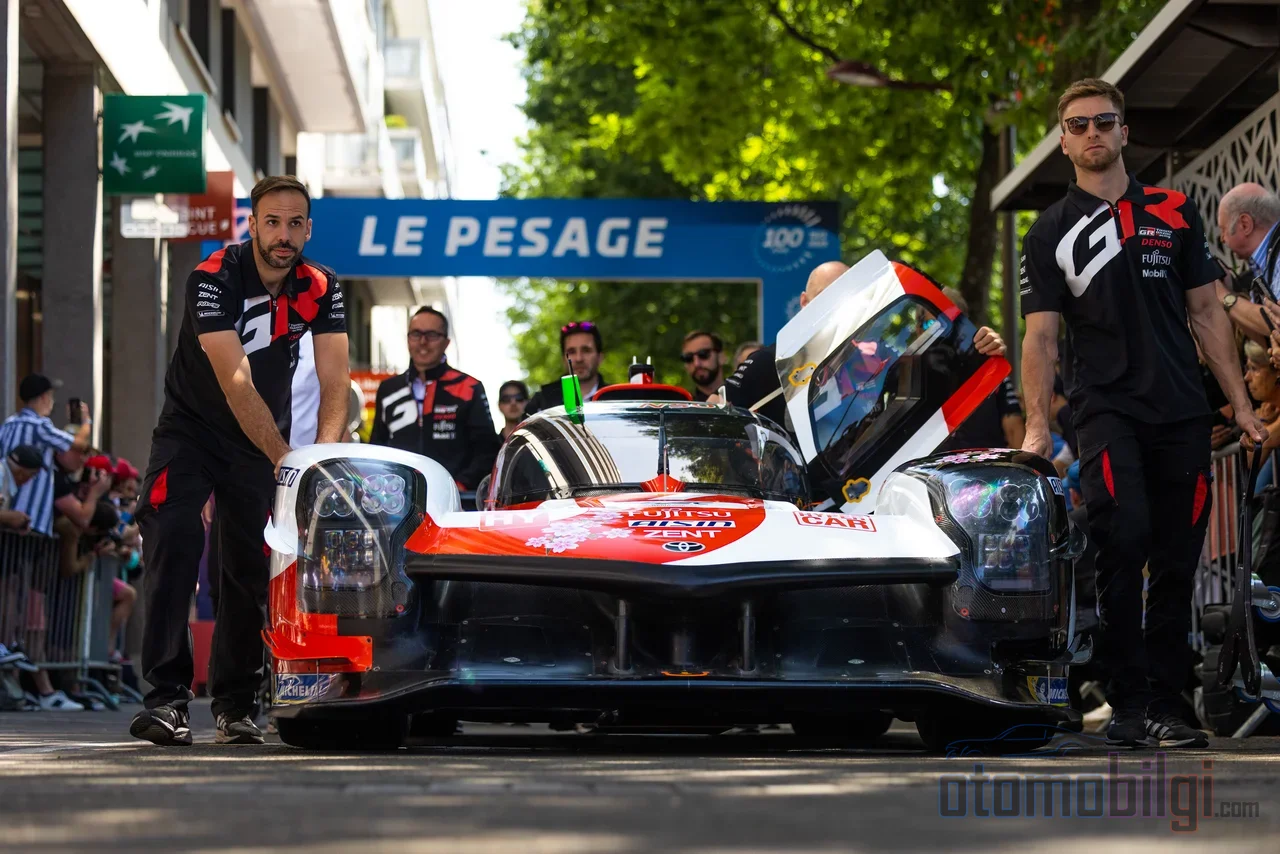
There is also an enjoyable side to this process: at many races, scrutineering is open to fans. At the 24 Hours of Le Mans, the inspection is traditionally held in the city center, in public spaces such as Place de la République. That was the case in 2026 as well; the LMGT3, Hypercar and LMP2 cars were inspected in front of the public, and the week began on an optimistic note as the teams, including championship leader BMW, passed inspection. At some race weekends, however, the procedures take place at the track and the checks also apply to the test day.
The Lasers That Scan the Car in 3D: How Are the Dimension Checks Carried Out?
Whereas inspectors used to work with templates and measuring tapes, they now use a far more powerful tool: 3D scanners. According to the WEC's own description, inspectors can scan the car's surfaces and reproduce them digitally, checking critical dimensions such as the wheelbase. This is like comparing a garment against its sewing pattern: the car's body must fit the reference dimensions in the homologation file exactly. Checking that the aerodynamic surfaces also comply with these references is part of the inspection.
So where do these references come from? This is where homologation comes into play. Homologation means the approval that a car's specification complies with the technical regulations of its class, and it also includes verification of the safety features. In the Hypercar class, this approval is a serious engineering marathon: the cars are measured in the wind tunnel, the body is scanned, and engine performance is measured. In other words, every Hypercar you see in a race has already passed an exam beyond the track.
The future of the class is also tied to this system: From 2030 onwards, a single technical platform was announced for Hypercar, homologation will be valid for at least five years, and performance evolutions not directly related to reliability will not be allowed. It was also announced that the current Hypercar homologation cycle has been extended until 2029. The Hypercar and LMGT3 technical regulations for the 2027 season have already been published. In other words, the measurement templates are shaping not just today, but the years to come.
Highlights
- In the WEC, every car must undergo technical inspection before taking to the track; the FIA has a full-time inspection team.
- Inspectors use 3D scanners to reproduce the car's surfaces and check measurements such as wheelbase.
- For drivers, an annual minimum balance rule of an average of 80 kg applies.
- Power level is adjusted by the size of the air restrictor; fuel flow meters monitor the average flow.
- Penalties can range from a warning to a time penalty, from stop-and-go to disqualification.
What Is Measured on the Scales? Weight and Driver Balance
The most well-known moment of technical inspection is the car driving onto the weighbridge platform. But just a single number is not read there; numerous measurements such as weight distribution, car dimensions, and tire pressure are taken at the same time. At Le Mans, the rules specify a minimum weight for the empty car, and since drivers remain in the car as they drive up the ramp, this is taken into account during inspection. In other words, the scales are concerned not only with the car, but with everything on it.
My favorite part of the whole business is the driver side: In the WEC, a balance system applies to drivers, based on an average minimum of 80 kg per driver in a given year. The aim is to prevent larger-built drivers from being at a disadvantage for their teams. Just imagine: the weight difference between a two-meter-tall driver and a lighter colleague would be a natural handicap. This rule ensures that the race speaks of the driver's talent, not their girth. A trace of this balance can also be seen in the FIA's penalty system: in some violations, the minimum sanction is an increase in the driver balance weight and, if applicable, the qualifying or Hyperpole weights.
BoP and Fuel Auditing: How Is a Level Playing Field Decided?
At the heart of the WEC lies a paradox: Hypercars and LMGT3 cars of very different designs compete in the same race with the same chance of winning. What makes this possible is the Balance of Performance, or BoP: a series of technical adjustments applied to equalize the cars. The BoP adjusts weight and power level, and can regulate the fuel amount and the fuel flow rate during pit stops. The practical way of adjusting power is elegant: changing the size of the air restrictor. Narrow the engine's air intake and power drops; widen it and power increases - like the diameter of a tap in everyday-life terms.
But where does the inspection come in? This is exactly where the measuring devices come into play. In the WEC, the fuel flow meter regulates the average flow rather than maximum instantaneous flow - unlike the practice in F1 - and the FIA sets a specific accuracy requirement for these measurements. Dual-meter use in reference systems also provides cross-validation and redundancy; thus the data flows without interruption. On the fuel side, there is another layer: at the request of the ACO and the FIA, the race fuel supplier performs more than 150 fuel compliance analyses in the garages, supporting the fair play of the sport.
The BoP itself is not some magic performed out of sight either. Adjustments are made using a methodology based on the correlation between simulations and track data. In recent years the process has been improved: the FIA and the ACO evaluate the BoP race by race in order to keep the Hypercars within an undisclosed performance window. When race data is insufficient, homologation data is used as the basis, and a rounding approach to fit the best car in the field is applied. This policy of "not disclosing the window" also sparks debate; but it also serves a purpose, such as preventing teams from gaming the data simply by seeing it. In other words, BoP data and technical inspection are, in fact, two faces of the same fairness mechanism.
Post-Race Inspections and the Price of Breaking the Rules
When the flag falls, the work is not over; quite the opposite, the most tense part of the inspection begins. After the race, technicians re-weigh the selected or prominent cars, compare the measurements against reference values, and verify that the BoP parameters have not been tampered with. The timing and depth of these checks were seriously debated among fans after a car was disqualified in the recent past; how comprehensive post-race inspections are has become one of the most wondered-about topics in endurance racing.
If a violation is detected, the penalty ladder is wide: a reprimand, a drive-through penalty, a stop-and-go, a post-race time penalty, and disqualification as the harshest step. The logic of the time penalty is simple: if a car finished with an unfair advantage, take that advantage back from it in seconds. Where exactly the line should be drawn between a post-race time penalty and disqualification for measurable violations like weight, however, is an ongoing debate in motorsport. In any case, the message is the same: the winning result must also pass through the inspection desk.
In short: How Exactly Does Technical Inspection Work in the WEC?
The summary I promised is here. Technical inspection in the WEC is an audit chain operating in three stages - pre-event, in-race, and post-race: before the cars take to the track, they are checked from their dimensions via 3D scanning to their compliance with homologation templates; weight, weight distribution, and tire pressure are measured on the scales, and the air restrictor size and fuel flow data that are part of the BoP are verified; after the race, the measurements are reviewed again, and violations result in penalties ranging from a reprimand to disqualification. In short, every car on the grid is scrutinized to ensure its honesty before its speed.
The way I see it, the most beautiful part of this process is that it is mostly invisible. A Hypercar goes through the wind tunnel, the scanner, and the scales before hitting the track for a week; as spectators, we only see the result, which is a fair race. Don't you find it impressive that these multi-million-euro machines stay faithful to the blueprint on paper down to the millimeter?
Sources
- What is Scrutineering? - FIA WEC
- Scrutineering - How It Works - FIA WEC
- What are EoT and BoP? - FIA WEC
- Single technical platform announced for Hypercar class from 2030 - FIA WEC
- Regulations - FIA WEC
- WEC: the science behind the latest BoP adjustment - FIA
- What is Balance of Performance? - ACO Newsroom
- The Hypercar category explained - 24 Heures du Mans
- Scrutineers' role during the race - 24 Heures du Mans
- Tech Explained: Fuel Flow Meters - Racecar Engineering