Why Does LMP2 Race Only at Le Mans in the WEC?
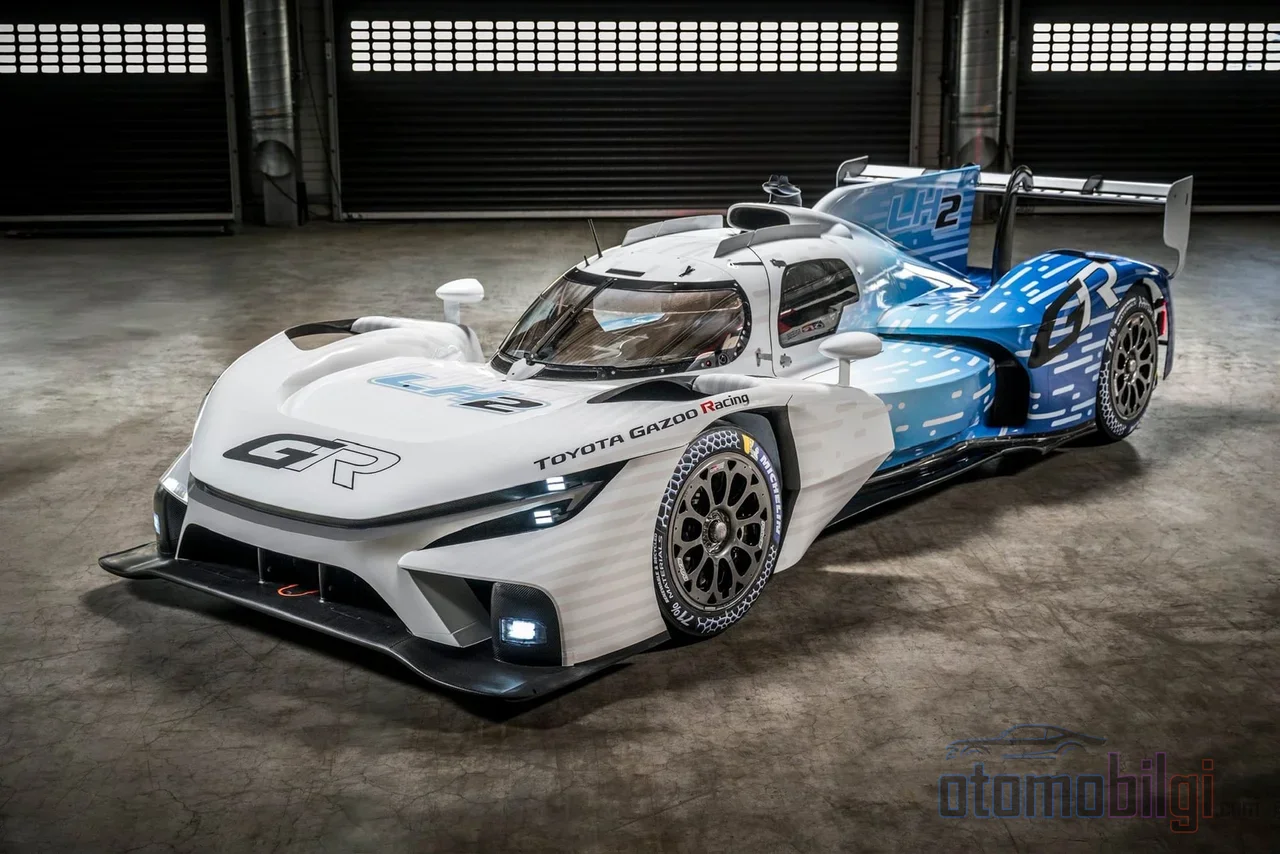
When the first race of the 2024 season starts, something looks odd in the paddock: there is not a single LMP2 car to be seen. That crowded prototype class, which for years was the backbone of the WEC and where both future stars and amateur drivers competed in the same chassis, was wiped from the calendar overnight. But the story does not end here. When June arrives, the same cars take to the track in force at Le Mans, the world's biggest race. So how does that happen? How and why does a class that is counted as "nonexistent" all year long come back during the most important week of the year? The answer is part of a much cleverer plan involving grid capacity, manufacturer money, and the pyramid of endurance racing.
When Was the Decision Made to Remove LMP2 from the WEC Calendar?
In mid-2023, the ACO and FIA announced that from the 2024 season onward, the World Endurance Championship would race with only two classes, Hypercar and LMGT3. In other words, LMP2 was removed from full-season entries. The official justification for the decision was not at all "the class is no longer good enough"; quite the opposite, it was the growing success of Hypercar. WEC CEO Frédéric Lequien explained that they had to make difficult decisions due to the growth of the Hypercar class, and that LMP2 had not disappeared entirely - it would continue to live on as the elite class of the European Le Mans Series (ELMS) and race at the 24 Hours of Le Mans.
The numbers tell this story very clearly. LMP2's full-season entries in the WEC totaled 98 across 6 rounds in 2022 and 92 across 7 rounds in 2023. In 2024 that figure dropped to 16, in 2025 to 17, and in 2026 to 19, and all of the last three figures cover just a single event per year, namely Le Mans. The class did not withdraw from the WEC; full-season participation was compressed into Le Mans.
Key Highlights
- LMP2 was removed from the WEC's full-season entries as of the 2024 season; the championship dropped to two classes with Hypercar and LMGT3.
- The ACO reserves at least 15 slots for invites for LMP2 on the Le Mans grid.
- The 2026 Le Mans grid had 62 cars: 18 Hypercar, 19 LMP2, 25 LMGT3.
- In LMP2, everyone uses the same technology: the Oreca 07 chassis and the Gibson 4.2L V8 engine.
- Victory in the 2026 Le Mans LMP2 class went to the No. 43 car of Inter Europol Competition; the team's third class win in four years.
No Room Left on the Grid: The Reality of Field Size
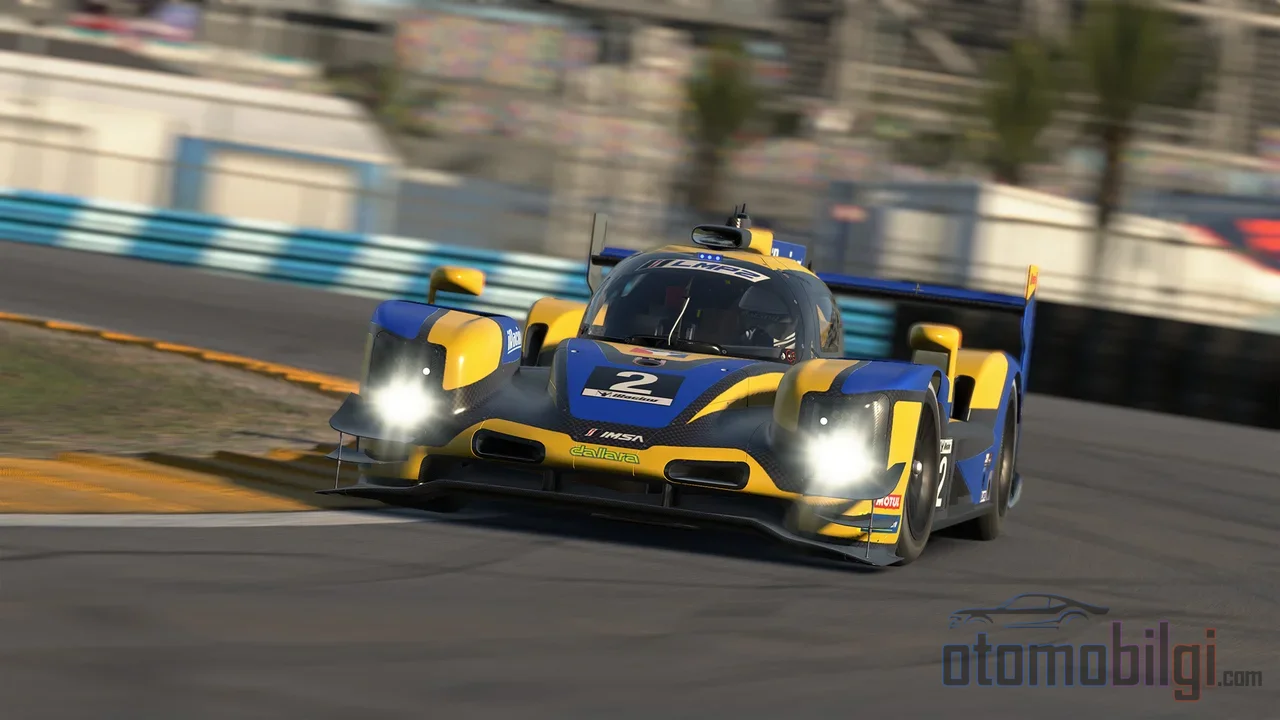
The most concrete reason is simple: there is a physical limit on the tracks. On most circuits of a WEC round, the grid is limited to roughly 36-40 cars. Think of it like a school corridor; the width of the corridor is fixed, but the number of students wanting to enter the classroom keeps growing. Someone will be left outside. Between 2022 and 2024, Hypercar manufacturer entries nearly doubled: to Toyota and Peugeot were added Ferrari, Porsche, Cadillac, BMW, Alpine, Lamborghini, and Isotta Fraschini. In the same period, LMGT3 replaced LMGTE Am, bringing nine GT manufacturers.
This is where the math breaks down: three classes did not fit within the capacity of most circuits. The championship had two options, and commercial reality made the choice. With Hypercars carrying factory budgets from dozens of manufacturers and LMGT3 arriving through customer programs from nine brands, LMP2 was worth more than a customer prototype class without manufacturer money. The result: a two-class structure, the simplest form the championship has had since 2012.
Why Is Le Mans an Exception?
Because the 24 Hours of Le Mans is not an ordinary WEC round. The layout of the Circuit de la Sarthe and the structure of the event can accommodate a 62-car grid; at the 2026 race there were 18 Hypercars, 19 LMP2s and 25 LMGT3s on the field, with 9 cars waiting on the reserve list, five of which were associated with LMP2. The ACO committed to keeping at least 15 slots open for LMP2 on the Le Mans grid from 2024 onward, and those places were reserved for invitees from series such as the ELMS. So at Le Mans, LMP2 is not a "guest player" but a guaranteed core contingent.
Where Do the LMP2 Cars at Le Mans Come From?
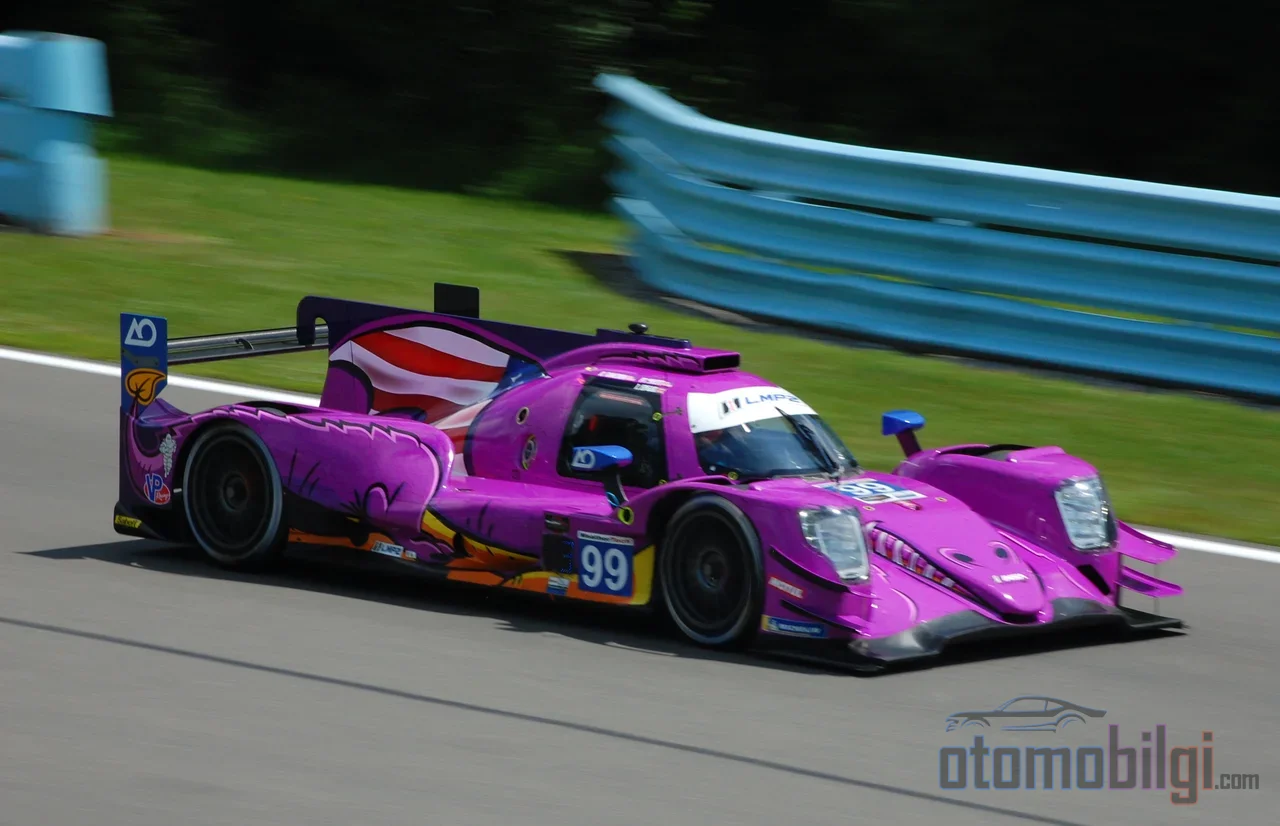
The answer is the automatic invitation system. Channels such as the ELMS LMP2 first and second finishers, the ELMS LMP2 Pro-Am winner, the Asian Le Mans Series (ALMS) LMP2 champion and IMSA's Jim Trueman Award given to bronze drivers open the Le Mans door for teams. The strategic alliance between IMSA and the ACO was extended through 2032, and each year it provides three automatic invitations for IMSA competitors.
The result is healthy: the 2026 Le Mans LMP2 field reached 19 entries, the largest grid since 2023, and the vast majority of these cars came from teams racing full seasons in the ELMS. The 2026 ELMS season is also racing with the largest grid in its history, 47 cars: 11 LMP2, 12 LMP2 Pro/Am, 10 LMP3 and 14 LMGT3. So far from dying, the class is more crowded than it has ever been in its own ecosystem.
The Door for Bronze Drivers: LMP2's Hidden Mission
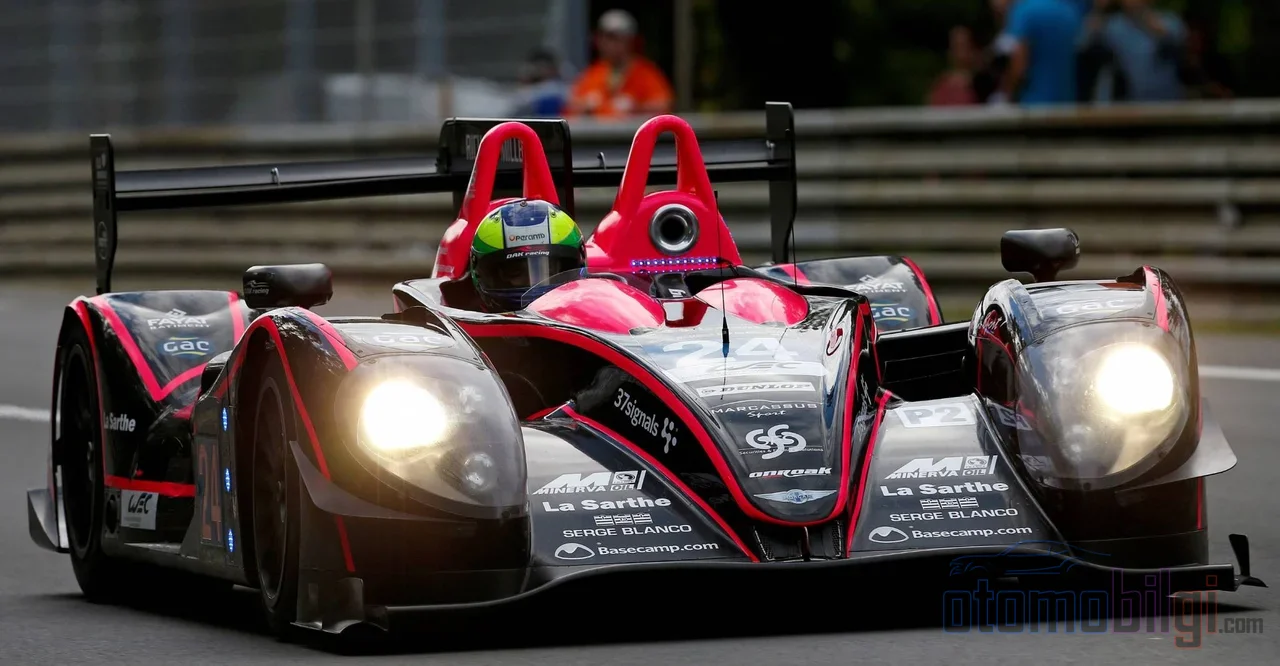
To see LMP2 only as fast cars would be to miss half the story. The class's real trump card is being the gateway to endurance racing. The class's Pro/Am cup was established in 2021 and is open to crews that include at least one driver in the FIA Bronze category. Think of it like football's amateur league system: an investor-driver who dreams of Le Mans but does not have a Hypercar budget in his pocket can enter that dream through LMP2 Pro/Am instead of hiring an entirely professional crew. The class is also a living structure in that silver and bronze drivers share the same car with professionals and it serves as a proving ground for the Hypercar drivers of the future.
In November 2026, the ACO and LMEM clarified the names of this structure as well: the existing LMP2 category at Le Mans and in the ELMS is now called "LMP2 Pro", while the "Pro/Am" suffix indicates the requirement of at least one bronze driver in the crew, and the "Pro" suffix designates fully professional categories. Of the 19 cars at the 2026 Le Mans, roughly 9-10 were eligible for Pro-Am crews; the exact number can fluctuate by one car depending on the entry list and crew details.
The Debate: Is the Car Too Fast?
Nobody disputes that the door is this important, but the criticisms are not absent either. A group of drivers describes LMP2's loss from the WEC as a great shame. Filipe Albuquerque explains that the LMP2 cars were so fast that they were forced to be artificially slowed down by the rules in order to maintain the performance gap between them and the new-generation LMH and LMDh vehicles. Another debate centers on the bronze drivers: the cars' high speed and the physical fitness it demands are keeping some amateurs away from the class; suggestions were voiced to reduce the power and make the cars easier for bronze drivers. On the other side, WEC circles argue that the two-class structure promises closer racing with a high car count in each class. ORECA's founder Hugues de Chaunac sees this transition as the natural outcome of the Hypercar and LMDh era.
One Chassis, One Engine: A World Without BoP
LMP2's technical formula also holds an important place in this story, because the class is essentially a "spec series": a single-type Oreca 07 chassis, a single-type Gibson 4.2-liter V8 engine, no hybrid and no Balance of Performance. Nobody is chasing an engineering advantage; the winner is decided not by the car, but by the team and drivers. At Sarthe, LMP2 lap times hover around 3:30; Hypercar, with lap times of around 3:25, sits slightly above the class. This production model had been limited to four licensed chassis manufacturers since 2017: ORECA, Ligier, Dallara and Multimatic/Riley. In other words, since teams race with the same equipment, costs also remain predictable; the class was designed from the start as a much lower-cost entry platform compared to LMP1.
| Topic | Status |
|---|---|
| Chassis | Single-type Oreca 07 |
| Engine | Gibson 4.2L V8 |
| Hybrid / BoP | No / No |
| Sarthe lap time | Around 3:30 |
| Hypercar lap time | Around 3:25 |
| 2026 Le Mans LMP2 grid | 19 cars |
The 2026 Le Mans once again demonstrated the strength of this formula: the class victory went to Inter Europol Competition's No. 43 Oreca 07; with Tom Dillmann, Jakub Śmiechowski and Nick Yelloly sharing the car, the team won its third LMP2 victory in four years. In the Pro-Am side, the victory belonged to CrowdStrike Racing by APR. The overall win of the same race went to Toyota's No. 7 car, and Ferrari's three-year winning streak came to an end.
So, Will LMP2 Return to the WEC?
Let's save the short answer for the end, because all the pieces are now on the table: The reason LMP2 was removed from the WEC is not failure, but the lack of grid space and the championship's preference for the manufacturer-backed Hypercar-LMGT3 duo; Le Mans, thanks to its exceptional 62-car capacity, hosts the class as an invited guest every year. This structure is not an accident, but a deliberate pyramid design: Hypercar at the top, LMP2 in the middle tier (ELMS, IMSA, Asian Le Mans Series and Le Mans), and LMGT3 forming the wide base on the GT side.
Three practical prerequisites are counted for a full-season WEC return: a decrease in Hypercar entries, larger grids, or a calendar that can accommodate more cars. None of these seem close today; the two-class identity became fully established. The new-generation LMP2 regulations were repeatedly postponed, pushed to 2027, and the homologation of the current cars was extended. One of the reasons for the delay was the projected number of cars in the top class. So the picture is clear for the next few years: LMP2 will not be in WEC's race weekends, but every June it will be on the field in Le Mans' massive 62-car grid with more than 15 slots, with the dreams of bronze drivers, and as the middle rung of the ladder leading to Hypercar. This is exactly the difference between a class dying and a class being given a permanent guest spot.