Battling Heat and Fatigue in the WEC Cockpit
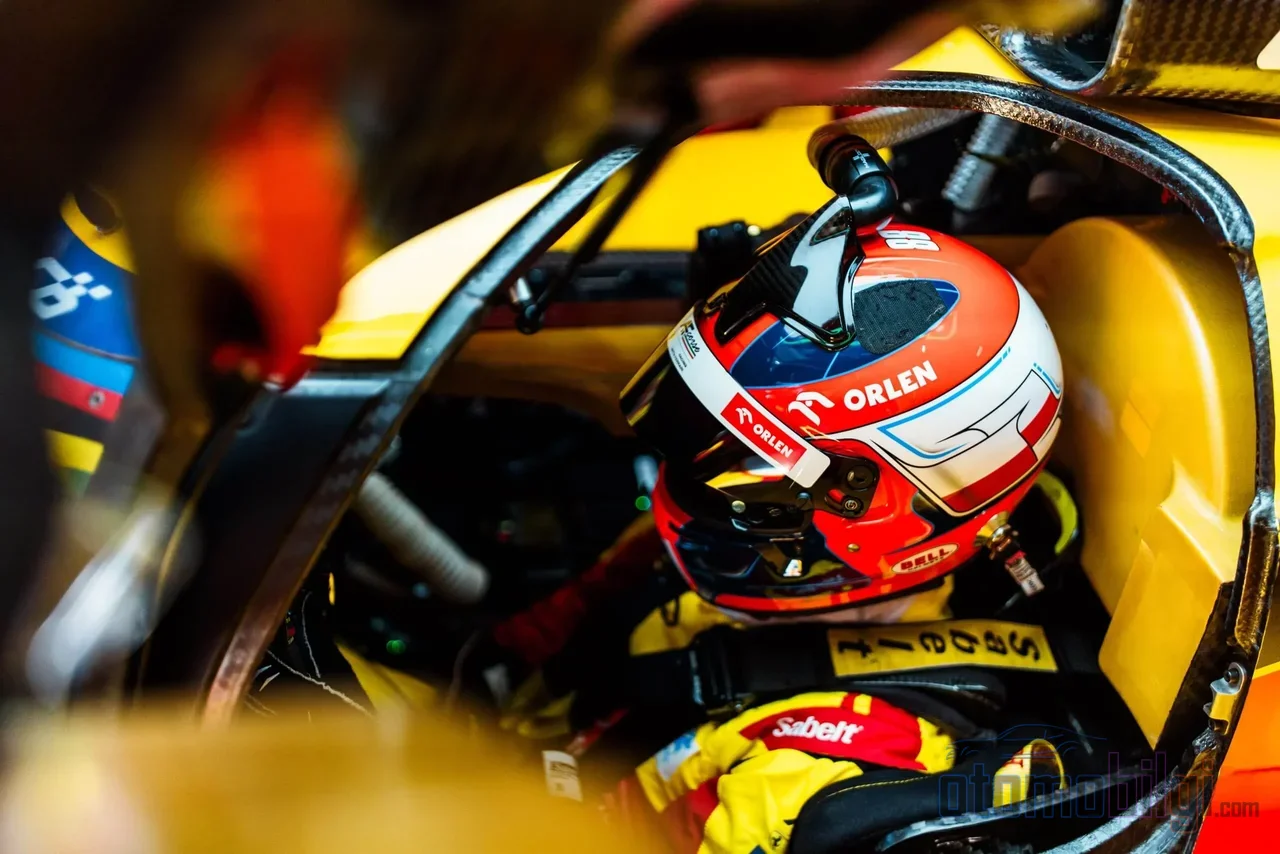
Say you set off on a six-hour bus journey; the air conditioning is broken, the window won't open, and there's a constantly running heater on the seat next to you. Pretty bad, right? Now imagine the same scenario at 300 km/h, among cars just meters apart, for hours on end. That's exactly what WEC drivers experience in every race - but they don't have time to complain, because they're in the middle of a 24-hour battle at the same time. The most invisible front of endurance racing happens in the drivers' own bodies, before tires and fuel even come into play.
Cockpit temperature, dehydration, sleep disruption, muscle cramps... These are the realities of WEC that never make it onto a resume but make all the difference in every stint. In this article, we lay out the human-bodily dimension of endurance racing, from the battle against heat in the Hypercar and LMGT3 cockpits to the three-driver shift system. If you're ready, let's buckle up.
Why Does the Cockpit Turn Into an Oven?
From the outside, a race car looks like a gleaming marvel of technology. From the inside, though, it's a whole different story: in a closed cockpit, the driver is under siege from two sides at once - the heat radiated by the engine on one side, and the temperature of the track and the sun on the other. When the ambient temperature rises, the temperature inside the cockpit can climb dramatically; cockpit temperatures exceeding 50°C are reported in motorsport. Yes, you read that right: fifty degrees.
So what does that mean? For one thing, the body starts to heat up, and sweating becomes the only way to cool down. Sweating means losing fluids. In a closed-cockpit race car, drivers can lose 2.5 to 3 liters of fluid in a single stint - that is, the uninterrupted driving block they complete before pitting. According to general motorsport data, this means drivers can lose up to three percent of their body weight as fluid; losses reaching 3 kilograms in total over a single race have also been reported. Think about it: a 70-kilogram person finishing a race nearly a large bottle of water lighter.
Key Highlights
- WEC drivers can lose 2.5-3 liters of fluid in a single stint.
- If the ambient temperature exceeds 32°C, uninterrupted driving time in cars without air conditioning is limited to 80 minutes.
- At Le Mans, a single driver can spend no more than 14 hours total behind the wheel over 24 hours.
- Drivers are most prone to fatigue during the day between 14:00-16:00, and at night between 02:00-04:00.
What Does Dehydration Do in the Cockpit?
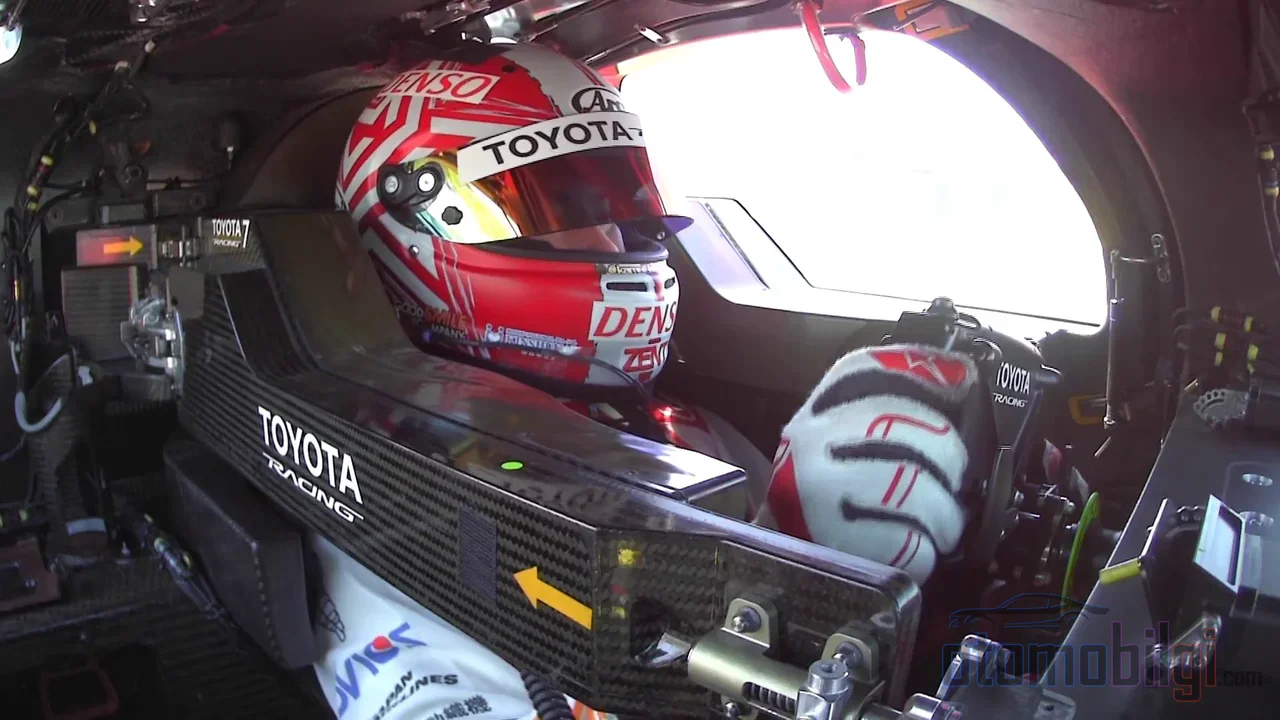
Fluid loss isn't just a matter of weight; it's a matter of performance, directly. Dehydration slows reaction times, impairs concentration and mental clarity, accelerates fatigue, and causes muscle cramps. In other words, everything a racing driver can never afford to accept. Without sufficient fluid intake, the heat stress in a closed race car can escalate to heat exhaustion or even the risk of heat stroke. Proper hydration, on the other hand, improves reaction time, focus, endurance and the body's ability to maintain thermal balance.
There is one point where we need to be honest: there are also scientific studies arguing that heat stress does not measurably reduce short-term driving performance. Another interesting finding shows that even if cockpit temperature drops during driving, heart rate, skin and core body temperature and thermal physiological stress can continue to rise. In other words, temperature alone does not tell the whole story; the body's internal accounting is more complex. But the answer to the question of what is left at the wheel at the end of a long stint is clear for most drivers: if you cannot manage fluid loss, you cannot manage the race.
The FIA's Heat Rule and Stint Limits
So how does the series management view this matter? In the WEC, every car has a crew of two or three drivers, and there are clear rules governing stint management. The most concrete example: according to FIA WEC rules, when the ambient temperature reaches 32°C and the car has no air conditioning, continuous driving time is limited to 80 minutes. In other words, hot weather directly interferes with race strategy; teams suddenly have to redraw their pit plans according to the heat.
And Le Mans-specific rules are no exception. At the 24 Hours of Le Mans, a driver cannot stay at the wheel for more than two hours continuously; while they rest during pit stops, a reserve driver takes over the car. Broadly speaking, shifts cannot exceed four hours within a six-hour window, and a single driver cannot drive the car for more than 14 hours in total over the race. At first glance these numbers may seem like plenty of opportunity to rest - but we will see shortly, in the night section, that this is not the case.
What Exactly Does "Stint" Mean?
In WEC terminology, a stint refers to the uninterrupted period a driver spends until entering the pits. Double and triple stints - that is, two or three consecutive driving blocks - are commonly used. meaning the driver can drink water (or an electrolyte drink) without pitting or taking their eyes off the track. each pit stop, a brief truce. It is impossible to understand endurance strategy without understanding this rhythm.
Cooling and Hydration Technology: The Invisible Heroes of the Cockpit
So what are teams and drivers doing against this furnace? The answer lies in tools we know from everyday life but adapted for racing. The most classic solution for fluid intake: a drinking system with a tube, without letting go of the wheel. Fluid is sent to the tube inside the driver's helmet with a simple hand pump; meaning the driver can drink water (or an electrolyte drink) without pitting and without taking their eyes off the track. You could liken it to your thermos - but this thermos works at 300 km/h.
The cooling side is even cooler. Micro-compressor systems that cool the drink capsule down to below 2°C are commercially available; the ideal coolant water temperature is kept in the 10-18°C range and protected by an electronic safety limit. Ice-free micro-climate coolers also create a small island of cool air inside the cockpit. So yes, mini refrigerator technology is touring around in race cars.
Here's an interesting comparison from a neighboring series: In Formula 1, after the 2024 Qatar Grand Prix, drivers suffering from dehydration and heat exhaustion required medical intervention, and the series introduced a mandatory driver cooling kit when a heat hazard is declared. From 2025 onward, cooling vests that pump cold water came into use; from 2026 onward, liquid-cooled garments became mandatory equipment at every event (activation is optional). On the WEC side, there is no clear rule for a similar mandatory vest - the main benchmark here is the 32°C / 80 minute rule we mentioned above.
Are Cooling Vests a Cure-All?
No, and this topic is quite controversial. In some tests, cases were reported where, after 60 minutes of use, the cooling vest actually increased rather than lowered the driver's core temperature; whether the vest is preferred or living with the extra half-kilo of weight is still a subject of debate in the garages. Technology isn't always a magical solution - sometimes the best solution is the simplest one.
The Three-Driver Shift System: The Backbone of Fatigue Management
Now let's move on to the strategic side of things. In the WEC, a car is shared by two or three drivers, and this shift system is the backbone of fatigue management. The logic is simple: no body can perform continuously forever, so the load is divided. In a three-driver crew, everyone drives shorter and fresher stints; the team behind the pit wall builds the driving plan, taking each driver's fatigue threshold into account.
Teams use driver scheduling as a direct fatigue management tool. Who is more comfortable driving at night? Who recovers in the early hours of the morning? The answers to these questions can sometimes be more decisive than tire strategy. Because a mistake made by a fatigued driver can cost far more than a mistimed pit window.
The Night Shift and Circadian Rhythm: The Price of 3 A.M.
Perhaps the cruelest part of the job is this: the human body doesn't read a race calendar. The circadian rhythm - that is, the body's biological clock - makes everyone prone to fatigue at certain hours of the day. Studies on professional drivers show that racers are most prone to feeling fatigue between 2:00-4:00 p.m. and between 2:00-4:00 a.m.. And guess what, where is the exact midpoint of a 24-hour race? Right: between midnight and dawn.
Driver fatigue during night stints can directly lead to mistakes; that's why teams build their night plan with special rigor. The rest part isn't as easy as you might think either. A driver coming out of a stint has been running at such high revs that falling asleep is a battle in itself - drivers describe this as forcing their bodies into sleep. Going to bed right after a driving block, while the heart is still in race mode, is like trying to sleep while someone sings into a megaphone in your head. Still, the crews manage to take turns resting throughout the race; some drivers manage to find around five hours of sleep even in a 24-hour race. These are brief but critical windows.
Physical Preparation: Drivers Are the Athlete's Athlete
At the center of all these systems there is still a human being, and that human starts working long before the race weekend. Heat tolerance, hydration discipline and general physical fitness are part of endurance drivers' training routines. The goal is to make the body more resilient to both fluid loss and irregular sleep patterns. In the 2026 season, we know that tests were carried out in a heat chamber - at roughly 32°C and 80 percent humidity - in full FIA-approved gear for extreme heat races like the Lone Star Le Mans in Austin; meaning that the battle against heat is now rehearsed not only on the track, but in the laboratory as well.
The LMGT3 side is not exempt from this equation either. The LMGT3 class, which replaced the LMGTE regulations in 2024, found success right away, and at the 2026 Le Mans 25 cars from nine manufacturers are racing in this class. In GT3 cars, heat means an environment that is less protected aerodynamically yet still sweaty; and since bronze-category amateur drivers also take part in this class, physical preparation and shift planning are no less important than in Hypercar.
So How Exactly Do They Cope?
The short and clear answer is this: In the WEC, the battle against heat and fatigue is conducted through a triple combination of technology (hosed hydration systems, cooling solutions), rules (an 80-minute continuous driving limit above 32°C, stint and total driving limits) and planning (a three-driver shift system, a night strategy built around the circadian rhythm). None of these is sufficient on its own; to win, all three must work in perfect harmony.
Next time you watch a 24-hour race, don't look at the tire changes during pit stops - look at the face of the driver getting out of the car. That expression tells the real story of endurance racing: it's not only machines racing at their limits, but humans too. And more often than not, the winning car sits inside the best-managed body, not the best engine.
Sources
- 24 Hours of Le Mans - How do drivers cope with tiredness?
- An eye on the clock: Maximum driving time allowed - FIA WEC
- The LMGT3 Category - FIA WEC
- 24 Hours of Le Mans – The 2026 LMGT3 class preview
- Le Mans 2026: What Endurance Athletes Can Learn from the Drivers
- The Science of Hydration in Motorsports - FluidLogic
- Formula 1: New rules to cool drivers in extreme heat - BBC Sport
- How WEC's hottest race tests and exposes the limits - The Athletic
- Sleep Deprivation and Night Racing - MotorTimes
- No Impact of Heat Stress and Dehydration on Short Duration Driving Performance - PMC