Driver Categories in WEC: Platinum, Gold, Silver, and Bronze
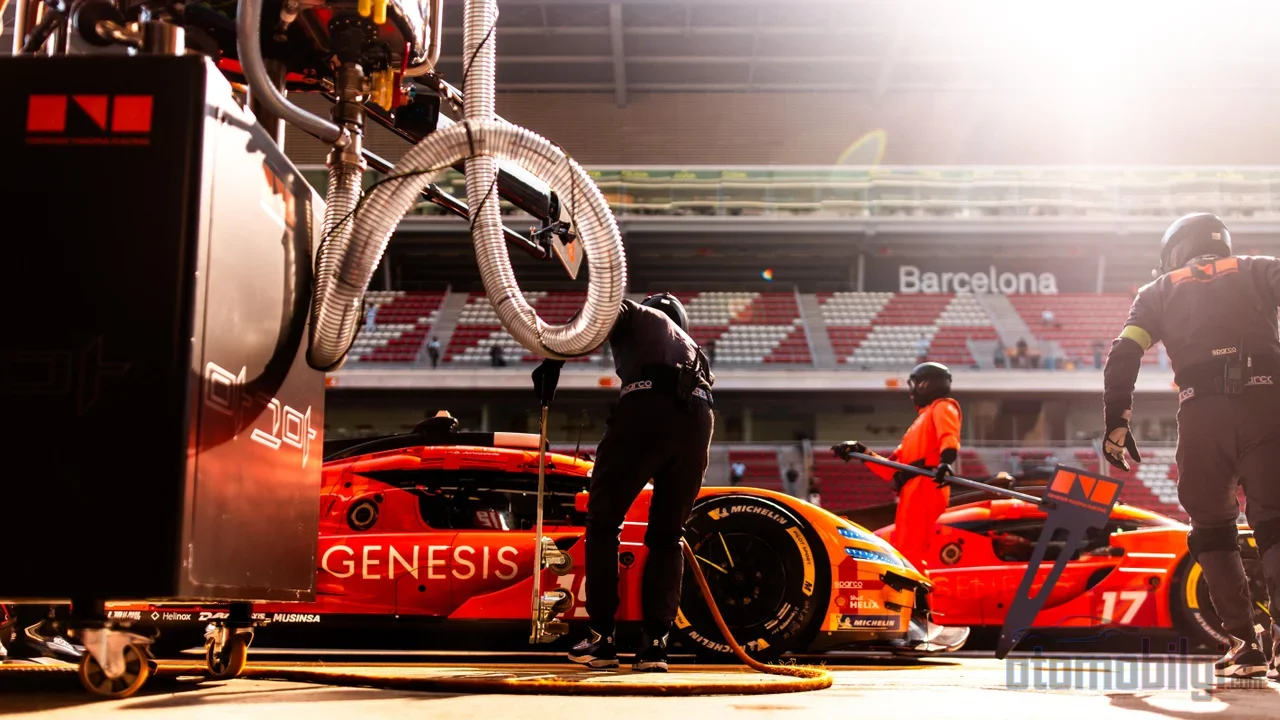
In WEC, the Platinum, Gold, Silver and Bronze categories are a grading system by which the FIA classifies drivers based on age, skill and track experience. These colors determine which driver is allowed to race in which vehicle class: While Bronze is banned in Hypercar, LMGT3 crews are required to have at least one Bronze or Silver driver. So not everyone sitting in the cockpit is equal - and this inequality is entirely by the rules.
Highlights
- The FIA equalized the system across all sanctioned series in 2015; before that, the same driver could receive different colors in different series.
- You cannot register for the list before the age of 16; the initial grade is assigned based on age and career record.
- Bronze drivers are not permitted in Hypercar; the crew is composed of a mix of Silver, Gold and Platinum.
- In LMGT3, a crew of two or three must include at least one Bronze or Silver driver.
- A driver who passes 50 is dropped one grade the following season, and one who passes 55 is dropped an additional grade; at 60, they drop to Bronze.
How Is the FIA Driver Categorization Determined?
Think of the system like everyday life: like documenting your swimming level at a pool. The FIA looks at each driver's career record; the races they have won, the series they have competed in, whether they are a factory driver and, of course, their age all count. It is impossible to enter the list before the age of 16, and the first grading is based entirely on past performance. In subsequent seasons, race pace recorded on the track comes into play: if you are fast enough, your grade rises; if you fall below expectations, it drops.
In fact, this story is a story of standardization. Before 2015, every endurance racing series used its own classification; the same driver could be Gold in one series and Silver in another. In 2015, the FIA ended the chaos and standardized the system across all sanctioned series. It is so meticulous that the names Bronze, Silver, Gold and Platinum are copyrighted by the FIA - any championship wishing to use these names must obtain FIA approval.
The system has also evolved over time. In 2023, a major revision was made to the categorization, and many Silver drivers were moved up one grade to Gold. So remember that your color is not a lifelong title; it is reassessed every season.
Does age raise or lower your grade?
Age works in both directions. For young drivers, there is a path to skip Silver and go straight up based on karting and single-seater success; the changes made after 2022 allow exactly that. On the other hand, as age advances, automatic demotion rules kick in: a driver who passes 50 is dropped one grade the following season, one who passes 55 an additional grade, and one who passes 60 is dropped to Bronze (with exceptions). But there are also fairness safeguards: the category champion of that year cannot be demoted due to age, an active factory driver cannot fall below Gold, and an active instructor cannot be demoted below Silver.
What Do Platinum, Gold, Silver and Bronze Mean?
Let us go through the four categories one by one. Platinum is the Professionals team at the top: Drivers who meet at least two of the criteria such as holding an F1 Super License, winning the 24 Hours of Le Mans or WEC in the professional category, being a factory driver, or finishing in the top 5-3 in international series like IndyCar, F2, F3 belong here. A single criterion is enough for Gold: Alternatives include meeting one of the Platinum conditions or finishing in the top 3 in secondary single-seater series, or winning a major GT series. Silver, on the other hand, is the category given to drivers under 30 who have not met the Platinum or Gold criteria; those competing at a high level in international karting and those working as coaches can also be considered in this group.
| Category | Who? | Example criterion |
|---|---|---|
| Platinum | Highest-level professional | Meeting two criteria at once, such as an F1 Super License or factory driver status |
| Gold | Very high-level professional | Meeting one of the Platinum criteria |
| Silver | Under 30, has not met the top criteria | High level in international karting |
| Bronze | Beginner or amateur in a professional environment | Usually first license obtained after the age of 30 |
The definition of Bronze is interesting: drivers without impressive results in major races, considered beginners or amateurs in a professional environment. This is where enthusiasts who mostly started racing later in life, in the middle of their business careers, gather. By the way, a small detail: The FIA no longer officially uses the word "amateur" in its ratings, as too many exceptions had arisen - but in practice that meaning lives on in Bronze.
Where Do These Colors Allow Racing in the WEC?
Here comes the most strategic part. In Hypercar - the pinnacle class of the WEC - the doors are closed to Bronze drivers. The crew can only consist of Platinum, Gold and Silver drivers; the car's speed and the intensity of competition in this class require it anyway. The rule is sometimes used to balance competition, and sometimes directly for safety: The Bronze ban in Hypercar serves exactly the latter rationale.
In LMGT3, the rule strikes the opposite balance: crews with two or three drivers must include at least one Bronze or Silver driver. So combinations such as Bronze/Silver/Gold are possible. This rule guarantees that experienced professionals share the same cockpit with fast-developing youngsters or amateur drivers, and opens up the chance for less experienced names to take the stage in major races.
There are also driving times, and this is the part teams ponder over the most on paper. For example, in a 6-hour race in LMGT3, there is a minimum driving time of around 1 hour 45 minutes for a Silver or Bronze driver; in 8-hour races this duration is extended. There is also a maximum limit for everyone. Stint length is usually determined by fuel: a single stint usually lasts between about 45 minutes and 1 hour. Also, in the 2025 WEC, Bronze drivers in LMGT3 had to take part in qualifying sessions, while Silver drivers raced in Hyperpole - meaning it even touches the ranking qualifying sessions. Think about it: a driver's color shapes everything down to which driver the team puts in the car in which session.
The Role of Bronze Drivers and Their Place in Team Strategy
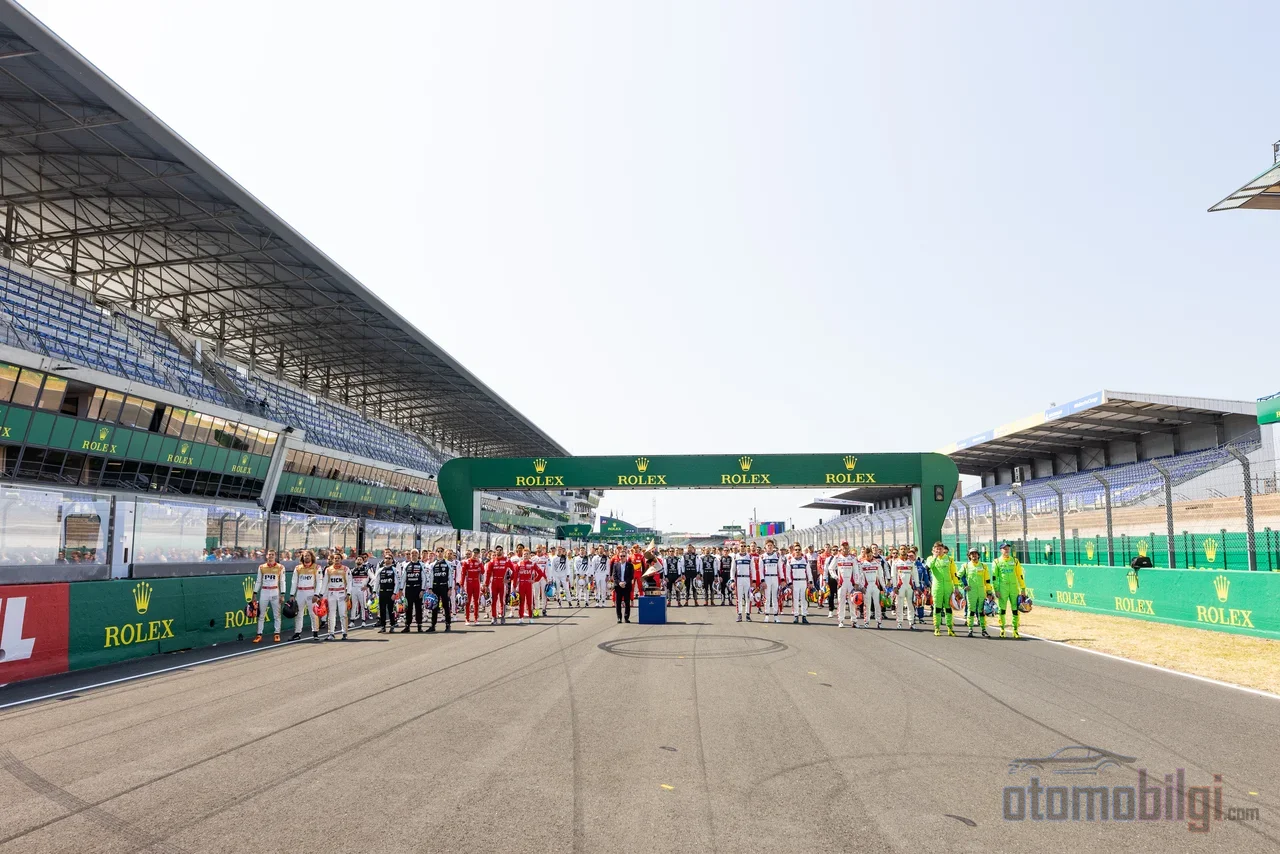
You may have wondered: if Bronze drivers are slower, why do teams want them? The answer is simple: they want them by rule, and with a very deliberate plan. The team tries to give the Bronze driver the least risky parts of the race; long stints when traffic eases and the rhythm settles are these drivers' most valuable contribution. Professional drivers, on the other hand, take on the most chaotic hours of the track in a driver change - the moments when traffic, safety cars and weather changes pile on top of each other. In a 24-hour race, this division of labor determines the lap chart from start to finish.
Minimum and maximum driving times also feed into the strategy: the team calculates in advance how to spread the Bronze driver's mandatory time across which hours and conditions. Night runs, cold tires and low visibility are demanding conditions, so this calculation is not easy. In short, driver categories turn endurance racing into a chess match far more than a driving contest.
For the drivers' own careers, the color means everything too. The latest ranking lists showed that Ferrari drivers Yifei Ye and Phil Hanson, along with a Cadillac driver, were upgraded to Platinum. In the 2026 provisional list, Bastian Buus moved up from Gold to Platinum, while Jonny Edgar jumped from Silver to Gold. These promotions directly change a driver's value, bargaining power and which cockpits they can apply for.
Is the System Undisputed? Criticisms and Their Limits
Not at all. The system has been under a hail of criticism since 2015: some drivers can be noticeably dominant in the category they are placed in compared to others. Followers have coined the name "Super Silver" for this situation - to describe talented drivers who remain Silver by the rules but show top-category performance on track. The automotive press wrote in 2018 that the system was not flawless; rating debates kept making headlines at the season openings of different series in the following years as well.
Another frequently asked question: is the rating a license? No. It is a rating issued by the FIA - meaning it is not a document that grants the right to be on track, but a label showing which box we put you in under crew rules. In addition, a driver can appeal the category assigned to them: the decision can only be reviewed by the driver, within 15 days and for a fee of 250 €. Moving up is also possible; the system is revised every season based on age and career record. You can find all drivers' current ratings on the FIA's official categorization page.
Final Word: Colors Are the Map of the Cockpit
Your perspective will change when watching WEC from now on: when you notice the color next to the name of the pilot getting into the car at the next pit stop, you'll know why the team made the change at exactly that moment, why they gave that hour to that driver, and why a factory driver sits in the Hypercar cockpit instead of that amateur enthusiast. These four words - Platinum, Gold, Silver, Bronze - are the invisible founding document of endurance racing. So if it were you, which color would you strive for?
Sources
- FIA Driver Categorisation Regulations
- FIA Driver Categorisation – FIAWEC
- FIA Driver Categorisation – FIA.com
- FIA Driver Categorisation – Wikipedia
- Only exceptional drivers take the wheel of a Hypercar
- The dilemma surrounding WEC driver crews – The Race
- Provisional 2026 FIA Driver Ratings Released – Sportscar365
- WEC Regulations – FIAWEC
- The World of WEC: A Beginner's Guide