How to Perform a VIN Check on a Used Car?
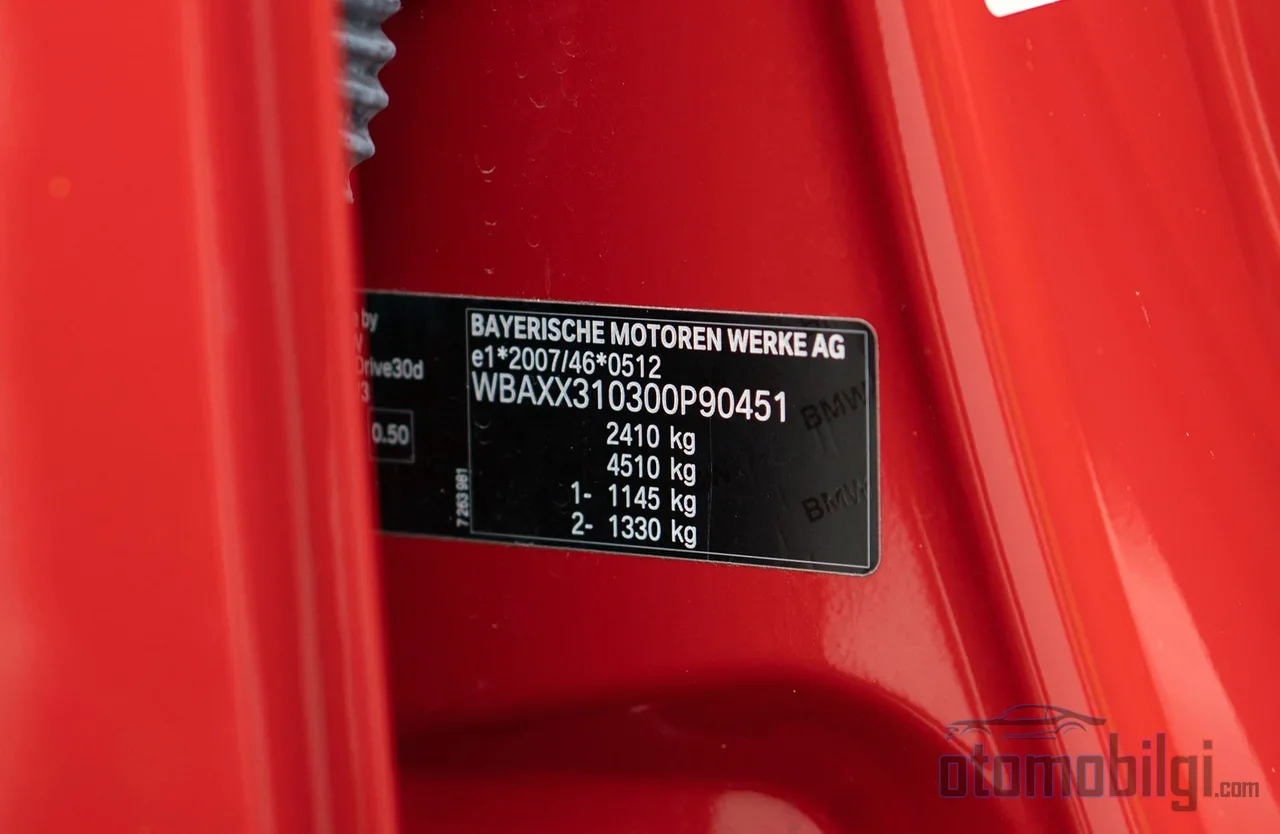
When buying a used vehicle, debates about mileage and paint go on so long that most buyers make their decision without ever looking at the chassis number, the vehicle's most unchanging identity. Yet the license plate changes, the body gets repainted, even the engine can be replaced; the only identity that stays fixed from production to scrap is the VIN, the chassis number. If this number does not match the record on the registration certificate, the vehicle you are looking at is probably not what it appears to be. In this article, I will explain where the chassis number is located on the vehicle, how to compare it with official records, and the steps to follow if you encounter a discrepancy, in the form of a checklist you can keep at hand when making your decision.
What Is the Chassis Number (VIN) and Why Is It So Critical?
The VIN is the vehicle's identity number; it is assigned to every vehicle during production and is unique. In our country it is known as the chassis number. In vehicles produced since 1981, this number consists of 17 characters according to the ISO 3779 standard: it is an arrangement of letters and digits in a specific order. The first characters indicate the manufacturer and geographic region, while the middle section carries the vehicle's technical specifications (engine type, body style, fuel type); the 10th character indicates the model year.
To prevent confusion in the number, the letters O, I and Q are not used; they are prohibited by international rules because they can be confused with the digits 0, 1 and 9, respectively. If the number in your hand has fewer or more than 17 characters, you are most likely not looking at the chassis number; it may be the engine number or the registration certificate serial number. The chassis number and the engine number are not the same thing either, and one cannot be used in place of the other.
Key Takeaways
- The chassis number is 17 characters; the letters O, I, Q are never used in a VIN.
- The VIN is stamped in at least three separate places on the vehicle: the corner of the windshield, the door label and the engine bay.
- The chassis number can be queried by texting DETAY S to 5664.
- A number discrepancy points to the possibility of a chassis replacement or a stolen vehicle.
- Having no insurance accident record does not mean the vehicle has never been in an accident.
Where Is the Chassis Number Located on the Vehicle?
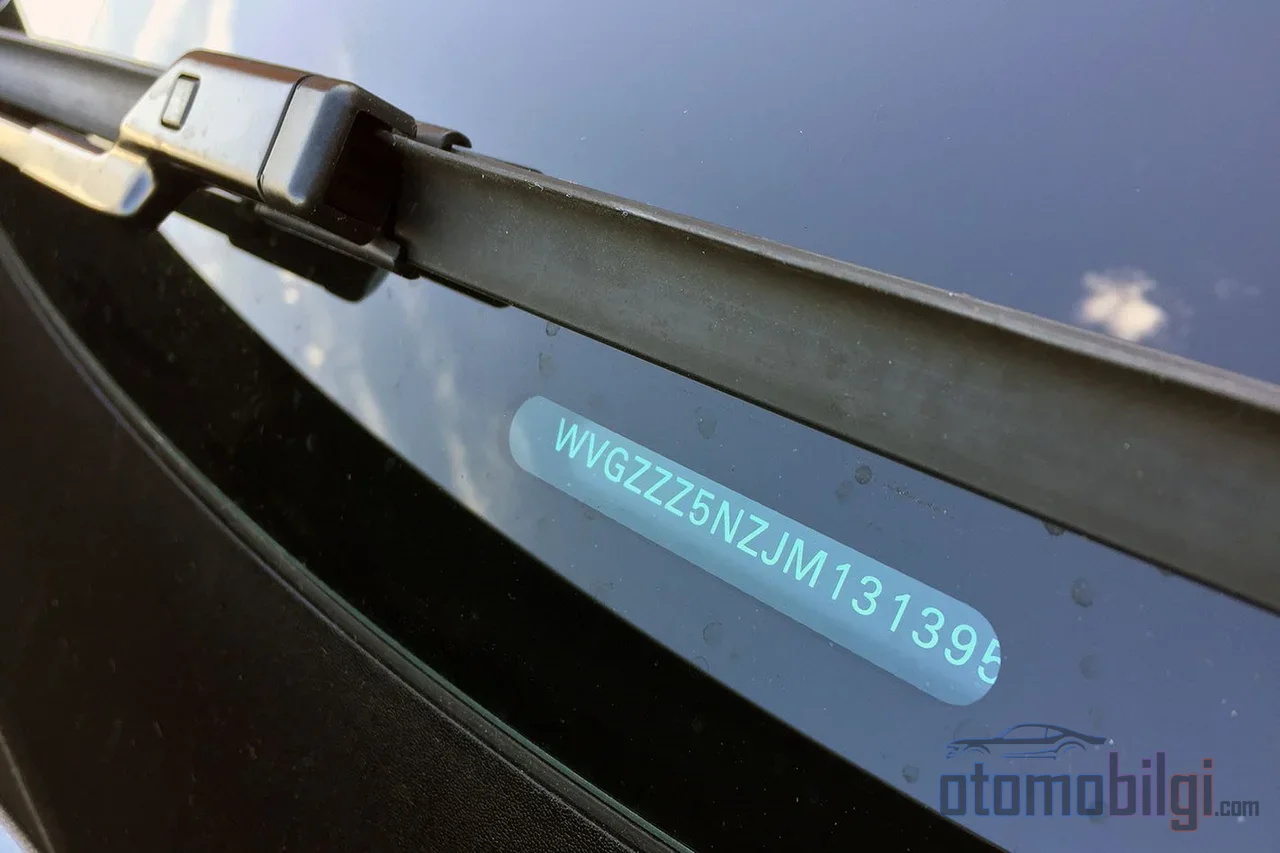
The chassis number is not written in just one place on the vehicle; manufacturers stamp it in multiple locations. This multiplicity is not a coincidence but a deliberate design: even if one spot is worn away by paint or repairs or intentionally altered, the others remain as references. In the past, you had to look under the seat or at the chassis column to find the number; in modern vehicles, the job has become much easier.
Physical Locations on the Vehicle
The main places to check before purchase are as follows:
- The lower corner of the windshield on the driver's side; it sits in the area between the dashboard and the glass and can be read from outside.
- The inner face of the driver's door, on the door pillar or sill manufacturer's label.
- Under the hood; on the metal plate in the engine bay or on the strut tower.
- On some vehicles, on the trunk partition or the engine block.
The exact location varies by make and model; if you are not sure, check the vehicle's owner's manual. Also, the VIN is written not only on the vehicle itself but also in official documents: the Chassis No / VIN line on the registration document, the insurance policy, and the vehicle information section on e-Government (e-Devlet) are records that carry the number. It is also worth checking the chassis number on the comprehensive insurance policy; insurance companies issue the policy based precisely on this number.
Comparison with the Registration and Tramer Records: Step-by-Step Check
The essence of the matter is comparison: the number fixed on the vehicle, the number on paper, and the record in the inquiry systems must all be the same. Follow a sequence that lets you complete this check in five minutes:
- Before walking around the vehicle, note down the chassis number on the registration in your phone; confirm that it is 17 characters.
- Read the number in the corner of the windshield and compare it letter by letter with the registration.
- Check the numbers on the door label and in the engine bay the same way.
- Query by chassis by sending an SMS to 5664: write DETAY S [CHASSIS NO] and send it; information such as make-model, first registration date, plate changes and comprehensive insurance history is returned.
- To query replaced parts, use the format PARCA S [CHASSIS NO] [DAMAGE DATE]; the damage date is written as day/month/year.
- Have an independent inspection performed and verify that the chassis number in the inspection report matches the vehicle itself.
- If there is any inconsistency, do not buy the vehicle until the reason is explained and documented.
The 5664 query is paid; the current rates can be learned from the Insurance Association (SBM). An important advantage of the query is that it works via the chassis: even if the plate has been changed, the system makes the match correctly. Also, a query by plate is possible using the HASAR PLAKA format. Remember that chassis records are limited to damage payments reported by insurance companies and kept from 2003 onwards.
Also Query the Inspection Report Itself
A shiny inspection report in the seller's hands is not reassuring; fake report cases are among the known problems of the second-hand market. Corporate reports contain a unique QR code or barcode; scan it with your phone to verify the report, and confirm the report number and plate from the issuing company's own system. The report is not the paper in the seller's hands, but the record of the company that issued it.
What Does a Number Mismatch Mean?
If two different chassis numbers are found on the same vehicle, the picture usually narrows down to two possibilities: the vehicle may have been in a serious accident and its chassis cut and joined; or the number may have been deliberately changed, which brings the possibility of a stolen vehicle to mind. Recent news of fraud through changing the chassis numbers of stolen or seized vehicles has made this risk more than an abstract scenario. One of the recurring problems on the agenda is the trick method known as the "twin vehicle," in which the identities of two vehicles are tied to each other.
If the chassis number read from the vehicle's computer during a test with an OBD device does not match the number stamped on the body, this is a major warning sign; while this situation can sometimes be considered normal for imported vehicles for technical reasons, it is not accepted as an exception for the domestic market. A number that is missing, erased, or unreadable due to rust should also not be underestimated: such a vehicle cannot pass inspection, causes trouble in a sale, and carries the risk of legal sanctions. Replacing the body section where the chassis number is located is in itself a technical and legal problem.
How to Detect a Chassis Replacement?
Detecting chassis work is a job for the eyes and measurements: the evenness of panel gaps, welding marks, paint thickness measurements, inspection of the trunk and engine bay, and the production dates of the glass and headlights combine to reveal the full picture. The first sign looked for during an inspection is traces of repair after an impact; in areas where the metal has been stretched, the surface texture changes. If there is official documentation regarding the stamped chassis matching the number written on the registration certificate, the situation is not considered a problem; without documentation, things are serious. It is also worth knowing one more point: a chassis work record lowers the sale value even if the vehicle has been professionally repaired. Since work done in hard-to-reach areas can be skipped during inspection, this check alone is not sufficient assurance.
What Should You Do If You Find a Discrepancy?
If the number on the vehicle does not match the registration, insurance accident records, or an OBD reading, do not make a decision on the spot; the path to follow is clear. First, request a complete report from an independent inspection company that includes measurements and an underbody examination. If suspicion persists, report the situation to the police, that is, the security forces or the gendarmerie; suspicion of a stolen vehicle is not a matter to be resolved through negotiation with the seller. If the chassis number has been erased or cannot be read, a situation subject to the inspection agency's process applies, and this alone is reason enough to walk away from the purchase.
The Limits of Verification: Is a VIN Check Enough on Its Own?
The short answer: no. Concluding that a car with a clean insurance accident record is accident-free is the most common mistake in this business; repairs not reported to the insurance company are invisible in the records, and the records only cover the period after 2003. The chassis number does not contain mileage information either; a mileage check can only be done if it is included in the service's scope. There is also no unlimited access to the vehicle owner's personal information via the VIN; this is subject to personal data protection rules. Since the number is information readable from outside, showing reasonable care in sharing it is sufficient; you already have to share it for spare parts, service, and insurance transactions.
A sound decision relies on four sources agreeing with one another: physical inspection, an inspection report, official records, and service history. As of 2026, the Secure Payment System applied in second-hand sales also reduces the risk on the payment side; but reading the vehicle's identity correctly is still the buyer's job.
Summary: What to Do at the Moment of Decision
In short, a VIN check on a second-hand vehicle is this: find the 17-character chassis number in at least three separate locations on the vehicle, compare it letter by letter with the number on the registration certificate and query records, and if there is any discrepancy, never buy the vehicle without first sending it through inspection and law enforcement procedures. This five-minute check is the difference between years of legal trouble, perhaps paying the price for a stolen car, and peace of mind. The plate can be changed, the registration renewed, the paint refreshed; but the chassis number is the vehicle's father. Every document that contradicts it is suspect until the reason for the contradiction is proven.
Sources
- Query by SMS - SBM
- What Is a Chassis Number? Where Is the VIN Written and How Is It Queried?
- What Is a Chassis Number? Where Is It Written on the Vehicle?
- Chassis - What Is a Chassis Number? How Can You Find It?
- Chassis and Spare Parts Query (VIN number)
- The chassis number game of car theft rings - TRT Haber
- How to Detect Chassis Damage, Does It Affect Value?
- Beware of Fake Inspection Reports!
- Used Car Buying Guide (2026)