Hyundai IONIQ 3 Among the Car of the Year Finalists
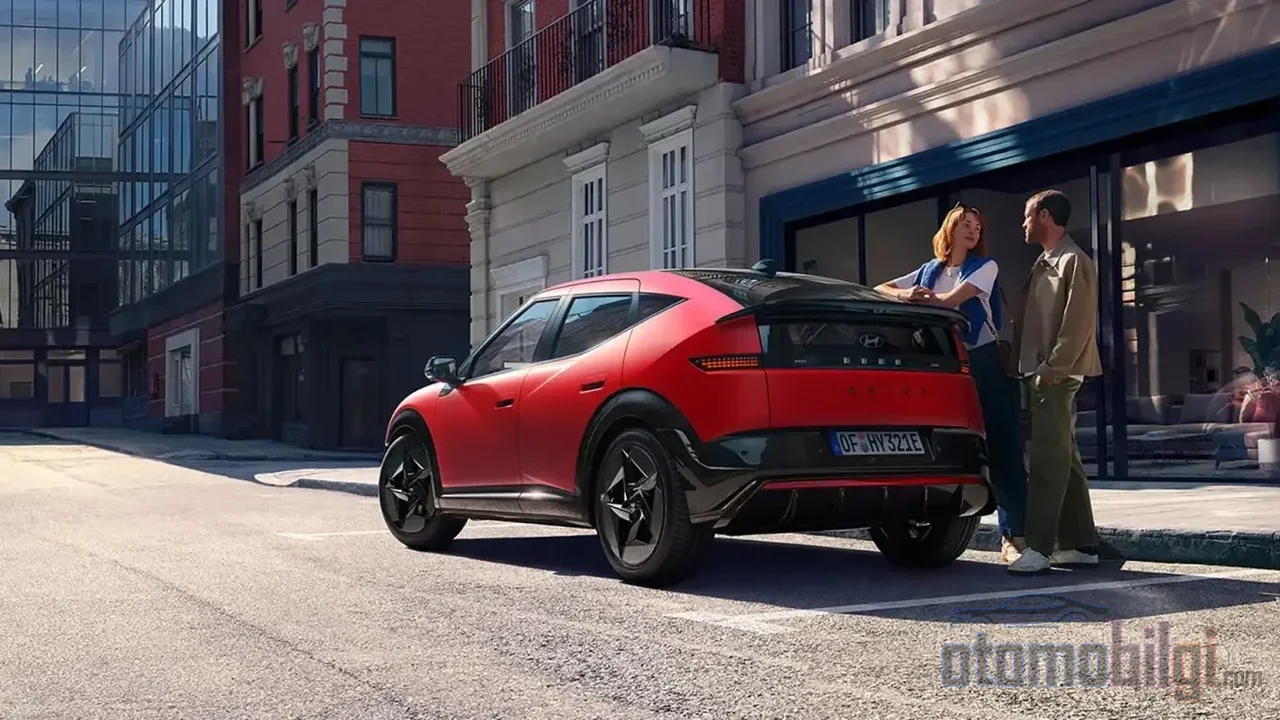
A car rolling off the line in Izmit is on the shortlist of Europe's most established automotive award. The fully electric IONIQ 3, produced at Hyundai's facilities in Kocaeli, has been announced as one of the seven models shortlisted for the 2027 European Car of the Year competition. The real news value lies not in the launch, but in something anyone looking at the list will see right away: For the first time in the award's 63-year history, which dates back to 1964, all seven cars competing in the final are electric.
Who Are the 2027 European Car of the Year Finalists?
The 64-member jury of independent European automotive journalists determined the finalists as follows, in alphabetical order:
- BMW iX3
- Cupra Raval
- Hyundai Ioniq 3
- Kia EV2
- Renault Twingo
- Volkswagen ID. Polo
- Volvo EX60
The list can be split into two. The Cupra Raval, Renault Twingo and Volkswagen ID. Polo represent the ambition of bringing electric mobility to the masses; the BMW iX3 and Volvo EX60, meanwhile, are the representatives of the technology and engineering front in the upper class. The IONIQ 3 and Kia EV2 carry the competition of the compact electric segment onto the award stage. One notable detail: two models in the premium segment are positioned at more accessible prices compared to the brands' other electric vehicles; meaning there is almost no sign of any approach to exclude budget considerations from the list.
Highlights
- For the first time in the award's 63-year history, all seven finalists are electric
- The jury will conduct driving tests at the Balocco circuit in Italy on November 25-26, 2026
- The winner will be announced at the Brussels Motor Show on January 8, 2027
- Each jury member distributes a total of 25 points, giving a maximum of 10 points to a single model
- Production of the IONIQ 3 started in Izmit in August 2026
How Does the Award Process Work? Testing and Voting Schedule
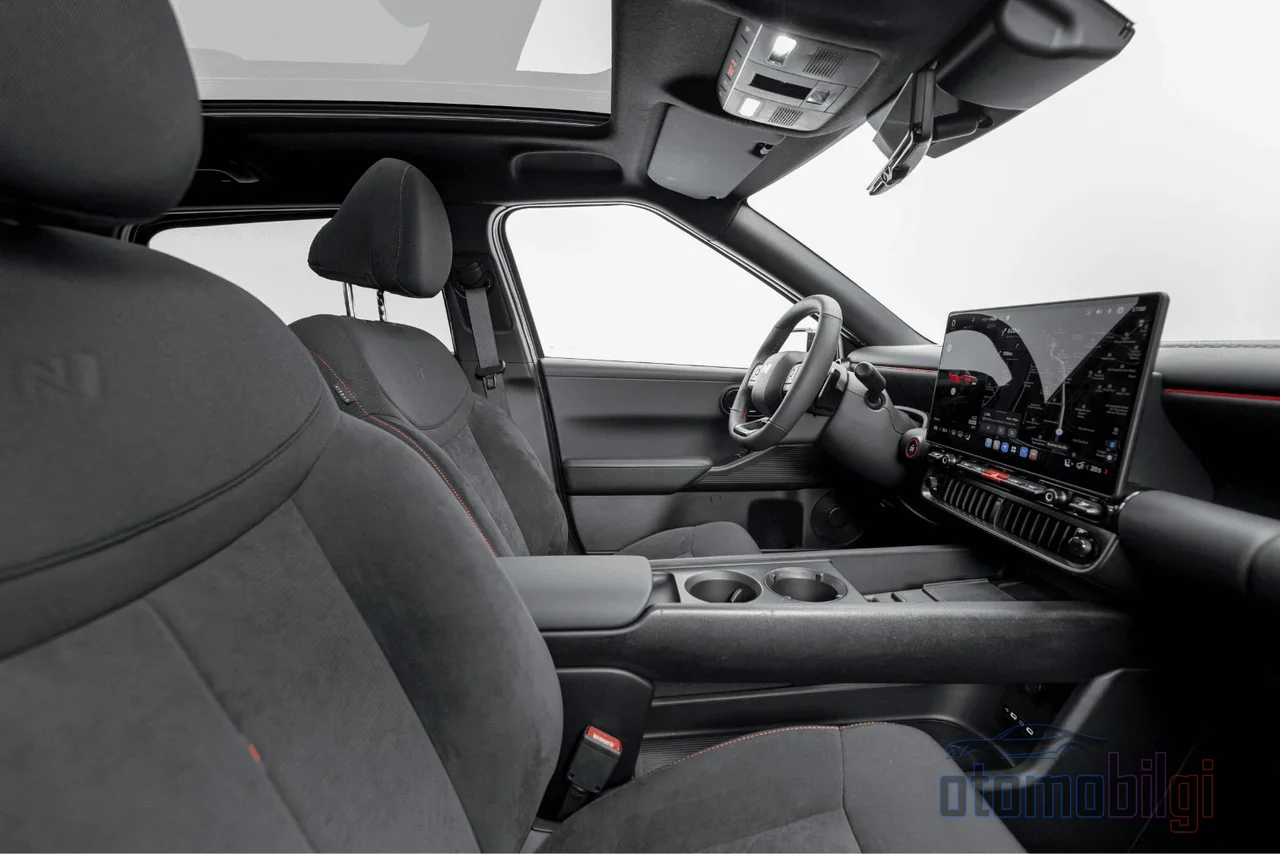
Being a finalist is not the end of the story; on the contrary, the main stage of the competition has not even opened yet. The jury members will gather at the Balocco circuit in Italy on November 25-26, 2026, and subject the seven cars to comprehensive driving tests. This is the most concrete stage showing that the award is not a decorative agreement: the cars will be compared under real driving conditions, on the same circuit, by the same journalists.
The voting also has its own internal discipline. Each jury member will cast their vote by December 31, 2026 and distribute the total of 25 points they can allocate, with a maximum of 10 points given to a single model. This system makes it harder to turn affection for a single model into the award; it is a consensus-seeking mechanism, a structure well known to those who have long been in this business.
The winner's name will be announced with a ceremony at the Brussels Motor Show on January 8, 2027. This year's Turkish jury membership is held by automotive journalist Ufuk Sandik.
Why Did a First in 63 Years of History Take So Long to Arrive?
The European Car of the Year is an international award founded in 1964 through the coming together of automobile magazines from different European countries. Founding publications include established names such as Auto, Autocar, Autopista, Autovisie, L'Automobile Magazine, Stern and Vi Bilägare. The jury consists of automotive journalists from across Europe, and each country's number of representatives is determined by the size of its market and its manufacturing industry. So this is not an award a brand can buy with money; for 63 years, the record has therefore been a solid source for reading the mood of European motoring.
The list of most-winning brands also shows this consensus: Fiat stands out with nine, Renault with eight, Peugeot with six, Ford and Opel/Vauxhall with five each, and Volkswagen with four awards. The entry of electric vehicles into this list accelerated in recent years; yet even in the 2026 final - on a list featuring the Citroen C5 Aircross, Dacia Bigster, Kia EV4 and Mercedes-Benz CLA - electrics were not in the majority, although they made up most of the finalists. The 2027 list crossed that threshold: there is not a single model with a gasoline, diesel or hybrid engine.
What Does a Model Produced in Turkiye Reaching the Final Mean?
The IONIQ 3's presence on this list is not an ordinary export story for the Izmit plant. The model's design was done in Europe, it was developed with European users' driving habits in mind, and production began at the Kocaeli facilities in August 2026. Pre-orders in Europe opened on July 29, 2026 in the United Kingdom and the Netherlands; the starting price in the UK was announced as £22,245. On the Hyundai side, it was also shared that orders exceeded expectations.
The two points emphasized by Hyundai Motor Europe Vice President and Product Director Christopher McKinnon in his assessment of the nomination were the model's strong structure and the international recognition of the production quality demonstrated in Izmit. The jury of a European award evaluates the vehicle itself, regardless of which country it is produced in; but for a factory, making the jury list means that the quality of the product coming out of that plant has passed an independent test. This is a sensitivity some plants knew closely in earlier years - while domestic production was once seen as a mark of compromise, today that same production is in the final of Europe's most prestigious award contest.
Competitor Analysis: What Are the IONIQ 3's Chances of Winning?
Looking at the award's history, the distance between making the list and winning is long. The latest winner, the Mercedes-Benz CLA, took the title with 320 points in Brussels on January 9, 2026; this was Mercedes' first award in 52 years - the previous winner was the 1974 450 SE/SEL. So this contest also has a history of long waits and surprises.
The structure of the 2027 final can be read both in favor of and against the IONIQ 3. The point against it is that all seven vehicles are electric: being electric is no longer a differentiator, but common ground. The point in its favor is positioning - in the compact electric segment, a model that reaches a broad audience at an accessible price directly appeals to the practicality and usability criteria that juries have traditionally valued. Still, making predictions before the track tests at Balocco and the December vote are completed has not yielded very consistent results in the history of this award.
Does Making the Final Guarantee the Award?
It does not guarantee it. After the Balocco tests in November and the points each jury member will distribute by December 31, 2026, the winner will be announced on January 8, 2027. The Turkiye-built model's entry into the finalist list is the result of the first round of evaluation by the 64-member European jury; the final round has still not been played.
What Does This Finalist List Say About the European Electric Market?
An award list is clearer than a snapshot of a market. The fact that all seven finalists are electric shows that the internal combustion era in European carmaking has closed in the eyes of award juries. At the same time, the center of gravity of the list - the Cupra Raval, Twingo, ID. Polo, IONIQ 3, EV2 - is shifting away from the upper class toward the affordable compact segment. In other words, the next chapter of Europe's electric story is not luxury, but volume.
At this point, a note of caution is also necessary: some publications also convey the view that regional conditions have temporarily pushed interest in electric vehicles upward; this assessment, based on a single source, does not change the picture emerging from 63 years of jury decisions, but it reminds us that market dynamics are highly multi-layered.
On January 8, 2027, a name will be read out in Brussels. If that name is a car rolling off the line in Izmit, it will be read not merely as a brand's victory, but as a redrawing of Turkish manufacturing's place on the European automotive map. Let us wait for the jury's days at Balocco; the real insight in this business always comes from the track.