JLR Takes Legal Action Over BYD's Defender Copy
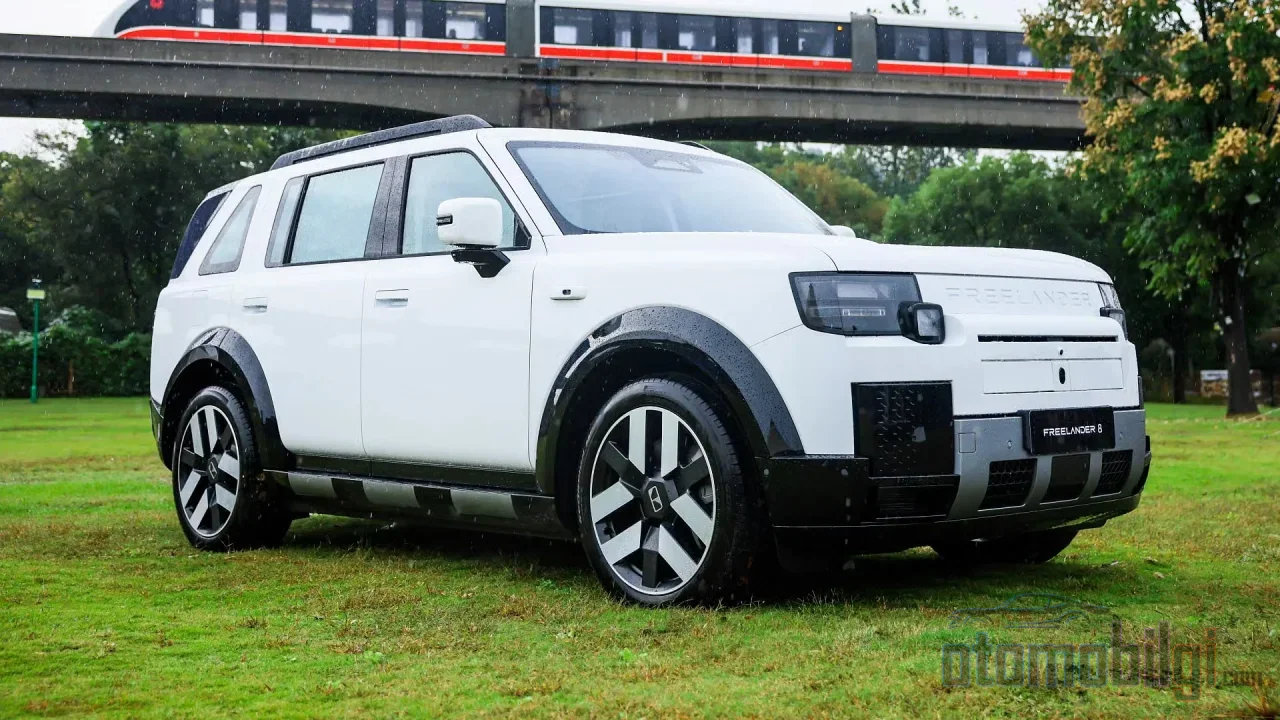
In August, the doors of BYD's offices in Schiedam and Hoofddorp, the Netherlands, were opened by bailiffs acting on a court order. The aim was to document digital records; and it now turns out that Jaguar Land Rover, following up on that raid, has filed a lawsuit against the Chinese giant BYD in The Hague. The claim is harsh: that BYD's Ti7 model copied the design and technology of the new-generation Defender. The matter has not yet been subject to a court ruling, but it is on its way to becoming one of the most visible legal fronts in the automotive world where Western brands are taking Chinese manufacturers to court.
At the center of the case is the Defender, one of JLR's cornerstones. So why did JLR choose such a harsh path, and is the vehicle facing it really a copy? Here is what is known, the allegations, and the context.
What Happened: From the Office Raid to The Hague
According to the news that emerged in the British press on November 8, 2026, bailiffs acting on behalf of JLR entered two of BYD's Dutch offices in August with a court order and seized digital records. JLR's goal was to secure possible evidence before it could be destroyed. The company's suspicion is that BYD obtained and copied some technologies through reverse engineering; in other words, JLR claims it traced not merely that a vehicle resembling the Defender was produced, but an actual attempt at copying.
The legal process is proceeding in the Netherlands, in The Hague. A detail reported by The Times also shows the character of the case: JLR representatives were supposed to accompany the bailiffs during the raid, but none of the four vehicles planned for seizure ever reached the Netherlands. JLR and BYD are refusing to comment on the ongoing process.
Highlights
- JLR has filed a lawsuit in The Hague alleging that BYD's Ti7 model copied the Defender
- Two of BYD's offices in the Netherlands were raided under a court order in August 2026, and digital records were seized
- The Ti7 starts from 47,995 pounds in the UK; the seven-seat Defender 110 starts from 68,465 pounds
- The Ti7's UK deliveries are expected to begin in January 2027
- JLR won the LandWind X7 Evoque-copy case in China in 2019
The Subject of the Case: How Similar Is the BYD Ti7 to the Defender?
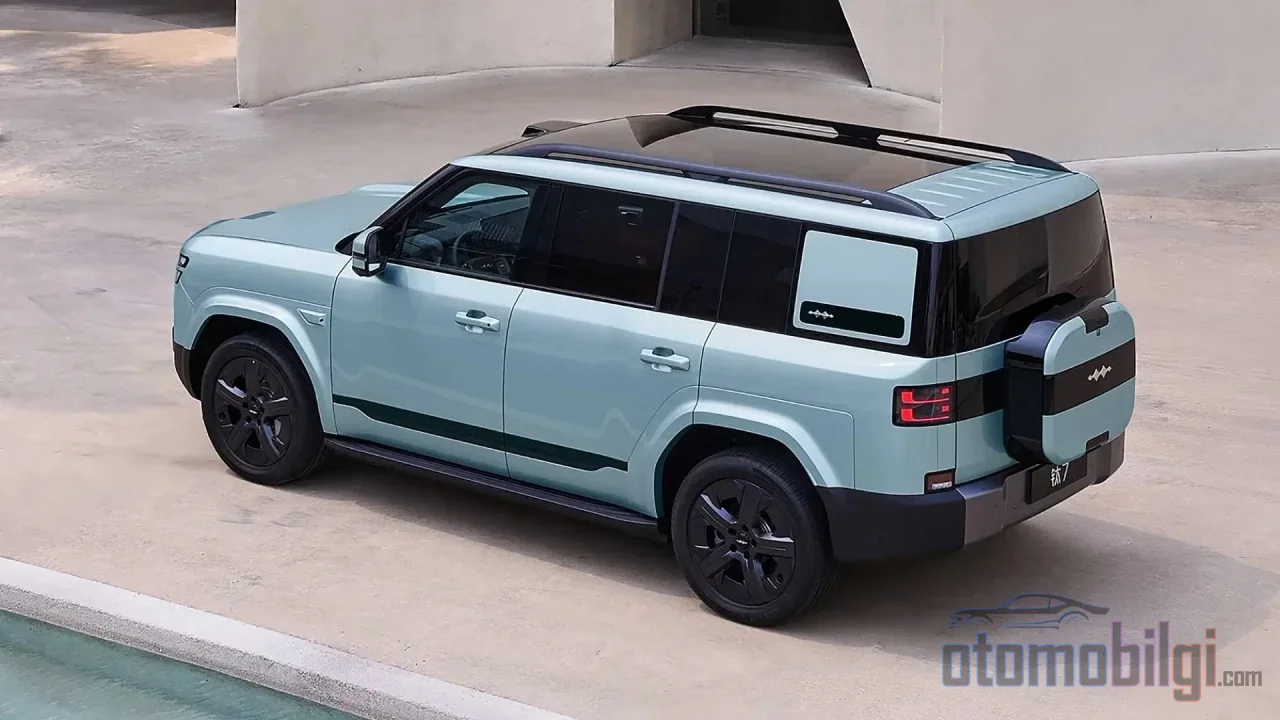
The Ti7, which BYD brought to the UK market as a flagship, is a seven-seat plug-in hybrid SUV. The most common comment about it is that it does not look exactly like the Defender but shows clear similarities in its blocky profile, strong lines, and chunky proportions. In its own promotional text, BYD praises the vehicle's boxy profile; and a significant portion of critics hold the view that the similarity is undeniable.
On the technical side, the Ti7 combines a 1.5-liter turbocharged four-cylinder gasoline engine with a 35.6 kWh battery and two electric motors. The system's total output is 402 horsepower, 0-62 mph acceleration takes 4.8 seconds, and the fully electric range is around 119 km.
| Price and Positioning | BYD Ti7 | Defender 110 |
|---|---|---|
| Starting price (UK) | 47,995 pounds | 68,465 pounds |
| Seating layout | Seven seats, standard | Seven seats |
| Equipment | Single trim level: Excellence AWD | Multiple options |
So the Ti7 sells for more than £20,000 less than the seven-seat Defender 110. The vehicle, now open for pre-order in the UK, comes standard with features such as a panoramic roof, a 15.6-inch touchscreen, heated and ventilated leather seats, an in-car refrigerator and an 18-speaker sound system; with the rear rows folded, it offers 1,830 liters of cargo space. Deliveries are expected to begin in January 2027.
Why JLR Is Being So Tough: The Defender's Weight
The Defender is no ordinary model in JLR's portfolio. The brand is currently offered in three body sizes - the short-wheelbase 90, the mid-size 110 and the long-wheelbase 130 - all produced at the Nitra plant in Slovakia. Under the company's Reimagine strategy, Defender models specific to the North American market are being planned; the commitment of an £18 billion investment in technology and platforms by FY2029 has been renewed. A new model from the Defender family is expected to be the second launch vehicle on the EMA platform, as a hybrid, at the Halewood facility. In this picture, preserving the Defender's design language is not merely a matter of prestige for JLR, but a direct commercial necessity.
The price gap must not be forgotten either. Chinese manufacturers' large models sell at much lower prices while resembling iconic designs of Western brands; market analysts believe JLR cannot ignore these lookalikes. There are also examples suggesting that UK buyers are not much swayed by the badging in the face of a price advantage. JLR's calculation is clear: the similarity is not there by chance; it lies at the boundary of an asset it must protect.
Copycat Claims Are Not New: The Evoque Example
This case is not JLR's first test in the field of intellectual property. In 2019, it won a lawsuit it filed in China against Jiangling Motors, securing the vehicle's withdrawal from the market and compensation on the grounds that the LandWind X7 was a copy of the Range Rover Evoque. In 2020, however, a UK court rejected the claim for trademark protection of the old Defender's body shape; in response, JLR announced it would treat any production of the Defender as an infringement of intellectual property. The case in The Hague goes down as the first copycat lawsuit filed against a Chinese manufacturer.
Moreover, this is no longer purely a matter between the West and China. In 2023, when China's Changan filed a design lawsuit against Geely, it was interpreted as a turning point showing that intellectual property protection was being taken seriously within China as well.
What Should Be Expected?
The most honest answer that can be given at this stage is this: there is no court ruling yet. Neither JLR nor BYD is talking about the process. The case, along with the evaluation of the evidence, could drag on for months, even years, and regardless of the outcome it could already change two things. First, it clarifies Western brands' resolve to pursue similarity claims through the legal mechanisms available in Europe. The fact that the launch of the Ti7, expected to hit UK roads in January 2027, will now be followed by a legal shadow.
In the past, Chinese manufacturers' models reminiscent of Western designs were a discomfort that Western brands mostly swallowed. Now that discomfort is moving into the courtrooms. The answer to the question of whether the similarity between the Defender and the Ti7 is a design language or a design copy will be given in The Hague; and the automotive world will read this answer as a sign of whether it will pave the way for similar lawsuits.
Sources
- JLR raids offices of Chinese rival BYD over 'copycat' claims
- Land Rover takes BYD to court over Defender-style Ti7
- This Chinese Defender clone undercuts Land Rover's seven-seat 110 by more than £20k
- BYD Will Launch Its Rival to the Land Rover Defender in the UK
- 2027 BYD Ti7 accused of ripping off Land Rover Defender
- Jaguar Land Rover Can't Ignore Chinese Defender Lookalikes
- Jaguar Land Rover wins case in China against Evoque copycat
- JLR plans Defender models designed for US market
- Data seized at BYD offices in Netherlands at JLR's request