With Aion GS7, GAC Takes the Critical Turn from Pure Electric to PHEV
Share This Page
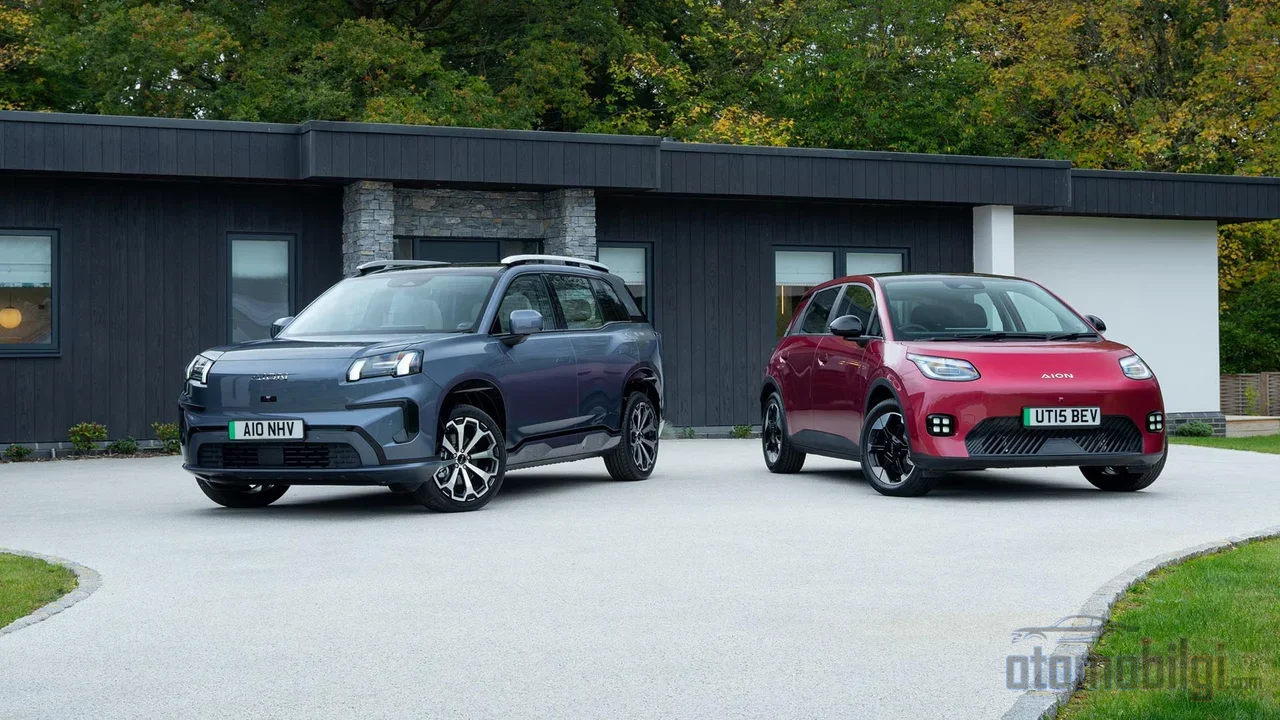
The Aion GS7 is a five-seat, upper-segment PHEV SUV that received its European premiere from GAC's Aion brand in Paris and is introduced as the first hybrid model in the brand's UK lineup. For those wondering why a brand that started out with pure electric models now needs a vehicle that is not permanently plugged in, and how much of a chance this car has in Europe, we have gathered the answers here.
Highlights
- The GS7's European premiere 12 October 2026 took place at the Paris Motor Show.
- The PHEV version 36.3 kWh battery and over 90 miles of electric range is promised.
- Combined range according to the CLTC cycle up to 1,020 km.
- UK launch in early 2027; pricing and equipment details have not yet been announced.
- By 2030, GAC plans to launch 12 electric and hybrid models in France.
What Does the Paris Debut Mean?
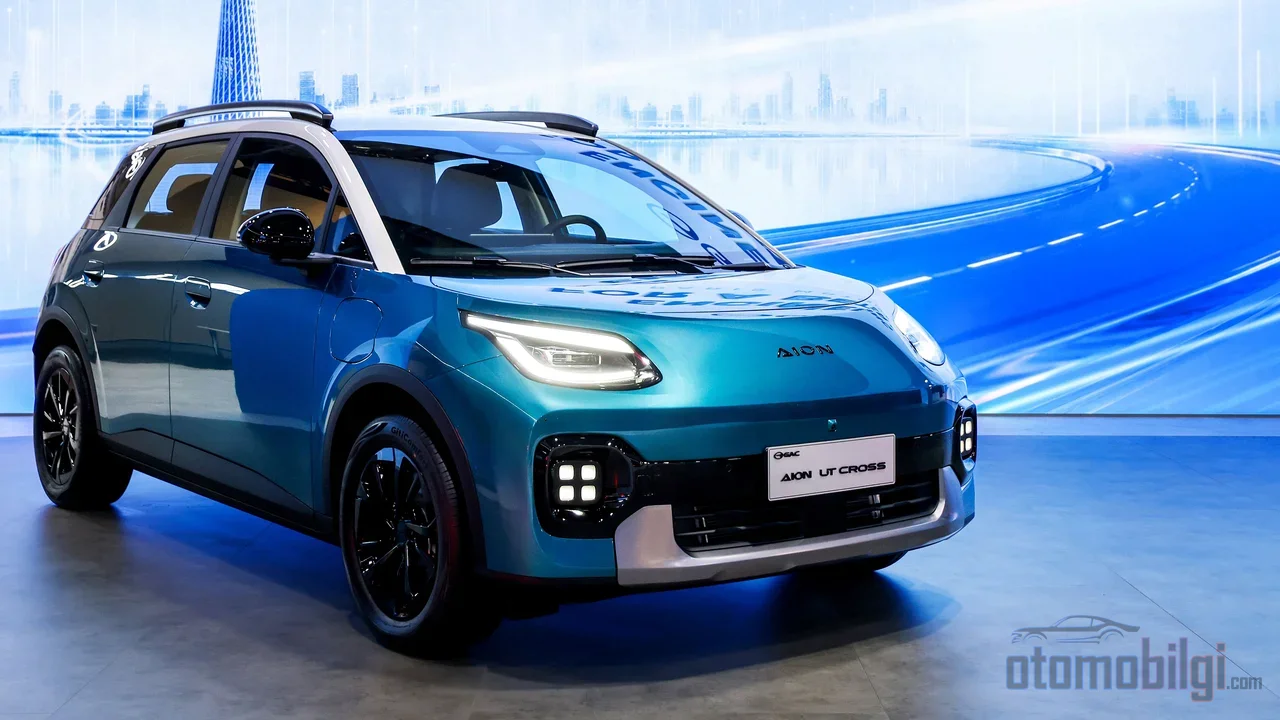
The 91st Paris Motor Show was not just a showcase for GAC, but a stage for commitment. Appearing at its stand with six flagship models, the manufacturer clearly demonstrated that its lineup embraces three distinct electrification branches: BEV, PHEV and HEV. While making its global premiere with the AION UT Cross , the Aion GS7 was shown in Europe for the first time. This pair represents the two poles of the brand: one fully electric at city scale, the other a long-range upper-segment hybrid.
This is where the GS7's story gets really interesting. Looking at the models sold by Aion in the UK, this vehicle is the first name to move from the fully electric lineup to the hybrid side. It is no coincidence that a manufacturer which has built its brand identity on pure battery vehicles for years has positioned a PHEV at its peak; it is a calculated strategic turn. The GS7 has already begun this journey in the South American and Central Asian markets before Europe; Paris marks the opening of its Western European test.
What Are the Technical Specifications of the Aion GS7 PHEV?
Looking at the technical sheet, it is clear the GS7 wants to speak seriously with its rivals. The PHEV version 36.3 kWh battery, and this battery alone offers over 90 miles, that is, around 145 kilometres of electric range. This figure is in a class that will allow you to complete all daily urban use without plugging in; it remains well above the norm in the hybrid segment.
The performance side is not empty either. The AWD version, equipped with three electric motors and a total of 501 hp of power, completes 0-100 km/h in 5.8 seconds according to the brand's stated figures. The intelligent all-wheel-drive system transfers this power to the road when needed. GAC's official dealership materials cite the third-generation hybrid system and, according to the CLTC measurement, 1,020 km of combined range. The front-wheel-drive version's range is expected to exceed this figure; however, it should be stated upfront: the CLTC cycle produces noticeably more optimistic results than the WLTP used in Europe. Real-world figures will fall somewhat below the brochure values - that is simply the nature of the business, not a flaw specific to the GS7.
The summary table looks like this:
| Feature | Value |
|---|---|
| Body type | Five-seat SUV |
| Platform | GAC EV+ |
| Battery (PHEV) | 36.3 kWh |
| Electric range | Over 90 miles (~145 km) |
| Total power (AWD) | 501 hp, three electric motors |
| 0-100 km/h (AWD) | 5.8 seconds (manufacturer data) |
| Combined range | Up to 1,020 km (CLTC) |
| Planned versions | HEV and PHEV (UK) |
As for dimensions: the GS7's exact measurements have not been finalized alongside the Paris debut, so I would love to give concrete millimeter figures here, but the information I have comes from a share of unclear origin regarding which model it belongs to; it would be wise to be cautious. What we can say is that the vehicle was presented as positioned to take on the Land Rover Discovery and described as a high-quality, premium-equipped five-seat SUV. The contents of that equipment package have not yet been officially listed.
Why Is GAC Turning from Pure Electric to Hybrid?
The answer to this question does not fit in a single sentence, but the gist is this: as of 2026, the European market is not growing at the pace expected of pure electric vehicles. Charging infrastructure varies from region to region, and buyers still carry range anxiety in their wallets. Let me say this as someone who has followed this industry for thirty years: every major manufacturer was expected to take this turn at some point. Hybrid used to be the first step toward going electric; now it is regaining value as a safety net alongside the electric lineup, holding the buyer's hesitation at bay without cementing it.
The calculation is transparent from GAC's perspective. The Aion V and AION UT are produced in Europe and hold five-star Euro NCAP ratings; the AION V comes out of Magna Steyr's facility in Graz. In other words, the brand's production and reliability infrastructure in Europe is in place. Adding a PHEV on top of this foundation is the lowest-risk way to expand the existing customer base. Moreover, since the GS7 is positioned as the flagship on the hybrid side, it opens up a price and segment tier for the brand that the pure electric lineup cannot reach.
The scope of the strategy is also ambitious: Aion promises five new vehicles over the next 18 months and is targeting a lineup of up to eight models in the UK by 2030. On the dealer side, a sales package including standard eight-year servicing, warranty, and roadside assistance stands out. Such long-term commitments are the classic but working recipe for a new brand to build trust in Europe.
Chinese Manufacturers' European PHEV Push: Where Does the GS7 Fit In?
To read the GS7 correctly, one must look at the big picture. Hybrid vehicle exports from China to the EU in the first eight months of 2026 490,000 units reached; that has already surpassed the entire 290,000 units of 2025. Chinese brands now account for more than half of PHEV imports entering Europe - four years ago that share was on the side they had lost 90% of. In August 2026, Chinese cars reached a record market share in the EU, and they are trying to push that share upward with technology-focused premium positioning. The GS7 is the newest page of exactly that playbook: over 500 horsepower, an electric range exceeding 100 kilometers, and a top-segment claim all in the same package.
A regulatory step was also taken to counter this rise: the EU announced it will limit hybrid vehicle imports from China to an annual 350,000 units This quota is a parameter that could directly affect the European strategy of models like the GS7; as the quota limit approaches, manufacturers are likely to turn to options such as production within Europe or local assembly. Indeed, GAC has stated that it is considering adding production capacity in Europe, and analysts say that for Chinese firms, exporting is a more predictable route of entry than local investment.
When Will It Go on Sale, and What Will It Cost?
The answer to the question is short: sales in the UK will begin in early 2027 The UT Cross and the hybrid GS7 are included in this schedule; UK-specific pricing and equipment details will be announced before the launch. So for now there is no price figure in hand, and at this point the claims circulating in some social media videos should not be trusted - there is no verified official statement.
There is also a naming issue that could cause confusion: GAC sells a PHEV under the name S7 in some markets; there are sources indicating it belongs to the same vehicle family as the GS7, but the relationship between the two names has not been officially clarified. Which name will be used in Europe will become clear during the launch process. And there is the range issue: the 1,020 km figure is based on CLTC; although higher figures are quoted for the front-wheel-drive version, buyers would do well to wait for the WLTP equivalents when making their decision.
Is the GS7 a Turning Point for Aion?
The picture we saw in Paris is a story of a brand stretching its own dogma. If Aion had started eight years ago, no one would have expected a PHEV SUV from a Chinese brand; now the GS7 is on stage precisely to fill that gap. The vehicle's success will depend, beyond its technical figures, on the brand's decisions on pricing, equipment, and dealer network in Europe. But the strategy itself - transferring battery technology expertise to the hybrid market - seems to rest on a solid foundation. The UK sales figures of 2027 will confirm that this corner has been taken smoothly.
Sources
- AION UT Cross and GS7 introduced at 2026 Paris Motor Show ahead of UK arrival
- AION UT Cross Makes Global Debut as GAC Showcases All-Star Lineup at 2026 Paris Motor Show
- Aion | Paris Motor Show 2026
- New Aion GS7: range-topping PHEV lands
- Aion adds hybrids as UK range targets eight models
- China's GAC looks to add car production capacity in Europe
- Chinese automakers make tech-led pitch for Europe's premium car market
- EU to limit Chinese hybrid vehicle imports to 350,000 a year
- The presence of Chinese automakers in the EU car market
- GS7 PHEV | GAC authorized dealer