Range Rover Evoque and Velar Are Being Discontinued
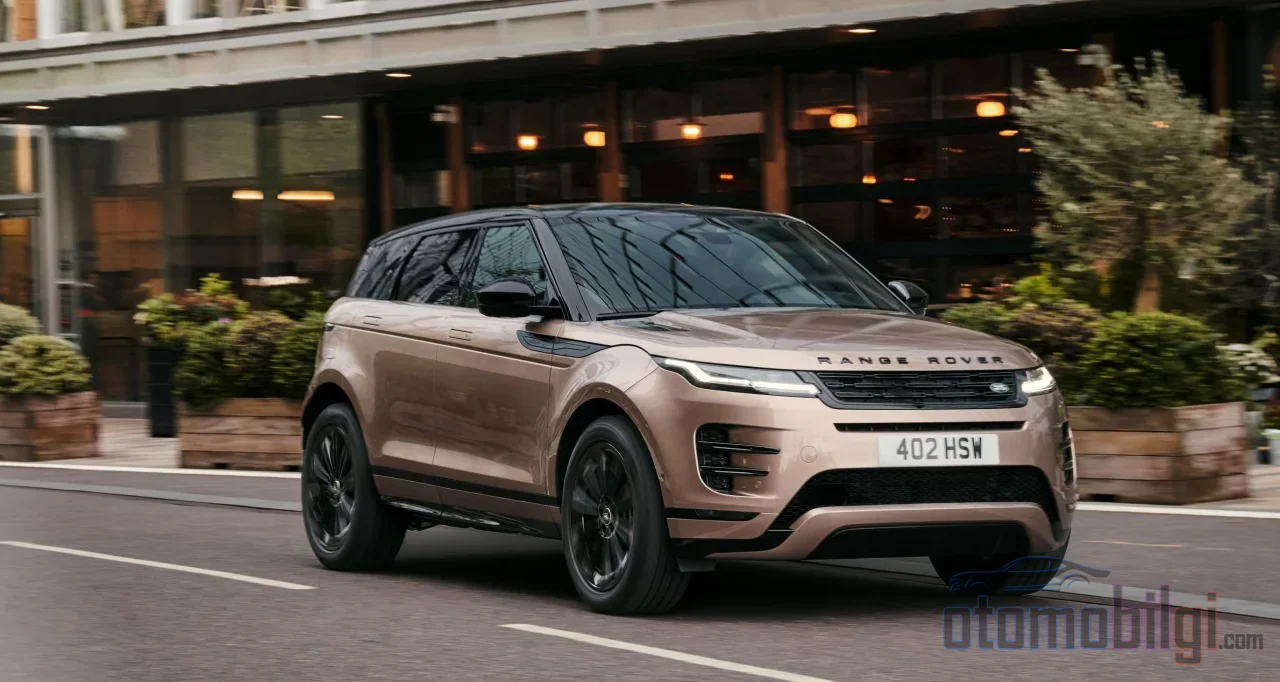
Two models that once carried the Range Rover to the most visible corner of showrooms are fading into the history books. JLR has officially confirmed that production of the Range Rover Evoque and Range Rover Velar will end in mid-2027; neither will be directly replaced. The brand's entry point is being handed over to the electric Range Rover GT, expected to go on sale at around $90,000. The decision is the announcement of a strategy shift beyond the retirement of a single model: Range Rover is no longer moving downmarket; it's moving up.
So who will fill the gap, what will the factories build, and can the customer in the $50-60,000 band find a place for themselves within JLR? According to confirmed information, every question points to the same place: Defender and Discovery.
What does the official confirmation say: Evoque and Velar are being dropped from production in 2027
According to the picture clarified on November 3, 2026, both models will remain in production until mid-2027. JLR says production will be halted as part of the natural product life cycle, alongside the facilities' transition to next-generation vehicles. Sales will continue through 2027 in selected global markets where demand remains strong. So a date can be predicted for the last Evoque and Velar to leave the factory; the real uncertainty was whether North America would be included in this definition of "strong demand" - JLR gave no clear answer on that.
The most striking point concerns what happens after production ends: No next-generation models are planned to replace the Evoque and Velar. That means a permanent change in the tiering of JLR's product lineup. Being the entry-level Range Rover is now the GT's job.
Highlights
- Production of the Evoque and Velar ends in mid-2027; no successor is coming
- The entry-model duty passes to the electric Range Rover GT, expected to go on sale at around $90,000
- The Halewood plant will focus on the GT and a new Defender model, while Solihull focuses on the Range Rover, Range Rover Sport, and Jaguar Type 01
- The two models accounted for only about 10 percent of the brand's US sales this year
- Range Rover Electric is on the way with an EPA-estimated 333-mile range on a full charge and an MSRP of $138,000
The two models' place in the lineup and their sales history
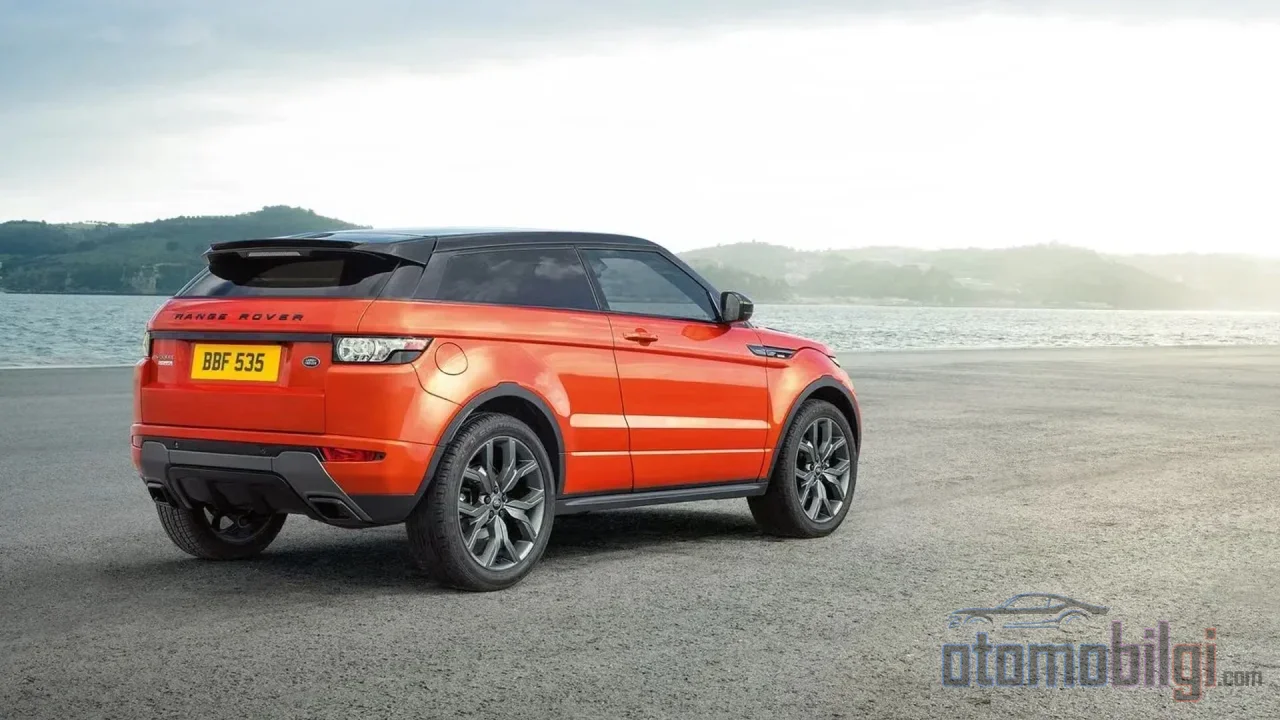
The Evoque and Velar were projects that sparked considerable debate when they launched but significantly grew JLR's sales volume. While the Evoque brought the premium brand down to a genuinely accessible price for the first time, the Velar settled into the gap between the compact Evoque and the Range Rover Sport, redefining the brand's design language with its minimalist design. The Evoque Convertible, the strangest product of that expansion, is still remembered; the brand wasn't afraid to experiment in those years.
The current generations, however, are now well beyond maturity: The Velar was introduced in 2017 and the Evoque in 2018, and both received facelifts for the 2024 model year. On the pricing side, the Evoque starts at around $52,000 and the Velar at around $64,000.
The sales figures also explain the arithmetic behind the decision. So far this year, the two models together have accounted for only about 6,000 units of Land Rover's US sales - roughly 10 percent of the brand's 2026 US volume. In better days, for example in 2022, the Velar sold 8,565 units in the US, and the Evoque 6,022. The trend is clear: the volume center has long since shifted to other models.
How are the factories being reorganized?
Behind the scenes of the production end, JLR is redrawing its manufacturing map in the UK. Halewood is the home of the Evoque and the Discovery Sport. It had already been announced that Discovery Sport production would end at the close of 2026, in December; now, with the Evoque also departing in mid-2027, the factory is moving entirely to a new generation of vehicles: the new Range Rover GT and a new model from the Defender family will be produced at Halewood.
Solihull, meanwhile, is shifting its weight to the brand's upper end: Range Rover, Range Rover Sport, and Jaguar's electric sedan Type 01 will make up this facility's workload. In short, both factories' capacity is being transferred from internal combustion compact SUVs to a new electric generation.
Who is the Range Rover GT for, and when is it coming?
The GT was officially confirmed on July 22, 2026, as the brand's fifth model line. Developed on the EMA architecture, the vehicle will launch as fully electric; however, the platform can also accommodate gasoline and hybrid powertrains. The portrait drawn from the unveiled prototype is unusual: a low, sedan-like body with coupe proportions and a minimalist interior - a design in which the classic Range Rover silhouette has been deliberately abandoned. All-wheel-drive electric powertrains are among the standard expectations.
One should be cautious about the timetable: apart from the launch being expected in 2027 and the production version expected as a 2028 model year, there is no official date. Battery capacity, technical specifications, and pricing have not yet been announced; a starting price of around $90,000 is an estimate at the expectation level. Automotive history has repeatedly shown that such timetables can slip; for now, the only certainty is that the GT will open the door not to the Evoque's segment, but to one much higher up.
The bigger picture of the electric transition
Reading the Evoque and Velar decision on its own falls short. JLR is carrying out its electric transformation on multiple fronts at once: the Range Rover Electric is on the market, the Range Rover Sport Electric is in preparation, and on the Jaguar side, the Type 01 is on the way. The technical identity of the first electric Range Rover has also become clear: an 118.5 kWh usable dual-layer lithium-ion battery, 344 prismatic cells, and an MSRP of $138,000 in the US. An EPA-estimated full-charge range of 333 miles is among the figures that should now be on the table in the luxury segment.
In this picture, the retirement of the Evoque and Velar means the lower end of the lineup is being rebuilt with the electric GT, and the upper end with the Electric family. Brands once went downmarket to grow their volume; now the volume load will be carried by Defender and Discovery, while Range Rover will be pinned to the upper segment.
Who will fill the gap below $90,000?
The most debated aspect of the decision is the price arithmetic. There is a chasm between a $52,000 Evoque and a $90,000 GT; the brand's entry price is rising significantly. Some commentators argue that the GT could actually do the Velar's job in terms of size, and that the real gap left by the Evoque is far wider. The opposing view is more level-headed: a brand that does not have to bring Range Rover down to every price point; in the segment below $90,000, JLR already has two strong names in hand.
The visible part of the plan is this: it is stated that a smaller Defender Sport model is in development, and it is discussed that the Discovery Series could be revived in the future, most likely as an electric vehicle. So the Evoque customer does not have to abandon the brand entirely; they are simply switching doors - Defender or Discovery instead of Range Rover.
On the other hand, one uncertainty should also be noted: the July announcements had reported that the two models would remain in production for a while longer. The current situation is an official end-of-production confirmation that goes beyond those statements; as the plans became clear, so did the language.
Assessment: a brand moving up, a family expanding
The short answer is this: production of the Evoque and Velar will end in mid-2027, with no direct successor coming, and the brand's entry model will be the electric Range Rover GT, expected to start at around $90,000. Throughout 2027, the two models will continue to be sold in selected markets where demand remains strong.
For someone who has swallowed the dust of this business, the picture is not unfamiliar. Automotive history is full of stories of brands diluting their prestige for the sake of volume; JLR is trying the opposite. Pinning Range Rover solely to the upper segment and leaving the accessible price zone to Defender and Discovery is a consistent division of labor on paper. On the risk side, however, everything hinges on a single fact: if the GT fails to meet expectations, the brand is left with neither a $52,000 Evoque nor a $90,000 alternative. 2027 will be the turning point of this bet.
Sources
- Range Rover Replacing Evoque and Velar Models with Upcoming GT EV
- Range Rover Evoque and Velar Won't Live Past 2027
- Range Rover Evoque, Velar will not be replaced after production ends in 2027
- Range Rover Evoque, Velar axed by end of 2027 as brand moves upmarket
- 2028 Range Rover GT: What We Know
- Range Rover Electric: A New Era for the Original Luxury SUV
- A New Era of Electric – Range Rover GT