The Costs of Car Ownership Nobody Talks About

When it comes to the cost of car ownership, comprehensive insurance, motor vehicle tax and fuel come to mind; yet what really wears down your budget are the daily items nobody ever headlines: parking and valet fees, penalty points, HGS balance risk, inspection preparation, car washes and towing packages. On this page we lay out these invisible expenses one by one, and explain how to calculate each one based on your own usage and reduce them as much as possible.
Highlights
- In a single year, 100 penalty points the license of a driver who accumulates 2 months is suspended for a period of
- An unpaid HGS toll, if the debt is pursued, can turn into a fine of up to 4 times the original amount.
- The penalty-free payment window for a crossing without sufficient balance is only 15 days.
- A vehicle with a traffic fine, tax debt or unpaid toll penalty may fail the inspection.
- The most common reason for failing the inspection is the brake system; misaligned headlights follow on the list.
Parking and Valet: The Expense That Starts the Moment You Stop Driving
Finding a spot and parking in the city center used to be a matter of patience; now it is directly a matter of budget. In large metropolitan areas, hourly parking fees have come to rival the strength of monthly subscriptions; in some major cities, hourly rates are not in the hundreds of thousands, but the numbers being discussed reach ten thousand with a monthly subscription. Even if your car sits in the garage, this expense is the most easily forgotten line in your ownership account.
When doing the math, separate four distinct items: a covered parking subscription near work or home, daily downtown parking fees, neighborhood parking permits, and mall/valet charges. Multiply each by its monthly frequency; most drivers see this total for the first time and find a figure approaching their annual comprehensive premium.
Ways to reduce parking and valet expenses
- Look for a subscription instead of daily parking; airports and some city parking lots offer multi-entry monthly passes, which provide significant savings on multiple exits compared to single entries.
- Time management works at city parking meters: in some tariffs the first ten minutes are free and the first half hour is a fixed rate; for short errands, choosing the right duration saves money.
- If you are going to use valet service, ask about the fee before the car is handed over ; complaints about the fee being charged without any sign displayed are not few.
- Learn about free roadside zones and workplace agreements; usually there is a cheaper option a few hundred meters behind the places you frequently visit.
Traffic Fines and Penalty Points: Not About Money, But License Risk
The real teeth of the penalty system lie in points rather than money. Each monetary fine also incurs penalty points; points are calculated not by the calendar year but over a one-year period backward from the date of the violation . This distinction differs from what most drivers know and it changes your strategy: points you receive in January are still on your file in December. A driver who reaches 100 points in one year has their license suspended for two months.
Points vary depending on the violation; items include 30 points for failing to yield to pedestrians and 20 points for parking in a prohibited area. Since current penalty amounts change from year to year depending on traffic policy, memorizing a fixed figure is meaningless; regularly checking via e-Devlet is the most natural way to see the points in your file.
Keeping fines out of your budget starts with habit
To be honest, the most effective saving measure here is not technical but behavioral: obeying speed limits and parking bans. That said, a healthy ownership budget should set aside a small monthly reserve for fines; if it goes unspent, it is transferred to the maintenance fund at the end of the year. Remember: an unpaid traffic fine not only accrues interest, it can also block your inspection day.
HGS and OGS Balance Risk: How a Small Debt Becomes Four Times Larger
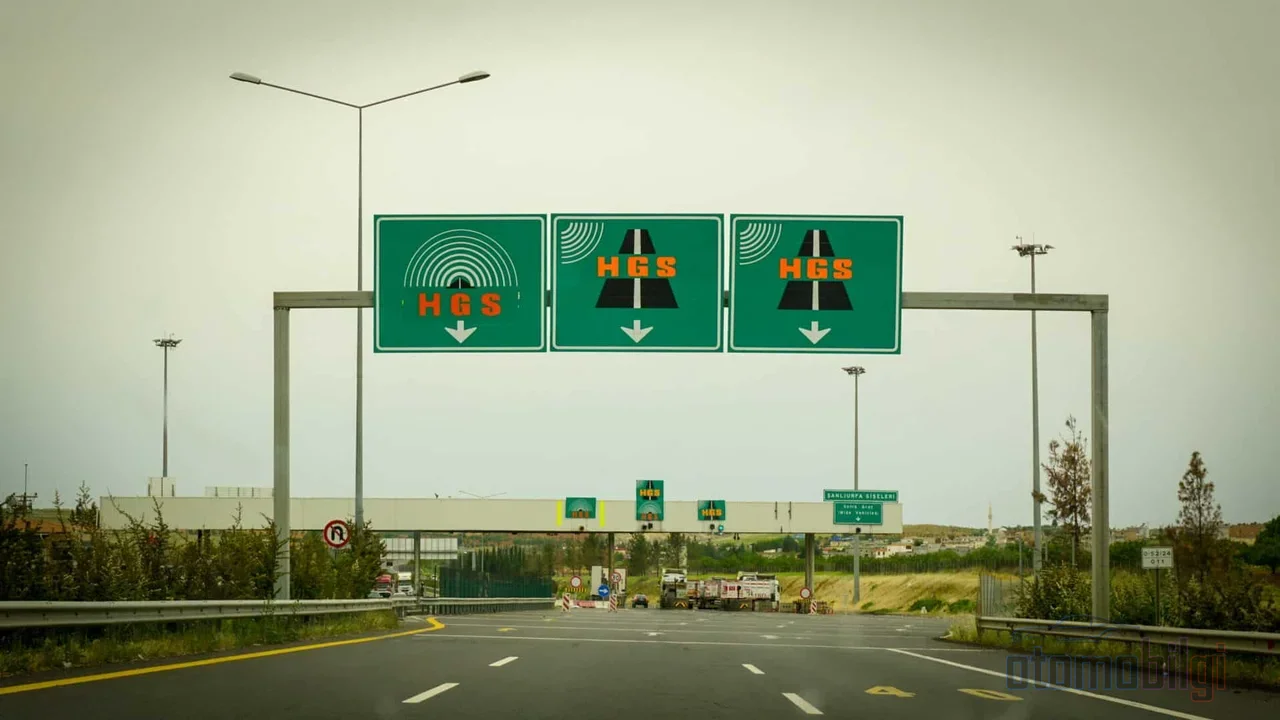
If there is sufficient balance in your HGS account, the toll is collected without penalty; if there is no balance, the crossing becomes a violation. The critical information concerns timing: if you load balance to your account within 15 days of the crossing date, you can make the payment without penalty. A debt that misses this window can turn into a fine of up to 4 times the toll when transferred to the collection process, and legal proceedings may begin. Querying crossing violations through the official violation tracking system is more reliable than manually monitoring the fifteen-day calendar.
There is also a trap from the past: OGS usage was terminated as of March 31, 2022. Drivers who pass through the OGS lane out of habit even though they have an HGS with sufficient balance may encounter cases where uncollected crossings become penalized. If you still have an old OGS product, you must definitely complete the transition to HGS.
- Set up an automatic balance top-up instruction; let the account feed itself when the amount approaches the limit.
- Make it a habit to check your balance after returning from a long trip.
- If you see a violation notice, close it out without waiting out the 15-day window.
Inspection and Exhaust Emission: Avoiding a Second Payment Requires Preparation
Vehicle inspection is required every three years for new vehicles and every two years thereafter; during this period, the inspection appointment, road test, and a possible second session are plannable items in the ownership budget. The real expense does not appear the first time, but when you go unprepared and the vehicle fails: both the second appointment and the resulting repair bill pile on top of each other.
Most common reasons for failing inspection
- Brake system defects: the most critical reason for rejection; have the pads and discs checked in advance.
- Headlight adjustment: misaligned or non-functioning headlights are one of the most common causes; if the low beam is adjusted like a high beam, a defect is recorded directly.
- Lack of exhaust emission certificate: without a valid report, the vehicle fails outright; you can have the report done at most stations before the inspection.
- General condition: on an excessively dirty vehicle, the plates and parts are unreadable; items like glass and mirrors top the deficiency list.
Preparation consists of three steps: reviewing the pre-inspection checklist, having the headlight adjustment and brake check done, and preparing the registration certificate and a valid exhaust report in advance. Also keep this in mind: vehicles with traffic fines, tax debts, or toll evasion penalties may have problems during the inspection process. Driving without fines makes you money here too.
Towing and Roadside Assistance: Compare and Decide with a Single Invoice
Roadside assistance is a line item most drivers never need, but on the day they do need it, it saves lives. The package structure is simple: standard packages covering basic urban towing, tire replacement, battery jump-start, and fuel support, and comfort packages offering higher towing amounts and additional services. Depending on coverage, there are packages offering towing support of up to 13,000 TL and recovery support of 6,500 TL; the limit amounts vary noticeably from package to package.
The decision method is mutual: compare a one-time towing invoice with the annual package price. If you know you will use a tow truck once or twice a year, the package is probably sensible. Also check your policy: roadside assistance and a towing clause can be added to mandatory traffic insurance, and even without comprehensive insurance, free towing rights of once or twice a year can be provided; knowing whether your current comprehensive insurance covers a roadside assistance package prevents a second payment from the start.
Washing and Cleaning: Small Line Items, Big Total
One or two simple washes a week become a noticeable line item by the end of the month; detailed services can double that total. The savings here is not about giving up washing entirely, but doing it right: washing in the shade on a cool surface, rinsing off coarse dirt first, working from top to bottom with a microfiber mitt and a car-specific shampoo, and staying away from dish detergent both protects the paint and reduces the need for detailed services. The order is part of the job too: wheels and tires, pre-wash foam, rinse, shampoo wash, detailing, final rinse. Abrasive and harsh chemicals produce shine in the short term but costs in the long term.
How Do You Fit Hidden Line Items into Your Budget?
The method is single and simple: take the last 12 months' total vehicle expenses from your bank and card records, and divide by 12. See the share of parking, valet, fines, HGS tolls, washing, and roadside assistance in that total. Compare the real monthly cost you obtain with the cost of public transport or a taxi alternative for the same distance; the monthly public transport test grounds the ownership decision on data rather than feelings. In today's environment where current prices become outdated quickly, this is what endures: not memorizing the number, but being a reader who understands the calculation.
None of these items alone is enough to make you sell the car; but when added up, their reducible share is high. Subscription parking, driving habits that produce no fines, an automatic HGS balance, and pre-inspection preparation - the total of all four makes a visible difference in the annual budget. For many years we have seen the same result: it is not the expenses coming from the car, but ownership without calculation that means expense.
Sources
- Is Owning a Car Sensible? The Real Costs in Türkiye
- Parking lots in Istanbul burn a hole in your pocket
- HGS - General Directorate of Highways
- Most Frequently Asked Questions About HGS
- HGS Debt Payment
- Vehicle Inspection Guide - TÜVTÜRK
- Most Common Points of Failure in Inspections and Preparation Guide
- What Are Driver Penalty Points
- Traffic Fine Points Table
- Everything About Traffic Fines
- Roadside Assistance Package
- Does Traffic Insurance Provide Towing and Roadside Assistance?
- Free Airport Parking Usage and Valet Service
- Parking Fee Rates
- How to Wash a Car? Washing Tips and Tricks