What Does the 2026 Opel Mokka Petrol City SUV Offer?
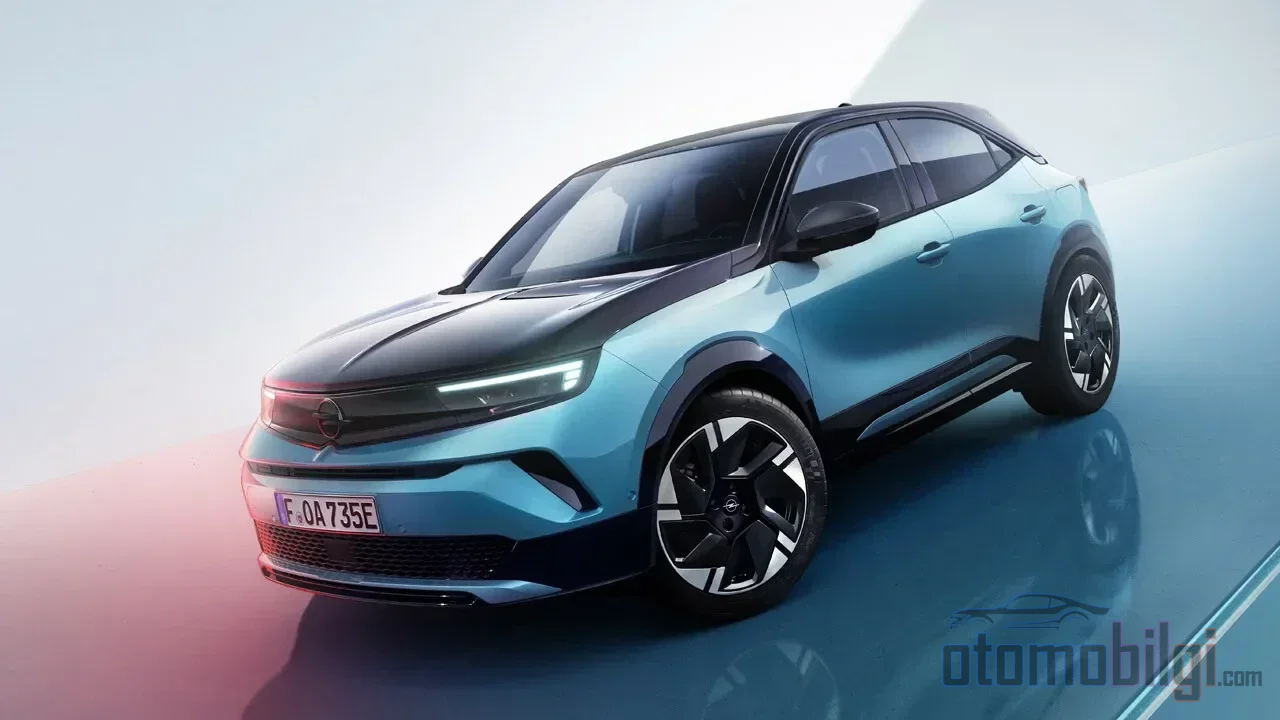
One of the toughest tests in the B-SUV segment is to combine design and practicality in the same body. On one side, the user who parks in narrow lanes and has to squeeze a stroller or a sports bag into the trunk; on the other, a body line that wants to catch the eye in the dealership showroom. The petrol Opel Mokka stands at the intersection of these two demands, is still sold brand new in Turkiye, and is a compact SUV that puts design at its center. So how well does this design-focused identity hold up alongside a 1.2-liter three-cylinder turbo engine and a 350-liter trunk?
This article was not written to read a price list, but to read the model's identity: Engine character, transmission options, interior quality and trunk practicality are examined along with their strengths and weaknesses. Hybrid and electric variants are out of scope; the subject is only the petrol Mokka.
Who Is the Opel Petrol Mokka Aimed At?
Mokka's target profile is different from the classic family SUV buyer. With its dimensions suited to urban use, high seating position and SUV looks, the model is positioned as Opel's entry into the B-segment compact SUV market; but its emphasis is on identity, not volume. User experiences also indicate that the model speaks mostly to younger profiles seeking design and character, rather than families with children. Moreover, Opel's own data confirms that the petrol automatic versions are among the most preferred combinations in Turkiye - meaning the market takes this engine seriously.
The priorities of this profile are listed accordingly: Visual distinction, digital cockpit, everyday fluidity and reasonable consumption. The widest rear legroom in its class or the biggest trunk is not at the top of the list. To evaluate the Mokka correctly, you need to accept this order of priorities; otherwise the comparison already starts off unfair.
The 1.2 Turbo Engine: Three Cylinders, Character and Numbers
At the heart of the petrol Mokka is a three-cylinder turbocharged engine with a capacity of 1,198 cc. This unit, producing 130 HP at 5500 rpm, derives its true character from its torque curve: 230 Nm at 1750 rpm of torque sums up why turbocharged petrol engines are so useful in the city - instant pull even at low revs. The body, which does not exceed just over four hundred kilograms (1195 kg curb weight), makes good use of this torque; 0-100 km/h in 9.2 seconds, with a top speed of 200 km/h.
The common finding in driving impressions is this: 130 HP and 230 Nm are sufficient for both urban dynamism and out-of-town performance. Combined with the lightweight body, the engine offers a smooth and comfortable character in daily use. As for fuel consumption, the realistic picture is around 6.5-7 liters in the city with calm driving; for a vehicle in the B-SUV segment this figure is reasonable, but a driver with an aggressive right foot should raise their expectations.
Highlights
- The 1.2 turbo petrol engine: 130 HP and 230 Nm of torque, 0-100 km/h in 9.2 s
- The AT8 automatic transmission, one of the most preferred combinations in Turkiye
- Cargo volume 350 lt; maximum folded volume varies around 1105-1372 lt depending on the measurement method
- Pure Panel cockpit consisting of a 12-inch digital display and a 10-inch infotainment screen
- Cx 0.32 drag coefficient - proof that design is not just about looks, but a measurable aspect
The Timing Belt Debate: A Known Issue, A Balanced Reading
This engine has a well-known topic on the table: the wet timing belt of the PureTech family. In this design, where the belt rotates in oil, users report that the belt degrades and wears over time, requiring periodic timing belt replacement; isolated failure records also exist on forums and complaint platforms. While official presentations paint a trouble-free picture of the engine, it would not be wrong to take this known debate into account when questioning the maintenance history of a used one. In short, the engine wins in character, while the reliability debate comes down to maintenance discipline - asking for maintenance records before buying should be a standard step in this class.
Transmission Options: Automatic or Manual?
The current Mokka arriving in Turkiye was offered with the 130 HP engine paired with an 8-speed automatic (AT8); the launch featured the Edition and GS trim levels. On the other hand, the 136 HP manual version is also mentioned in the product lineup - meaning the range is flexible enough not to be reduced to a single engine-transmission combination. The conventional torque converter 8-speed automatic is a calm and predictable choice for drivers who do not want the low-speed hesitation of dual-clutch gearboxes (DCT/DSG); smooth gear changes in city traffic make a difference in this class.
| Feature | Value |
|---|---|
| Engine | 1,198 cc, 3-cylinder turbocharged petrol |
| Power | 130 HP at 5500 rpm |
| Torque | 230 Nm at 1750 rpm |
| Transmission | 8-speed automatic (AT8) |
| 0-100 km/h | 9.2 seconds |
| Top speed | 200 km/h |
| Cargo volume | 350 lt (max. 1105-1372 lt, depending on measurement method) |
| Kerb weight | 1195 kg |
| Fuel tank / Cd | 44 lt / 0.32 |
The difference in cargo values in the table stems from the measurement method: Some measurements are based on the standard test fill, while others give the theoretical volume up to the load line. Since the rear seats can fold in a 60/40 ratio, flexibility for long items is preserved; in practice, daily use should be considered based on the base value of 350 liters.
Interior: Design First, Volume Sacrificed
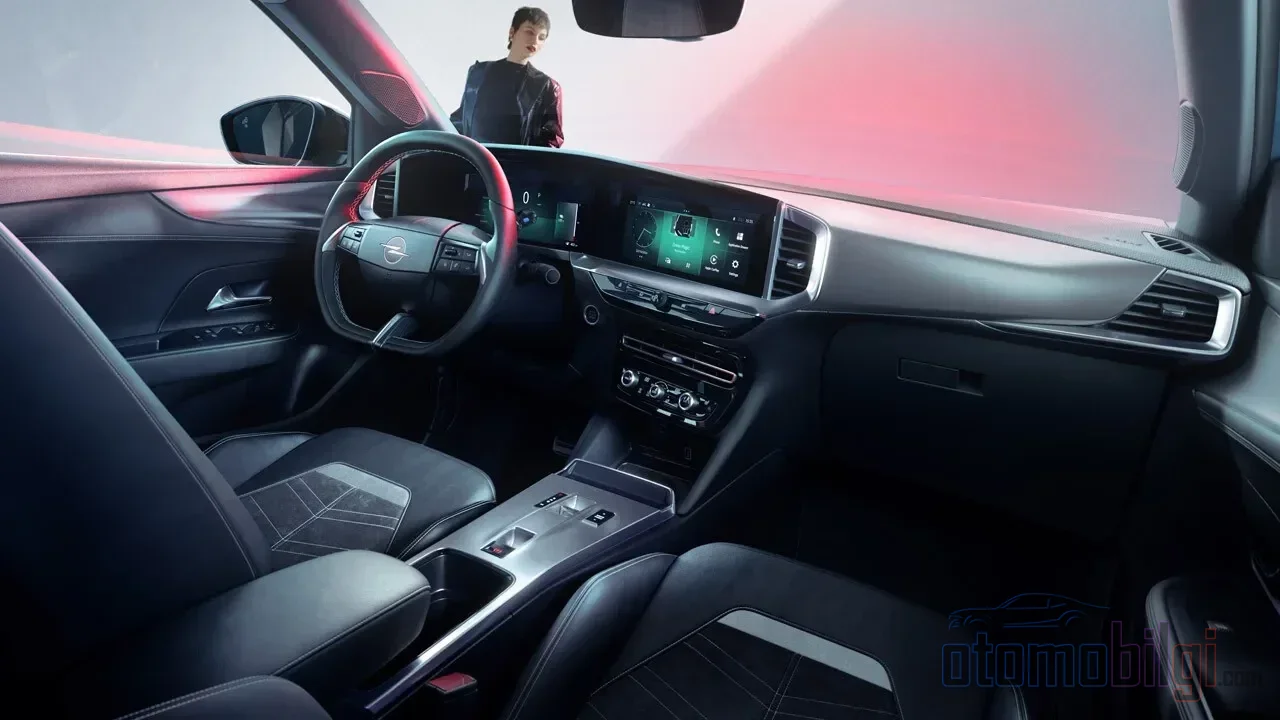
The cabin is Mokka's non-negotiable card. In the facelifted body, the new-generation Pure Panel digital cockpit combines the 12-inch digital display and the 10-inch infotainment screen on a single horizontal plane. Despite its compact dimensions, this layout gives a sense of spaciousness and creates a prestige familiar from the upper segment - it still remains visually impressive in its class. On the hardware front, safety features such as forward collision warning, blind spot warning and hill start assist make the list; At GS level, 18-inch wheels and a rearview camera stand out.
On the other hand, two criticisms are consistently repeated in user experiences: Interior space can feel tight, especially in the rear seats - those using child seats may have to reconsider their seating positions - and some users find the perceived material quality falls short of the design. The middle ground here is setting expectations correctly: In this class, looking for solid assembly and sound ergonomics rather than premium touches is a more accurate filter. The differing opinions on perceived quality stem precisely from this difference in expectations.
Against Its Rivals: How It Differs from the C3 Aircross and Arona
What makes the Mokka stand out in the B-SUV crowd is knowing which battles to pick. Compared to the Citroën C3 Aircross, it lags behind on the cargo front: While the C3 Aircross offers 410 lt, the Mokka loses points in the practicality test with 350 lt - and for two vehicles of similar size, this difference is noticeable in everyday use. Against the Seat Arona, however, the picture reverses: Comparison analyses show that the Mokka leads in most measurable criteria, with a slightly wider and noticeably lower body; the low body is also the geometric explanation for the model's sporty stance.
When considered alongside rivals with a similar philosophy such as the Peugeot 2008 and Ford Puma, the Mokka's distinguishing axis becomes clear: A design language that is more angular and sharper, independent of its French cousin; An equipment package structure supported by a German-origin image and the warranty confidence added by Opel's service network. For the buyer who puts their faith in character rather than show, this balance is a meaningful starting point.
Strengths and Weaknesses: A Balanced Assessment
To sum up the picture from an engineering standpoint, the advantages of the petrol Mokka can be listed as follows:
- 230 Nm of torque arriving at 1750 rpm: A real difference in city use, a good power/torque/weight balance.
- 8-speed automatic: More predictable than dual-clutch boxes, smooth in traffic.
- Pure Panel cockpit and digital package: A visually ambitious interior signature in the segment even today.
- Low and sporty body: A design that also serves aerodynamics with a Cx value of 0.32.
The weaknesses are also clear: The 350 lt trunk is not the best in class, rear seat space is risky for family-oriented use, the wet timing belt debate makes maintenance planning essential, and the material perception does not satisfy everyone. These are not flaws to be hidden, but trade-offs that are neutralized once the right buyer profile is chosen.
Conclusion: The Right Choice for Whom?
The petrol Opel Mokka is not a vehicle that tries to appeal to everyone in the B-SUV segment; it chooses a clear buyer. With the 1.2 Turbo 130 HP engine, 230 Nm of torque and the 8-speed automatic, it is a smooth and adequate package for city use; the Pure Panel cockpit, meanwhile, is a genuine differentiator in the segment. The price is paid in the trunk and rear seats: Users seeking family-sized practicality slide toward the C3 Aircross, while those who prioritize design, cockpit and everyday dynamism feel right at home in the Mokka. The wet timing belt debate should not be ignored, but it is an issue that can be managed with regular service records. In short, the Mokka is a choice that appeals to the eye and the right foot rather than to practicality measured by the pencil's thickness - and for the right buyer, that choice turns into a coherent engineering decision.
Sources
- Opel Mokka - Official product page
- The New Opel Mokka Is in Türkiye! - Stellantis Türkiye Media
- Opel Mokka Turns One! - Opel Türkiye
- Opel Mokka Test and Driving Impressions - Arabam.com Blog
- The Renewed Design and Features of the 2025 Opel Mokka - Arabalar.com.tr
- Opel Mokka B - Technical specifications - Automoli
- 2025 C3 Aircross vs 2025 Mokka - ArabaVS
- Opel Mokka vs Seat Arona - Carvago
- Opel Mokka User Reviews - Sıfır Araçal
- Post-2021 Mokka - DonanımHaber Forum