VW Taigo Review: A 430... Actually 440-Liter Trunk in a Coupe SUV Body
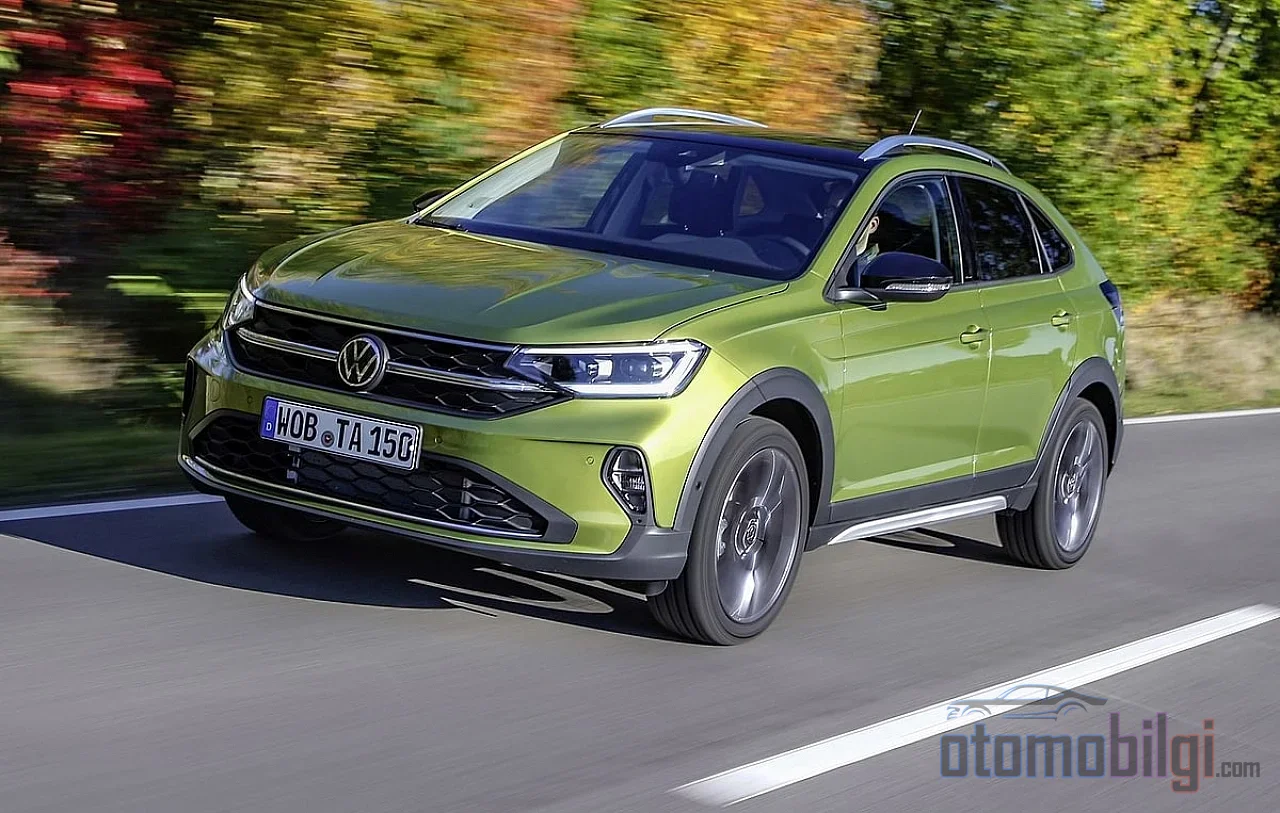
Choosing between two products sitting on the same shelf in the small SUV segment is harder than most buyers think. The Volkswagen Taigo is a car positioned exactly at this point: Although it shares the same MQB A0 platform with the T-Cross and carries the same engines, it comes with a different body, a different character, and a slightly higher price tag. Moreover, the Taigo offers only gasoline engines in its lineup; electrification options or performance versions like a GTI or R are not on the table either. So is it the 1.0 TSI or the 1.5 TSI, and whose car is this coupe-styled crossover really? This guide answers that question by grounding it in measurable data.
What Is the Taigo and Where Does It Stand in the Segment?
The Taigo is Volkswagen's coupe-styled crossover offering in the B-SUV segment. Using the same MQB A0 platform as the Polo and T-Cross, the car shares its technical backbone with these two models; in fact, it is largely the same product as the Volkswagen Nivus sold in the South American market, arriving in Europe with trim and styling differences. In other words, the Taigo is not a car developed from scratch, but a proven engineering foundation packaged with a different body.
Dimensions are an important part of the story. The Taigo is 4,266 mm long, 1,757 mm wide, and 1,518 mm tall; its wheelbase is 2,554 mm. Compared with the Polo on the same platform, it is 213 mm longer, 33 mm taller, and 6 mm wider. This is a difference that translates directly into interior space and cargo capacity. Despite its coupe-style sloping roofline, the car emerges as one of the roomier examples in its class; this is one of the points that is assumed to have been sacrificed for looks at first glance.
Highlights
- Gasoline-only lineup: 1.0 TSI (95 and 116 Hp) and 1.5 TSI (150 Hp)
- Cargo volume is 440 liters, or 1,222 liters with the seats folded
- 1.0 TSI 116 Hp: 200 Nm of torque, 0-100 km/h in 9.9 seconds, average 5.4-5.5 l/100 km
- Transmission: 6-speed manual or 7-speed DSG dual-clutch, front-wheel-drive layout
- Same underpinnings as the T-Cross, 15 liters less cargo space but a more coupe-like silhouette
1.0 TSI or 1.5 TSI: The Character of the Engine Lineup
1.0 TSI: Urban efficiency
At the entry level sits the 999 cc inline three-cylinder, turbocharged 1.0 TSI engine. This engine is offered in two power levels: 95 Hp and 116 Hp. The 116 Hp version produces 200 Nm of torque, completes 0-100 km/h acceleration in 9.9 seconds, and has a top speed of 196 km/h. Average consumption is in the 5.4-5.5 l/100 km band, the CO2 value ranges from 124-126 g/km, and the engine complies with the Euro 6 emission standard. With a curb weight of 1,169 kg, the car is considered light for its segment; this is one of the main reasons for both its fuel consumption and its everyday agility.
The manufacturer's own positioning is telling: The 95 Hp entry version is recommended for urban use, light duties like school runs, and efficiency-focused customers. Smooth performance and good fuel economy are this engine's identity. The 116 Hp version, meanwhile, has a character that is comfortable in the city but reveals its limits in terms of noise and power at higher speeds. The inherently noisier operation of three-cylinder engines also comes into play here.
1.5 TSI: The long-distance engine
At the top of the range sits the four-cylinder, turbocharged 1.5 TSI, producing 150 Hp. This engine runs noticeably more smoothly than the 1.0-liter units, is quieter, and offers a clear advantage in overtaking performance. This is the engine that regularly long-distance drivers should choose; being able to overtake on the highway without revving into the top of the rev range is something achieved with effort in the small engine; in the 1.5 TSI it becomes second nature.
Transmission options
Power is sent to the front wheels. On the gearbox side there are two options: a 6-speed manual and an optional 7-speed DSG dual-clutch automatic. The DSG is a comfortable solution for daily use, but in line with the general tendency of its class it is known to be slow to respond, and can keep the driver waiting especially during quick maneuvers. For most buyers, the balanced choice stands out as the 116 Hp 1.0 TSI combined with the manual transmission; cost, efficiency and adequacy come together in this package.
| Engine | Power | Torque | Transmission | 0-100 km/h |
|---|---|---|---|---|
| 1.0 TSI (three-cylinder) | 95 Hp | 175 Nm | Manual / DSG | 11.1 s |
| 1.0 TSI (three-cylinder) | 116 Hp | 200 Nm | 6-speed manual / 7-speed DSG | 9.9 s |
| 1.5 TSI (four-cylinder) | 150 Hp | 250 Nm | DSG | 8.3 s |
Interior and Trunk Practicality
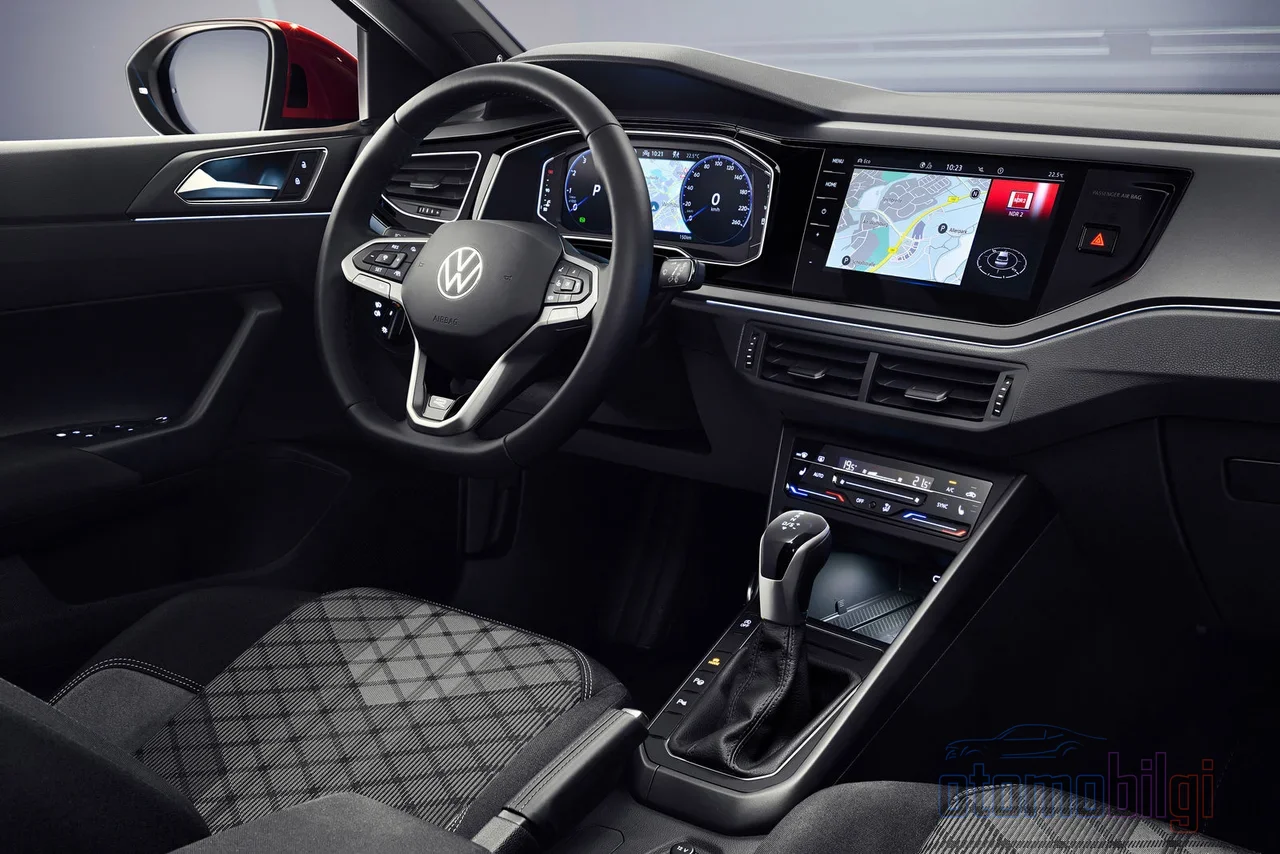
The most surprising aspect of the Taigo is its interior space. Looking at the sloping coupe-style roofline, one expects a cramped cabin in the rear seats; yet one encounters space above the segment average. The balanced suspension setup and the separate climate control panel are also among the details that contribute to everyday quality of life. The criticisms are directed at material quality: the plastic feel in the surfaces and touchpoints is noticeable, and Volkswagen's known complaints on the infotainment systems side also persist in this model.
In the trunk, the figure is 440 liters; with the rear seats folded, the volume goes up to 1,222 liters. This value is approximately 4.8% above the segment average and is almost the same as the T-Roc; it is on a par with rivals such as the Ford Puma, Nissan Juke, Peugeot 2008 and Renault Captur. It is clearly above the 388-liter cargo volume of the Toyota C-HR. The limitation comes from the shorter body: a size restriction is felt when loading long items.
What Is the Difference Between the Taigo and the T-Cross?
The two cars mechanically share the same platform; the difference lies in body identity and pricing. The Taigo is described as the coupe-SUV sibling of the more angular T-Cross. In trunk volume, the Taigo is 15 liters smaller than the T-Cross; and in overall practicality assessments, the T-Cross is shown one step ahead. On the other hand, the widespread buyer impression is that the Taigo's cabin looks more spacious.
On the price side, the picture reverses: In the UK market, the Taigo starts from under £26,000 and is roughly £2,000 more expensive than the T-Cross and roughly £2,500 more expensive than the T-Roc. The selling point is the coupe image; the price of this image comes with criticisms such as the full-width rear light bar obstructing visibility. In short, the buyer pays a premium for a more stylish packaging of the same engineering.
Where It Stands Out and Where It Falls Short Against Its Rivals
The Taigo's position within its segment is balanced: it is regarded as a standout, easy-to-live-with vehicle in the crowded small SUV field; there is broad consensus that it offers a stylish, comfortable and practical package. Its ability to combine a coupe-SUV look with reasonable running costs and an easy driving character is made possible by its firm commitment to petrol engines across the range. A size comparison with the Nissan Juke is also interesting: the Juke has a body that is 5.6 cm shorter and 8 cm taller than the Taigo's; in other words, the two vehicles offer different proportions in the same segment.
Its weaknesses cannot be ignored. There are criticisms that it lags behind its rivals in driving fun and that the automatic transmission can be slow to respond; it is not counted among the fun-to-drive examples in the segment. Material quality and the sound character of the three-cylinder engines are also points that stand out if you do not push hard. One of the harshest criticisms comes from driving comparisons: more is expected from the Taigo in the face of the Ford Puma, and there are assessments that the Puma could be chosen with the same budget.
Reliability Note: Known Issues
Owning one requires a realistic perspective. Among the reported issues, DSG transmission failures and infotainment system glitches stand out; there have been complaints that the MIB3 system has stability problems across the Volkswagen Group, such as the screen freezing and going dark. On the turbocharger side, there are reports of failures at early mileages such as 60,000-100,000 km; sudden power loss, increasing exhaust smoke and turbocharger problems appearing with a whistling sound have been reported for the 1.0 TSI. This picture does not mean it will happen with every car; but it makes sense to look at these topics during a test drive and in the maintenance history before buying.
So Who Is the Taigo Ideal For?
The clear answer is this: The Taigo is ideal for buyers who want an efficient petrol car for daily use weighted toward city driving, who prioritize the coupe-SUV line over the classic hatchback or boxy crossover choice, and who seek a different visual identity without major sacrifices in practicality. Engine choice is a mirror of the usage profile: for users with low annual mileage who mostly sit in traffic, the 1.0 TSI is sufficient and economical; the right choice for drivers who regularly take long trips and want reserve power on the highway is the 1.5 TSI.
The reverse is also true: a buyer who puts driving pleasure first, is sensitive to material quality, or is looking for the lowest-priced offer in the segment may not be fully satisfied with the Taigo. The Taigo is not a performance car, it is a statement car; with its 440-liter trunk, balanced suspension, and proven platform, it defends that identity in everyday use as well. The decision comes down to an honest accounting between visual preference and practical priorities, and making that accounting with numbers is the healthiest way.
Sources
- Volkswagen Taigo Review | Top Gear
- Volkswagen Taigo 1.0 TSI (116 Hp) Technical Specs
- Economical and low-emission TSI engines | Volkswagen Newsroom
- Volkswagen Taigo review | Auto Express
- Volkswagen Taigo Review | Drive.co.uk
- Taigo vs. T-Cross: which is better? | Cinch
- 17 Common Volkswagen Taigo Problems | Volksmaster
- Volkswagen Taigo Review, Specs, Boot Space & Trims | Sinclair Group
- Volkswagen Taigo 1.0 TSI Reliability | Car Checker
- Volkswagen Taigo Boot Dimensions | Kofferraum