Why Can Wait Times at EV Service Centers Be So Long?
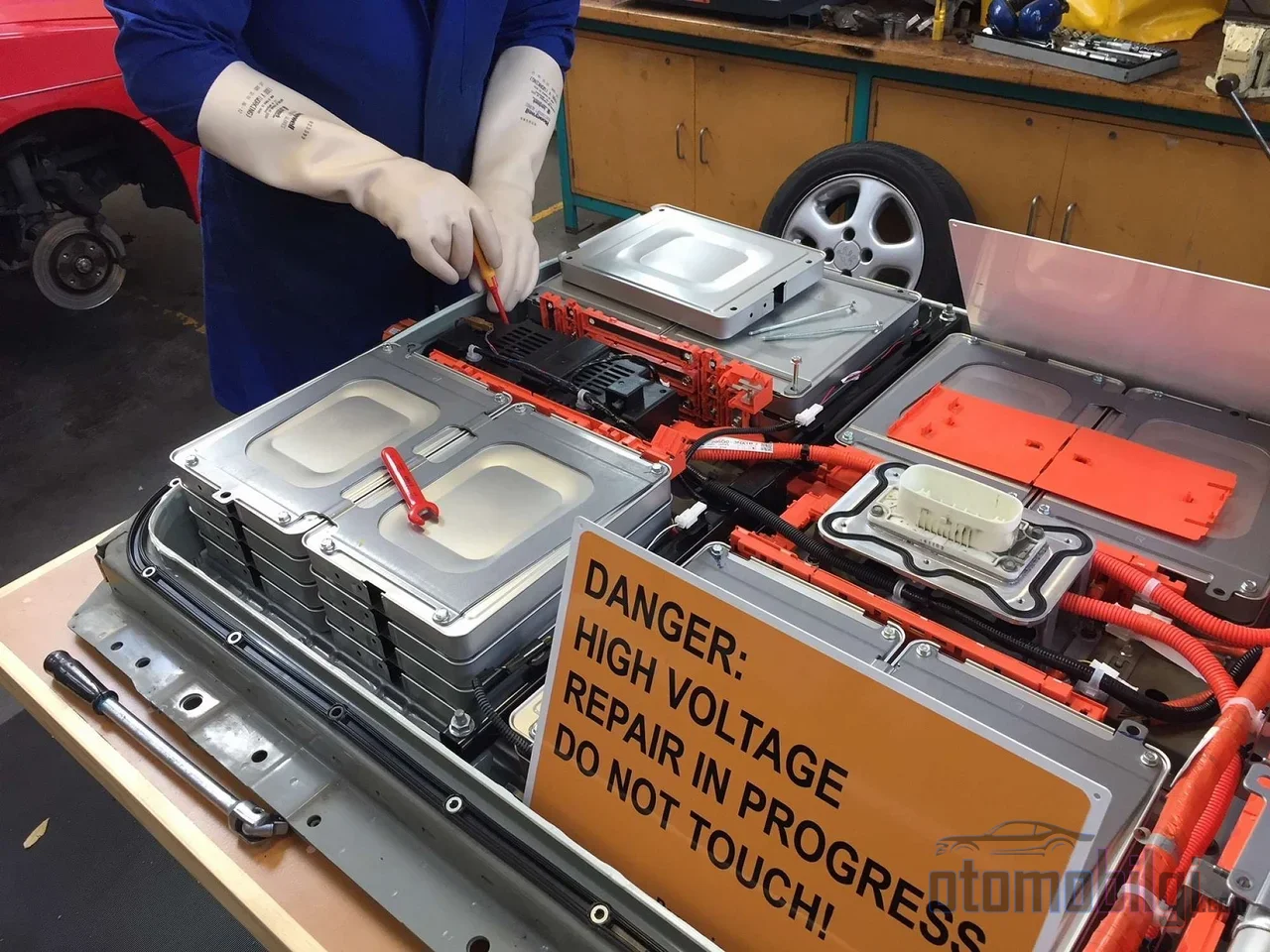
Your electric vehicle's periodic maintenance is done in half an hour, and the bill doesn't even reach half of what a gasoline car costs. Then one day the vehicle won't start, and the time it spends at the service center enters its third week. These two experiences can belong to the same vehicle - and the difference between them is often not the driver's fault, but a matter of supply chain architecture. This is exactly where the least-discussed reality of electric vehicle ownership begins: the gap between cheap maintenance and post-breakdown waiting times is too wide to be measured by gasoline car habits.
Why Is Maintenance Cheap, But Breakdowns So Costly in Time?
An electric car has significantly fewer moving parts than a gasoline one. Exhaust system, transmission, belts, timing belt, spark plugs - they don't exist. In periodic maintenance, the brake system, fluids, tires, and safety checks take center stage; this makes the process both quick and low-cost. A 2024 service industry study clarifies this picture: while the rate of electric vehicles repaired the same day was 40% in 2023, it dropped to 28% in 2024. In other words, routine maintenance sped up, but once a breakdown occurred, repair completion times got longer. Repair times for non-Tesla electric vehicles turned out to be up to 34% longer than gasoline cars in some measurements. After more than 1,300 complaints in two years, Thailand moved to tighten electric vehicle repair standards.
The reason for this contradiction lies in a single mechanism: breakdowns usually occur in centrally supplied components that are not stocked locally, such as batteries, power electronics, or software. In Arizona, finding brake pads is easy; finding a BMS module is not. The system works on two levels: routine operations are predictable, while operations requiring special parts have indefinite timelines. The fewer parts a vehicle has, the more critical each of those parts becomes - and the harder it is to find.
Key Highlights
- The rate of EVs repaired the same day fell from 40% to 28% between 2023 and 2024
- Battery packs can mostly be transported only by sea; supply can stretch to months
- Some manufacturers do not stock certain EV battery modules at all; supply ranges from 2-3 weeks to several months
- For warranty-covered operations, manufacturer approval alone can add 6-8 weeks
- Some consumer legislation markets set a maximum repair time of 45 working days for electric vehicles
Why Do Batteries and Power Electronics Take Weeks, Sometimes Months?
Sea transport restrictions and module stocks
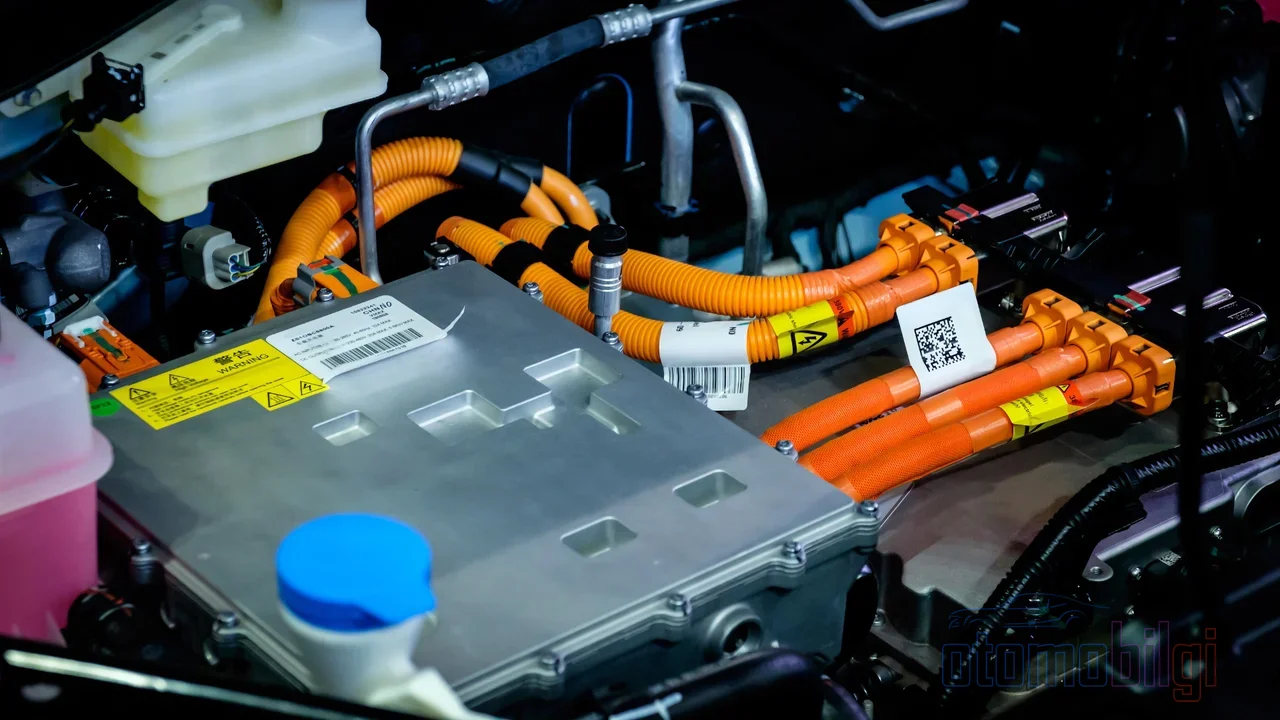
A battery pack is a special load in terms of transportability: due to regulations and logistics, it can mostly be transported only by sea. The air freight alternative is not practical. This single constraint means that a part coming from a production line on the other side of the world is tied to a schedule even before it leaves. For this reason, some dealers are forced to keep batteries on their shelves - because when they place an order, the customer is waiting until it arrives.
Supply data from the Canadian market makes the table concrete: routine maintenance parts arrive quickly, while delays concentrate in EV components, body parts, and low-volume specialty parts. Porsche, Audi, and Volkswagen do not stock some EV battery modules in Canada at all; lead times range from 2-3 weeks to several months. GM, VW, Nissan, and Ford EV owners have had to wait 3 months to over 1 year for battery components and charging ports; the wait time for a Nissan Leaf battery module once exceeded 6 months. The extreme examples are even more striking: a 2017 Chevrolet Volt owner has been waiting nine months for nine parts; a VW owner has queued 10 months for a replacement engine.
Complete replacement or module repair?
There is another break on the technical side of the job: many service networks prefer complete replacement over repairing a faulty battery pack. Yet replacing a single module within the pack or balancing the cells can resolve most failures. This trend becomes even more pronounced in vehicles whose warranty has expired and which are approaching around 8 years of age - you see the market calling this the "8-year syndrome." In China, approximately 20 million EV batteries are about to fall out of warranty, and if the "no repair, replacement only" approach continues, this will grow into an infrastructure problem. For vehicles outside warranty, independent shops being able to perform BMS repair and module replacement is the most realistic option that could loosen this single bottleneck.
Service Network and Warranty Approval: Invisible Waiting Items
Parts supply is not the only bottleneck. EV drivers mostly have to go to an authorized dealer for repairs; a small number of service points meet this demand. Importers' regulations in Türkiye, anticipating this problem, require EV importers to establish at least 20 authorized service stations - yet regional distribution still directly affects actual waiting times. Going outside authorized service is not always possible either: insurers can treat undocumented technician intervention as out-of-warranty.
For in-warranty operations, a second clock comes into play: manufacturer approval. Franchise sector data from Australia shows that the typical wait for enforcing warranty rights is 6-8 weeks; issues above a certain amount - AU$5,000 at one brand - are sent to headquarters, and the approval process alone can take 8 weeks. Some manufacturers require pre-approval for every warranty operation; there are recorded cases where approval of a single warranty claim took 6 hours. When legal liability lies with the dealer but actual control lies with the manufacturer, the dealer is caught between the two sides. Of course, there is a counterargument: industry representatives argue that a less fragmented structure means in principle shorter service times, and that parts supply is manageable. The data says repair times lengthened in 2024 - a structural advantage alone does not eliminate operational bottlenecks.
The software side is a separate item. Charging, the onboard charging unit (OBC), software and electronics faults are also covered within the repair scope; but determining whether a fault can be resolved with a software update, and then scheduling the update, adds extra time. Whether software support for discontinued models will be maintained quickly is never a certainty.
What Do Consumer Rights Say About Waiting Times?
In the face of this picture, the most concrete tool in the driver's hands is legislation. In Türkiye, the maximum repair time for electric passenger cars is 45 business days; if the time is exceeded, the consumer can exercise the right to replacement or refund under the terms for defective goods. The general rule is in the After-Sales Services Regulation: the maximum repair time is 20 business days, and the maintenance-repair time cannot exceed this limit throughout the vehicle's service life. The manufacturer's obligation to stock spare parts varies between 3 and 10 years depending on service life - meaning you have the right to request parts for a certain period even for an electric vehicle that has been discontinued. In other markets the picture is looser: In Australia, dealer organizations are demanding that consumer legislation be updated for modern vehicles, and that financial guarantees held locally and obligations for timely warranty decisions be introduced in case of delays; the government is evaluating the issue on its 2026 agenda.
Who Bears the Cost While the Vehicle Is in Service?
The waiting time is not merely a matter of the calendar. While the vehicle is in service, the driver's transportation need turns into an expense, and who will cover this expense is an uncertain area. Automobile associations in Canada report that "loss of use" coverage is typically limited to 15 days or a fixed amount limit; when a parts delay exceeds this limit, the difference remains with the customer. The recommendation is to raise these limits beyond 30 days. In Türkiye, a replacement vehicle and vehicle seizure in case a certain period is exceeded are among the concrete topics of consumer law debates. A real-life example summarizes the situation: A Toyota bZ4X owner waited 2 months for the heating system repair, and during this period, while continuing to pay for the brand's more expensive electric model, he was given a gasoline-powered Corolla. In some cases, after an accident, the appointment is pushed to the following year due to lack of parts, and no rental car is provided at all.
Questions to Ask Before a Service Appointment Is Given
The most effective way to manage the waiting time in advance is to ask the right questions when making the appointment. A concrete checklist:
- Is the faulty part in stock, or will it be ordered? If it is ordered, the estimated supply time should be requested with a clear figure.
- Is it covered under warranty? If it is covered, whether manufacturer approval is required and the typical duration of this approval should be asked.
- Battery repair or complete replacement recommended? If a module-level repair option exists, ask about the difference in time and cost.
- What is the courtesy car policy? Who pays for it, the time limit, and what happens if the limit is exceeded should be obtained in writing.
- What is the maximum repair time and what are your rights if it is exceeded? Verify the limit in your market - for example, 45 business days for electric passenger cars.
- If the model's production has stopped, does software support continue? This directly affects the vehicle's long-term repairability.
Short Answer: Where Does the Waiting Come From, and What Can Be Done?
There are three main reasons an electric vehicle stays at the service shop for weeks: battery and power electronics parts being supplied centrally by sea; the manufacturer's approval chain extending the duration of warranty work to 6-8 weeks; and demand concentrated at a small number of authorized service centers. As a driver, you cannot break this chain, but you can measure every link: tying parts availability, approval time, and the courtesy car limit to concrete figures before the appointment makes uncertainty manageable. When the maximum repair time is exceeded, replacement and refund rights come into play. Maintenance is cheap - but breakdowns require patience. Being aware of this balance is one of the most critical lessons learned when transitioning from gasoline vehicles to electric vehicle ownership.
Sources
- Parts delays in 2026: what has improved, what has not, and what drivers can do
- Dealers warn EV drivers of repair and refund delays under warranty
- EV study finds increase in time it takes for completed repairs
- Repair times on electric cars extend into months in Australia
- What Happens If an Electric Vehicle Stays in Service for More Than 45 Business Days?
- Information on After-Sales Services - Republic of Türkiye Ministry of Trade
- Electric Cars May Mean More Costly Repairs and Service
- The 8-Year Syndrome in Electric Vehicles with Exhausted Battery Lifespans