Bursa Is Hosting the Global Automotive Giants for the Sixth Time
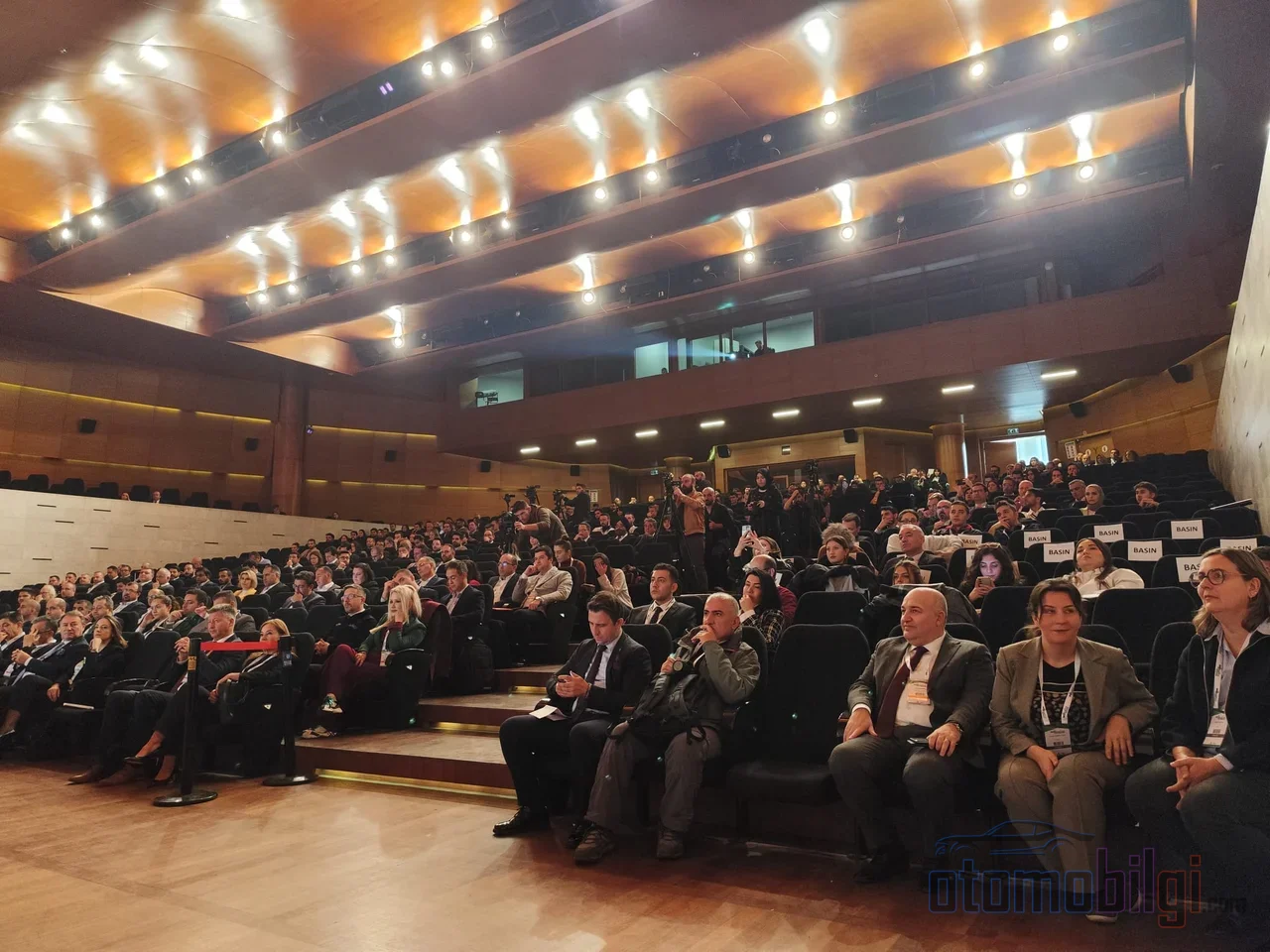
Bursa is preparing to host, for the sixth time, the international players of the automotive supply chain in November. Automotive Meetings Bursa 2026 will open its doors on November 11-12 at the Merinos Ataturk Congress and Cultural Center; over two days, it will bring an agenda ranging from electrification to hydrogen mobility together with industry representatives. The significance of this gathering goes beyond the four walls of the congress hall: while one out of every two cars produced in Turkiye comes from this city, the supply map of the world's automotive industry is being redrawn. So why does Bursa deserve this summit, and what will be on the table?
Scope of the Summit: Two Transformation Agendas in Two Days
Automotive Meetings Bursa 2026 is organized under the BOSB Mobility project run by the Bursa Organized Industrial Zone and holds the distinction of being the first international B2B and networking event held under the auspices of an OIZ. The event itself is being held for the sixth time; in other words, the city now knows the rhythm of this organization by heart.
The program structure is built on two main axes. On November 11, Demo Day and the future of electrification will take center stage; on November 12, hydrogen mobility and international collaborations will be put on the table. The titles in the conference halls are not limited to this: zero-emission transportation and next-generation supply chains are also among the common agenda items of the two days. The participant profile has been kept broad; entrepreneurs, investors, and technology companies from every link of the chain are invited, from parts and component manufacturing to e-mobility, from battery technologies to autonomous driving software, and from lightweight materials to advanced manufacturing and green production. Participation is provided through the registration form; program details can be followed on the event's official website.
Highlights
- Automotive Meetings Bursa 2026 will be held on November 11-12, 2026 at the Merinos Ataturk Congress and Cultural Center.
- One out of every 2 cars produced in Turkiye comes from Bursa.
- In Bursa, 258,708 cars were produced in the January-September period, and 132,562 of them were exported.
- Turkiye's automotive industry reached an export record of $41.5 billion in 2025.
- The two axes of the program: electrification and hydrogen mobility.
Why Bursa? Home to Half of Automotive Production
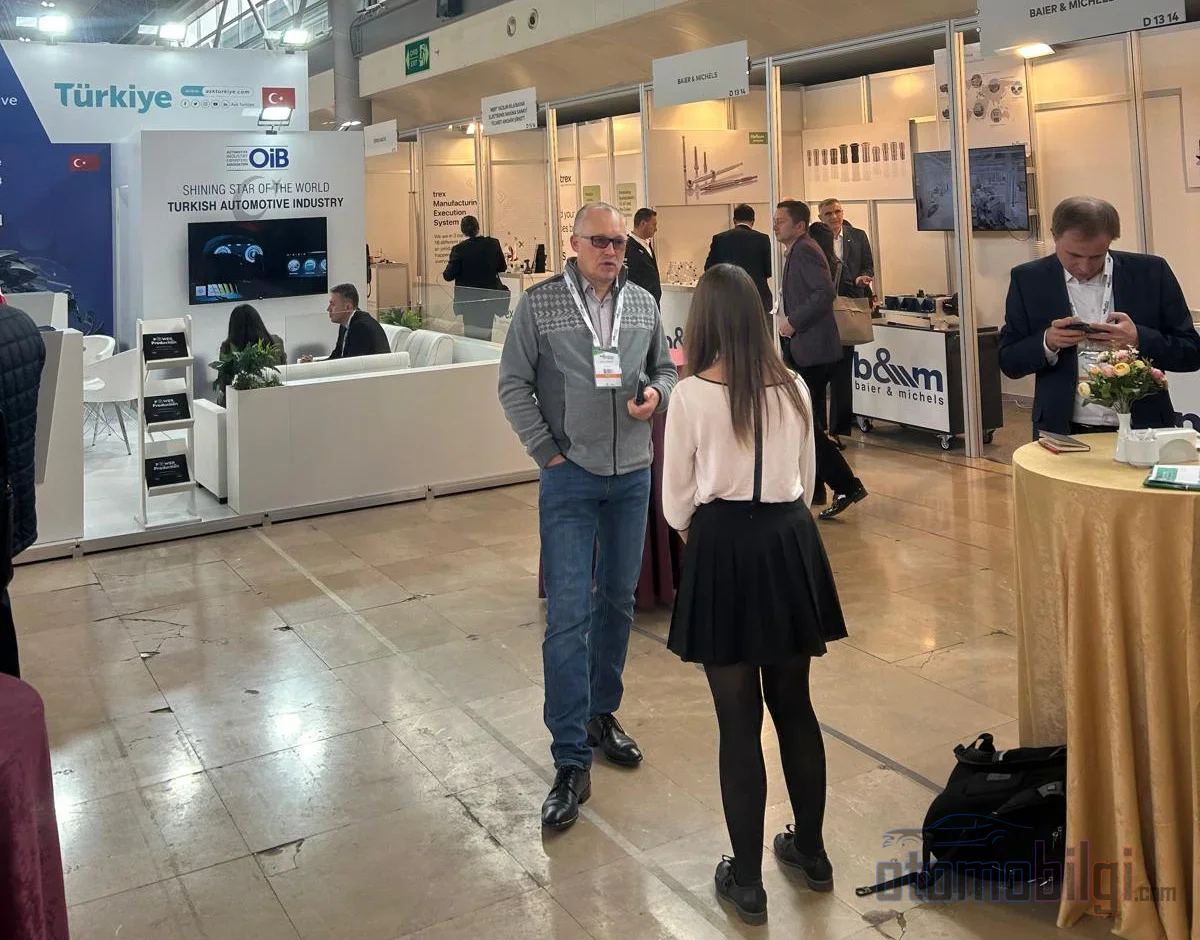
The automotive world leaves nothing to chance when choosing a meeting place. Bursa's hand is strong: in the January-September 2026 period, 258,708 cars were produced in the city, and 132,562 of them were exported. This means that roughly half of Turkiye's car production and exports come from a single province. Automotive is so deeply rooted in the city's industrial fabric that Bursa is home to 1,551 registered automotive supplier companies.
The Chain of Production Bases in the City
The architect of this picture is the production bases lined up side by side in and around the city. OYAK Renault's Bursa plant, with an annual capacity of 390,000 vehicles, is one of the region's largest engines; about 80 percent of its production is exported. The company maintained its leadership in automobile production with 73,708 units and kept first place in exports with 132,559 units in the January-September period. The Renault Boreal coming off the factory's production line is designed for the Turkish market, produced in Bursa, and will be exported to more than 50 countries.
On the Tofas side, the picture is dynamic. 420,000 vehicles are produced annually at the Bursa plant; capacity that stood at 20,000 units in 1972 has been raised to today's level through half a century of investments. Production has begun under the $300 million K9 Project, carried out in cooperation between Koç Holding and Stellantis, and vehicles of four brands are now being produced on the lines. The fact that the Opel Combo now leaves Bursa bearing the "Made in Turkiye" label is the visible face of this transformation. On the Ford Otosan front, the pace is elsewhere: the company, with 295,007 units in the January-September period, holds the position of the largest vehicle-exporting manufacturer of the Turkish automotive industry, and its total exports from Turkiye and Romania rose to 34,000 units in August, an increase of roughly 24 percent year-on-year. The company's TL 20.5 billion investment package is described as Turkiye's largest automotive investment. Hyundai Assan and Toyota also positioning their production bases in the region turns Bursa into not just a production center but a complete supply ecosystem.
Where the Summit Agenda Meets Market Reality
Choosing the summit's agenda topics requires looking at the macro picture; the program's framework centered on electrification and hydrogen is not speaking into a void. The Turkish automotive industry reached a historic export record of $41.5 billion in 2025, and this figure corresponds to roughly 16 percent of total exports. The country ranks 12th in the world and 5th in Europe in motor vehicle production; in automotive exports it ranks 16th in the world. In the January-August period, total automotive exports rose to $27.21 billion, an increase of 2.5 percent, and in the first nine months $22.95 billion worth of sales were made to European Union countries. The supply industry is not standing idle either: in the first seven months, $9.473 billion worth of exports were achieved; approximately 1,100 parts suppliers supporting OEM production operate across the country.
However, not all of 2026 is passing in a festive mood. In the January-May period, automotive production declined by 10 percent; in the January-August period, production fell by 7.3 percent while exports, down 12 percent in unit terms, dropped to 597,594 units. The 28 percent contraction in automobile exports and the 9 percent contraction in commercial vehicle exports paint a picture that conflicts with the year's record targets. Germany maintaining its position as the top market with $4.44 billion once again demonstrates exports' dependence on Europe.
The Place of Turkish Production in the Global Chain: The Real Question on the Table
The summit's real battle is not about that, but about competition: How will the position of Turkish production in the global value chain be defined? One of the topics on the industry's agenda is the debate over whether Turkiye will be included in the scope of European Union-origin automotive products. This title was also the common concern of recently held industry summits, and behind the new-generation supply chain sessions at the Bursa gathering, the same question stands. Turkiye's 41.5 billion dollar export performance and Bursa's production infrastructure are the most concrete cards to be brought to the table in this discussion.
In this context, the value of B2B meetings is measured less by figures and more by the connections established. No concrete economic contribution figure for the event has been announced yet; the organizers' primary goal is to build lasting bridges of cooperation among supply chain actors. While this may seem like a modest goal, it is hardly debatable that this is exactly what the sector needs most during periods of transformation.
What to Expect from the Summit: The Key to Reading the Two Days
In the past, the agenda of such gatherings was built around diesel engine efficiency and cost reduction; now the first day of the program is dedicated to electrification and Demo Day, and the second day to hydrogen mobility. This change is a summary not only of an event program, but also of the roadmap facing the 1,551 suppliers in the city and tens of thousands of industrial workers. The participant profile, ranging from battery technologies to lightweight materials, is visible proof of Bursa's effort to carry itself from the internal combustion era to new-generation technologies.
In short, two things will happen simultaneously in Bursa on November 11-12: On one hand, actors of the global supply chain will forge new business connections; on the other, the Turkish automotive industry will have the opportunity to explain its global position within the contradictory picture of 2026. For a sector squeezed between 2025's 41.5 billion dollar record and 2026's production contraction, this summit is both a showcase and a test. The chance to reprove the advantage of being the epicenter of automotive lies in Bursa's hands.
Sources
- Bursa Teknopark - Automotive Meetings Bursa 2026 announcement
- Enterprise Europe Network - 6th Automotive Meetings Bursa 2026
- BOSB Mobility - Automotive Meetings 2026 Conference
- PAGDER - Automotive Meetings Türkiye
- Ministry of Trade - 2025 export record and 2026 target
- OYAK Renault - official website
- Foreks - Ford Otosan maintained its leadership in automotive exports
- CNN Türk - Bursa stood out in automotive exports
- Bursa TV - One of every 2 cars produced in Türkiye comes out of Bursa
- Invest in Türkiye - Automotive sector