How Türkiye Started Exporting Cars
Share This Page
Türkiye's automobile exports is a process seeded by export-led growth policies after 1980 and accelerated in the 1990s when global brands like Renault, Toyota, and Hyundai made Türkiye their production base: foreign sales that began in 1980 with 700 Renault 12 units shipped to Egypt turned Bursa into one of Europe's production hubs in the 2000s, and was crowned in 2025 with a historic record of 41.5 billion dollars.
Highlights
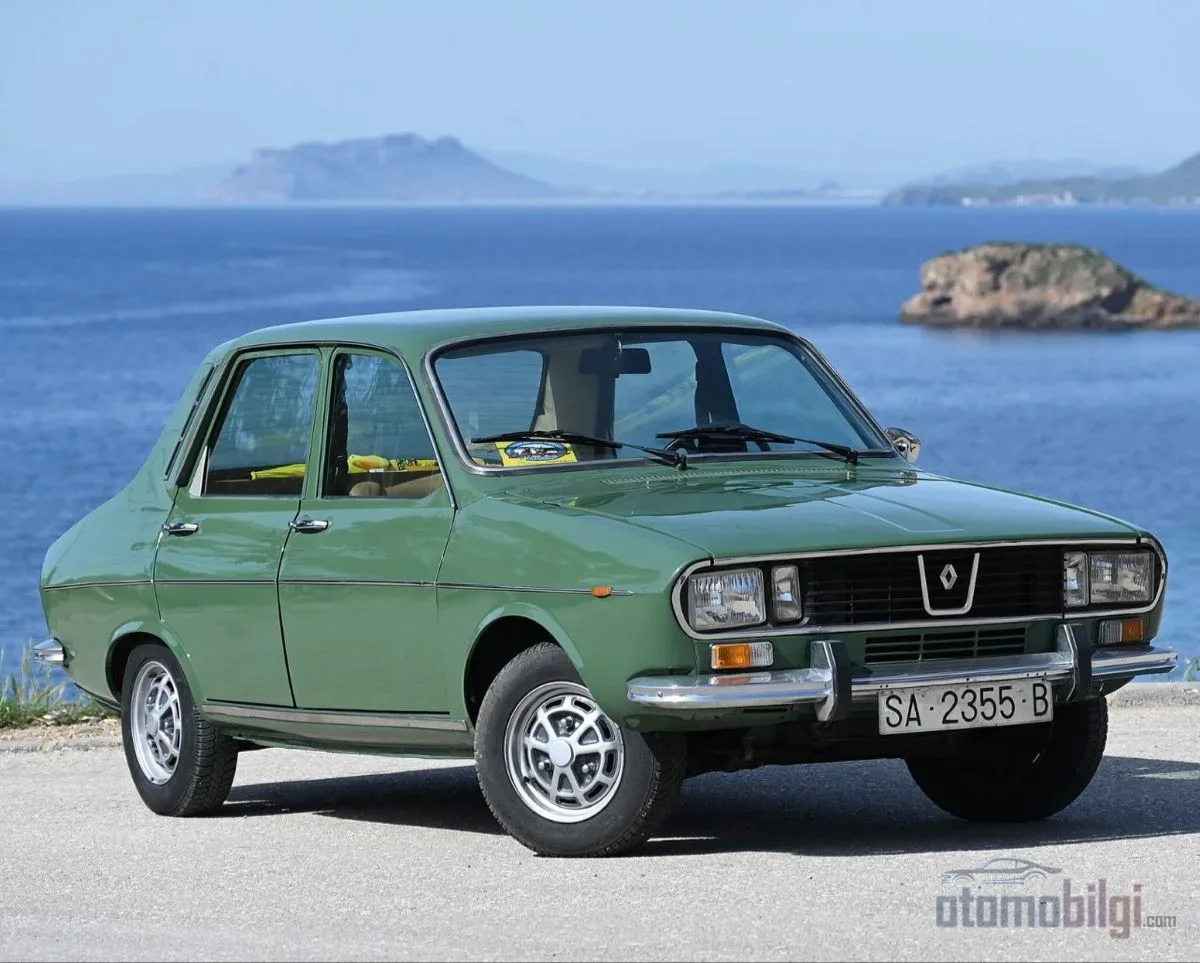
- June 19, 1980: Oyak-Renault's first export, 700 Renault 12 units and 112 engines, was made to Egypt.
- 1998: The Mégane Wagon began to be produced exclusively in Bursa; the door opened for mass exports to Europe.
- 2007: Oyak-Renault became the first Turkish company to export its one millionth automobile.
- 2025: Türkiye settled into the position of Europe's largest commercial vehicle manufacturer.
- 41.5 billion dollars: The automotive industry's historic export record at the end of 2025.
From the 1980 Decisions to Factory Gates: How Was the Export Idea Born?
Let me ask you a question: what is the turning point between a country first selling its cars to its own people, and then selling them to its neighbors? In Türkiye's story the answer is clear: politics. With the January 24, 1980 decisions, the economy turned from import substitution - that is, the "let's produce everything ourselves" mindset - to export-led growth. The automotive industry also rode this wind.
But the wheel didn't turn that fast, believe me. Oyak-Renault's first export June 19, 1980 took place on that date, and the destination was not a distant European country but our neighbor Egypt: 700 Renault 12 units and 112 engines. Imagine, a factory that had produced for its own market on the assembly line for years was sending product out the door for the first time. It may seem like a small step, but the journey that began with that boxy series was the first kilometer of today's massive export figures.
There was also a critical change in the background: from 1973 onward, mechanical parts such as engine blocks, crankshafts, pistons, and gearboxes were removed from the import list and began to be produced in Türkiye. In other words, the factory wasn't just "doing assembly and closing the hood"; it was producing the parts itself. This was precisely the biggest obstacle to exports, and the lock was opened with this step.
The Partnerships of the 90s: Why Did Global Brands Choose Türkiye?
The 90s were something like a "new transfer season" for Turkish automotive. Global giants came to Türkiye one by one and began to see it not just as a sales market but as a production base. Geography played a big role in this: proximity to the European Union, a developing supply industry, and relatively favorable costs made Türkiye an excellent base.
Toyota: The Long Road from the Domestic Market to Export Markets
The story of Toyota Automotive Industry Türkiye tells the value of patience: the company 1994–2001 produced only for the domestic market between those years. In other words, for a full seven years it focused on the Turkish market without selling a single vehicle abroad. The turning point 2002 came in that year: with the 9th generation Corolla the export era began. Today, the roads of the vehicles leaving the Sakarya factory extend to every corner of the world.
Hyundai Assan and Tofaş: The Two Ends of the Line
When operating at full capacity, the Hyundai Assan plant in Kocaeli generates annual export revenue of approximately 1.5 billion euros. Tofas, as a Koc and Fiat partnership, produced in Bursa and in 2010 competed for the top spot with a total of 320,000 units in passenger cars and light commercial vehicles. In fact, that year, together with Oyak-Renault, the 300,000 threshold was crossed for the first time in Türkiye; Oyak-Renault continued its race with a target of 308,000 and Tofas with a target of 320,000. The record race was sweet, too, because the winner was Turkish automotive.
By the way, let me remind you that Türkiye's roads in the 90s ran on the Tofas Sahin, Dogan and Kartal, that is, the "Bird Series". These models were the darlings of the domestic market at the time; while the export story was growing, the adventure at home was going exactly like this.
Oyak-Renault: The Factory That Turned from the Assembly Line into an Exporter
The heart of the export story beats here, in my opinion. Oyak-Renault was founded in 1969 with the participation of Oyak (43%), Renault (44%) and Yapi ve Kredi Bankasi (13%); the first car rolled off the line on May 14, 1971, and this vehicle was also Türkiye's first front-wheel-drive car. Back then, no one could have imagined that decades later this factory would become one of the locomotives of Turkish automotive exports.
In 1997 the partnership was rebalanced: Renault became 51% and Oyak 49% at Oyak-Renault. And then came the real breakthrough: in 1998, the Megane Wagon began to be produced exclusively in Bursa. This model pioneered the Turkish automotive industry's high-volume exports to developed markets. You can think of it with an analogy from daily life: a house that had until then cooked for no one in the neighborhood suddenly started taking orders from the entire city.
The rest came like dominoes. In 2003, the Megane 2 Sedan became the model produced worldwide only in Bursa; in 2007, the Clio Grand Tour also chose Bursa as its sole production point. That same year, Oyak-Renault went down in history as the first Turkish company to export its one-millionth car . In 2010, with 3 billion dollars in exports, it had become the company with the most exports both in automotive and in Türkiye.
What Does the Bursa Plant Produce Today?
Oyak-Renault is the only organization in Türkiye that produces engines, gearboxes, front/rear assemblies and running gear alongside passenger cars. The Bursa plant is Renault's highest-capacity facility outside Western Europe: approximately 360,000 vehicles per year. In 2017, 365,000 vehicles and 599,335 engines were produced; in 2018, approximately 80% of production was exported. In 2021, the cumulative threshold of 7 million cars and 7 million engines since the founding was surpassed. Let me put it this way: These figures would be hard to imagine even for a city, let alone a factory.
How Did the Supply Industry Enter the Global Supply Chain?
Setting aside the main manufacturers, that is, the brands that produce finished vehicles, the automotive industry's real superpower lies hidden in its supplier industry. You cannot become an export base without a supplier industry that sells parts to the whole world; with this simple logic: the more reliable suppliers a factory finds, the more vehicles it produces. Part manufacturers in Türkiye entered global supply chains by keeping up with the quality standards required by foreign partnerships in the 90s and 2000s.
This continues today: 94 different Global Supply Chain support programs covering the automotive supplier industry as well offer incentives for Turkish firms to become suppliers to global giants. According to sector representatives, Türkiye's geographic location, engineering capacity, and production flexibility provide a serious advantage in this chain. So even if not everything is IoT, every screw and every electronic board in the box can now say "Made in Türkiye" to the world.
How Did Türkiye Become Europe's Production Center?
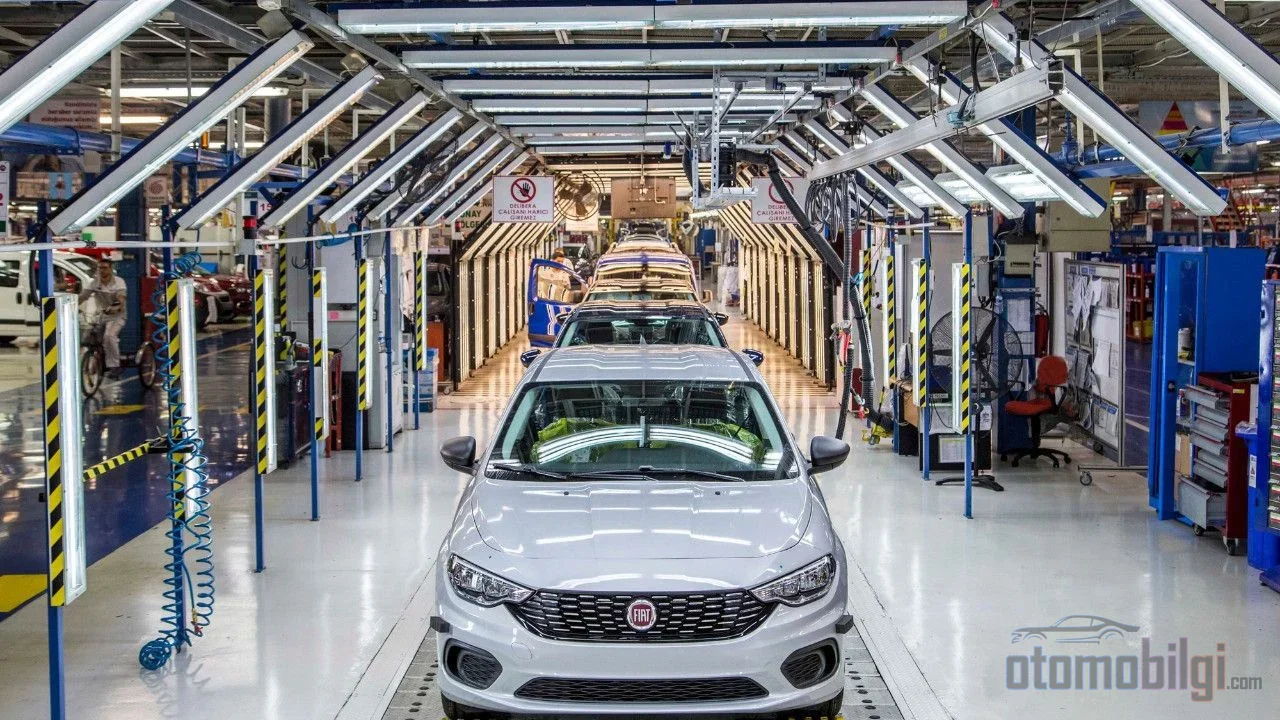
These steps accumulated throughout the 2000s made Türkiye the world's 14th largest automobile manufacturer; 2019 as of the end of, we ranked as 4th largest in Europe by production. 2025 As of the end of, Türkiye became Europe's largest commercial vehicle producer. Additionally, automotive, 2021 with a 13% share in, stood out as the sector that had held first place in Türkiye's export ranking for 16 years.
If we look at the map today, every city hosts its own brand: Renault, Fiat/Tofaş, and Togg in Bursa; Ford and Hyundai in Kocaeli; Toyota in Sakarya. Bursa in particular is like a launch hub on its own: 2026 in the first quarter of, in the city 86,629 automobiles were produced; this is 47.7% of Türkiye's total. From Bursa, exports of 44,099 units accounted for 41.5% of Türkiye's automobile exports; 50.9% of the city's production was exported. In other words, one out of every two cars coming off the line is sold abroad!
| Manufacturer | 2026 First Quarter Automobile Production | Location |
|---|---|---|
| Oyak-Renault | 73,708 (40.6% share) | Bursa |
| Toyota | 54,335 | Sakarya |
| Hyundai Motor Türkiye | 40,400 | Kocaeli |
| Tofaş | 12,921 | Bursa |
On the export side, the picture is clear: 2026 in the first quarter of, including tractors, 327,016 vehicles were produced and 66.7% of them (218,158 units) were exported. Of 181,364 automobiles produced, 106,341 went abroad; in the export ranking, Oyak-Renault leads with 44,096 units. Additionally, vehicle trade between Türkiye and the European Union 2025 in reached 37 billion euros. reached.
Is Everything Rosy? Balances and Risks
Love shouldn't be blind, right? The export story is bright, but there are some shadows. First, European automotive itself faces the risk of losing its position as a production center; this can indirectly affect Türkiye's position. Second, growth does not continue at the same pace every year: 2026 In the first nine months of, total automotive production was 6% and exports 11% in decline. On one hand, an ambitious 2026 export target of 43 billion dollars is being discussed; on the other, when current data is not looking upward, the picture gets confusing.
There are also diametrically opposed views on evaluating these partnerships; some question whether these collaborations have really grown Türkiye's automotive industry. My reading is this: whatever the numbers say, it is hard to reverse Oyak-Renault's exports exceeding 1 million on its own and Türkiye's ranking among European producers. But the criticism is not without merit; it pays to take a balanced view.
The First Steps of the Electric Turn
And let's not forget the story that looks to the future: Oyak-Renault 2011 in Fluence ZE production began, and this step was hailed as a new milestone in the Turkish Automotive Industry. 2023-2024 saw battery production (respectively 78,408 and 75,689 units) and the Duster launch. Also, in 2025 the fact that 124,055 of the cars exported from the European Union to Türkiye are electric gives us a separate idea about the pace of the transformation. So this story is not just about the past; it is still ongoing, just as it is being written.
Conclusion: An Industry That Enters Through the Door and Shakes the World
The journey that began with 700 cars going to Egypt in 1980 and extends to 41.5 billion dollars of exports today did not happen overnight. The partnerships of the 90s, the production base strategy of the 2000s, and the supply industry's entry into the global chain progressed like a bridge woven stone by stone. I know the next stop is Togg and the electric era; now what I'm curious about is: where do you think the next leg of this bridge extends? I'm waiting for your thoughts in the comments!
Sources
- History - Our Milestones
- Oyak-Renault
- One out of every two cars rolling off the line in Bursa was sold abroad
- Tofaş and Oyak Renault are racing together toward a production record of 300 thousand units
- Türkiye Automotive Industry Report
- Automotive - Invest in Türkiye
- Hyundai Success Story
- Toyota Automotive Industry Türkiye - From 1994 to today
- OSD Summary Report July 2026
- Automotive Industry Sector Report
- Ministry of Trade: Historic export record of 41.5 billion dollars in 2025
- The automotive sector's 2026 export target is 43 billion dollars
- Vehicle trade between Türkiye and the EU reached 37 billion euros in 2025
- Global Supply Chain Supports
- Shifting balances in the global automotive industry and Türkiye's strategic role
- European Automotive Sector