Choosing the Right Model for Your First Classic Car
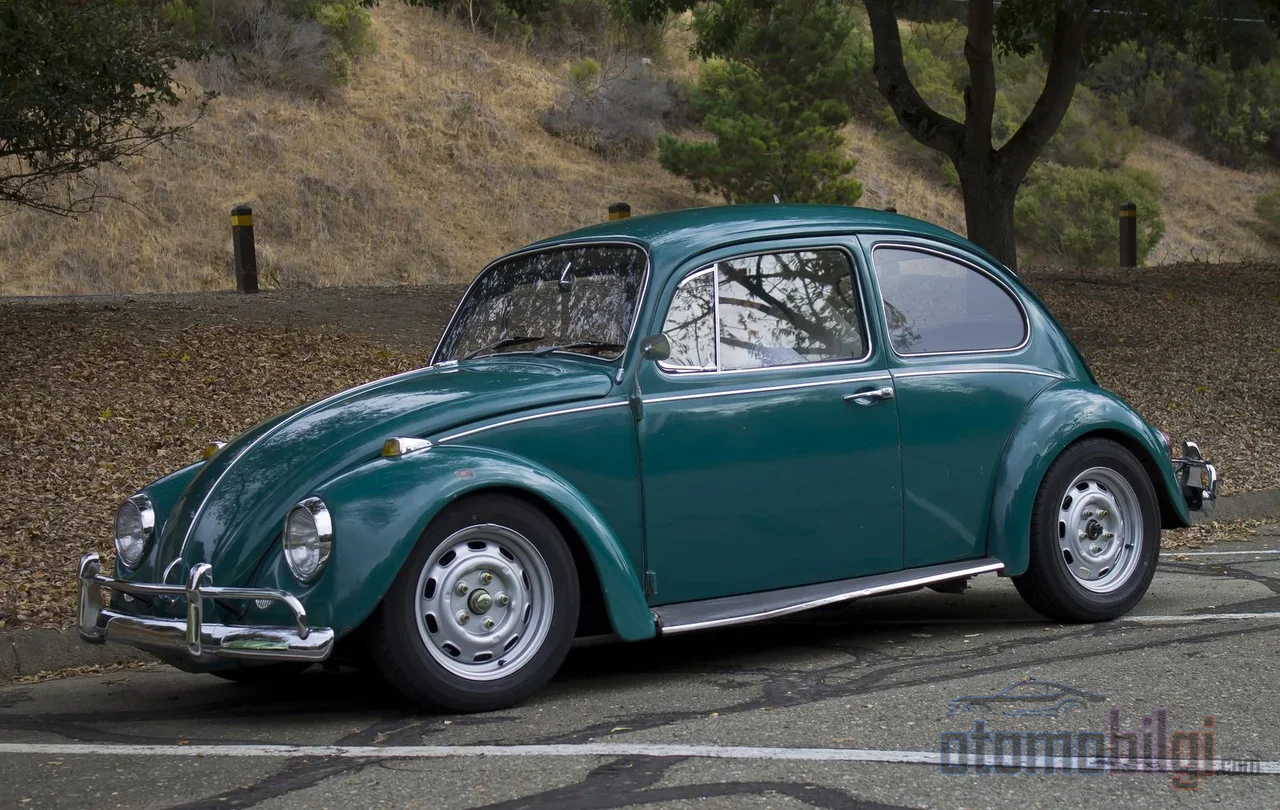
A classic is waiting for you in the parking lot: windows frosted over, smelling of old leather and gasoline, and in the seat is not the one you dreamed of but someone else's unfinished project. That is exactly the biggest misconception when choosing your first classic car: thinking it is a story that begins on the day it was bought, not the moment it was born. Yet a first classic is not a trophy, it is a teaching tool. It teaches you driving, patience, the screwdriver, and sometimes financial hardship. So which model delivers this lesson with the least pain? Let's take a look, model by model.
Why Should You Buy a Common Model When Choosing Your First Classic Car?
The classic automobile; a choice that demands knowledge, responsibility and continuity. Originality details, regular maintenance, relationships with the right mechanics and a long-term plan are the cornerstones of this world. In other words, it is not the "I liked it, I bought it, I enjoyed it" affair you imagine. The most critical criterion in a first car is not what is visible but what is not: spare parts availability and a strong community.
In Turkiye, these two are interconnected. Since the vast majority of our classic cars originate from Europe and America, finding original parts and body materials is genuinely difficult; that is why the communication networks built around common models are lifesavers. Facebook groups, clubs, forums - for a first-time owner, a model with as many mechanics as parts available is more valuable than a more expensive but scarcer model. The passion for classic cars has been strengthening in Turkiye in recent years: the Classic Car Club, founded in 1990 with a handful of enthusiasts, organized the Cumhuriyet Rallisi under the 2026 Turkiye Classic Car Championship; vehicles of model years 1954-1989 competed in these races. So the community exists; you just need to take your place beside the right model.
Highlights
- A first classic is a teaching tool; the purchase price may be the smallest item in your budget.
- Common, strongly supported starter models in Turkiye: Volkswagen Beetle, Mercedes-Benz W123, MGB, Mazda MX-5, BMW E30.
- Bodywork on a Beetle can be quoted at 450,000 TL excluding paint and parts.
- A flawless restoration is not required: a mechanically safe, cosmetically sound example is the right spot for a beginner.
- The cliché "never buy a repainted car" is wrong - the real trouble is not a few local paint jobs but chassis damage.
Which Models Are Suitable for a First Car? Model-by-Model Comparison
The lists recommended by international classic magazines to first-time buyers keep revolving around the same names: Volkswagen Beetle, Citroën 2CV, Morris Minor, MGB, Mazda MX-5, BMW 3 Series (E30), and Peugeot models... Another list recommends a 1989 or later BMW 325i for daily use; the bulky bumpers of the earlier generations make the job harder. A guide aimed at the racing world follows a similar logic: reliable models with available parts and a large user base - such as the Mini Cooper, MGB (described as the most popular small British sports car with massive aftermarket support), Datsun 240Z, and Triumph Spitfire.
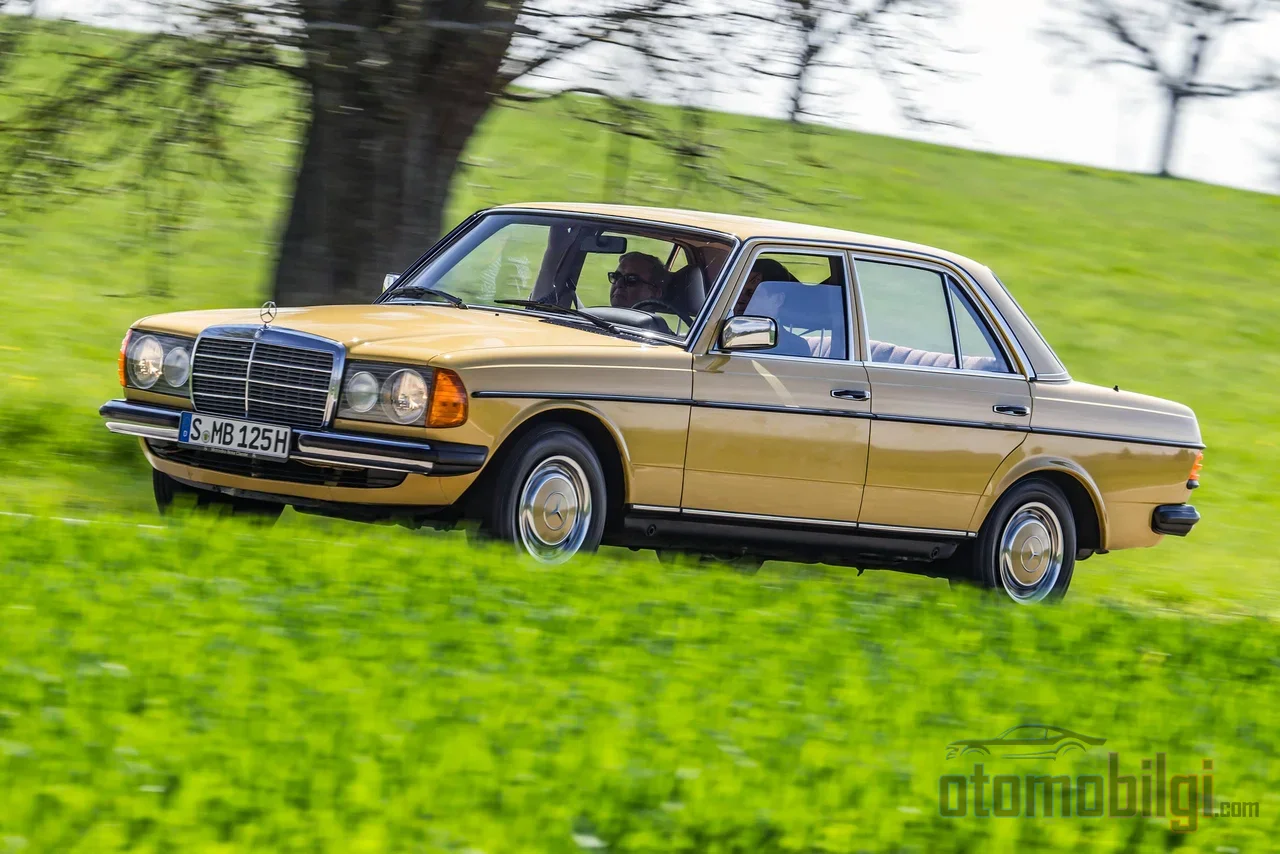
Looking at it from a Turkiye perspective, the picture becomes a bit clearer. A 1982 Mercedes-Benz 230 E (W123) with 140,000 km and manual transmission circulates at around the 999,900 TL mark in classified listings; a 1973 Beetle 1303 (1.6 engine) still shows up in listings. The RMK Museum in Istanbul has a collection ranging from a 1962 Morris Mini Cooper to a 1956 BMW Isetta 300 - perfect for daydreaming, but not for a first car.
| Model | Why it could be a first car? | Point to watch |
|---|---|---|
| Volkswagen Beetle | The most familiar classic in Turkiye, with a widespread network of parts and mechanics | Bodywork is expensive; 450,000 TL can be demanded excluding paint and parts |
| Mercedes-Benz W123 | Famous for its durability, listing examples are in the ~1 million TL range | Prices are rising fast; documentation and service history are critical |
| MGB | The most popular small British sports car with massive spare parts support | British electrics top the list of classic headaches |
| Mazda MX-5 (NA/NB) | A more suitable and affordable young classic for beginners | The NA/NB generations are recommended, not the early ones |
| BMW E30 | Featured in recommended lists for first-time buyers; the post-1989 325i stands out for daily use | Its popularity makes finding good-condition examples increasingly difficult |
There is also the young classic topic: According to the German-origin definition, vehicles first registered 20-29 years ago count as young classics. Models like the Mazda MX-5, BMW E36, VW Golf GTI, Toyota MR2 and Honda Civic are the entry-level friends of this generation. Three criteria stand out in choosing a project car: spare parts availability, an abundance of manuals and video resources, and the chance to find a good-condition example at an affordable price. Young classics score full marks on all three. A small warning: On models with plenty of pre-modified examples, like the Lexus IS, thoroughly question whether the car actually belongs to someone.
Manual or Automatic? Transmission Choice for Your First Classic
General vehicle-use resources recommend automatic transmission for beginners; the learning time is shorter, which is true. But in the classic world, the picture is different. Classics mostly come with manual transmissions - the example car in the sales listing is manual too. What's more, the manual has tangible advantages: less energy loss thanks to lower transmission weight and generally lower maintenance costs compared to an automatic. Repairing an old automatic can end up costing far more than adjusting a manual.
My recommendation is this: buy a manual as your first classic and learn to drive along with it. The day you learn to stop on a hill in a Beetle with a slipping clutch, you will be proud of yourself. A large part of the classic driving experience is hidden in the gearbox anyway.
The Restoration Cost Reality: The Purchase Price Is the Smallest Item
Now let me tell you the most brutal truth of the automobile world: the price of your vehicle may be the smallest of your expenses. This warning is repeated everywhere from the racing world to beginner guides, because preparation and development costs can multiply the purchase price. Let's look at international figures: most classic car restorations start at $20,000-120,000 and climb higher; full chassis-off or concours-quality work is far more expensive. For show-quality projects that are completely disassembled and reassembled, the total cost is expected to exceed $100,000.
The situation in Turkiye is not encouraging either. Classic car enthusiasts are caught in the squeeze of "fewer craftsmen, higher costs": today, just the bodywork for a Beetle can be quoted at 450,000 TL, excluding paint and parts. Some claim they can restore a car for 50,000 TL; the difference in between varies according to the quality and scope of the work - so when navigating the numbers, look at which level is being discussed.
The good news is this: you don't have to be perfect. For a beginner, the ideal point is defined as a daily-driver-suitable restoration: a vehicle that is mechanically reliable, cosmetically sound, but not perfect. A classic that can go down the road, even if the radio knob isn't original, teaches you far more than a perfection gathering dust on museum shelves. There is also the distinction between restomod and original restoration: modern components add comfort and safety, but the picture changes in terms of originality and value. For your first car, aim for an original-leaning, usable example; save the radical conversions for later vehicles.
Pitfalls to Avoid When Buying Your First Classic
Classic buying mistakes on the second-hand market hit with a compounding effect in the classic world, because the vehicle you choose wrongly strikes you with the cost of correction. Here are the most common pitfalls:
- Emotional decision: Overlooking the vehicle's flaws, getting carried away by its story and downplaying its shortcomings. Don't fall for the seller's rush.
- Skipping document checks: The registration certificate, service records, and previous sales documents must be examined; the chassis number and damage-history inquiry must not be neglected.
- Entrusting the inspection to an acquaintance: No decision should be made without a test drive and an independent check.
- Worshipping mileage: Low mileage does not always guarantee good condition; metal fatigue develops over time, and rot can occur in vehicles that sat unused.
- The "never buy a repainted car" cliché: What matters is which parts were painted. A few localized paint jobs are no trouble; chassis damage is trouble.
Let's add a check specific to classics: the engine, transmission, interior trim, body parts, and wheels should be questioned for conformity to factory specification. In the collecting world, three things determine value: the proportion of original parts, a documented service history, and the continuity of the chassis number - in other words, matching numbers. Your first car doesn't have to nail all three perfectly, but knowing what to look for makes you strong in negotiation and in the future.
Don't forget the inspection and insurance side
You've bought the car; next up is the paperwork. Private passenger cars are exempt from inspection for the first three years; after that, inspection is required every two years. When going to the inspection, you need your T.C. ID card or driver's license, the vehicle registration certificate, traffic insurance policy, and exhaust emission measurement report; if you delay the inspection, you'll be fined at a traffic check and must have the vehicle inspected within 7 days. As for insurance, classic cars are not treated like used cars but like watches and works of art - work with an agency that knows this difference. And if you're thinking of building a collection, the first step is the garage: most home garages only fit a few cars, so decide on storage before the car.
So, How Should I Choose My First Classic Car? Quick Decision Guide
The clear answer to the question you've been asking yourself is this: Your first classic car should be a common model that's mechanically safe, has plenty of parts available, has a specialist who can fix it, and has a strong community - like a Beetle, W123, MGB, MX-5, or E30. Save the rare and expensive models for your second or third car; because your first car should allow you to make mistakes, and you should be able to afford the cost of those mistakes. Think of the purchase price as half your budget, and set the rest aside for repairs, maintenance, and surprises. A car is not an investment instrument but cultural heritage: even though some classics appreciate significantly, you'll be buying it not to sell for profit but to enjoy being behind the wheel.
My final advice: get down on the ground, get your hands dirty, join clubs, go to rallies. Standing next to a 1954 car at the Cumhuriyet Rally and talking to its owner for five minutes teaches you more than a hundred hours of reading on the internet. Your first classic will educate you - let it.
Sources
- 11 of the best classic cars for first-time buyers - Octane Magazine
- Your First Race Car: 12 Excellent Vintage Vehicles - Classic Motorsports
- Best First-Time Project Cars - CarBuzz
- The Best Classic Cars for Daily Driving - Road & Track
- Beginner's Guide to Classic Car Restoration - American Collectors
- Classic Car Restoration Costs (2026) - Coastline Restorations
- What You Need to Know When Buying a Classic Car - OGGUSTO
- Things to Consider When Buying a Classic Car - Arabalar.com.tr
- Everything you've ever wondered about classic cars - Borusan Next
- Classic car enthusiasts caught in the cost squeeze - 24 Saat Newspaper
- Classic Car prices - sahibinden.com
- Classic Car Club
- RMK Museum - Classic Cars
- Oldtimer/Youngtimer difference - Niemöller
- 10 Tips for Starting a Classic Car Collection - Architectural Digest
- Periodic Vehicle Inspection - TÜVTÜRK
- 2026 Vehicle Inspection Procedures - sahibinden.com Oto360
- Documents Required for Vehicle Inspection - Kia Türkiye
- Querying by license plate isn't enough: The 5 most common mistakes - Sözcü
- Mistakes Made When Buying a Used Car - Arabam.com
- Manual or Automatic, Which One Uses Less Fuel - Oilmarkt
- Differences between restomod and original restoration - OtoHaber