What Should You Check Before Buying a Classic Car?
Share This Page
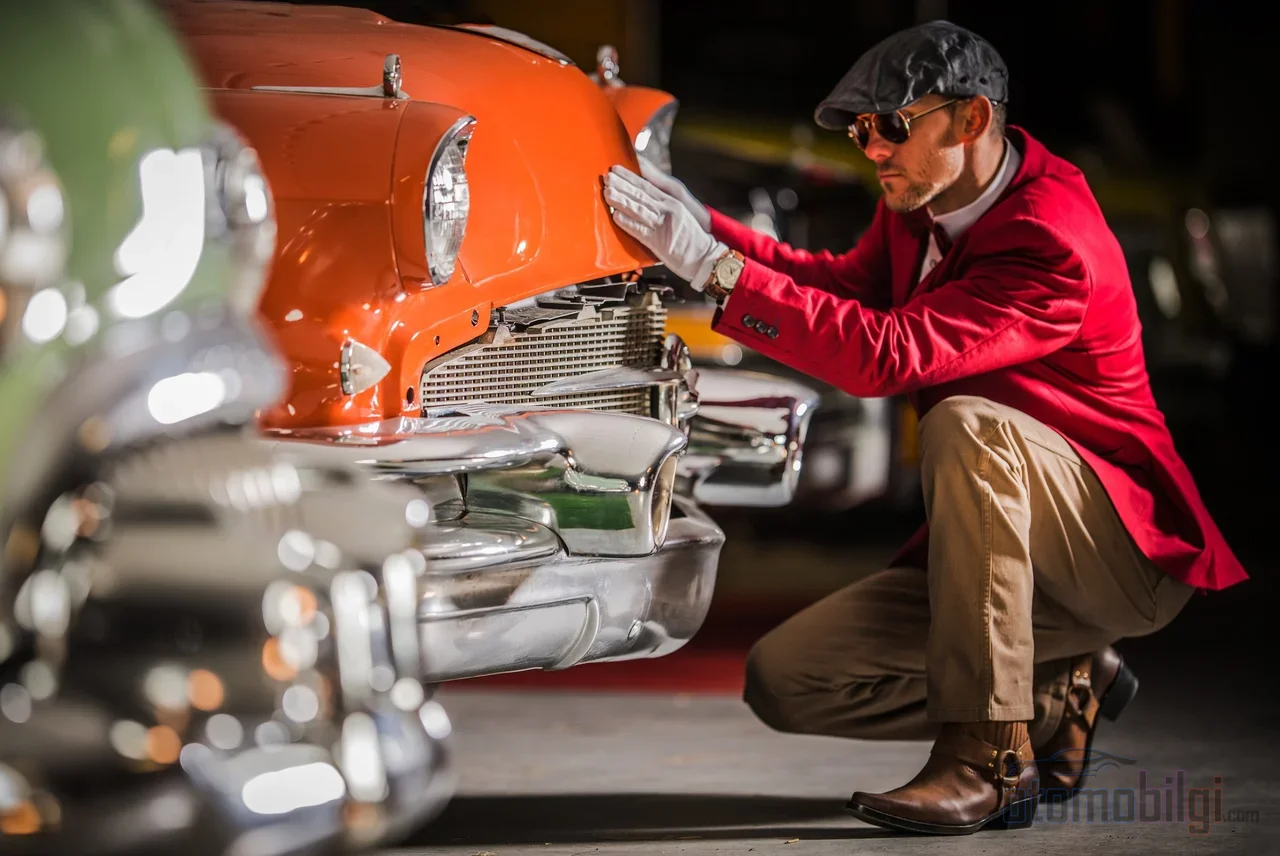
Before buying a classic car, you should check for rust, chassis condition, engine sounds, paperwork and originality; the magnet test, VIN matching and a professional inspection are the most critical steps of this process. Because even the most beautiful dream turns into an expensive project if you fail to notice the rust under the door. Below is a practical checklist you can take with you and follow step by step while examining the car in person. Let's get started!
Key Takeaways
- If a magnet doesn't stick to steel panels, there may be body filler in that area - a sign of rust or accident repair.
- A perfect match between the VIN, engine block and gearbox stampings and the registration certificate directly affects the car's value.
- In 2026, basic inspection packages 800-1,200 TL, while full-coverage packages 9,000-20,000 TL are priced around there.
- White or blue smoke from the exhaust, unlike light vapor in cold weather, indicates an engine problem.
- Rust spread throughout the structure is the biggest red flag that can push restoration costs above the scrap value.
Door Bottoms and Chassis: Where and How Do You Look for Rust?
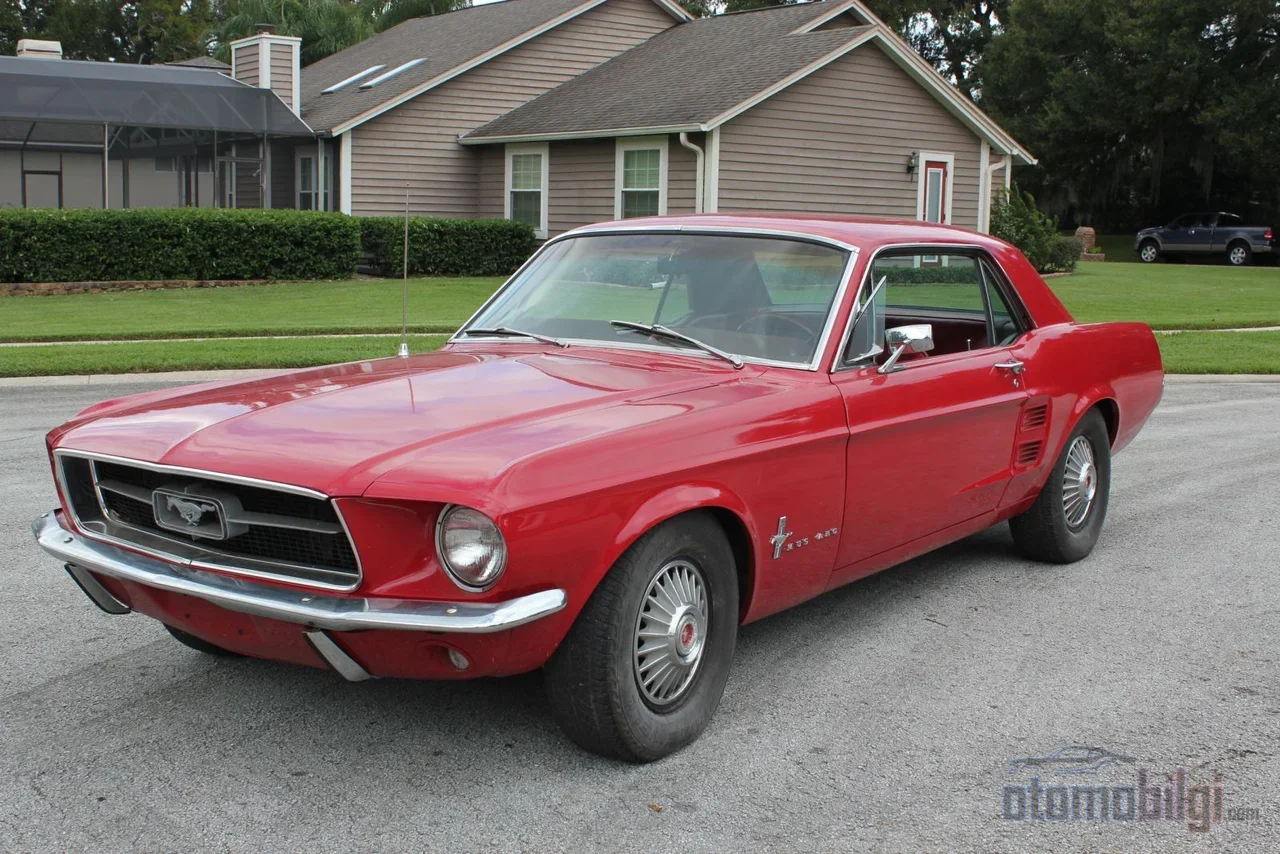
It may sound like your uncle's advice, but it's the truth: in classic car purchases, the biggest enemy isn't the engine, it's rust. The first points you should check on a used car are the lower door corners, rocker panels, window surrounds, trunk interior, hood and firewall, and lower body panels. These are the corners where moisture and salt love to gather; rot starts there. A shiny new layer of paint can perfectly conceal thousands of liras worth of structural rot. So a very glossy hood shouldn't reassure you - quite the opposite, it should raise suspicion.
That's why you should bring a magnet with you. The magnet should stick to steel body panels such as fenders, lower door corners and rocker panels. If it doesn't stick, body filler may have been applied to that area for rust or accident repair. Also, don't forget to look for spray paint marks and color inconsistencies along the edges of fresh paint, on moldings and door edges. Cheap paint jobs are where the cost-quality relationship in restoration is most often misunderstood; even if the paint looks good, you don't know what's underneath.
Accident repair traces: panel gaps and inner chassis edges
Are the gaps between the hood and the fenders equal to each other? If the panel gaps are uneven, this is a classic sign of chassis damage or accident repair. Lean into the trunk, wheel wells and engine bay: crumpled and repaired areas are the fingerprints of a past collision. Also look at the series of holes along the inner edge of the chassis - if there are scratches or cleaning marks there, someone has made repairs there. Think of it this way: on the bench, the hole pattern is regular from the factory; scratches mean later intervention.
Rust spread throughout the structure is the red flag that pushes the project into the "costs exceeding scrap value" zone. So a cosmetic bubble on a door edge and rot settled into the floor or chassis components are not the same thing. For the first, you budget and deal with it; in the second, the math is wrong from the start.
Originality or Restoration? What Does Matching Numbers Mean?
Now we come to the romantic side of the business. The term "numbers-matching" means that the vehicle's unique VIN is stamped onto the major drivetrain components - that is, the engine and the transmission. Its history is a nice one too: in 1960, Chevrolet began stamping a chassis-code derivative onto the engine allocated to each vehicle, and this sacred concept of the classic world was born from that. In the true sense, an original car still carries all the parts it had when it left the factory. On the other hand, vehicles using original or period-correct parts can also be accepted - so there is still a friendly debate between the purist and pragmatic camps.
So what should you do as a buyer? Three steps: check the VIN plate, match the stamping on the engine block with the VIN, and cross-reference the stamped codes on the transmission casing. If you ask the seller about this and the seller does not understand the question or avoids answering, the answer itself is information. Independent originality verification is a separate field of service; it is done with engineering knowledge, historical research, and forensic methods. For purchases involving serious money, such a professional assessment makes sense.
Learn to ask about the restoration grade
"Restored" does not mean one single thing. Did the car undergo a full underside restoration, or was only the paint renewed? Was the engine overhauled, or were reproduction parts fitted where necessary? This distinction has a direct effect on value; therefore, ask the seller these three questions in order: When was it restored, to what extent, and are there invoices? The clearer the answers, the healthier the purchase.
Engine and Transmission Sounds: Your Ear Is the Best Inspection Device
When you start the engine, the normal sound is the smooth whir of the belt and fan. Chirping noises, metallic rattles, or sharp whistles are abnormal - do not pass them by without asking questions when you hear them. Rough idling, stumbling when you press the gas, lack of power, and the engine continuing to run like a diesel after being switched off all go on the checklist.
Listen to the exhaust too: white or blue smoke indicates an engine problem. A small amount of vapor seen in cold weather is normal, no panic. Rattles that increase as revs rise may come from low oil, valve adjustment, or an exhaust leak; these are repairable issues but are bargaining leverage.
What do you hear during gear changes?
A metal-contact friction sound or squeaking during gear changes can indicate wear or synchronizer problems. In an automatic transmission, you expect smooth shifts at every gear change, even at high speeds. In a manual, if engine revs rise but speed does not when accelerating in high gear, the clutch is slipping - that is an item to write into your budget. Remember: do not just listen to the sounds, take notes, and then compare them with the inspection report.
Documents and Chassis Number: How to Check the VIN in Türkiye?
We've come to the most tedious but most important part. The VIN is located on the frame in the engine bay, under the windshield, or on the door pillar. You will compare it with the registration certificate in your hand, and all VINs in different locations must be exactly identical to the one on the registration certificate, and to each other. In classic car buying mistake lists, skipping the VIN check is highlighted as the most critical mistake; and not without reason. A stamp mismatch means serious problems, both legally and commercially.
If a repair involving a chassis number change is in question, the part containing the number must be brought in during the application and a TSE-approved conformity certificate must be submitted. In other words, in Turkish traffic, a chassis number is not an arbitrary matter but a documented intervention. Do not proceed without seeing these documents from the seller. There is also good news on the classic car scene side: TOSFED's 2025 National Classic Car Rules and the FIVA ID Card documentation create a standard in the field. In terms of both safety and value, a documented vehicle is ahead of one without documentation.
Completeness of stored parts
Also look at the boxes sitting in the corner of the gallery or garage - because the vehicle's value can be just as complete as the spares that come with it. Is the spare tire present, along with the jack, lug wrench, and key for the locking caps? Is the spare tire inflated, or has it rotted? Confirm the presence of the spare wheel, tools, and period-correct accessories. These are like small documents that cannot be counterfeited; the lost ones are either not recoverable or very expensive to find.
Marketplace and Dealership Habits in Türkiye: What Should You Watch Out For?
Our habit of shopping for classics on listing sites and dealerships is somewhat close to an "open the door, like it, deal" mentality. Yet making emotional decisions, underestimating the true cost of ownership, and misjudging the technical condition are among the most classic beginner mistakes. And then there is relying on the dealership's own assessment, which creates a conflict of interest - the seller saying "our vehicle is spotless" is not the same thing as an independent expert's report.
On the payment side, secure methods and notary verification are recommended; buying a vehicle without getting an inspection is a particularly common topic of debate. In my opinion, the order of thinking should be this: first look, then show it to an expert, then talk. If you do it the other way around, your bargaining power drops to zero because the money has already changed hands.
Inspection Cost or Hidden Risk? Does It Make Sense to Take It to an Expert?
Simple math: as of 2026, the basic inspection package (paint and accident damage detection) is 800-1,200 TL, while the detailed package that also includes the engine and transmission is priced higher; a full comprehensive inspection generally ranges in the industry from 9,000-20,000 TL . The reason the figures vary so widely is differences in scope and region; so be sure to ask what the package you are buying actually checks. The inspection fee is paid by the buyer, and the report is delivered to the person who paid. In other words, that report is yours, not the seller's.
Compare this money against the risk of buying a damaged car: a proper inspection can prevent mistakes worth thousands of lira and gives you concrete leverage in price negotiations. With classic cars the matter is even more critical, because an inspection costing a few hundred dollars or thousands of lira can uncover issues like hidden rust or mismatched numbers, discovering the real big cost on your behalf. If I were you, I would definitely take my first classic car to an expert - not for my wallet's sake, but to sleep soundly at night.
Checklist: The Order to Follow at the Car
I have brought together everything above into a single flow. When you are at the car, follow this order:
- Rust scan on door bottoms, rocker panels, window surrounds, trunk, hood area and lower body panels
- Magnet test on steel panels - filler is suspected where it does not stick
- Check for accident repair traces in panel gaps and the hole patterns along the inner edges of the chassis
- VIN matching one-to-one with the registration in its locations on the engine bay, under the windshield and the door pillar
- Cross-checking engine block and transmission stampings against the VIN (numbers-matching confirmation)
- Listening to engine sounds, idle, exhaust smoke color and gear shifts
- Presence of spare tire, jack, lug wrench, locking wheel nut keys and period accessories
- Document consistency, chassis intervention records and the scope of restoration - ask the seller
- Independent inspection appointment - from a neutral expert, not from the dealership or the seller
Final word: the way to avoid buying a flawed project starts not at the moment of purchase, but earlier. When you see the car, ask your questions, use your magnet, open your ears and take it to an expert. That way your first classic car brings you joy, not expense. So where will you start your first inspection - with the magnet or the registration?
Sources
- Classic Car Inspection Checklist - A Step by Step Guide
- Classic Car Pre-Purchase Inspection Checklist
- Classic Car Pre Purchase Rust Inspection
- Where Should You Check for Rust and Corrosion on Old Cars?
- How to Match the Engine and Chassis Number with the Registration
- Document Renewal - Amasya Police Traffic Registration
- National Classic Car Rules - TOSFED
- How "numbers-matching" came to matter for collector cars
- What is a numbers matching classic car?
- A dictionary of classic car noises
- Transmission Noise Guide
- Used Car Inspection Price 2026
- Car Inspection Prices 2026
- Classic Car Restoration Costs vs Scrap Value Explained
- Buying Your First Classic Car? Avoid These 6 Common Mistakes
- Matching Numbers & Originality Assessment