Is Classic Car Investment Really Profitable?

Share This Page
Classic car investment is often not as profitable as people think; a significant portion of the gross value increase goes back into insurance, storage, maintenance and auction commissions. In the long run, real returns can stay in the 2-3% annual range, which means it underperforms stocks. Profit is only possible when the right model, the right timing, expertise and a bit of luck come together; otherwise the car becomes a burden.
Highlights
- Market index is at a 15-year low in January 2026 at 58.28 ; the resale return, which was 18.4% in 2021, dropped to 0.16% in 2025.
- Ownership costs can erode the gross return by 25-50% depending on the holding period.
- A full restoration on a European sports car costs 50,000-300,000 dollars; sometimes it exceeds the car's market value.
- At auction houses, buyer's premium + seller's commission is 20-25% of the hammer price.
- In Türkiye, restoring a scrap classic takes at least 6 months and can cost over 400 thousand liras.
So is a classic car a worse investment than stocks?
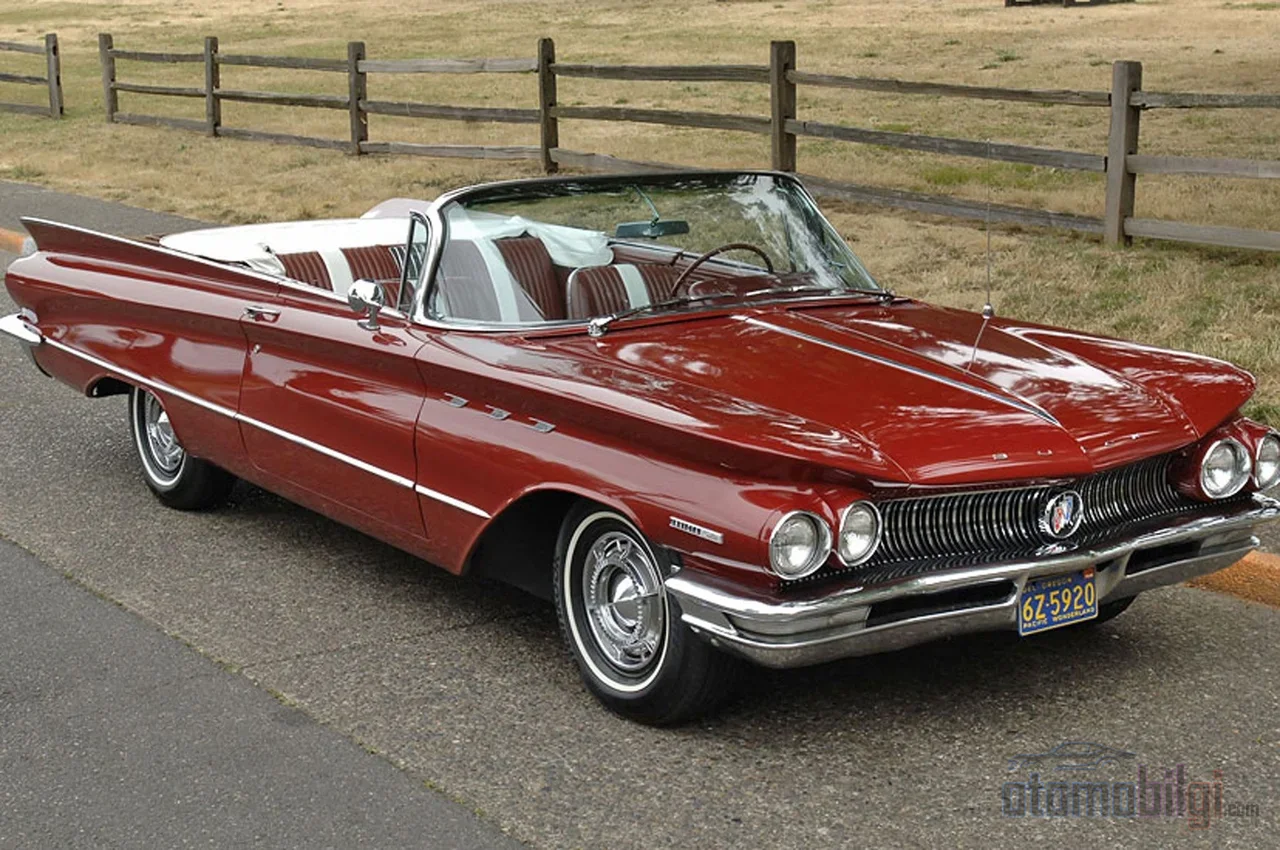
Let me be honest with you: if you're buying a classic car just to make money, you'll probably be disappointed. So why does everyone say "classics make you rich"? Because we always talk about those extreme examples. A Ferrari 250 GTO was 18,000 dollars in the 1960s; today it's worth over 70 million dollars. Amazing, right? But this car is ultra-rare, an extreme exception; it has nothing to do with the car you'll park in your garage.
Let's look at the big picture with a magnifying glass. Experts put collectible vehicles in the same group as art and stamps, and for these "traditional collectibles," long-term real returns are around 2-3% annually. Over the same 10-year period, classic cars rose 58.9% while the stock market index rose 158%. Did steel or paper win? The numbers are clear. My favorite analogy is this: classic car investment is a stock that doesn't sit on the shop shelf. You feed it, insure it, heat your garage for it; stocks don't ask you for rent.
Recent years haven't helped much either. The market index dropped to 58.28 in January 2026 - the lowest in 15 years. While buyers in 2021 gained an average of +18.4%, the average return in 2025 has fallen to +0.16%. Even worse: of the vehicles bought in 2021 and put up for sale in 2024-2025, 20% couldn't find a single buyer at auction. So nearly half of them shut up shop.
The expense items that quietly eat away at your returns
Here's the heart of the matter. The price you paid is just the beginning of the expense; it's the first line of the story. Think about this: a car you bought for 200,000 dollars has insurance of 2,000-4,000 dollars per year, and climate-controlled storage in the city costs 200-500 dollars per month. Storage alone means 12,000-30,000 dollars over 5 years. Money keeps leaving your pocket even though you never drive the car, constantly.
| Item | Approximate cost | Note |
|---|---|---|
| Insurance (specialist insurer) | 1-2% of agreed value per year | In the garage, limited use |
| Climate-controlled storage | 200-500 dollars per month | 12,000-30,000 dollars over 5 years |
| Maintenance/repair | 1,000-10,000+ dollars per year | Depending on the car and situation |
| Full restoration | 50,000-300,000 dollars | Vintage European sports car |
| Expert inspection/documentation | 2,000-10,000 dollars | Should not be skipped on major purchases |
| Auction commission | 20-25% of the hammer price | Buyer's premium + seller's commission |
When you stack all of these on top of each other, the picture becomes clear: ownership costs erode the gross nominal return, depending on the holding period and the car's condition, by 25-50 percent. Even that famous best-case scenario of 13.8% annual return drops to a net 7-10% after expenses. Meanwhile, alternatives like index funds deliver similar returns with no carrying costs. In a game where the profit margin is this thin, a small mistake can wreck the entire calculation. Classic car insurance, classic car inspection, and storage costs must be planned in from the start.
The restoration trap: why do most projects fail to recoup their money?
Now let me tell you about collectors' nightmare: the restoration bill. A car's market value and the cost of restoring it are two independent numbers. To use an example frequently cited around the world: spending 25,000 pounds on restoring a car worth 4,000 pounds makes no financial sense. So why is it still done? Because passion doesn't do the math. But an investment calculation must.
The numbers are ambitious too: a full professional restoration of a vintage European sports car 50,000-300,000 dollars range; even the level we call "driver quality" in common classics - not winning awards at shows but enjoyable to drive - is 30,000-80,000 dollars. If you go up to the museum-grade perfection level we call Concours, the bill can exceed the car's market value. And there's a surprise package on top: you must set aside extra money equal to 10-20% of the budget for hidden problems that emerge during disassembly. What comes out from under a rusty body can be more expensive than the restoration of your dreams.
Liquidity: why isn't selling your car like the stock market?
On the stock market, you sell with a keystroke and the money is in your account instantly. With a classic car, the situation is completely different: there is no continuous price discovery, no bid-ask spread, no sale guarantee. Finding the right buyer at the right price can take months, even years. At the 2024 Monterey auctions, only 53% of pre-1974 Ferraris sold - nearly half found no buyer. Ferrari! When even that brand's peak segment stayed home, who is promising to sell the car in your garage in a week?
The market also has a layered structure: what we call blue-chip peak vehicles turn over at major auctions, the mid-segment on online platforms, and the very top tier through brokers in private sales. What determines the price isn't just the model either; documented ownership and racing history is a hard multiplier. A documented early-ownership Ferrari 250 California Spider can command 30-50% more than a similar one with a mixed history. So there is no such thing as "the same car"; a car with a story plays in a different league.
So which models have actually gained value?
Okay, everywhere has been full of lost stories, but there are winners too. Since 2015, the clearest rise has been air-cooled Porsche 911's: especially between 1994-98 993 and 964 generations saw their values increase 2-3x. Ferrari F40 rose about 100% between 2020-2023, F355 while the rose ~131% - but both were followed by a correction. Japanese performance cars also caught fire: Nissan Skyline GT-R R32 and Honda S2000 models like these saw 200-300% speculative premiums in some segments between 2018-2022, then these premiums partially fizzled out.
The 2026 outlook is described as "mixed": in the upper segment, demand is strong for the cars the young collector wants; the lower tier of the market is soft. Air-cooled Porsches and late 20th century cars are rising while British classics are weak. Notice: the winners always share two traits - rarity and the next generation's passion. Who do you think performs price discovery for a car the next generation doesn't want? The answer: no one.
The most common mistakes beginners make
- Buying on a weekend whim: you watched a movie, made a decision, signed. This story usually ends badly.
- Skipping expert inspection and documentation: for purchases above $75,000, a $2,000-10,000 expert inspection is not an empty expense, it's your insurance. The risk of odometer fraud is also high in pre-1981 vehicles.
- Never calculating the cost of selling: the auction commission is 20-25% of the hammer price; this item is usually forgotten in the "I'll sell it, I'm making 100%" calculation.
- Buying at peak price: those who entered at the 2021-2022 top are still in the red.
What does classic car restoration in Türkiye actually cost?
There are enthusiasts for this in Türkiye, which is a matter of pride in its own right - but the numbers are ruthless here too. Restoring a classic vehicle in scrap condition takes at least 6 months, at most 1.5 years and can cost 400 thousand liras or more. The picture is similar in domestic examples: for an Anadol, vehicle purchase runs in the 100,000-150,000 TL band, while engine overhaul stays in the 50,000-75,000 TL range. When restoration is complete, the vehicle can genuinely gain value; there are examples of restored scrap classics being sold for 100-150 thousand dollars. But this doesn't mean the cost-revenue balance holds in every project - on the contrary, finding the right car and having it restored at the right price is the hardest part of the whole job.
There's also the regulatory side, let's not skip it: passenger cars must pass TÜVTÜRK inspection once every 2 years after the first 3 years. If you have an accident with a vehicle without inspection, you may face serious problems in comprehensive and traffic insurance processes; penalties are issued for driving without inspection and an inspection obligation arises within 7 days. You go to the inspection with the registration certificate, driver's license, traffic insurance and ID. So classic car ownership in Türkiye is both an emotional hobby and a responsibility with official procedures.
In which scenario do you make money from a classic car?
After the above, you might ask, "Bro, since it barely ever makes money, why are these people still buying?" Here's the honest answer: those who make money almost always loved the car first and thought about the returns later. The profit scenario requires five conditions to come together:
- The right model: a rare, documented vehicle that the young collector wants.
- The right buying time: entering at the bottom of the market, not at the top - the gains of those who bought air-cooled Porsches before 2015 are tied to this.
- Long term: short-term plays are exposed to "trend" risk; experts recommend a long view.
- Expertise: knowing what you're buying, getting an inspection done, keeping track of the documentation.
- A bit of luck too: let's not deny it, the mood of the market is also decisive.
What happens if all five conditions don't hold at once? The car becomes a burden: an iron heap that occupies the garage, whose insurance gets renewed, which demands money for restoration but finds no buyer. That's why the sensible suggestion is this: follow the market for at least 12 months before buying. Look at which vehicles are selling and which ones stay at home. In the meantime, test your financial discipline too: in an asset where the net return struggles to exceed an annual 6-7%, the risk-return calculation is weak against alternatives like the stock market, and you need to accept this from the start.
Let me have the last word: a classic car is not a stock, it's a passion. If you're passionate, buy it knowing its expenses, keeping your eyes on the steering wheel instead of the money; maybe you'll make money, maybe you won't, but you win with every drive. If you get in just for the money, you may lose both your wallet and your joy. Which side are you on: passion or returns? Tell me, and let's get a car and hit the road.
Sources
- Classic Car Investing: Real Returns vs. Real Costs
- Risk and return of classic car market prices: passion or financial investment
- The 2026 Collector Car Market Has a Strong Top End, But a Soft Underbelly
- Is Investing in Classic Cars a Smart Financial Move?
- Investing in Classic Cars: A Passion That Can Pay Off
- Hidden Costs of Classic Car Ownership
- Classic Car Cost: How Much Is A Classic Car?
- Classic Car Restoration Costs vs Scrap Value Explained
- How Much Does It Cost to Restore a Classic Car Today?
- Classic Car Restoration Guide
- Classic cars vs traditional investments
- Are classic cars worth investing in?
- Investing in Collectible Cars
- Are Collector Car Prices Going Down? Here's What's Actually Getting Cheaper in 2026
- Why Millennials Are Rewriting the Rules of the Collector Car Market
- They are hammering wrecked cars: The cost can exceed 400 thousand lira
- They are bringing classic cars back to life
- Classic Car Restoration
- Car Restoration: Cost, Time, and Making a Profit
- TÜVTÜRK Inspection Guide: Frequently Asked Questions
- 2026 Vehicle Inspection Procedures
- Vehicle Inspection Guide