Youngtimer Trend: Why Are Cars from the 80s and 90s Rising in Value?
Share This Page
Youngtimer roughly refers to cars produced between 1980 and 1999 that have long attracted collector interest but have not yet reached the classic threshold of 30 years. So exactly "not young, not old" - the German-origin term already says it in one word: young-old. So why are vehicles of this generation rising both emotionally and financially? The answer is three words: nostalgia, accessibility and daily usability. Sounds good to you too, right?
Highlights
- The standard threshold for classic status 30 years; in 2023, around 100 models reached this threshold.
- Lancia Delta HF Integrale Evo II In 15 years rose from £7,500 to £64,500 ; top examples £85,400.
- In Germany, roughly 40% of historic vehicles go for under €10,000 - meaning the scene is affordable for everyone's budget.
- In 2026, 80% of collector vehicles are flat or declining; late 20th century vehicles are among the risers.
- Restoration costs can often wipe out potential profit - look at the heart first, then the ledger.
What exactly is the difference between a youngtimer and a classic car?
There is no strict rule, but in practice everyone uses the same threshold: a vehicle must be at least 30 years old and out of production to count as a classic. In Türkiye too, platforms like arabam.com use this 30-year criterion as the basis. Germany and France have similar legal regulations in place. Vehicles that have not yet turned 30 but have left many years behind are called youngtimers - you can think of it as the waiting room of the classic club.
The sweet part is this: sitting in that waiting room is a lot of fun. Official data from Germany shows the scale of the situation - while the number of vehicles with classic status was 793,589 in January 2023, that figure rose to 846,562 in January 2024 and stands at around 890,000 as of 2025. So where do these vehicles come from? Right here: roughly 800,000 youngtimers aged 25-29 are in line, waiting for classic status. So hundreds of thousands of vehicles pass through the door every year.
In 2023 alone, around 100 models - Renault Twingo, Fiat Punto I, VW Golf III Cabrio included - reached the 30-year threshold. So the car you call a youngtimer today puts on the "classic" title in two or three years. Catching it early always means catching it at a better price.
Why are 80s and 90s cars gaining value?
There are two separate engines behind this rise: one emotional, one financial. The emotional one is more interesting. The collecting urge is triggered when something starts disappearing from everyday life. Cars of the 80-90 generation have become so rare on the streets that eyes light up when people see them. You'll understand what I mean the day the car your mother took you to the grocery store in as a child drives past you.
Studies in Germany turn this feeling into numbers: 76% of Germans consider classic vehicles cultural heritage, 70% of them happy to see in everyday life. The collector profile is also changing; younger collectors are increasingly turning to modern classics and millennial collector interest has risen 270% since 2016. So enthusiasts like you are not just around, they are growing in number.
The financial side: the numbers speak
The stars of the 80s-90s generation: homologation models - that is, performance-focused versions sold in specific numbers to the road so they could race. Here are a few examples:
| Model | Value development |
|---|---|
| Ford Sierra RS Cosworth | Average of +£20,200 per year; the best examples reach £75,000 |
| Audi Quattro Sport | Perfect example £265,000 → £284,000; a Race of Champions Sport Quattro S1 sold at auction for €2.016 million |
| Lancia Delta HF Integrale Evo II | £7,500 → £64,500 in 15 years; peak £85,400 |
| BMW M3 (E30) Evo II | Average £57,575 → £64,025 |
| Renault Clio Williams | Perfect example £18,100; rough examples still under £10,000 |
| Toyota Celica | Increased its value by 62% among enthusiasts |
The explanation for these figures is actually simple: when low production numbers, high performance and a motorsport career come together, the market is practically enchanted. But be careful - the stars in the table are the ceiling. Not every youngtimer follows this path. In Germany, about 40% of historic vehicles have a market value below €10,000. So it is still possible to enter the scene without spending a fortune.
Where does the market stand in 2026?
Here is an honest warning for you: in 2026, 80% of collector cars are moving sideways or declining . But the remaining 20% are breaking records - and among the risers, along with supercars, are exactly the late 20th century vehicles, that is, our youngtimers. The 2026 Bull Market List focuses directly on the '90-'00 generation. Even if the general market stalls or declines, this generation is writing its own story. Still, remember: the "youngtimer" label alone is no guarantee of value; model choice is everything.
Everyday usability: the youngtimer's hidden superpower
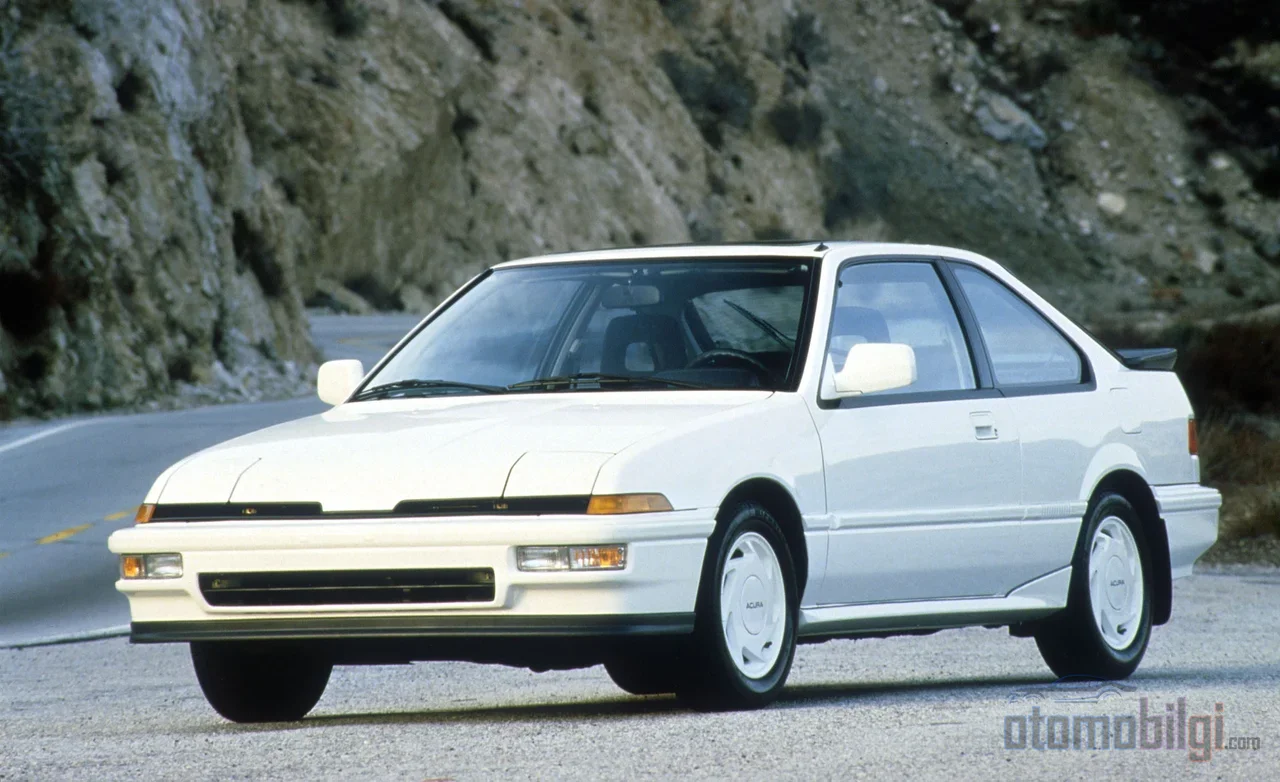
Old classics are magnificent, but admit it, driving a carbureted car to work on a rainy Monday morning is an act of courage. With youngtimers, this problem is much smaller. From the mid-1980s onwards, computerized engine management and injection became standard; consumption is reasonable, and air conditioning and heating systems work at levels comparable to today's cars. So a youngtimer is not a display piece, but a vehicle you can genuinely use.
Then there is the spare parts issue, and the situation is relatively bright for this generation. Since production ended not too long ago, parts are still available, and the mechanics are more familiar than those of older classics. For example, the Porsche 944 often stands out on beginner lists with the label "easy to maintain and repair." Mercedes 190 E is mentioned among relatively affordable options; VW Golf GTI MK2 and Mercedes-Benz W123 280CE also say hello on the same lists. In fact, on the Australian side, a 1985 Nissan Bluebird TRX costs $13,999, a 1986 Mitsubishi Cordia Entry-level examples are mentioned with figures like $9,500. From budget-friendly hot hatch to sedan, dozens of names are counted for a first car.
Is starting with a youngtimer different from a classic? Ownership in its different aspects
Short answer: yes, it differs at a few important points. The first difference is the entry price. The legends of the classic world go for prices you couldn't even dream of paying for a good-condition youngtimer. Second is usability comfort - I explained that above. Third is potential: as it approaches classic status, demand is expected to increase, meaning you have the advantage of being an "early investor". But please don't read this advantage like a guarantee.
The checklist to consider when evaluating cars to buy isn't much different from classics:
- Overall condition and corrosion status
- Uninterrupted maintenance history - invoices are worth gold
- The balance between rarity and demand
- Technical specifications and production version
- And of course, a test drive is a must
Originality is critical: engine, transmission, interior upholstery, and body parts are decisive in determining value. The market rewards honesty - and a striking example of this happened. In 2025, an expert inspected a 1980s Ford Fiesta claiming 40,000 miles; pedal and steering wheel wear, undercoatings of a different color, inconsistent window etchings, and a newly riveted chassis plate came to light. The result? The car wasn't worth £20,000, £6,000-8,000 was its assessed value. The gap between fake mileage and real value can sometimes be this harsh.
Investment or money pit?
Let me give you the most honest sentence I can: Although appreciation is possible, looking at youngtimers purely through an investment lens is a risky game. A basic restoration - mechanical plus cosmetic - starts from $20,000-50,000 in the US, and the British scene emphasizes that restoration is the area that "produces the highest figures and the least reliable advice". Restoration and maintenance costs often wipe out the potential profit. In the German example, annual maintenance cost is around €1,300-1,600 - and that's in a picture where even advantages like the H plate (fixed tax, affordable insurance, free access to environmental zones) are in effect.
Also, not every classic gains value; but it's known that vehicles restored by reputable shops command higher sale prices. So either you'll find a truly original, well-maintained example, or you'll go through the restoration as a serious overhaul. There are so few in-between paths that it's fair to say there's none.
The youngtimer situation in Türkiye and the inspection-insurance reality
Interest in classic cars in Türkiye is visibly increasing, and the classic/youngtimer distinction is increasingly discussed in Turkish automotive sources. The 30-year criterion applies here too. So if you invest in a youngtimer in Türkiye today, you can expect it to enter classic status with both emotional and practical advantages - regulations regarding classic plates, inspection, and taxes also play a role in this transition.
A practical warning from me: passenger vehicle inspection in Türkiye once every 2 years, done once a year for commercial vehicles; when going to inspection, you need to prepare the registration certificate, insurance documents, and debt-free paperwork. A special inspection or insurance exemption for youngtimers is not on the agenda for now - meaning you need to prepare your vehicle according to the normal rules. This means you should ask whether the vehicle is in a condition to pass inspection before buying it. Brakes, tires, exhaust, lighting... Romance is nice, but the inspection station is not romantic.
Choosing your first youngtimer: clear answers to enthusiasts' questions
There is no single correct answer to the question "Which model should I buy?", but there is a solid guide: choose a model you both love and can find parts for. Homologation models and hot hatches are the fastest-appreciating group; but for entry, Porsche 944, Mercedes 190 E, VW Golf GTI MK2 and other easy-to-maintain, widely known names offer a much less stressful start. If you want to stay away from a vehicle with questionable mileage, choose one with uninterrupted maintenance records and always take a test drive - the documents tell you more than the seller's story.
Original or restored? My short answer: original if originality has been preserved, restored if it has been lost and the restoration came from a reputable shop. If you want top values, look at homologation models; if you want a calm start, go for a budget-friendly daily classic. And the final word: if you approach a youngtimer with an emotional bond but a calculated mind, it becomes a beautiful story in your garage, and perhaps you will have collected the classics of the coming years starting today. Which 90s vehicle would you want back? If your answer is already for sale somewhere, trust your luck and start searching.
Sources
- The youngtimer: a passion for iconic cars from the 1980s and 1990s – Auxal
- Oldtimer Boom – Numbers, Trends & the Fascination of Classics
- Hagerty Examines the Rising Values of 80s and 90s Homologation Specials
- Buy It Now, Thank Us Later: Hagerty's 2026 Bull Market List
- Classic car market 2026: falls and new records – Garage Privé
- Collector car market: performance, trends, and opportunities – Lombard Odier
- How Do You Value a 80's and 90's Car? A Real Inspection From 2025 – Tom Hardman
- Car Values from the 80s/90s Rising – Classic Motorsports
- Appreciating Classic Cars: Prices Soar for 80s and 90s Cars – Calibre Magazine
- Classic Car Trends 2026 – Butter Classics
- The differences between classic cars and youngtimer cars – Niemöller
- Why are youngtimers attracting so much attention? – Otohaber
- Important Information About Classic Cars – Arabam.com
- Things to Consider When Buying a Classic Car – Arabalar.com.tr
- What You Need to Know When Buying a Classic Car – Oggusto
- Do Classic Cars Gain Value – Pedalbox Türkiye
- Vehicle Inspection Appointment and Inspection Procedures 2026 – Sigortam.net
- Vehicle Inspection Guide – Axa Sigorta
- How Much Does It Cost to Restore a Classic Car Today? – Hillbank
- Classic car restoration costs – British Classic Cars
- Classic Cars vs. New Cars – Vintage Modern
- Pros and Cons of Classic Car Restoration – O&S Sportscar
- Five entry-level classic cars under $15000 – WhichCar
- Top 10 Affordable Collector Cars For Beginners – Slashgear
- The Best Classic Cars for First-Time Collectors – Consignify
- Starter classics: 14 great cars for a first-timer – Classic & Sports Car
- Youngtimers: Today's Vintage Cars – Sphere Discount