Can You Install an Electric Motor in a Classic Car?
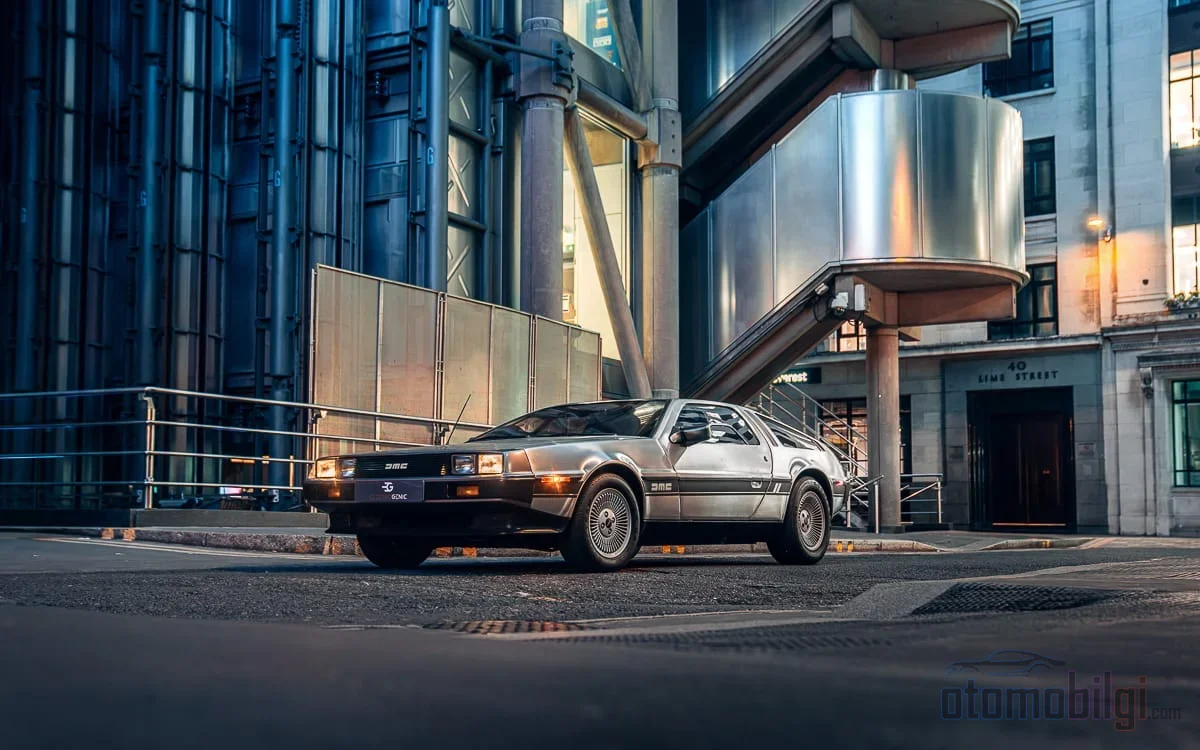
Share This Page
Yes, an electric motor can be fitted to a classic car - technically, an electric motor and battery pack are installed in place of the removed gasoline engine, and this practice is becoming widespread around the world. But the matter is not only technical: it involves a serious budget, a debate over originality, and legislation in Türkiye that has not yet fully settled. In short, it is possible, expensive, and somewhat controversial work.
Highlights
- A complete conversion kit usually falls in the 15,000-35,000 pounds range; with professional workmanship, the total can go up to 75,000 dollars .
- In a small classic, the range is 80-140 km, in a large vehicle around 200-300 km .
- Some electrified classics are listed at up to 20 times the price of their originals.
- In Türkiye, conversion is technically feasible but subject to strict engineering inspections.
- Pre-1990 vehicles are the most suitable candidates for conversion; later ones become more expensive due to electronic integration.
How exactly is an electric conversion done?
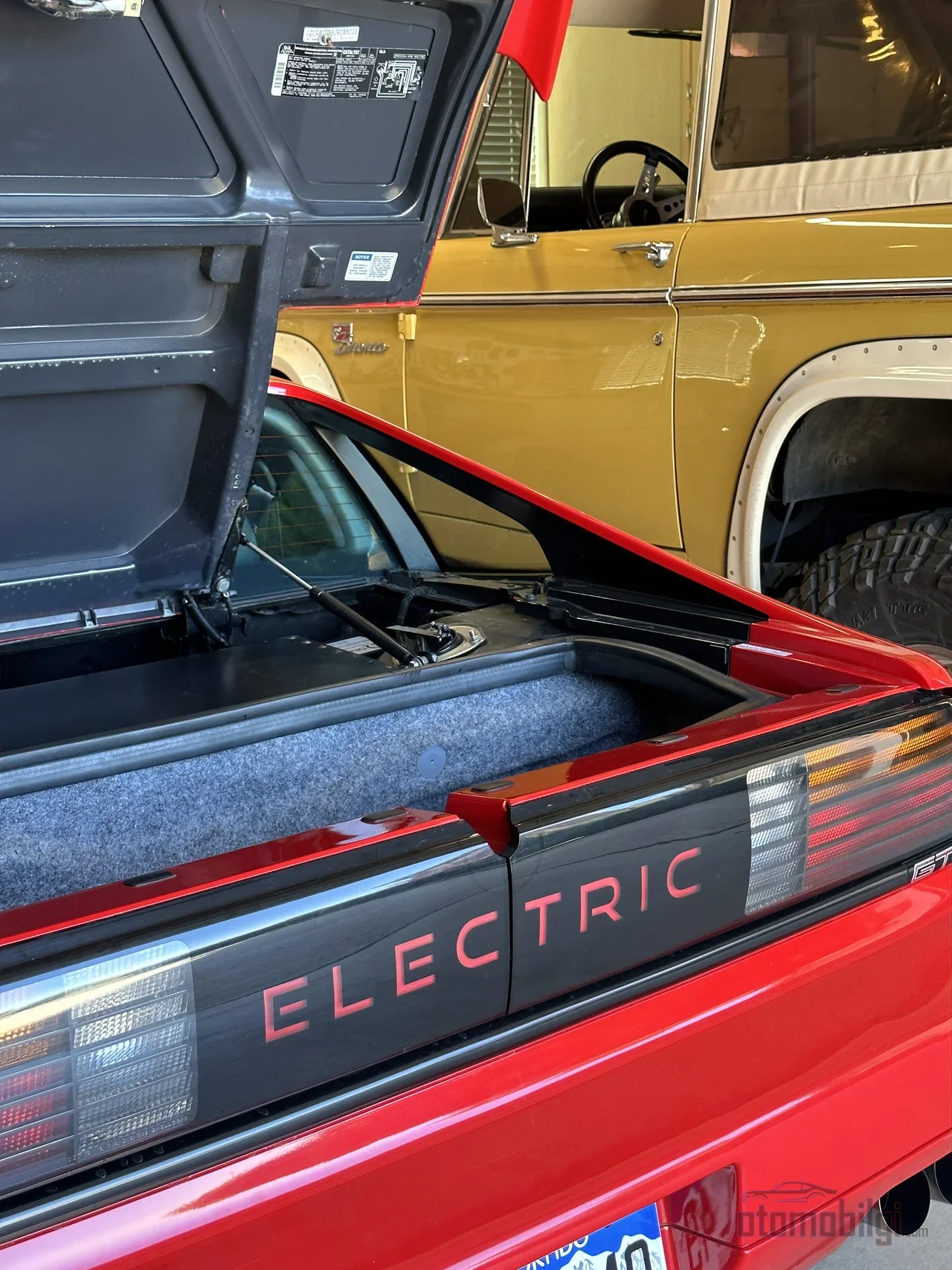
The logic is actually quite simple: the gasoline engine, fuel tank, exhaust, and radiator are removed. Into the resulting space goes a set consisting of an electric motor, battery modules, controller and inverter, DC-DC converter, charger, wiring harness, cooling equipment, and mounting brackets. This is also called a "crate motor" in the industry - think of it as buying a ready-made power package and fitting it into the vehicle. It is like converting an old cassette player into an MP3 player, only the version that costs thousands of euros!
The motor is usually connected to the vehicle's existing transmission. So that mechanical feel of your classic car comes along with the gear lever - yes, a manual transmission can be used , and most kits support this. Cruising around the city in 2nd or 3rd gear is recommended; the electric motor's torque already does most of the work without shifting.
The batteries are placed in the old engine bay or trunk for weight distribution. Meanwhile, a BMS, or battery management system, monitors each cell's voltage, temperature, and balance. Depending on the set's power, there are three classes: city kits 30-60 kW, mid-level 60-120 kW, high performance 150 kW+. The good news is this: even in modern conversions, the components mostly come from production EVs like the Nissan Leaf, Renault Zoe, or Tesla Model S/3, meaning tested parts.
Which vehicle is a more suitable candidate?
The short answer: pre-1990 vehicles. After that date, body control modules and engine control units come into play, and establishing electronic integration with them makes the job significantly more expensive. Conversion kits prepared for the classic Mini, one of the most classic examples, are therefore very popular. Cars like the Porsche 911 are also popular candidates - they can reach ranges of over 200 miles.
How much range?
Partly dependent on the battery size. A small classic with25-30 kWh does 80-140 km ; a large vehicle with50-60 kWh does 200-300 km reaches its range. That's more than enough for daily commutes and weekend meetups - the real point is driving pleasure anyway, not those super long routes, right?
How much does the conversion cost?
Now lean back in your seat, because the numbers are dazzling. If you're self-installing a conversion kit, it's roughly 5,000-35,000 pounds; with professional labor, starting at 15,000 pounds and easily exceeding 30,000 pounds . On the US side, a kit is 14,000-26,000 dollars, labor 20,000-45,000 dollars; the total can climb above 34,000-75,000 dollars. Complete kits prepared for a classic Beetle are in the 22,000 dollar range, while 90 kW kits for the Porsche 911/912 are priced between 7,770-23,500 Euros depending on battery choice.
| Type of Work | Approximate Cost | |
|---|---|---|
| DIY conversion kit | £5,000 - £35,000 | |
| Professional conversion (starting) | £15,000+ | |
| Classic Mini kit (self-install) | £15,000 + VAT | |
| US total (kit + labor) | $34,000 - $75,000+ | |
| Land Rover conversion | from £45,000 | |
| Full restoration + conversion | £180,000+ |
And note: these figures don't include the price of the donor vehicle. Batteries are also a separate matter - as demand for used batteries rises, their prices are going up, which makes the economics of conversion harder. While a Fiat 500 in good condition ranges from 7,000-15,000 pounds in its original form, adding an electric conversion can push the total to 45,000 pounds. A conversion sometimes means a cost close to or even exceeding the vehicle's own value.
Does the vehicle lose or gain value?
Here's the most hotly debated question in the industry. The data cuts both ways. On one hand, there are examples of electrically converted classics listed at prices up to 20 times higher than their originals: while a standard MG MGB Roadster is around 5,000 pounds, an electric version is asking 108,000 pounds. An electric Aston Martin DB6 goes for about 1 million dollars - but here the increase is 129%, because a standard DB6 already averages 320,000 pounds. In Nissan Bluebird and Rover Mini examples, a 700% increase in value has been seen.
On the other hand, there's the emotional side: most people who do a conversion aren't doing it as an investment. It's truly a labor of love - customers never think of selling their vehicles, they just want to drive without the burden of maintenance. So the real answer to "does it gain value?" depends on your intention.
For most customers, it's a labor of love; they never think of selling their vehicles, they just want to drive without the burden of maintenance.
Conditions that make a conversion "profitable"
If you're going to look at a conversion from the value side, these tips work:
- First set a realistic budget - factor in the total of kit + labor + donor vehicle.
- Choose vehicles whose post-conversion price is close to the standard model; that way you start from a relatively cheap base.
- Prefer a high-mileage model - if a low-mileage rare vehicle is converted, it may lose value.
- Pick a model with a solid chassis and body; restoration alone can reach 100,000 pounds.
- In the UK example, pay attention to the DVLA's "radically altered vehicles" rule: the original body and chassis earn 5 points, and 3 more points are needed to keep the original plate.
There are also pleasant surprises on the performance side: thanks to a well-placed battery and motor, conversions can sometimes come out lighter than the original and achieve a near 50:50 weight distribution. A battery in the engine bay, ballast in the trunk - engineering pleasure reaches its peak here.
Why is the collector community split in two?
The real issue here is not technical, but passion. For some collectors, factory-original specification is sacred; every screw in the engine bay must be original. For this reason, some rare and original vehicles can lose purist appeal after conversion. There are strong voices in the community attributing why conversions won't catch on to emotional reasons, and even videos on YouTube debating "is it a sin to electrify a classic?" are seriously watched. This is actually a moral debate - is the soul of the classic car its engine sound, or its design?
On the other side, there are those who argue that "everything can gain usability and value with a good conversion." Those who want to drive a classic without emission guilt are turning to high-end conversions. Companies like Everrati, while some collectors assess factory-original specs, emphasize for the majority that conversion is an upgrade that improves daily use. In my eyes, both are right: let a rare classic stay in a museum, while electric suits the classics driven daily. If it were you, which would you choose?
What is the legal situation in Türkiye?
Good question, and we need to be realistic here. In Türkiye, removing the internal combustion engine and converting the vehicle to electric is technically a feasible process - but subject to strict engineering inspections. After conversion, the vehicle must pass inspection, and electric vehicle inspections differ from classic vehicle inspections: there are fewer mechanical parts, no exhaust system.
For standard passenger vehicles, inspection is every 2 years, and for commercial vehicles once a year, and valid traffic insurance is required before inspection. But the critical point is this: detailed official legislation on how the registration certificate will be updated after an engine type change is not yet clearly publicly accessible. Most of the information on this subject comes from commercial sources and requires official verification. So before starting a project in Türkiye, you must definitely get confirmation from the relevant official institutions and authorized services - don't let an eagerly dismantled classic wait in a paperwork queue.
Things you need to know before considering a conversion
The practical side matters too. A simple installation 4-8 weeks being driven; but restoration projects can take months, even years. Ready-made "drop-in" kits can be installed in a few weeks, while custom-built projects can take over a year. The quality side looks promising: quality electric motors can last several hundred thousand kilometers, and li-ion battery packs can retain usable capacity for 8-15 years.
- Reversibility is possible: Conversions can mostly be reversed; some manufacturers don't drill or cut the body.
- Charging: AC Type 2 mostly works on the public charging network; always check the connector and DC compatibility.
- Insurance: The conversion must be reported to the insurer; find an agency experienced in classic car insurance.
- Weight: The total weight must not exceed the value on the original VIN plate - this is critical for crash performance.
- Ownership cost: There is no depreciation like a new vehicle, no engine maintenance, and the electric motor operates at over 95% efficiency.
So should we take on a conversion?
The answer depends on your vehicle, your budget, and your heart. If it's a rare and original classic, don't touch it - that car should go to future generations in its original state. But if it's a daily-driven, not-too-rare, and solid classic, an electric conversion can give it a new life: silent, odor-free, easy to maintain, and enjoyable driving. The only condition is calculating the regulations and costs with eyes wide open. Will classic car love be expressed with soap suds or a charging cable? The answer to that question is up next.
Sources
- Electric Motor Conversion Kits - Equipmake
- Frequently Asked Questions - Electrogenic
- Classic Car EVs: Is It Worth Converting A Classic To Electric? – Vanarama
- Explore the Three Best Cost-Effective EV Conversion Kits on the Market – Fuel2Electric
- What Does an EV Conversion of a Classic Car Cost? – Retroelectrics
- Converting classics to electric: how to do it and how much does it cost? – EV Central
- EV Conversion Kits – EV Europe
- Electric Classic Car | Modular EV Platform – Olympian Motors
- EV West DIY Kits
- EV Restomod: Classic Car Electric Conversion Guide – Sarjagel
- Electric Vehicle Inspection – Volkswagen Passenger Cars
- Required Documents for Vehicle Inspection – TÜVTÜRK
- Vehicle Inspection Appointment and Inspection Procedures 2026 – Sigortam.net
- Rich Collectors Are Converting Classic Cars to EVs – Time
- Are Electric Conversions Worth It for Vintage Vehicles? – Everrati
- How An Electric Car Conversion Works – ElectricCarConverts
- Can You Convert a Traditional Car to an EV? – Pod Energy
- Convert Old Classic Car to Electric India – MeraEV