Does Fuel Deteriorate While Sitting in the Tank?
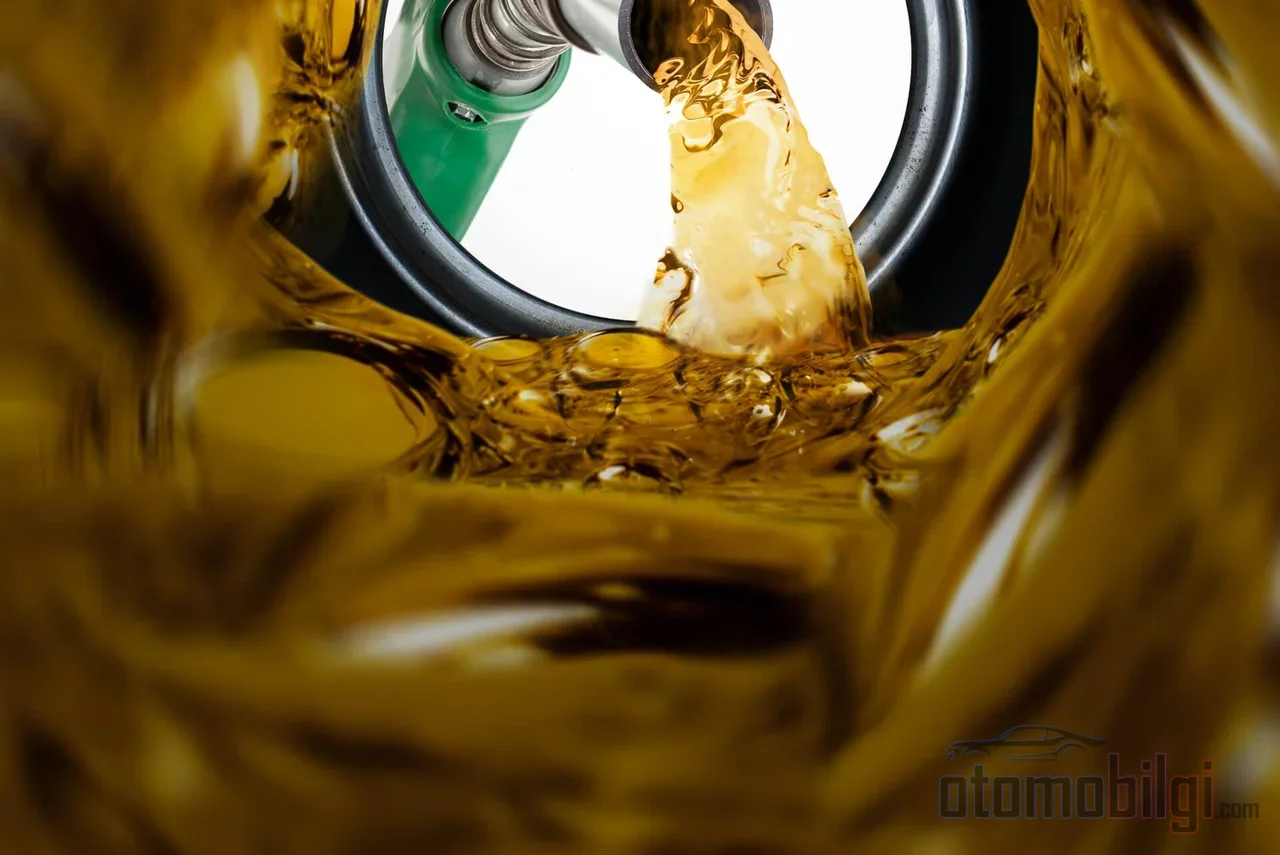
You know that a car's battery will drain when you park it for weeks, months, or an entire winter; yet most drivers ignore the fact that the fuel in the tank also has a shelf life. In fact, gasoline and diesel are not frozen products in a sealed container: in the tank, they chemically age as they come into contact with oxygen, moisture, and heat. Moreover, this aging is not limited to the fuel alone - the octane drops, injectors clog, and an invisible ecosystem can establish itself in a diesel tank. So does fuel really degrade while sitting in the tank, how long does it take, and what should you pay attention to when returning a long-parked car to service? On this page, we address the question point by point, with measurable data.
How Long Does Gasoline Last in the Tank?
The shelf life of gasoline depends on three variables: whether it contains ethanol, how much air and moisture can enter the tank, and temperature. Normal gasoline begins to degrade within 3-6 months in a sealed container; high-octane premium fuels can last up to about 9 months. While ethanol-free gasoline stays problem-free for 6-12 months in a tightly sealed container, ordinary gasoline in a vehicle tank ages much faster - because a vehicle tank is not completely airtight and temperature fluctuations produce condensation.
The truly critical threshold comes into play with ethanol-blended fuels. E10-type gasoline containing 10% ethanol by volume can begin to degrade in the tank within 1-3 months under conditions close to room temperature; according to some assessments, this period drops to as little as 30 days in a vehicle tank. As the ethanol content increases, the situation becomes even tighter. With a stabilizer added, ethanol-free gasoline in a cool and full tank remains usable for 6-12 months, and well-protected fuel for up to 12-24 months.
Key Takeaways
- Normal gasoline lasts 3-6 months in a sealed container, premium gasoline about 9 months; E10 begins to degrade in the tank within 1-3 months.
- E10 can absorb about 10 times more water than pure gasoline and can undergo phase separation.
- The shelf life of diesel is about twice that of gasoline: typically 6-12 months.
- When a stabilizer is added to fresh fuel, its life extends from months to 12-24 months; it does not restore degraded fuel.
- Before long-term parking, the tank should be left completely full.
Ethanol, Moisture, and Phase Separation: Water Is the Real Problem
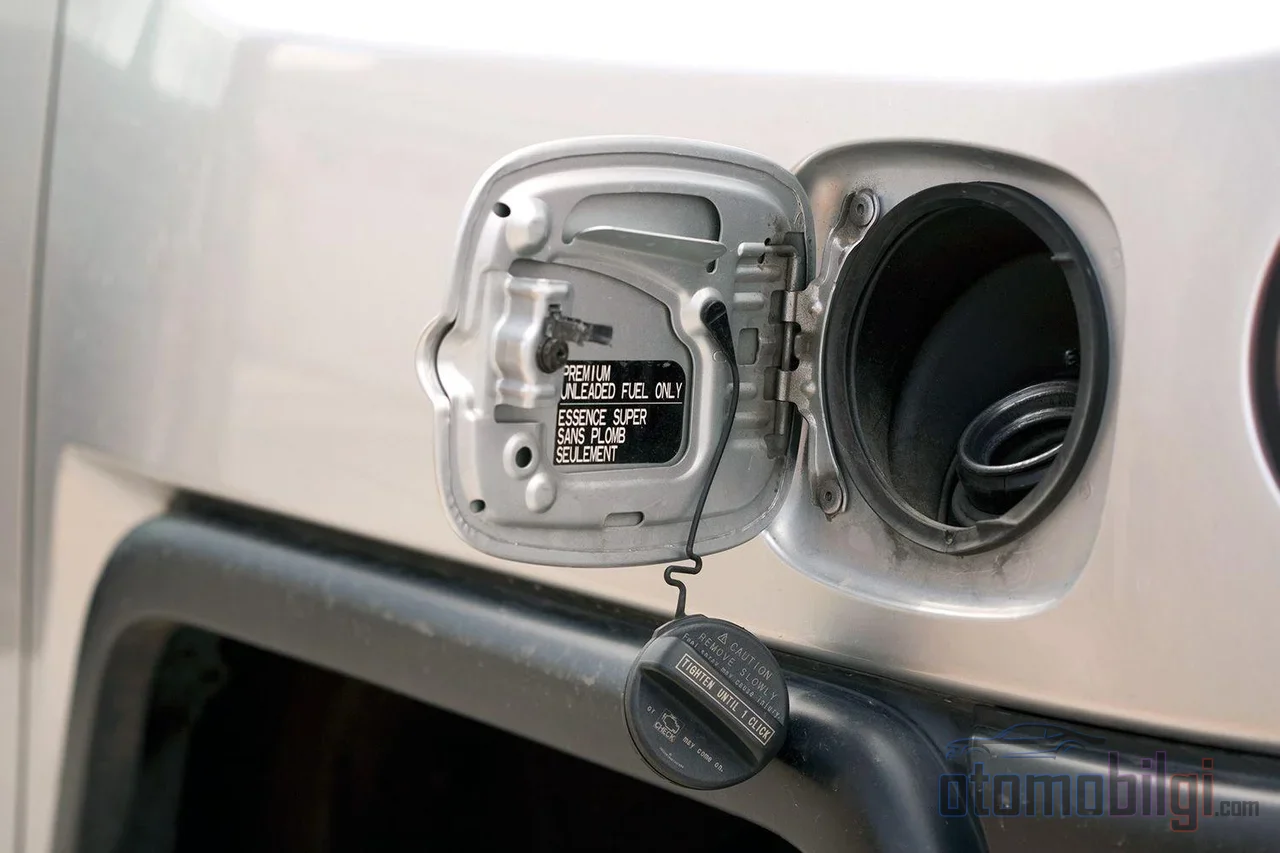
The reason ethanol-blended gasoline ages quickly is physical rather than chemical: ethanol is hygroscopic, meaning it absorbs moisture from the air. Pure gasoline does not mix with water; E10, however, can hold up to 0.5% water by volume - at around 15.6 °C - in dissolved form without creating a visible problem. Once the limit is exceeded, phase separation occurs: the ethanol draws the water to itself, separating from the gasoline, and sinks to the bottom due to its density. The tank now contains two layers: on top, gasoline with reduced octane; at the bottom, a water-ethanol mixture unfit for combustion.
The chain of consequences is mechanical. Octane drops, the engine becomes prone to knocking; if the bottom layer is drawn into the pump, the engine stumbles, or may not start at all. Acids formed during ethanol degradation damage metal components, and the water-ethanol environment promotes bacterial growth. Injectors become clogged, and resin and varnish-like deposits contaminate filters and spark plugs. There is of course a balancing view: experts who argue that ethanol draws water from the air very slowly and that small amounts remain harmless to the engine in solution emphasize that gasoline goes stale through other mechanisms long before the water problem emerges. The practical takeaway is this: for short-term parking, ethanol does not warrant panic, but in a tank sitting for months it is a risk factor that must be taken into account.
How Do Storage Conditions Change the Timeline?
The same E10 fuel ages several times faster or slower depending on the environment in which it is stored. The fill level is the decisive factor here: in a half-full tank the air gap grows, day-night temperature differences produce condensation in this space, and each cycle adds a little more water to the tank. A warm environment accelerates both oxidation and evaporation.
| Storage condition | Onset of degradation | Problem threshold |
|---|---|---|
| Full tank + stabilizer + cool environment | 3-6 months | 6 months+ |
| Full tank, no stabilizer | 30-60 days | 90-180 days |
| Half tank, no stabilizer | 15-30 days | 60-90 days |
| Warm environment, half tank | 7-15 days | Very fast |
The lesson from the table is clear: as conditions improve, E10's lifespan extends from a few weeks to half a year. A stabilizer does not work alone; it works as a system together with a full tank and a cool parking spot.
Diesel: A Fuel That Ages Slowly but Harbors Microbes
Diesel has a shelf life of roughly twice that of gasoline: under the right temperature and additive conditions, 6-12 months, even up to a year, it can be stored without serious degradation. Diesel aging is primarily oxidation-driven; sludge and resin formation affect filters and injectors over time. Observations from storage tanks show that this period can be much shorter if conditions are poor - this is where the difference in definition arises: fuel remaining "usable" and the first signs of degradation appearing are not the same thing.
What is diesel bug?
Diesel's most characteristic risk is microbial contamination, known in the industry as "diesel bug". This is not a single organism, but a microbial sludge formed by colonies of bacteria and fungi growing at the interface between the fuel and the water layer. Warm weather, stagnant fuel, and biodiesel content provide an ideal breeding environment for these colonies. Microorganisms form biofilm; they both consume the fuel's components and produce metabolites that cause corrosion. Externally, the symptoms are discoloration, cloudiness, and sedimentation; internally, it is a biomass accumulation that clogs filters and blocks injectors. For this reason, in a diesel parked for a long time, the water in the tank is a problem at least as important as the fuel itself.
Symptoms of Bad Fuel
Degraded fuel usually reveals itself in starting and running characteristics. The step-by-step checklist is as follows:
- Hard starting and misfiring: hesitant ignition, rough idle, power loss in throttle response.
- Check engine light: deviations in mixture and ignition parameters trigger a warning.
- Color and smell: degraded gasoline looks darker, orange-tinged and cloudy than normal; it gives off a sour or resin-like odor.
- Signs of water in the tank: white exhaust vapor, misfiring and hard starting are classic signs of water intrusion.
In extreme cases the situation becomes serious: water-ethanol mixture entering the cylinders can lead to sudden stalling, the engine not turning at all, or even mechanical damage such as a bent connecting rod. Injector, fuel pump and tank contamination repairs generate serious costs; whereas the annual cost of preventive measures is only a tiny fraction of that. So the question is not "will it degrade", but "how easy is it to prevent degradation".
Prescription for a Vehicle That Will Be Parked Long-Term
Should the tank be left full or empty?
The answer is clear: completely full. In a full tank the air gap is minimized; there is no surface left for condensation, the risk of internal rusting and water contamination drops, and the fuel pump is also protected by staying cool within the fuel. An empty or partially filled tank acts like a condensation vessel that produces water through day-night cycles and rusts from within. The only exception is when the system is planned to be completely drained for storage exceeding two years. Taking regular short drives a few times a year also prevents the fuel from stagnating and ensures fresh fuel is purchased every 1-2 months.
Correct use of fuel stabilizer
Stabilizers contain antioxidants and work by slowing the oxidation that ages fuel; most products provide 6-12 months of protection, while long-term formulas protect for up to 2 years. The critical point is timing: the stabilizer only works when added to fresh fuel. When added to fuel that has sat for a year and degraded, it cannot reverse the chemical degradation. The correct application sequence is: add the stabilizer when the tank is nearly empty, fill the tank - with ethanol-free gasoline if possible - and run the vehicle for at least 5 minutes to ensure the mixture spreads through the entire system. Slightly degraded fuel (sitting for 3-6 months, well stored) can still be used if diluted with at most 25% old + 75% fresh fuel.
Quick prescription by duration
- 1-3 month parking: fill the tank completely, add stabilizer, keep the vehicle in a cool place.
- 3-6 month parking: apply a premium stabilizer and fuel system treatment; don't neglect battery maintenance.
- Parking longer than 6 months: drain the fuel system or prepare with ethanol-free fuel and professional-grade stabilizer.
Starting a Long-Standing Vehicle for the First Time
Waking up an idle engine by turning the ignition key is an exciting but risky moment. Fuel that has sat for years can coat the pump with resin-like deposits. Therefore, before starting, do a two-minute fuel assessment: If the sample taken from the tank is dark in color, cloudy, contains sediment, or smells sour, do not start the engine. If serious degradation has occurred, the correct sequence is to fully drain the tank, replace the fuel filter, send the injectors for service, and clean the tank if necessary.
On the diesel side, there is also a classic misconception: running the vehicle at idle for a few minutes "so it doesn't sit empty" is worse than leaving it parked. A short run produces condensation in the exhaust and fuel system because the engine stops before fully warming up - so instead of solving the problem, it increases the moisture load.
Summary: Does Fuel Sitting in the Tank Degrade?
Short and clear answer: yes, it degrades - but the speed depends entirely on the conditions. In a normal gasoline vehicle tank, fuel starts to degrade in 3-6 months, and E10-type ethanol-blended gasoline begins degrading in as little as 30 days under non-ideal conditions; premium gasoline lasts about 9 months, diesel 6-12 months. Ethanol draws in moisture and causes phase separation, while diesel develops microbial contamination in stagnant water. A full tank, a quality stabilizer added to fresh fuel, and a cool parking spot move these timelines from months to years. What anyone parking a vehicle for a long time should do is fill the tank, add the stabilizer while refreshing the fuel, and not turn the ignition without checking the fuel upon return.
Sources
- How Long Can Gas Sit In a Car Before It Goes Bad? - JD Power
- How Long Can Gas Sit in Your Car Before Going Bad? - Fleet Rabbit
- How Long Does Gasoline Last? (Storage Time & Tank Tips) - Elan Fuels
- Water Phase Separation in Oxygenated Gasoline - EPA
- Microbial Growth in Diesel Fuel - Donaldson
- Microbial contamination of diesel-biodiesel blends in storage - PMC/NIH
- Does Diesel Fuel Go Bad? Full Guide & Storage Tips - Cadence
- Can I Stabilize Gas That Has Been Sitting For A Year? - Sea Foam
- Storing A Car With A Full Tank vs Empty Tank - AutoVault
- Don't start dormant engine without checking gas tank - Hagerty