How Much Does DPF Regeneration Increase Fuel Consumption?
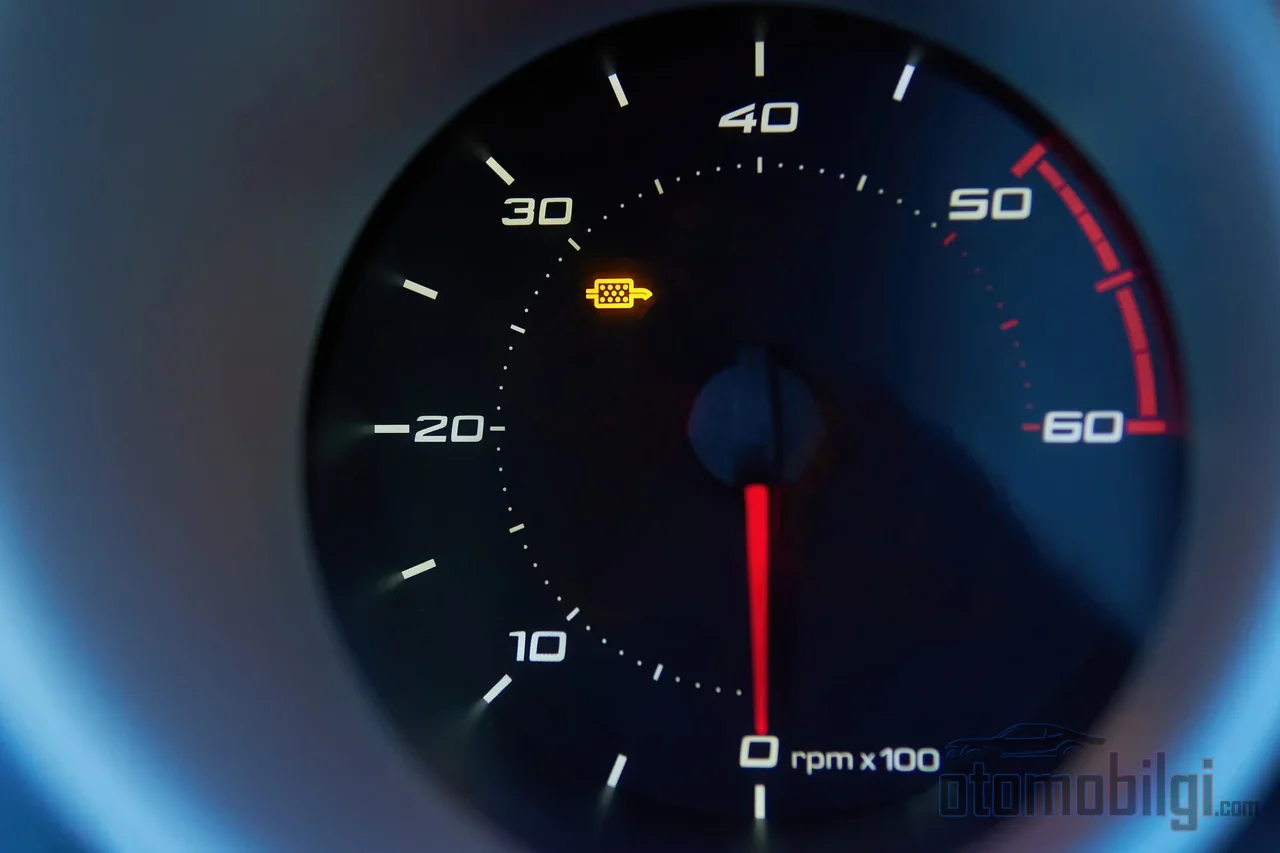
Not every liter of fuel you put into a diesel vehicle's tank goes to the wheels. A portion is deducted from a hidden budget the vehicle spends to clean itself: the regeneration of the diesel particulate filter, or DPF. When a diesel vehicle with normally average consumption suddenly and inexplicably loses fuel efficiency, it is often because it happens to be in the middle of this self-cleaning cycle. For short-distance drivers, the situation is even more interesting: regeneration cannot be completed, the process starts over, and the engine injects extra fuel again each time.
What Is a DPF and Why Does It Need to Burn Itself Clean?
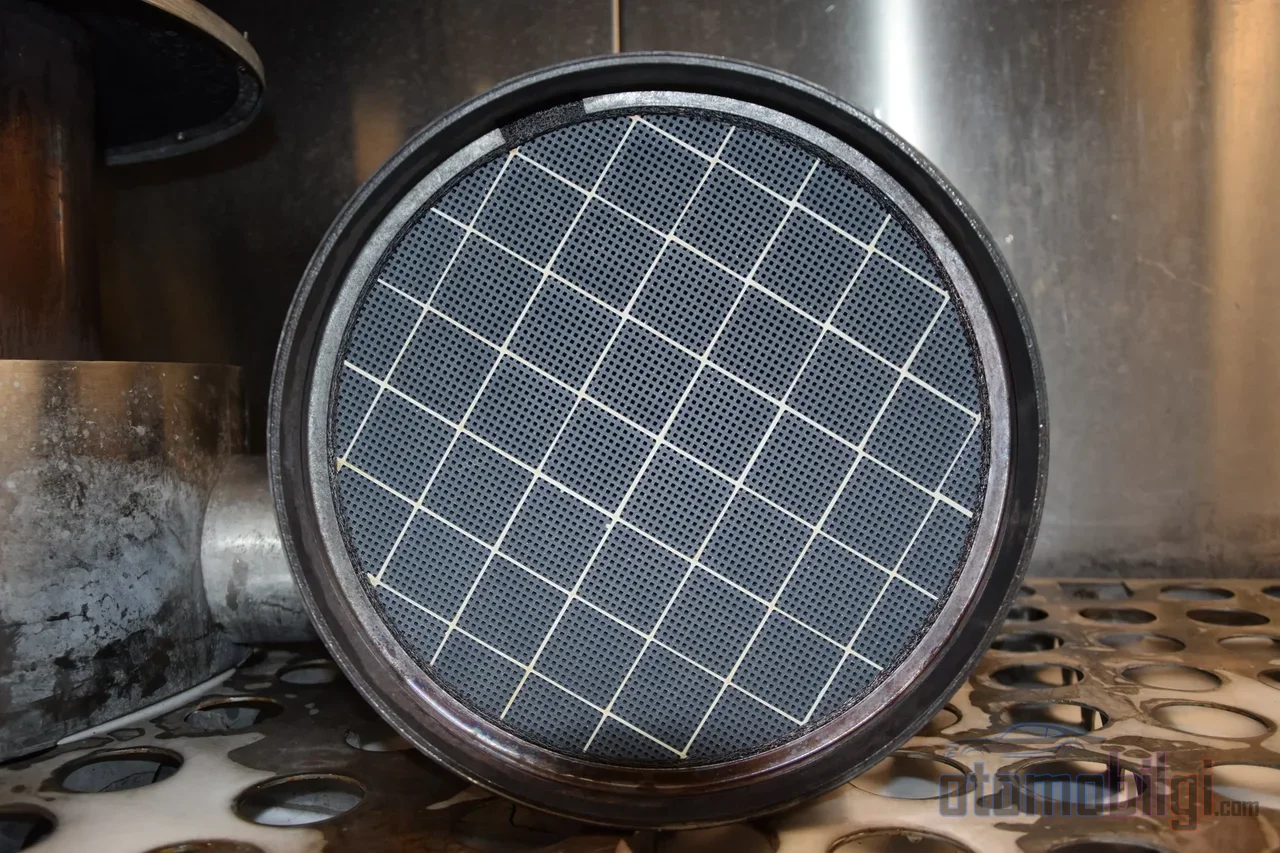
The diesel particulate filter is a component that physically traps and stores fine soot particles in the exhaust gas. As the clean gas passes through the filter walls, the soot is held in the pores. Since the system is simply a collector, it fills up after a while; a full filter creates back pressure in the exhaust line, and this back pressure disrupts combustion efficiency, worsening both consumption and emissions. For the filter to continue its job, the accumulated soot must be burned off regularly, that is, regeneration is required.
This is where the engine's classic job description changes. In normal operation, the engine tries to burn its fuel as efficiently as possible to produce motion. During regeneration, however, the engine works like a cleaning tool and spends part of its output on heating the exhaust line. This is the least talked-about cause of fuel consumption fluctuations in diesel vehicles.
Passive and Active Regeneration: Two Different Cleaning Methods
Regeneration occurs in two basic modes, and the difference between them directly explains where the fuel cost comes from.
Passive Regeneration: Burning Without Extra Fuel
Passive regeneration is the filter's self-cleaning by the exhaust system's own heat. Under sustained load at around 3000 rpm, the exhaust system reaches 500 °C and above; at this temperature, the soot in the filter burns quietly without the driver noticing anything. Catalyzed filter systems may use a very small amount of extra fuel to sustain this chemical reaction. For a vehicle traveling at constant speed on a long highway journey, passive regeneration carries no actual cost: the temperature is already there. The problem begins in usage patterns where the vehicle never reaches this temperature.
Active Regeneration: The ECU Heating the Filter with Fuel
When the exhaust temperature is not sufficient for passive burning, active regeneration comes into play. The engine control unit (ECU) continuously monitors the filter's fill level using exhaust gas temperature, pressure, and flow sensors; in most vehicles, it automatically starts the process when fill level exceeds approximately 45%. The ECU commands the burning of an extra amount of diesel fuel to bring the exhaust to the target temperature.
This extra fuel can be burned in the engine cylinder or, in some designs, in the exhaust system. The most common method is post-combustion injection: extra fuel is sprayed into the cylinder not to produce work, but to heat the exhaust. During regeneration, the mixture is deliberately enriched; the increased hydrocarbons in the exhaust burn in the diesel oxidation catalyst (DOC), generating additional heat in front of the filter. In short, the engine turns the exhaust line into an oven with a cylinder stroke that does no work. That is why fuel consumption increases noticeably during active regeneration.
Highlights
- Active regeneration starts automatically in most vehicles when DPF fill level exceeds approximately 45%.
- Passive regeneration occurs without extra fuel when the exhaust reaches approximately 500 °C.
- A combustion cycle lasts approximately 30 km, and consumption rises noticeably during this period.
- Completing a full regeneration requires uninterrupted mid-range driving for 15-30 minutes.
- A single interruption does not damage the filter; repeated interruptions create soot buildup and excessive consumption.
Why and How Much Does Consumption Increase During Regeneration?
Let's look at the numbers. It is known that an active regeneration cycle lasts approximately 30 km and that consumption rises significantly during this period; industry calculations assume that consumption during such a cycle rises to around 10.0 l/100 km. This figure is not an exact factory value and should be read as a practical estimate; but its direction is clear: consumption during regeneration is well above the vehicle's normal values.
The real cost lies in the frequency. Depending on the weight of the usage profile, active regeneration is typically triggered around every 300 miles (approximately 480 km), and completing it takes roughly 5-10 minutes of uninterrupted driving at a time. Depending on the brand and driving conditions, this interval can shrink; in some vehicles, users report regeneration at shorter intervals such as 200 miles. The math is simple: the difference in consumption between a vehicle that regenerates constantly along the way and one that manages with passive cleaning shows up in the fuel bill at the end of the month.
If the cycle cannot be completed, the math gets even worse. Every incomplete regeneration means a new active regeneration in the near future, because the filter is still partially full. So the extra fuel cost is not paid once, but over and over again.
City Use: Where Regeneration Falls Short
Frequent stop-and-go traffic, short distances and low speeds are the worst operating environment for the DPF. When the vehicle cannot reach high speed and sustained load, the exhaust does not reach the required temperature; even if the ECU initiates active regeneration, the process is cut off because the engine is stopped. Short trips in a diesel engine are also known to cause additional problems such as fuel dilution, injector deposits and turbocharger wear; DPF clogging is the most visible link in this chain.
An interruption on its own is not a disaster. A single regeneration interruption normally does not damage the filter. However, with continuous short-distance use, interruptions pile on top of each other: soot accumulates, back pressure increases, consumption rises, and oil-related problems such as oil dilution await at the door. When the filter becomes completely full, the vehicle loses performance; in some cases the ECU puts the engine into a low-power mode (limp mode) to protect it.
When does the driver notice? Usually too late. There may be hints during regeneration such as a slight fluctuation on the tachometer, rough idling, heat or fan noise from the exhaust; but in city traffic most of these go unnoticed. By the time the filter-full warning appears, the matter has already shifted from a simple driving correction to a service visit.
The Price of an Interrupted Regeneration: The Failure Chain
As the clogging progresses, the cost table grows. A severely overloaded filter raises exhaust back pressure significantly; this pressure strains engine components. In the long term, the increased thermal load can damage parts such as the turbocharger and can trigger a chain leading to serious engine damage.
There is an important distinction to be aware of at this point: forced regeneration. This procedure, performed in a service environment, can further increase the pressure inside the DPF of an excessively full filter and in some cases can damage the engine itself. If the vehicle can no longer clean itself with its own resources, the accumulated soot and ash must be physically cleaned: the filter can be removed and washed with hot water and soap, and the ash can be blown out with high-pressure air and the filter dried in an oven. This is a procedure that can be applied both preventively and as a correction.
How Do You Minimize the Extra Fuel Cost?
The good news is this: the cost of regeneration is largely manageable through usage. Proper driving habits reduce both the extra fuel consumption and the expensive filter procedures.
- Regularly take your diesel vehicle on highway or main-road drives at a constant speed lasting 30-50 minutes; this provides the most efficient environment for the filter to be cleaned passively or actively.
- The ideal recipe for a regeneration drive is clear: an uninterrupted 15-30 minutes on an open road at mid rpm (around 2000-2500 rpm). 20-40 minutes on the highway in the 80-100 km/h range is effective, keeping the engine under continuous load.
- Avoid hard acceleration and hard braking; the goal is to produce a steady, continuous load.
- If you suspect regeneration is in progress, do not shut off the engine. If the process needs to continue, it will; interrupting it restarts the process from the beginning.
- Make conditions easier by switching off electrical consumers (such as the air conditioning, headlights and heated rear window) and by choosing a route where you can drive at least 20-25 km without stopping.
So does highway driving save the day in every case? When done correctly, it can clean the DPF; but if the filter is severely clogged, it alone may not be enough. When the warning light comes on, first try a proper regeneration drive; if that fails to produce results, move on to the service process. Diesel fuel additives are sold on the market with claims that their DPF-cleaner ingredients help the filter be cleaned even at lower speeds; the claims regarding these products are largely manufacturer-sourced, and independent verification is limited. If you choose to use them, know this framework.
In summary: Why Does the Engine Burn Its Own Fuel?
The short and clear answer is this: The DPF needs approximately 500 °C to burn off soot; when the exhaust cannot reach this temperature on its own, the ECU deliberately heats the exhaust line with post-combustion extra fuel injection. This extra fuel is genuinely drawn from the tank and noticeably increases consumption during regeneration.
For a driver who knows this mechanism, the outcome is clear. A diesel vehicle cleans itself free of charge with long, sustained loaded driving; in short-distance city use, however, cleaning is purchased with fuel, and every interrupted cycle adds a little more to the bill. Adjusting the vehicle's usage profile to the DPF's needs is a real fuel-saving measure, just as effective as tire pressure or driving style; moreover, the same habit protects the filter and the engine, preventing costly failures as well.
Sources
- DPF Regeneration: Active vs. Passive
- Diesel Particulate Filters: A Beginner's Guide
- All you need to know - DPF Regeneration
- Effect of diesel particulate filter regeneration on fuel consumption (Huang et al., 2022)
- Why Interrupted Burn-Off Cycles Cost More
- DPF regeneration: this standard driving style can cause problems
- Diesel particulate filters: guide to DPFs
- Diesel particulate filters - The AA
- What Happens If You Shut Off a Diesel Truck During DPF Regen
- How To Carry Out A DPF Regeneration