Why Does Using Diesel in the City End Up Costing More?
Share This Page
When used in the city, a diesel engine reveals a much more expensive equation that covers not only fuel savings at the pump but also maintenance and repair items. Short distances and stop-and-go traffic systematically disrupt the constant load and high exhaust temperature conditions a diesel needs to run efficiently; this creates a cascading cost that leads to particulate filter clogging, EGR failures, and injector problems. Except for high-mileage users who drive long distances, this picture usually makes switching to gasoline the more sensible choice.
Highlights
- Exhaust temperature must exceed 600 °C for DPF regeneration
- Active regeneration usually requires 20-30 minutes of uninterrupted driving
- Professional DPF cleaning typically costs 200-500 dollars; if DPF + EGR are replaced together, the cost can exceed 4,000 dollars can exceed
- EGR cooler replacement on high-mileage diesels falls in the range of 800-2,500 dollars in the range of
- Diesel still makes sense for those driving more than 12,000 miles a year on uninterrupted roads
Why Can't Diesel Be Efficient in the City?
The diesel's efficiency advantage is not a magical property but the natural result of a combustion process that ignites through compression. This process runs efficiently only when certain conditions are met: engine load must be constant, rpm stable, and exhaust temperature high. A diesel traveling at a constant speed on the highway is exactly within this window; that is why it leaves gasoline cars far behind over long distances.
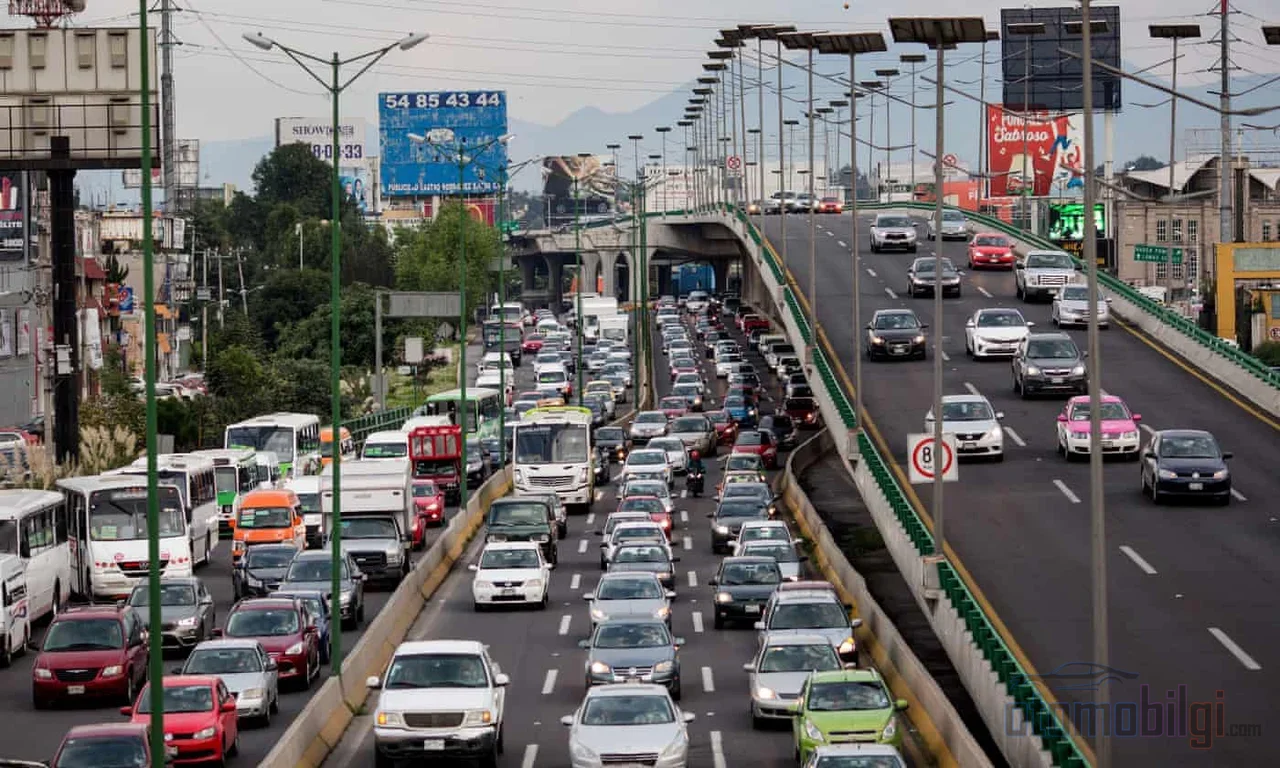
City traffic violates this window at every point. Accelerating from a standstill consumes far more fuel than maintaining speed; idling, frequent gear changes, and sudden throttle inputs reduce economy. The diesel's high torque at low rpm provides strong and stable traction on the highway, but in the city, under constant low load and low speed, this advantage loses its value. More importantly, the low-load regime makes it impossible to maintain the exhaust temperature required for regeneration.
So the diesel's cost in the city starts accumulating not at the gas station, but in the engine's combustion chamber and exhaust line. Increased fuel consumption is only the first signal; the real bill comes later.
How Do Short Trips Wear Out a Diesel Engine?
As defined by industry consensus, a short trip is any drive under approximately 16 kilometers or lasting less than 15 minutes. In winter this definition widens: even a 20-minute journey in freezing conditions may not bring a large-displacement diesel up to full operating temperature. The problem lies not in a single trip but in the routine repeated every day.
The cascading problems of an engine that never warms up
While coolant reaches its operating range in 5-10 minutes, engine oil reaches optimal temperature only after 15-20 minutes. About 100 °C is needed for the oil to vaporize the moisture and condensation inside it. Journeys ending below this threshold prepare the ground for sludge and acidic compound accumulation in the oil. Combustion remains incomplete in cold cylinders: since diesel ignites through compression, cylinder temperature must typically be above 500 °C; cold starting cannot exceed this threshold and produces incomplete combustion.
The most tangible cost of incomplete combustion shows up in the injectors. Modern common-rail injectors spray fuel at pressures above 30,000 PSI through openings the width of a human hair. In cold cylinders, the fuel forms large droplets instead of a fine mist; these droplets accumulate carbon varnish and disrupt the spray pattern, and the disrupted pattern leads to even colder and even more incomplete combustion. This self-reinforcing cycle comes back as a serious maintenance expense. In addition, fuel can seep into the oil pan and dilute the oil; when dilution exceeds 5%, there is a risk of critical failure, meaning the engine burning its own oil uncontrollably.
DPF Clogging: The Most Expensive Problem of the City Diesel
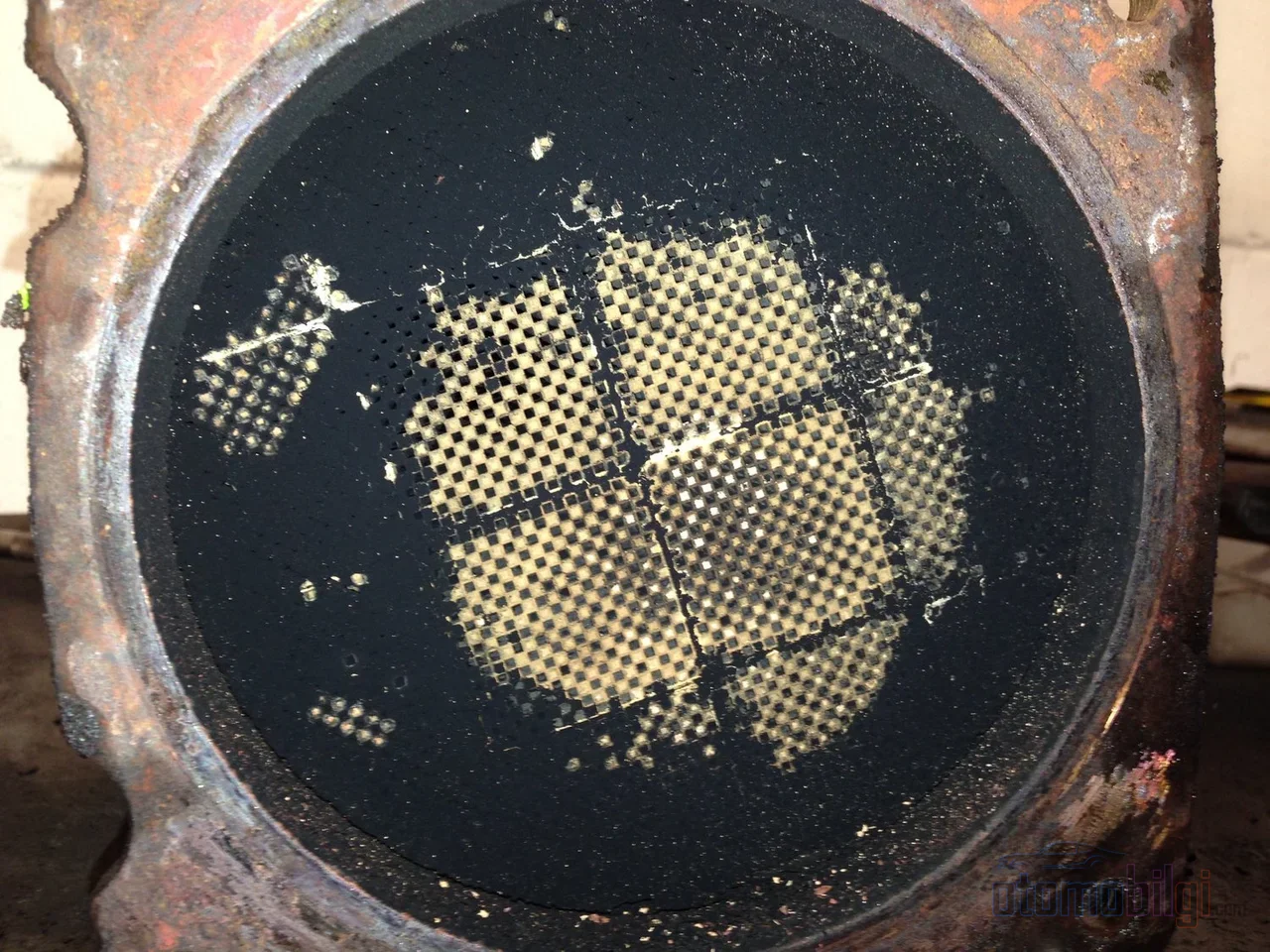
The diesel particulate filter is a filter with a ceramic honeycomb structure that traps microscopic soot particles in the exhaust and cleans itself through a process called regeneration: the trapped soot is burned at high temperature and converted into ash. For this, the exhaust gas temperature must rise above 600 °C. Passive regeneration occurs naturally when driving at highway speed under load; short trips almost never reach this temperature.
In active regeneration, the engine raises the filter temperature by injecting additional fuel during the exhaust stroke; this cycle usually requires 20-30 minutes of uninterrupted driving. City drivers shut off the engine before the cycle is complete. A single interruption is usually not a disaster; the real warning sign is regeneration intervals becoming progressively shorter and the soot load returning rapidly. Repeated interruptions can cause the soot to compact and harden, clog the filter, and ultimately force the vehicle into a failsafe mode to protect the turbo and engine gaskets.
At idle, the engine continues to produce soot, but exhaust temperature and airflow are insufficient for cleaning. In other words, a diesel left idling for a long time behaves no differently for the DPF than a diesel driven on short trips. The DPF warning light coming on does not always mean a fault: for a vehicle with a saturated filter, the most effective remedy is a highway drive above 2,000 RPM lasting 30-40 minutes. However, this method has a limit; it works if the system is healthy and soot-loaded, but if the ash load is full, the sensor is faulty, or the structure inside the filter is damaged, no long drive will save it.
How often should the regeneration cycle occur?
A typical diesel cleans itself every 500-1,500 kilometers depending on the vehicle. Manufacturer materials describe similar conditions: in some systems, filter cleaning may require roughly 30 minutes of driving at speeds above 48 kilometers per hour; speeds below 40 km, short cycles of 10-15 minutes, and shutting off the engine before it fully warms up are counted among the conditions that require manual intervention. Dashboard messages and the vehicle manual are always the primary reference.
EGR Problems and Failure Costs
The exhaust gas recirculation system directs part of the exhaust back into the intake line, lowering combustion temperature and reducing NOx emissions. While this system is what makes diesel cleaner for the environment, it is also a component that frequently fails and is expensive to repair. A faulty EGR valve produces weak acceleration, power loss, rough idle, and hesitant throttle response; a valve stuck open can even cause smoke due to lack of oxygen. When combined with a faulty thermostat, EGR soot contributes to the DPF filling up much faster than expected - the two systems amplify each other's failures.
On the cost side, the picture becomes clear. Professional DPF cleaning is usually in the $200-500 range; a replacement filter, including the catalyst, is expressed not in hundreds of dollars but in thousands. EGR cooler replacement runs $800-2,500 per repair on high-mileage diesel pickups, and in heavily used vehicles the same failure can return within a few years. When both systems have to be replaced together, the picture gets even heavier: on ownership forums there is a case of a $4,200 quote for DPF and EGR replacement on a high-mileage Golf TDI . While these figures are extreme examples rather than the rule, they are enough to illustrate the real risk profile of an urban diesel.
The Hidden Burden of City Use: Cold Combustion and Oil Contamination
Stop-and-go traffic creates what technical literature calls an indecisive operating condition for the diesel engine: the engine constantly heats up and cools down, idle hours accumulate, and the risk of fuel dilution increases. Cold combustion also significantly raises NOx and hydrocarbon emissions; meaning an urban diesel neither saves fuel nor burns cleanly. Carbon varnish in the injectors, sludge in the oil, and hardened soot in the filter form a mutually feeding triangle, and each turns into a separate bill.
The vehicle type where this practically matters is obvious: service vans that accumulate thousands of idle hours, and use cases dominated by crawling in snow and short commutes rather than highway driving. The same model in a fleet vehicle doing continuous highway hauling achieves a DPF life several times longer. It is not the vehicle's mileage but the conditions under which the mileage accumulates that is decisive - when evaluating a low-mileage used diesel, the idle-hour ratio, completed regeneration history, and filter pressure data are far more meaningful than the odometer reading.
What to Do When the DPF Warning Light Comes On?
- The dashboard light alone is not a fault; the filter is saturated and needs regeneration.
- The most effective intervention is an uninterrupted highway drive at over 2,000 RPM lasting 30-40 minutes.
- If regeneration intervals have shortened and soot load quickly returns, the problem lies in the usage cycle or in another fault within the system.
- Faulty EGR soot, a thermostat problem, or a pressure sensor failure are the main causes of clogging that highway driving cannot resolve.
- Permanently disabling the filter is not a legal repair method on public roads; diagnosing the root of the problem is the only correct path.
For Whom Is Diesel Still Sensible, and Who Should Go for Petrol?
What makes diesel defensible is an annual mileage that is both high and uninterrupted. For a driver covering more than 12,000 miles (about 19,000 km) per year, with most trips long and highway-oriented, diesel remains a meaningful choice in both fuel economy and durability. A profile driving 800-1,000 km per month with 70% of it in city traffic is exactly the opposite: this user never meets diesel's efficiency conditions and pays back the fuel savings through DPF, EGR and injector costs. A petrol engine offers this profile smoother acceleration, lower noise, and simpler, cheaper maintenance.
Short-trip and idling-heavy use is not an automatic death sentence for diesel; it is a defined risk pattern. The same vehicle can largely break this pattern with one 40-minute highway drive per week - provided the system is healthy. The problematic scenario is when the risk pattern combines with a faulty component, and at that point money saves no one.
| Usage Profile | Suitability for Diesel | Rationale |
|---|---|---|
| 19,000+ km per year, long highway journeys | Suitable | Continuous load feeds regeneration, efficiency condition is met |
| 800-1,000 km per month, 70% city driving | Not suitable | Efficiency conditions are never met, failure risk is at its highest |
| Short-distance oriented but with weekly long-distance opportunity | Conditional | In a healthy system, weekly highway driving can break the risk |
| Heavy idling (service, waiting use) | Not suitable | Soot production continues, cleaning conditions never form |
The decision is a simple equation: diesel's savings, for a user who cannot meet its conditions, turns into DPF cleaning, EGR repair and injector maintenance. The money left in the pocket of the high-mileage long-distance driver becomes the invoice landing on the city driver's account. If most of your trips are under 15 minutes and under 16 km, diesel isn't selling itself to you - petrol is.
Sources
- Diesel DPF Short Trips & Short Journeys: Regen Problems - SPELAB
- The Effect of Short Trips on Diesel Engine Wear - Goldfarb & Associates
- Why Stop-and-Go Driving Is Hard on Diesel Engines - Highway & Heavy Parts
- Problems With EGR Systems - Highway & Heavy Parts
- How Do EGR and DPF Problems Affect Diesel Engine Performance - Danabros
- Clogged Diesel Particulate Filter Causes & Symptoms - Hot Shot's Secret
- The Real Cost of EGR Failure on High-Mileage Diesel Trucks - Focus2Move
- The Truth About Modern Diesel Particulate Filter (DPF) Problems - AutoExpert
- Gas vs. Diesel Engines - Progressive
- Efficient Driving to Conserve Fuel - AFDC / U.S. Department of Energy
- Should I Buy a Diesel Car in 2026? - Carwow
- Should I buy a diesel car now? - RAC
- DPF & EGR Failures - TDIClub forum