Does LPG Reduce Engine Power?
Share This Page
Yes, LPG causes a measurable power loss in most gasoline vehicles; however, this loss is not dramatic. Dynamometer measurements show a drop of about 5-9% in torque, and the main reason is that LPG contains less energy per liter than gasoline. Although the power difference is felt in daily use, with a properly calibrated system it is a manageable balance in terms of comfort and long-term engine health. On this page, we explain step by step where the difference comes from, under which conditions it grows, and how it is reflected in consumption figures.
Highlights
- LPG carries 25.3-27.7 MJ of energy per liter; gasoline is at the 34.2 MJ level.
- The measured torque loss is generally in the 5-9% range.
- For the same performance, LPG consumption is about 15% higher than gasoline (in the 10-25 range).
- The octane rating of autogas is above 100; it practically eliminates the risk of knocking.
- Under continuous use at high load, the risk of valve seat recession should be taken into account.
Does an LPG Vehicle Really Lose Power?
The short answer: Yes, but the magnitude of the loss is a measurable range that goes beyond both marketing claims and forum legends. A rough calculation: one unit volume of LPG carries about 20-25% less energy compared to the same volume of gasoline. Since the amount of air the engine draws in each cycle remains constant, the energy content of the fuel entering the cylinder drops, and the theoretical power ceiling falls at the same rate. When small losses related to the fuel's combustion characteristics are added, the picture seen on the dynamometer emerges.
Measured data confirms this framework. In a peer-reviewed study, switching to LPG reduced brake torque by 8.82% and increased brake-specific fuel consumption (BSFC) by 7.25%. In another experimental study, brake thermal efficiency dropped by 4.52%. In other words, academic measurements and estimates in engineering forums point to the same conclusion: the loss is real, but in a single-digit percentage range.
Example Vehicle: What Does the Factory LPG Version Say?
A factory-built comparison table summarizes the practical dimensions of the difference well. The two fuel versions of the same model are as follows:
| Feature | Gasoline Version | LPG Version |
|---|---|---|
| Engine | 1.2 LS | 1.2 LS |
| Power | 79 hp | 81 hp |
| Torque | 108 Nm | 104 Nm |
| Urban consumption | 16 km/l | 14 km/l |
| Highway consumption | 18 km/l | 16 km/l |
In this example, the power difference is negligible; in fact, the LPG version is declared with a few extra horsepower on paper. Torque, however, is 4 Nm lower. The consumption difference is about two kilometers per hundred kilometers in both profiles, roughly 12%. Since factory-calibrated systems can calibrate the ignition and fuel map specifically for LPG, this picture represents the best scenario you can find among conversion kits.
Source of the Difference: Energy Density and Combustion Characteristics
It is possible to summarize the power loss under two headings. The first is chemical: propane-based LPG carries 25.3 MJ per liter, butane-based LPG 27.7 MJ of energy; while gasoline carries 34.2 MJ. Gaseous fuel also takes up space in the intake manifold that would otherwise be occupied by air; this is a second factor that slightly reduces volumetric efficiency in naturally aspirated engines.
The second factor is combustion dynamics: LPG has a lower carbon-to-hydrogen ratio than gasoline and forms a more homogeneous mixture in the gas phase. At the same excess air coefficient, LPG has a shorter ignition delay, but its combustion speed is slower than gasoline's; which means a longer combustion duration and a slight decline in peak power. In return, LPG's octane rating is above 100: the mixture is far more resistant to knocking, and the engine runs cleanly without aggressive ignition advance.
An interesting counterexample breaks the impression that LPG always costs power. In dual-fuel systems that inject a small amount of LPG into a diesel engine, LPG acts as a power booster: it improves combustion, increases torque and power, and reduces diesel consumption. The difference lies not in the fuel itself, but in which fuel the engine was designed for.
How Big Is the Consumption Difference and How Does It Affect Cost?
Less energy per liter naturally means higher consumption in liters. In converted vehicles, roughly 15% more LPG is consumed than gasoline for the same performance; depending on measurement conditions, this figure opens up to a 10-20% band, and even up to 25% in extreme cases. In other words, it is misleading to directly compare LPG consumption figures with gasoline ones: the fuel's energy density is different.
The economic equation, however, turns on a different axis. As a pump price, autogas typically runs 40-50% below gasoline. With a simple calculation: even if consumption increases by 15%, the difference in price per liter more than compensates for it, and the fuel cost per kilometer drops noticeably. For this reason, LPG makes sense especially for vehicles with high annual mileage; for a vehicle covering only a few hundred kilometers a month, the conversion itself is a separate matter of debate.
Long-Term Engine Health: Valves, Gaskets and Ignition
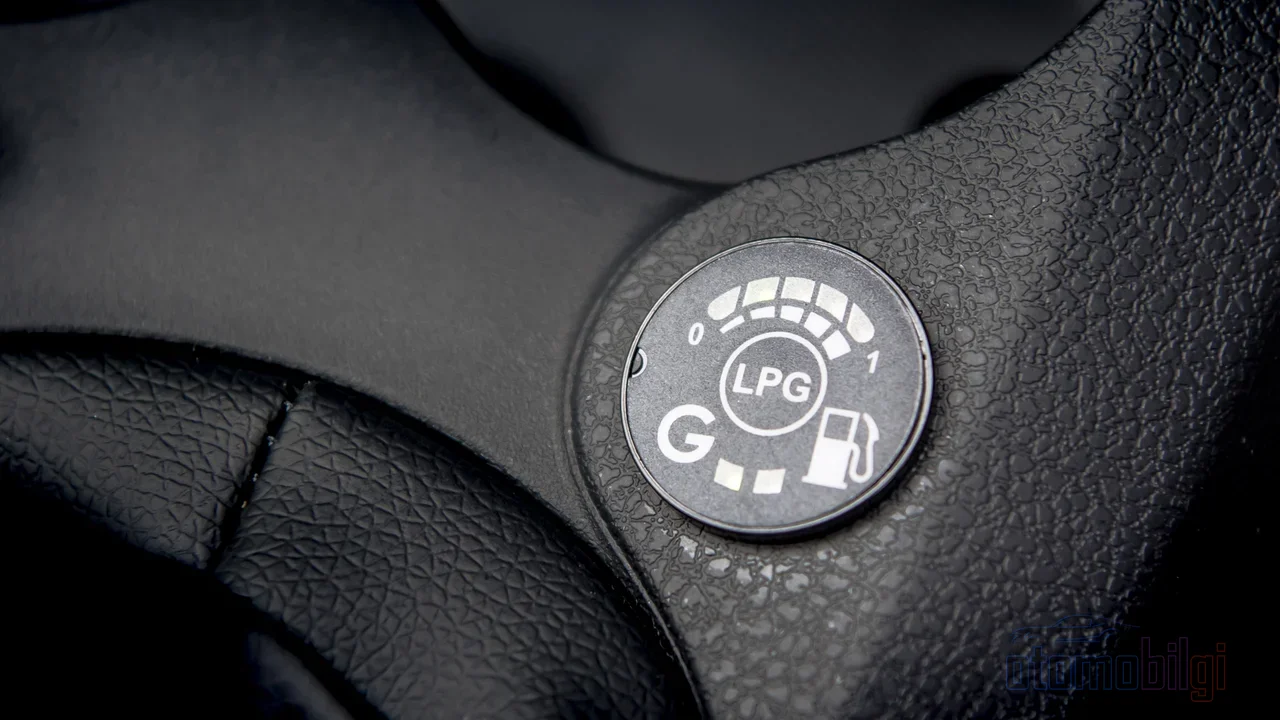
LPG's effect on engine life is the most debated aspect of this topic, and the clear compromise between the two camps can be summarized as follows: LPG does not destroy an engine by itself, but with poorly tuned systems and sensitive engine designs, it creates concrete risks on the valve side.
The Risk Side
- LPG is a "dry" fuel: it burns without the additives and lubricating effect that gasoline carries. Under high load, exhaust valves run hotter, and the risk of valve seat recession arises; in some engines, this failure can appear even within a short time.
- Heat-related thermal pitting is a documented phenomenon in gasoline engine components where LPG is used continuously for long periods.
- Over time, increased wear can be seen in valves, injectors and piston rings; especially older designs and poorly maintained systems are prone to this pattern.
The Other Side and Common Ground
On the other hand, LPG burns cleaner than gasoline and diesel: carbon buildup and oil contamination decrease, and the lifespan of components such as pistons may be extended. Thanks to its high octane rating, the risk of knocking is practically eliminated, which has a positive effect on combustion quality. There are strong views that the conversion does not harm the engine on suitable platforms, and may even reduce the maintenance burden. Claims that it significantly extends engine life, however, should be regarded as exaggerated.
The common ground is clear: a quality system, correct settings, and a valve protection system if needed. Valve-saver systems support the lubrication of valves and their seats by spraying a small dose of additive into the intake manifold; it is a relatively low-cost measure and provides meaningful protection especially in engines with hardened valve seats, high-revving, or older designs.
Ignition and Periodic Maintenance Note
LPG's homogeneous gas mixture changes the load profile on spark plugs and coils; periodic inspection of the ignition system is more critical in converted vehicles than in gasoline ones. In modern sequential injection systems, the vehicle starts on gasoline every time and switches to LPG once the engine warms up. This switch is not only for comfort: it prevents the gasoline injectors from drying out and gumming up. For this reason, the gasoline in the tank must be regularly consumed and replenished.
Which Usage Profile Suits LPG?
LPG's power loss is most noticeable in driving that demands high revs and full load; in city driving and gentle-paced highway use, the driver mostly notices no difference. For this reason, autogas is described as the natural fuel of the "low power demand, high mileage" profile. Roughly, it can be summarized as follows:
- City driving, low-to-medium mileage: Gasoline; the maintenance chain stays simple.
- High mileage, mostly highway: LPG's per-kilometer cost advantage shows itself most here.
- Performance-oriented or heavily loaded use: LPG's torque drop and valve overheating risk must be evaluated together; continuous full-load use without a valve protection system is not recommended.
There is one more practical advantage: LPG is a fuel that does not degrade over time and can be stored for long periods. Moreover, in a dual-fuel system, the tank exists separately for both fuels; when the LPG runs out, the vehicle automatically switches to gasoline, eliminating range anxiety.
Conclusion: A Balanced Assessment
The honest answer to the question of whether LPG reduces a vehicle's power is this: since it carries less energy per liter, there is a measurable but single-digit loss in torque and peak power; in return, the risk of knocking disappears, combustion becomes cleaner, and the per-kilometer cost drops noticeably. With a usage profile that can tolerate the torque loss and a properly installed, properly tuned system, LPG does not jeopardize engine health; the risks are concentrated in sensitive engines under continuous high load and in neglected maintenance. When making your decision, look not at the daily price on the pump window, but at your annual mileage, your engine's design, and the quality of the system's calibration; these three variables determine whether LPG makes you lose power in your vehicle or simply brings savings.
Sources
- A comparison of performance and exhaust emissions with LPG (Cinar et al., 2016, Applied Thermal Engineering)
- The characteristics of gasoline engines with the use of LPG (Hashem et al., 2023)
- Fuel Properties Comparison (Alternative Fuels Data Center)
- The Effect of Using LPG in a SI engine (Mohammed et al., 2020)
- Experimental Study on Combustion Characteristics of LPG (Wang et al., 2014)
- Busting the usual myths about switching your vehicle from petrol to LPG (TotalEnergies)
- Petrol vs Diesel vs LPG: Which fuel is best? (WhichCar)
- Engine power LPG vs. Petrol (Eng-Tips)
- Valve seat recession on LPG (Eng-Tips)
- LPG power loss?? (PistonHeads)
- The Effect of LPG on Performance (CareCUfile)
- 10 essential things you need to know about LPG fuel (TRSA)
- Long term continuous use of auto-LPG causes thermal pitting (ResearchGate)
- Does car LPG gas auto conversion damage your engine? (Elgas)
- How an LPG Gas Car Works (Elgas)
- Oil for a car with LPG (OlejNaMiejscu)
- LPG Problems (Bell Performance)
- Does LPG Damage the Engine? (TOPGAS)
- Is converting your car to LPG worth it? (Moeve)
- Is it still cost-effective to drive on LPG? (Vanmeenen)
- Petrol vs Diesel vs LPG vs Hybrid (iskamkola.bg)