Does High-Octane Gasoline Really Burn Less Fuel?
Share This Page
No, high-octane gasoline does not measurably reduce fuel consumption in a standard engine. Octane rating measures the fuel's resistance to premature ignition - that is, knock - not its energy content. If your engine cannot use it, you will see the difference only on the pump's display, not in power or fuel savings.
Highlights
- Octane rating is not a measure of energy but of knock resistance ; energy content per gallon is the same across all grades.
- In a controlled test with four vehicles, exceeding the manufacturer's recommendation yielded at best a 1% improvement in consumption.
- Honda CR-V 93 octane worsened the track 0-60 acceleration by 0.1 seconds worsened.
- In an engine where the manufacturer mandates high octane, low octane means power loss, knock risk, and increased consumption.
- For engine cleanliness, the most reliable path is not fuel grade but Top Tier certified fuel.
What Does Octane Rating Actually Measure?
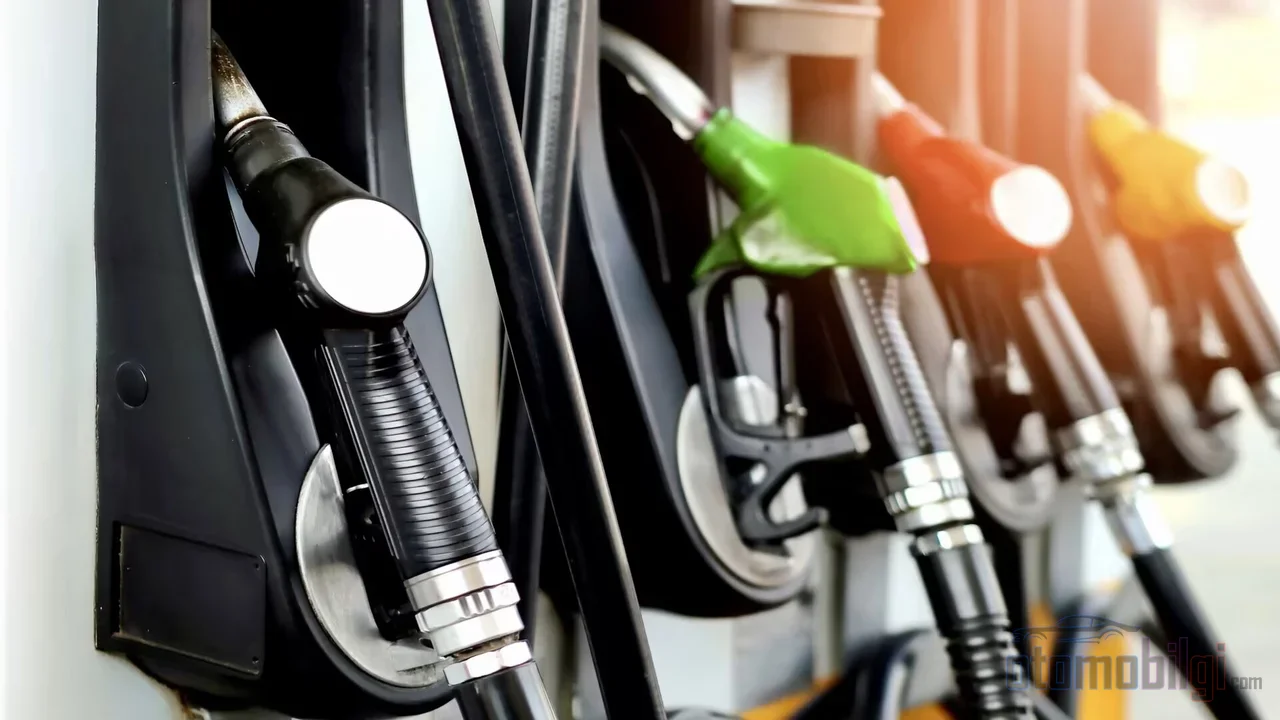
The 95 or 98 written on the pump indicates not the amount of energy in the fuel but an engineering term: knock resistance . Octane rating is a standard measure of how much compression the fuel can withstand in the cylinder without self-igniting. This value, described as the fuel's "stability," is determined by the pressure at which the fuel self-ignites in a test engine.
The critical distinction here is this: octane rating is not related to the fuel's heat value, that is, the energy it carries per liter. High-octane gasoline does not contain more energy per gallon than low-octane fuel. In other words, putting 98 octane in the tank is not putting in "stronger fuel"; it is putting in fuel more resistant to knock. If the engine does not need that resistance, the extra goes to waste.
Knock Sensors: How Does the Engine "Sense" Octane Rating?
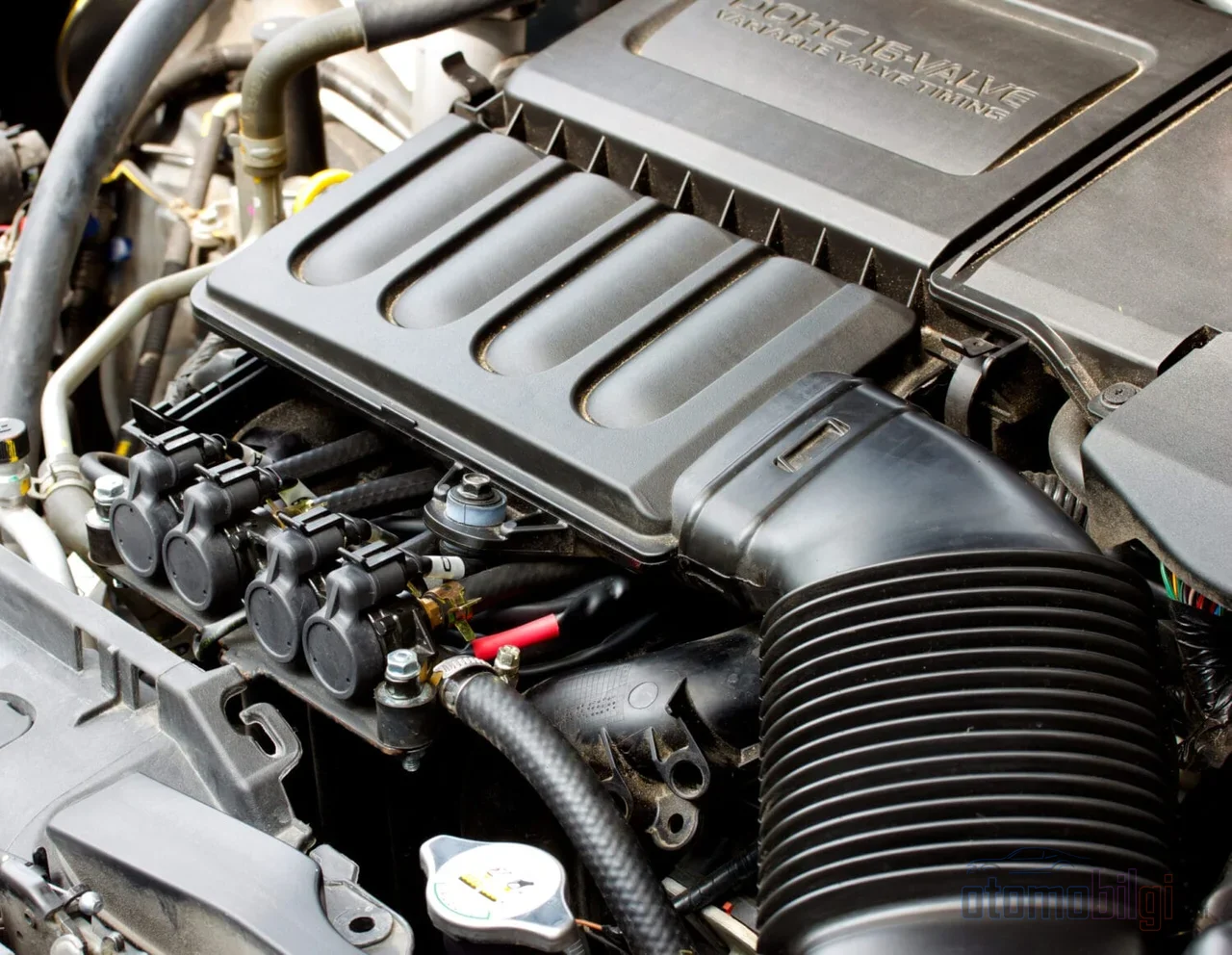
An internal combustion engine cannot directly read the fuel's octane rating by eye or with a sensor. Instead, the engine control unit (ECU) gradually advances the ignition timing and 7-16 kHz listens for knock with knock sensors operating in that band. The moment knock is detected, it retards the timing; thus it finds, by trial, the octane the engine can handle.
Knock is an uncontrolled explosion that occurs when the flame front travels up to 10 times faster than normal. Uncontrolled knock causes mechanical damage that can affect the cylinder head gasket, pistons, and head. On the other hand, intermittent, short-duration knock is corrected within 1-2 cycles and poses no threat to the engine. In other words, filling up with low-octane fuel and starting a high-octane-requiring engine once will not instantly ruin it; prolonged and neglected use is risky.
A practical conclusion follows: high octane translates into performance only if the ECU can use it. If the control unit is not allowed to use more aggressive ignition timing and, in turbo engines, higher boost, the high octane at the pump goes nowhere.
Does High-Octane Gasoline Really Burn Less Fuel? Four Vehicles, Concrete Numbers
In 2019, 87, 91 and 93 octane gasolines were compared under controlled conditions across four different vehicle profiles; premium fuel was $0.59 per gallon more expensive than regular. For a vehicle driving 15,000 miles per year at 25 mpg, this difference amounts to roughly $354 in extra cost per year. The results tell the essence of the octane debate more clearly than this test.
| Vehicle | Manufacturer Recommendation | What Changed with 93 Octane? | Consumption |
|---|---|---|---|
| Honda CR-V 1.5 turbo | 87 | +7 hp on the dynamometer, but 0-60 and quarter mile worsened by 0.1 s on the track | 27.3 → 27.6 mpg (1%) |
| BMW M5 Competition | 91 required, 93 recommended | Only a 13 hp difference compared to 91, a 0.1 s improvement | 0.7 mpg in favor of low octane |
| Ford F-150 3.5 EcoBoost | Benefits from 93 | With 87, wheel power dropped from 380 to 360 hp, and 0-60 slipped from 5.3 to 5.9 s | 17.0 → 17.6 mpg with low octane |
| Dodge Charger R/T 5.7 Hemi | 89, 87 is sufficient | Identical 4.9 s 0-60 with both 87 and 93 | 23.5 mpg with premium (+0.3) |
Two lessons emerge from this table. First, if you buy octane above the manufacturer's recommendation, you feel the difference in your wallet, not in the performance feel. The most dramatic example is the CR-V: a 1% consumption improvement in exchange for 21% more expensive fuel. Second, high-pressure turbo engines like the EcoBoost genuinely gain both power and consumption with 93 octane - but if you don't need the power, the economics still don't add up.
The Price of Using Low Octane in a High-Compression Engine
The other side of the debate is riskier. Using regular in an engine where the manufacturer mandates premium fuel means, at best, performance loss, sluggish acceleration, and increased knock. As the ECU detects knock, it retards timing; this reduces combustion efficiency, worsens consumption, and increases emissions. In other words, "saving with cheap fuel" in a high-compression engine often doesn't even hold up on paper.
Warranty, repairs and edge cases
Ignoring the manufacturer's requirement may void warranty coverage; knock-related damage can be attributed to a fuel grade violation. In older engines, knock is sometimes audible - if the engine makes chirp-like rattles, fuel grade is the first thing to check. On the other hand, some practical experience argues that most standard engines with compression ratios between 9.6:1 and 10:1 run fine on 87 octane; this view is a controversial approach claiming the "Premium Fuel Only" label has a marketing dimension. Manufacturers and consumer protection organizations point to performance loss and knock risk. The practical stance is: if the manufacturer recommends (but does not require) it, the lower grade can be tried, but if knock sounds or noticeable power loss are detected, return to the recommended grade; if the manufacturer requires it, there's no debate at all.
Is the "Premium Fuel Cleans the Engine" Claim True?
The belief that high-octane gasoline cleans the engine better is very widespread, but high-octane fuel does not perform better than regular at preventing deposits. Premium fuel contains no magic additives that "scrape" the engine; in certain markets, all fuel grades must meet the same cleanliness standards. In other words, a tank of premium fuel does not wash the engine.
The nuance should also be noted: premium-grade fuels may contain proportionally more detergent additives that help clean injectors. This is very different from a claim of cleaning the engine's internals. The most reliable practical recommendation is to buy fuel that meets the Top Tier standard, regardless of grade; this standard guarantees the detergent content that is decisive in protecting engine life and performance.
Do Octane Boosting Additives Work?
In independent tests, quality octane boosters used at the recommended dose can raise octane by 1-6 points. This is a meaningful range especially for situations where you are on the borderline, not for switching between fuel grades in a high-compression engine. But with the condition of keeping expectations realistic: a test on an octane booster containing MMT did not deliver a measurable power increase. The compounds known to actually work are tetraethyl lead and MMT; lead is of course not suitable for road use.
Watch out for two common misconceptions: octane boosters do not clean dirty injectors - they should not be confused with products that claim cleaning. And choosing the wrong additive can mean wasting more than 200 USD per year ; in the annual extra cost calculation, this difference is decisive.
Practical Decision Guide for Choosing a Fuel Grade
We can reduce all these numbers to a single decision logic. Fuel choice depends on the engine's compression ratio and the ECU's authority; not on the driver's feeling or the pump's marketing.
- If the manufacturer recommends regular: Switching to Premium provides no measurable benefit. If a measurable improvement is seen, this usually happens in vehicles with smart ECUs featuring adaptive engine management, and it remains meaningless in return for the cost.
- If the manufacturer recommends premium (without making it mandatory): A lower grade can be used; performance loss and occasional knocking are likely. Check the warranty conditions, and return if you hear knocking sounds.
- If the manufacturer mandates premium: Using regular means performance loss, increased consumption, emissions and warranty risk. It should be avoided.
- Turbocharged, high power density engine: Real power and consumption gains are possible with high octane; but the total cost calculation may still not be in your favor. Evaluate it according to your usage profile.
- Engine cleaning goal: Follow the Top Tier standard, not the fuel grade. Octane boosters are used not for cleaning, but to make up an octane shortfall.
One final measurement warning about fuel economy: unless measured with the same vehicle under the same conditions, no conclusions can be drawn from a fill-level mark or a one-time observation. The principle is simple - if the octane is much higher than required, it is likely waste; if lower than required, there is risk. The correct answer is written on the fuel page of the manufacturer's manual.
Sources
- Is Premium Gas Worth It? We Test High Octane on 4 Popular Vehicles - Car and Driver
- Gasoline explained - octane in depth - U.S. Energy Information Administration
- Octane Number - PEI
- Octane rating - Wikipedia
- What is Octane Rating? - Toyota
- Why You Might Not Actually Need Premium Gas - Consumer Reports
- Is Premium Gas Worth It? - AAA
- Should I be using high-octane fuel? - RACQ
- Will higher octane fuel improve gas mileage? - Mechanics Stack Exchange
- Effect of two grades of octane numbers on the performance of a spark ignition engine - Alahmer et al., 2016, ScienceDirect
- Does Octane Booster Work? Expert Review - Simi Valley CDJR
- Performance Fuel Additives: Fact Or Fiction - Motor Trend
- Common Myths About the Benefits of Premium Gas - Rhino Fuel
- Octane Booster vs. Fuel Injector Cleaner - Fleetrabbit