Does Eco Driving Really Save Fuel?
Share This Page
Yes, eco driving really does save fuel: when applied correctly, a measurable reduction of 6–20% has been documented in daily use, and the figure climbs even higher for those who give up aggressive driving. However, not every technique works the same on every engine and for every usage profile; some are outright urban myths. In this article, I examine one by one which technique works where, and which brings no benefit at all.
Highlights
- Anticipatory driving and steady speed 10–15% can deliver improvement at that level.
- Aggressive driving on the highway 15–30%, and in stop-and-go traffic 10–40% causes fuel loss.
- Start-stop systems in stop-and-go traffic 7–26% improvement has been measured.
- In modern injection engines, idling longer than 10 seconds burns more fuel than shutting off and restarting the engine.
- Cold weather and short trips can increase consumption by 10–20% .
How Much Do Eco Driving Techniques Actually Save?
The source of measurable savings is no surprise: avoiding unnecessary acceleration and braking. Fuel's biggest enemy is destroying the vehicle's momentum and then burning fuel to speed it up again. In eco-driving programs in Europe, an average reduction of 6–22% was measured with daily training, and for some drivers this figure came out above 30% . On the other hand, the cost of aggressive driving is clear: at highway speeds 15–30%, and in stop-and-go traffic 10–40% loss in fuel economy.
The critical detail here is this: these figures belong to driving behavior, not engine type. In other words, whether gasoline, diesel, or LPG, anticipatory driving produces a similar rate of improvement in every internal combustion vehicle. The difference emerges depending on the conditions in which the techniques come into play.
Early Shifting and Low RPM: Where Does It Help, Where Does It Harm?
This is the most debated topic. From an engine efficiency standpoint, internal combustion engines run most efficiently in the high load, low rpm region; in this region, specific fuel consumption, meaning the fuel burned per unit of power, is lowest. That is why the rule "shift up early, cruise at low rpm" rests on a sound basis. In driver training programs, the golden rule is to shift up at around ~2,000 rpm ; engineering evaluations that take the engine's operating point into account find the 2,500–3,000 rpm range more practical in normal driving.
The difference between the two figures is not cosmetic: when rpm drops too low, the engine strains, a condition drivers call "lugging." Even though the tachometer reads low, the engine cannot produce the torque it needs, fuel consumption does not drop, and extra load builds up on the engine. In vehicles with manual transmissions, the ideal point is the lowest rpm at which the engine can deliver the acceleration you want without shuddering. In vehicles with automatic transmissions, the control unit already handles this; the most effective thing you can do is use the gas pedal gently.
On the engine type front, diesel, thanks to its high torque, is better suited than gasoline for cruising at low rpm; in turbocharged gasoline engines, dropping the rpm too low makes turbo lag more pronounced and leads to uneven throttle input. For LPG vehicles the general rule is the same, but starting off on gasoline rather than LPG with a cold engine is unavoidable by design - and this disrupts the consumption balance in short-distance use, which I will also touch on below.
Steady Speed and Anticipatory Deceleration: The Most Reliable Savings
The behavior that boosts efficiency the most is a steady speed. Even varying your speed between 75-85 km/h every 18 seconds can increase consumption by ~20% Instead of flooring it toward a red light and braking at the last moment, easing off the throttle early and letting the car coast to a slow stop using its momentum is a classic but rarely applied technique. Rolling downhill in gear (coasting) is efficient; in fuel-injected engines, no fuel is injected while rolling in gear, which makes it both safer and more economical than coasting in neutral.
The distinction by usage profile becomes clear here:
- City driving: Anticipatory deceleration and avoiding sudden acceleration in stop-and-go traffic make the biggest difference here. Combining errands such as the market, bank, and school into a single trip is also part of the same logic.
- Long distance: Cruise control is the easiest way to hold a steady speed. On hilly terrain, however, it should be turned off; the system opens the throttle unnecessarily on slopes. Avoiding unnecessary lane changes, keeping the windows closed, and removing roof racks are also standard items of the highway profile.
A steady 60 mph (~97 km/h) speed consumes less fuel than driving that fluctuates between 55-75 mph; that is the summary of highway savings.
Start-Stop and Eco Mode: Real Contribution, Real Limits
Start-stop works in the city, is pointless on the highway
Test results for idle stop-start systems are consistent: depending on conditions, improvements of 7-26% in fuel consumption have been measured; a peer-reviewed study also reported a 7-9% savings band for well-developed systems. In calculations reduced to average annual mileage, differences on the order of hundreds of lira per year can be mentioned. But effectiveness depends entirely on stop-and-go traffic: on the highway, the system contributes nothing. Concern about battery and starter motor wear is frequently voiced; with the reinforced components developed for these systems and proper maintenance, it is assessed that the savings do not exceed the wear cost.
Eco mode falls short of expectations
Eco mode is actually a software profile that softens throttle pedal response and restricts auxiliary loads such as air conditioning. Tests have found no measurable fuel economy benefit in city driving; in user experiences, the difference usually remains negligible. Its most meaningful job is seen in steady-speed highway driving - where the real savings are already created by your right foot and cruise control anyway. You can think of Eco mode like a vehicle safety net: because it softens throttle response, it helps you avoid aggressive acceleration, but there is no magic.
Air Conditioning or Open Windows? The Answer Changes with Speed
The answer to this debate is not a single word. In city driving, at low speeds, the AC compressor can increase consumption by 25% or more; at those speeds, opening the window or using the ventilation is more efficient. On the highway, the picture reverses: open windows increase aerodynamic drag, and as speed rises this penalty exceeds the cost of the AC. As a rough threshold, above about 88 km/h the AC should be preferred, below it the open windows. In tests, the best result at every speed came with the AC off and the windows open; but in summer heat, this is a practical compromise.
Engine Temperature, Short Trips and Cold Weather: The Invisible Consumption
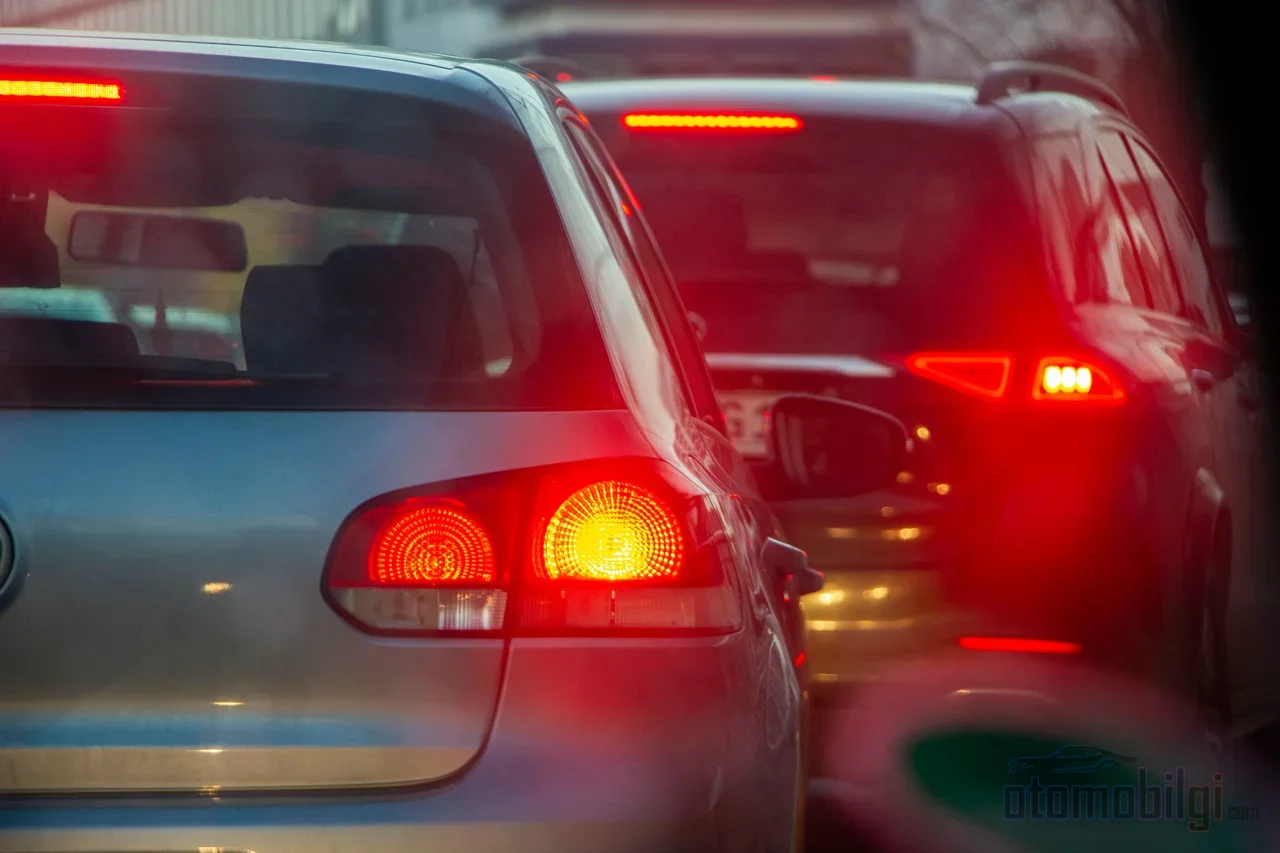
A cold engine is the least efficient engine. The control unit injects extra fuel to speed up warm-up, the oil's viscosity is high, tire pressure is low, and aerodynamic drag is increased. In freezing weather, short trips can reduce fuel economy by 10-20% because the engine never reaches full operating temperature. The effect is even heavier in LPG vehicles: since the system starts on gasoline, every cold start means gasoline consumption, and on short distances the tank never warms up.
The takeaway is simple: taking the car for a two-kilometer journey is the most expensive trip per kilometer. Combining short errands with walking or cycling, or grouping them into one weekly trip, is the biggest saving item regardless of technique.
Fuel Saving Myths: The Ones That Look Like They Help But Don't
Some habits have been regarded as savings for years, but have no measurable benefit in modern vehicles:
- Warming up the engine before driving: Unnecessary in injection engines; idling to warm up is wasting fuel, and the engine warms up faster while moving.
- Coasting in neutral: Invalid in modern injection engines; coasting in gear with the throttle cut is more economical.
- Keeping the tank completely full: The claim that it prevents evaporation or saves fuel is baseless.
- Premium fuel: It does not improve efficiency for a standard gasoline engine; the octane difference does not mean extra power in an engine not designed for higher octane.
- Manual transmission always burns less fuel: That was true in the old days; today's automatics select gears more efficiently in most cases.
Why Doesn't the WLTP Value Match Consumption at the Pump?
When buying a car, many drivers trust the consumption value in the brochure but never actually see that figure. In the NEDC era, real-world consumption averaged 39% above the laboratory value. Although the WLTP procedure that replaced it covers broader and more realistic driving conditions, European Commission data show that WLTP values for gasoline and diesel vehicles still deviate from real consumption by about 20% and a review of the procedure is on the agenda. Practical conclusion: plan according to your own driving profile, not the catalog. The improvement provided by eco driving techniques is tangible enough not to get lost within this margin of deviation.
So, Is There a Durability Issue?
To be honest, yes, partially. While short-term savings are clearly observed, few studies show that the training holds in the long term. People return to their old driving habits over time. Program evaluations point to the same conclusion: a purely theoretical list of techniques is not enough; fuel monitoring combined with hands-on training creates a lasting difference. The practical takeaway for the individual driver is this: track your average consumption on the instrument display for a few weeks. What is measured improves - that is the nature of engineering; you cannot manage what you do not measure.
Conclusion: Eco driving is not a myth, it is a measurable engineering practice. The biggest difference comes from anticipatory driving and steady speed; early shifting works if applied in the correct rpm band; start-stop is valuable in the city, while eco mode offers limited benefit. Drop the myths like idling to warm up, shifting to neutral, and premium fuel; reduce short trips. Overall, an improvement in the 10-20% range is an achievable goal regardless of engine type.
Sources
- Eco-driving initiatives – the key for sustainable and energy efficient road transport
- What Is Eco Driving and How to Save Fuel
- Efficient Driving to Conserve Fuel - Alternative Fuels Data Center
- Does the Start/Stop Function Really Improve Your Car's Fuel Economy?
- Practical investigation of the Start/Stop system
- Tested: Does Eco Mode Really Save Gas?
- Does Eco Mode Really Save Fuel?
- Windows down or A/C on
- Here's When You Should Shift a Manual Transmission for the Best Fuel Economy
- Don't Fall for These 7 Fuel Efficiency Myths
- European Commission Report Finds Big Gap Between WLTP and Real World
- Does Cold Weather Affect Fuel Economy?