LPG or Petrol? Consumption and Engine Health Calculation
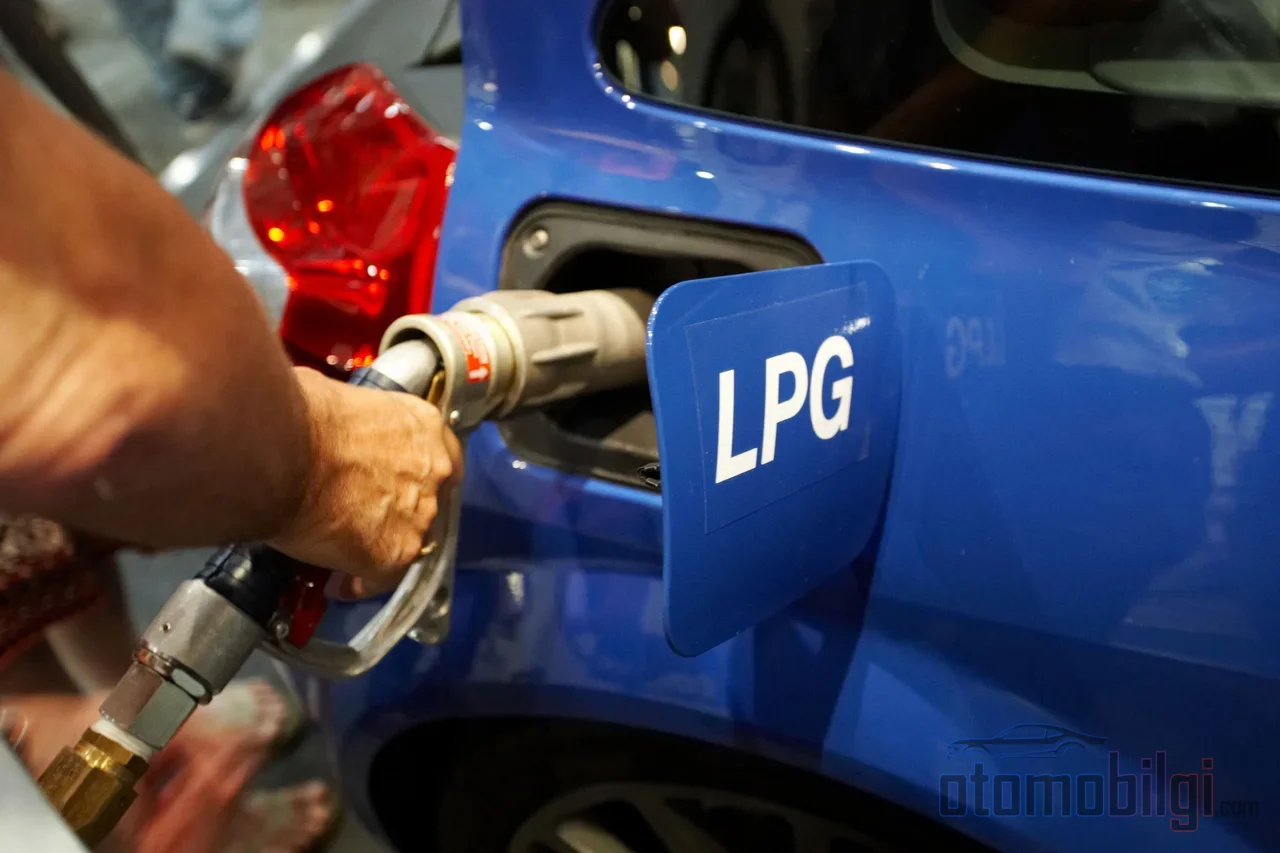
Having LPG installed in a gasoline-powered car is one of the decisions that most divides owners down the middle. Standing at the pump and comparing two prices is not enough; because LPG consumes more per liter than gasoline, it adds extra cost to spark plug and filter maintenance, and the payback period depends entirely on how many kilometers you drive. The same conversion can be a clear profit for a driver who covers fifteen thousand kilometers a year, but for a car used only to go to the market on weekdays, it can be a forced investment even on paper. This page builds the calculation from start to finish: the liter balance, engine health, maintenance intervals and usage profile.
First we will clarify the language of the calculation, then move to the engine side, and finally get to the decision.
How Consumption Is Measured and Why LPG Burns More in Liters
Consumption is measured by the fuel spent per unit distance and is expressed in liters per hundred kilometers (L/100 km); the lower the value, the more economical the car. Starting from a car that burns 8 liters per 100 kilometers on gasoline is the most solid starting point of the calculation. To find this value in your own car, a simple formula is enough: fill the tank and note the kilometers traveled, then divide the liters spent by the kilometers and multiply by 100.
The reason LPG's liter consumption comes out higher is not chemical, it is thermodynamic. LPG's energy content per liter is below that of gasoline; more volume must be spent to do the same work. In practice this difference is around 15%: a car consuming 8 L/100 km on gasoline burns roughly 9.2 L/100 km on LPG. Another research finding shows that LPG consumption in an engine running with correct settings comes out about 17.7% higher compared to 91 gasoline. So on a per-liter basis LPG always loses; the turning point of the calculation is whether the difference in liter price compensates for this excess consumption.
Highlights
- LPG consumes approximately 15-18% more than gasoline in liters; the savings come from the liter price difference.
- LPG raises the spark plug's firing tip temperature by approximately 80 degrees Celsius; spark plug replacement is preventive maintenance every 15,000-20,000 km.
- LPG filter replacement is typically required every 10,000-15,000 km.
- The conversion typically pays for itself between 1-3 years; the duration depends on annual kilometers.
Per Hundred Kilometer Cost Calculation
The real figure to compare is not the liter price, but the cost per hundred kilometers. This is where LPG's advantage emerges: even if it costs more per liter, that does not change the outcome, because the total cost is determined by the liter price difference between the two fuels and the excess consumption. In regions where the pump price of LPG remains clearly below that of gasoline, the hundred-kilometer cost drops below gasoline; in markets where the liter price difference narrows, the margin quickly thins out. For this reason no permanent number can be given, but a ratio can be: where the liter price is about 25-30% lower than gasoline, the calculation easily turns in LPG's favor. Each driver must establish this balance based on the prices in their own region.
Engine Health: Spark Plugs, Valves and the Intake System
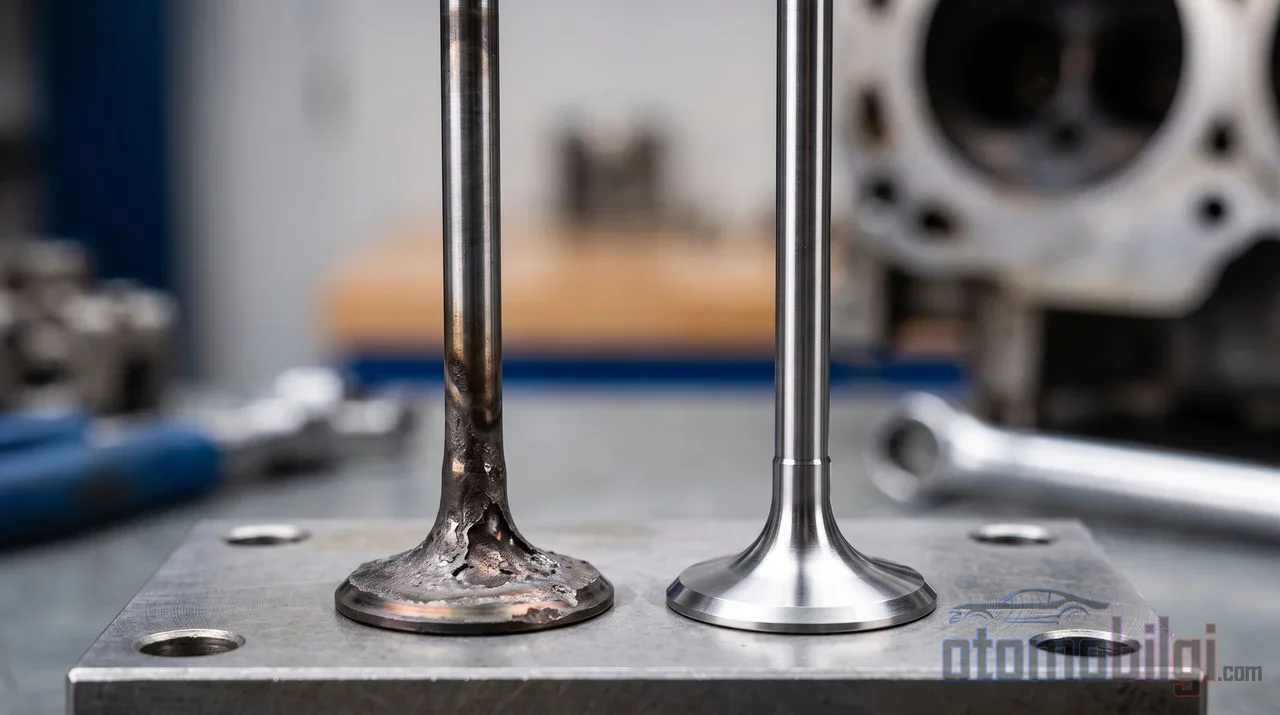
The effect of LPG conversion on the engine is a topic that is either exaggerated or demonized in promotional language; the reality is more measured. The gas-air mixture of LPG burns more slowly than gasoline, and the combustion process takes longer; this exposes the spark plugs to higher thermal load. Technical measurements show that LPG combustion increases the temperature at the spark plug's firing tip by approximately 80 degrees Celsius or more. The practical consequence is clear: spark plugs designed for gasoline may fail early on LPG, and misfires can occur during fuel transitions in dual-fuel use. The solution is to choose LPG-compatible spark plugs and shorten the replacement interval; replacing spark plugs every 15,000-20,000 km in LPG-powered vehicles is not extraordinarily frequent, but reasonable preventive maintenance.
Common Misconceptions About Valves
The belief that LPG destroys valves on its own does not reflect reality. The risk of burned valves increases with older engine designs, poorly adjusted systems, and neglected maintenance; the fuel itself does not automatically corrode the valves. In fact, the balance can tip the other way too: LPG burns cleaner, its high octane rating prevents knocking, and in a properly installed system it can extend engine life and reduce wear. On the other hand, there are also field observations that valve seats can suffer some damage in certain engines. The measured position is this: damage is not automatic; correct system selection, pre-installation vehicle inspection, and component compatibility with the engine make the risk manageable.
Intake System and Oil
There is one point where LPG has an advantage on the intake side: the gas mixes with air instantly and homogeneously; problems caused by wear in the liquid fuel's injector or carburetor valve do not occur in this configuration. A widespread belief is that engine oil lasts twice as long on LPG and remains honey-colored on the dipstick; this is a misconception. The fuel type does not determine the oil change interval; the manufacturer's maintenance schedule does.
Maintenance Intervals and Additional Costs
An LPG system brings a small but definite amount of additional maintenance to the vehicle's regular service program. The main item is gas filter replacement, with a typical interval of every 10,000-15,000 km. When spark plug replacement and periodic system checks are added, the annual maintenance budget of an LPG-powered vehicle increases noticeably compared to gasoline use. The picture on the performance side is mixed: just as there are complaints of performance loss and carbon buildup, the view that the engine runs healthier thanks to cleaner combustion is also widespread. The point to note here is that recommendations left over from the era of older systems, such as second-generation ones, should not be applied one-to-one to today's modern conversions; as technology advanced, the problem profile changed too.
Who It Makes Sense For: Usage Profile Calculation
What really determines the decision is not the technical detail, but the usage profile. The conversion typically takes 1-3 years to pay for itself, and this period depends directly on annual mileage. For someone who drives mostly in the city and with low mileage, the payback period becomes noticeably longer; with a city-highway mix or intensive use, the conversion quickly makes sense. To give a numerical anchor: an average LPG system saves about 500 dollars per year in fuel, which is expected to cover the conversion cost of a driver doing 15,000 miles per year. When mileage drops below this threshold, the same cost is not recovered in the same time.
A summary comparison table visualizes the decision:
| Criterion | Gasoline Only | Gasoline + LPG Conversion |
|---|---|---|
| Fuel consumption per liter | Reference | Approximately 15-18% higher |
| Cost per liter | Reference | 25-50% lower depending on region |
| Maintenance | Standard servicing | Filter every 10,000-15,000 km, spark plugs 15,000-20,000 km |
| Payback period | None (conversion cost is zero) | Typically 1-3 years, depending on mileage |
| Suitable profile | Low-mileage city use | Intensive and mixed use |
There is also a practical gain that does not enter the calculation but changes daily life: when the gasoline and LPG tanks are used together, total range can usually exceed one thousand two hundred miles depending on the vehicle model.
The Hidden Variable That Breaks the Calculation: Real-World Consumption
No matter how carefully the comparison on paper is built, real consumption deviates from official figures. Fuel economy tests are conducted under laboratory conditions with fixed cycles; in the real world, traffic, weather, load, and driving style come into play. According to a comprehensive analysis, the gap between real road consumption and the laboratory cycle has reached 37% for gasoline cars and 38% for diesels. The figure a user measures from their own tank always includes this deviation.
This has two implications for the LPG calculation. First, measuring your own vehicle's real consumption before conversion is far more accurate than trusting the catalog value. Second, driving style directly affects cost on both fuels: aggressive driving, meaning frequent sudden acceleration and hard braking, can increase consumption by about 40%. Gentle acceleration, maintaining a steady speed, and anticipating traffic pull this deviation back. Even properly inflated tires improve fuel economy by up to 0.6%; common beliefs such as keeping the tank full, using premium fuel, or refueling in the cool of the morning have no savings value. Turning off the engine during stops longer than a minute, however, is a real and measurable way to save.
The Decision: LPG or Gasoline?
With all the items of the calculation on the table, the clear answer is this: For a driver who covers high mileage within a year and lives in a region where the fuel price gap is wide, an LPG conversion is cheaper in the long run than running on petrol, despite the added maintenance costs; for a low-mileage city user, the conversion cost does not pay off within a realistic timeframe. In the wide zone in between, the decision becomes clear based on your own consumption measurements, your region's price gap, and the budget you can set aside for maintenance.
The practical checklist is as follows:
- Measure your actual consumption over several tanks; base your calculation on your own figures, not the catalog values.
- Check whether the per-liter price gap in your region is at least 25-30%.
- Estimate your annual mileage honestly; heavy use shortens the payback period.
- Before the conversion, have an authorized service confirm the vehicle's suitability for installation and the engine's valve construction.
- Accept adding filters and shortened spark plug intervals to your annual maintenance budget.
If all five items are in favor, LPG is a savings tool; if three are against, continuing on petrol is the more disciplined engineering decision.
Sources
- Fuel economy in automobiles
- How can I make a mileage comparison between Auto LPG and Petrol
- Is it still cost-effective to drive on LPG?
- Why LPG Uses More Liters Than Petrol
- Comparison of the fuel consumption rate of gasoline 91 and LPG
- Spark plugs technical know-how
- Oil for a car with LPG
- Pros And Cons Of An LPG System For Cars
- Fuel-efficient driving techniques
- WLTP range explained