Gasoline or Diesel? Choosing Based on Engine Character and Usage
Share This Page
There is no single correct answer to the petrol or diesel question; the right answer changes depending on the engine's character and your annual usage profile. Thanks to compression ignition, a diesel produces high torque at low revs and burns less on long journeys; a petrol engine, on the other hand, is lively at high revs, quiet, and cheap to maintain. For a driver with a low annual mileage who lives in stop-and-go city traffic, petrol is almost always the sensible choice.
Key Takeaways
- By design, a diesel engine has approximately 20% higher thermal efficiency than petrol.
- Peak torque in a diesel arrives at low revs such as 1,600-2,000 RPM; in a petrol engine, power is gathered at high revs.
- Over a lifetime, diesel maintenance is approximately 50-100% more expensive than petrol.
- With annual usage below 15,000 kilometers, the diesel's extra cost will usually never pay for itself.
- With a proper installation, there are fleets reporting savings of 25-40% with LPG compared to petrol.
Two Engines, Two Ignition Philosophies: Where Do the Fundamental Differences Come From?
A petrol engine operates with spark ignition; the air-fuel mixture is compressed and ignited by the spark plug's spark. The compression ratio is typically between 8:1 and 12:1. A diesel has no spark plug: air is compressed at a much higher ratio - between 15:1 and 25:1 - and the temperature created inside the cylinder ignites the fuel on its own. This alone is the architectural difference that defines the character of the two engines.
Let's follow the result with numbers. Diesel fuel is more energy-dense and has natural lubricating properties; petrol, however, behaves like a solvent and affects components more harshly. Thanks to its high compression, diesel is approximately 20% higher in thermal efficiency than petrol, and this difference translates directly into fuel economy. The advantage in design theory is even greater; however, in the real world, especially in mid-range vehicles, this advantage often drops to a consumption difference of just 1-2 MPG. Since the per-liter price of diesel fuel is usually higher, the narrow efficiency advantage can easily be wiped out by the price difference at the pump.
On the longevity front, the picture becomes clearly favorable to diesel. Diesel engines typically have a lifespan exceeding 300,000-500,000 miles; some heavy-duty diesels can exceed 1 million miles. Petrol engines generally last around 150,000-250,000 miles. The reason is simple: in petrol engines, cylinder wear begins to reduce efficiency at around 120,000-150,000 miles; in diesels, the removable cylinder liner can be replaced as a separate part after 200,000-300,000 miles. Rev speed also plays a role here: a diesel operates in the 1,300-1,600 RPM band, a petrol engine in the 2,500-3,500 RPM band - low revs mean less wear.
Torque and Rev Character: How Does Each Engine Drive?
The diesel's signature is torque. Peak torque arrives at low revs such as 1,600-2,000 RPM; the vehicle carries the load it tows without raising revs. That's why drivers who tow caravans, take trailers, or cover long highway kilometers fully loaded prefer diesel. When you half-press the accelerator in the Gazi, the car pulls forward eagerly - that is the work of this wide and early torque band.
The character of a gasoline engine is exactly the opposite: peak power is produced at high revs. Acceleration, agility, and throttle response are livelier in the gasoline engine; the motor spins more fluidly and runs more quietly. In everyday traffic I can sum up the difference like this: the gasoline engine follows the driver's rhythm, while the diesel carries the load's rhythm. Which one suits you depends on which rhythm your daily driving is closer to.
Maintenance and Total Cost of Ownership: Is Diesel Really More Expensive?
The diesel's efficiency advantage pays for itself in the expense column. Over its lifetime, diesel maintenance is roughly 50-100% more expensive than gasoline: annual $1,200-2,000 versus $600-1,000 for gasoline. For vehicles exceeding 150,000 miles, the total maintenance picture is even more striking: a band of $8,100-21,900 for diesel versus $2,300-5,550 for gasoline. In gasoline engines, service and spare parts availability is also far more widespread.
And the modern diesel's extra cost items are just the icing on the cake: DEF fluid at roughly ~$20 every 1,000 miles, DPF cleaning at $1,000-3,000 (replacement up to $3,000-8,000), SCR and EGR systems, dual fuel filters, and more expensive injectors. The phrase "diesel is solid and needs little maintenance" is half true: the basic mechanics really are durable, but the emissions systems raise the maintenance burden to the level of gasoline. Fleet data confirms this too - public fleets that switched from diesel to gasoline reported 2.5 fewer days of downtime per vehicle per year.
On the purchase side, diesel is already $5,000-11,000 more expensive. Over use beyond 100,000 miles, fuel savings come to around $3,000-5,000. The result: the break-even point usually arrives at 150,000-200,000 miles. For a driver who can pass that threshold in a short time, diesel is an investment; for one who cannot, it is a premium already paid. Let the used market offer some consolation: diesel vehicles retain their value about 15-25% better than gasoline ones.
Why Is Short-Distance City Use Risky for Diesel?
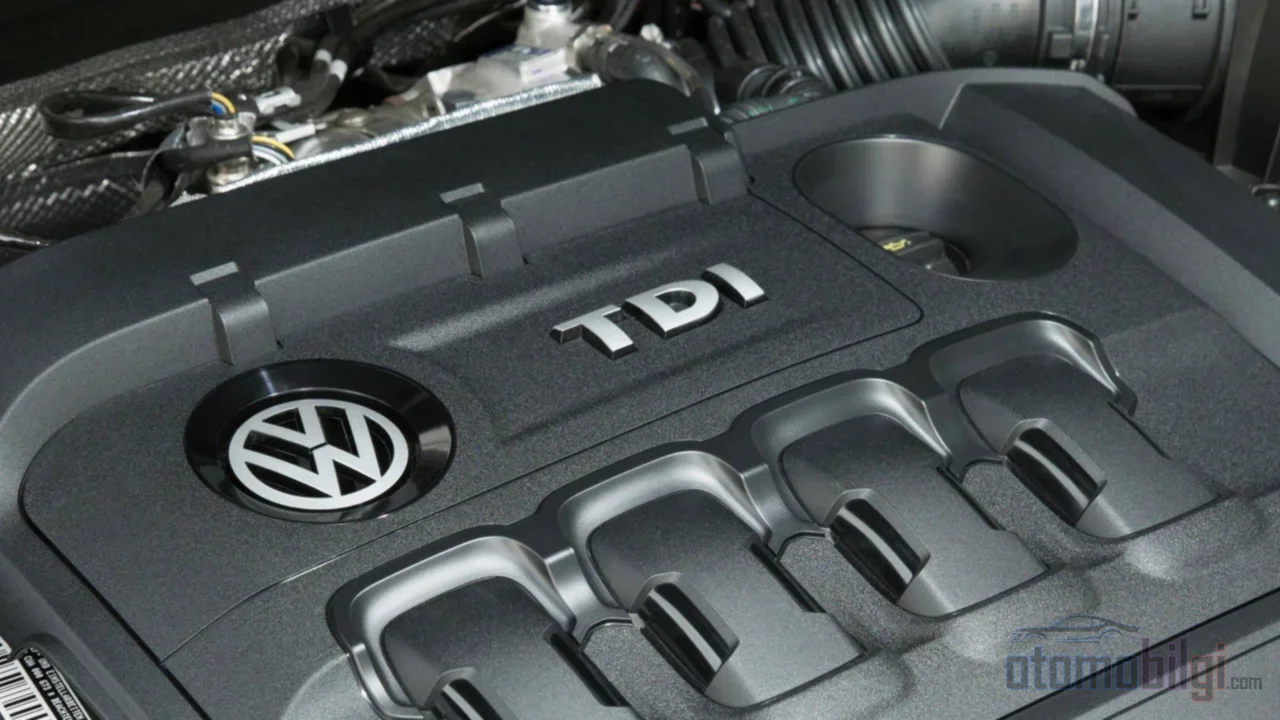
In modern diesel vehicles, the particulate filter (DPF) traps soot in the exhaust. As the filter fills up, regeneration - that is, burning off the accumulated soot - becomes necessary; for that, the exhaust temperature must reach a sufficient level. Repeated short trips prevent this temperature from ever forming, and they are the main cause of DPF clogging.
Recognizing the signs of a filling DPF protects you from major expense: cooling fans running on their own, increased idle speed, the Stop/Start system being disabled, rising fuel consumption, and a hot, sharp smell from the exhaust. For a driver who ignores these symptoms, forced regeneration or even the vehicle being taken out of service may come into play. In stop-and-go city traffic, the gasoline engine is smoother, quieter, and cheaper; Diesel shines on long highway journeys, heavy loads and high mileage.
Where Does LPG Fit Into This Equation?
The established way to reduce the fuel cost of petrol engines is LPG conversion. Let's first clear up a myth: The statement "LPG ruins the engine" is an exaggeration. LPG is sensitive to ignition quality and mixture accuracy, but it does not directly destroy the engine; with proper maintenance the system runs reliably, and conversion is also possible on direct-injection engines. It even has an advantage: Since LPG exhaust gases are less corrosive, the exhaust system lasts noticeably longer with LPG. There are fleets reporting savings of 25-40% compared to petrol in suitable applications.
Let's also write down the risks honestly. LPG's combustion temperature is higher than petrol's, and this can accelerate valve and valve seat wear. High-mileage engines may not be able to handle the extra heat produced by the system. The compromise is this: with a proper installation, regular maintenance, and valve seat maintenance where necessary, LPG is still the most practical way to save, especially for the petrol vehicle owner who drives many kilometers.
Choosing According to Your Usage Profile: Decision Table
Annual distance is the clearest threshold value in this comparison. When you weigh the fuel efficiency advantage against the purchase and maintenance premium, the decision matrix is roughly drawn like this:
| Annual Usage | Logical Fuel Type | Reason |
|---|---|---|
| Under 15,000 miles | Petrol | The extra cost never reaches break-even |
| 15,000-25,000 miles | Driving profile and preference are decisive | 25,000-35,000 miles |
| 25,000-35,000 miles | Fuel savings start to offset the premium | Over 35,000 miles |
| Over 35,000 miles | Diesel | Longevity and fuel-consumption advantages shine brightest here |
Scenario-based, the same picture can be drawn. Short-distance, stop-and-go city use and low annual mileage favor petrol. Predominantly long-distance and motorway driving is diesel's territory. For mixed use, calculate the power curve according to your own duty cycle; In mixed fleets, the "hybrid fleet" approach of assigning diesel to long routes and gasoline to the city is already common - a single-vehicle owner can apply the same logic to their own weekly routine.
The WLTP vs. Real-World Consumption Difference WLTP vs. Real-World Consumption Difference
Consumption measured under the old NEDC cycle could be up to 50% lower than real-world road conditions. Its replacement, the WLTP, better reflects real-world driving and allows for objective comparison between vehicles; it is nevertheless neither catalog-based nor realistic. Real-world consumption exceeds the official figure - in electric vehicles, range usually falls 10-30% below the WLTP value, and a similar pattern of exceeding official consumption applies to petrol cars as well. The WLTP combined cycle represents consumption over a specific time period; it cannot be expected to match your driving profile exactly.
The practical takeaway is this: when comparing the two fuel types, consider the ratio between the catalog figures, not the absolute values. If the diesel's spec sheet says 4.5 liters, real-world consumption will exceed that; the petrol engine will exceed it too. You can only measure the real consumption difference between fuel types in your own usage profile.
What Actually Works for Fuel Economy and What's Myth
The techniques approved by official energy efficiency agencies are short and clear: gentle acceleration, keeping a steady speed, anticipating traffic ahead and acting early, avoiding high speeds, and coasting to slow down. In stop-and-go city conditions, coasting and gentle acceleration are especially effective. Conversely, aggressive driving - fast acceleration, hard braking - can reduce efficiency by 15-30% on the highway and 10-40% in stop-and-go traffic.
Some common beliefs, however, have failed the test:
- Warming up the engine at idle before driving does not save fuel.
- Premium fuel is not better for every car and does not improve efficiency.
- Shifting into neutral does not save fuel.
- Buying gasoline on a cold morning does not give you more fuel; underground tank temperatures are already constant.
- Fuel additives and magnetic saving devices do not work - regulatory agencies have tested more than 100 devices and found none effective.
- Turning the engine off and restarting it generally uses less fuel than idling.
- Keeping the tank constantly full does not save money.
In modern engines, what matters is not old advice but engine technology and driving habits. If you are already just below the break-even threshold, fixing your driving style delivers faster results than switching to a new fuel type.
Conclusion: Where Your Threshold Lies, There Lies Your Decision
The decision can be reduced to a single question: how many kilometers do you drive per year, and how many of those are city versus highway? For a driver living in stop-and-go traffic under 15,000 miles a year, gasoline is the clear right answer, with its quietness, smoothness, and low maintenance costs; an LPG conversion also shrinks the fuel bill significantly. For a high-mileage user who carries loads and loves long journeys, the diesel's torque, longevity, and consumption premium are more than justified - provided you budget for emissions system maintenance accordingly. You don't need to do manual calculations to find the threshold: add up the purchase premium, the annual fuel difference, and the maintenance difference; whichever year's end your break-even point falls on, that is where the answer lies.
Sources
- Diesel vs. Gas Engines: Key Differences Between Gas and Diesel Engines
- Diesel vs Gas Engines for Fleet Vehicles: Cost & Maintenance Compared
- Gas vs. Diesel Engines
- Diesel vs. Gas Engines | Which Option Fits You Best?
- Which Is A Better Fuel - Petrol Or Diesel?
- Petrol vs Diesel Cars: Which Is the Better Choice?
- Diesel particulate filters
- Diesel DPF Short Trips & Regen Problems
- Does LPG Damage the Engine? Complete Guide for Drivers
- Comparison of fuel consumption in WLTP and NEDC
- WLTP range explained
- Fuel-efficient driving techniques
- Gas-Saving Myths Debunked