5 Critical Facts You Need to Know About B7 Biodiesel
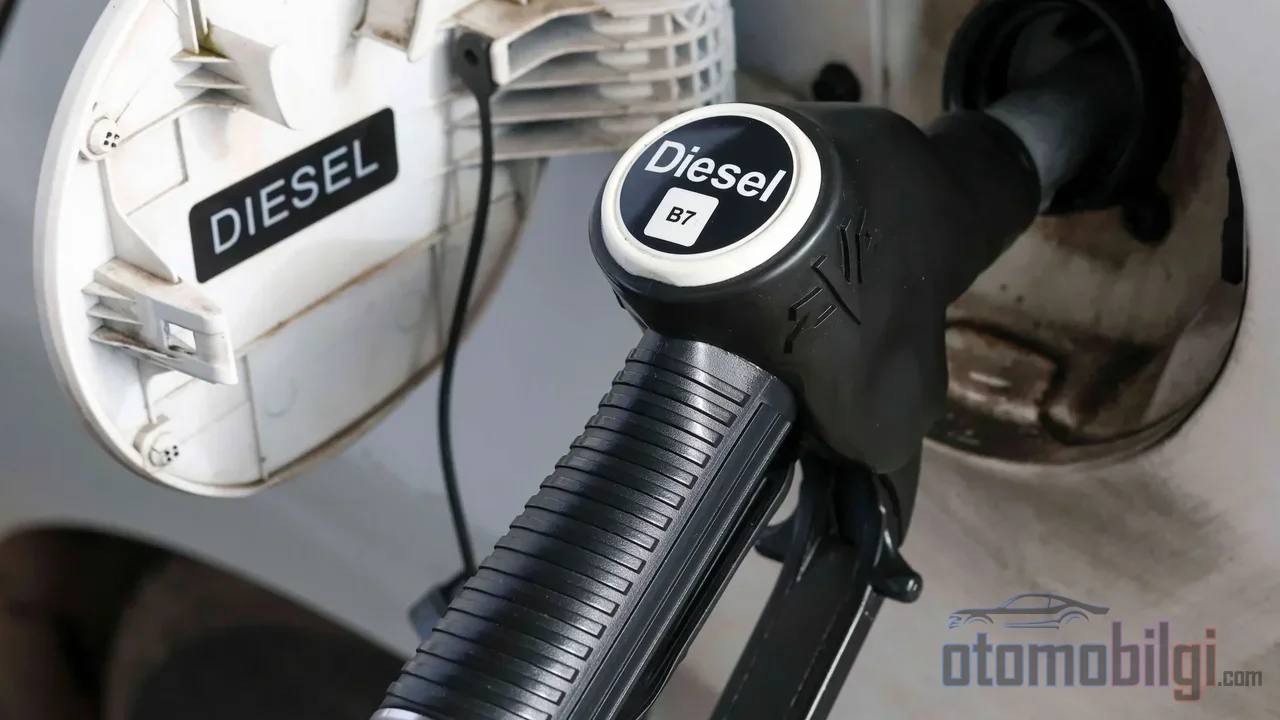
When you pull up to a diesel pump in most countries, it is practically no longer possible to get pure petrodiesel; The EN 590 standard allows the fuel from the pump to contain up to 7% biodiesel by volume, and this blend is called B7. So is this 7% a cosmetic detail as far as the engine is concerned, or a measurable change extending from the injectors to the DPF, from oil quality to consumption? Two topics are intertwined here: the lubricity advantage biodiesel provides and the chemical risks the FAME component creates in the long term. In this guide we will separate the two and examine B7's real effects on the engine with numbers.
What Is B7 and What Does the FAME Inside It Mean?
Biodiesel is a renewable fuel derived from vegetable oils, animal fats, or recycled grease. Its production is based on the chemical reaction of fatty acids mostly with methanol in the presence of a sodium hydroxide catalyst; the resulting product is called FAME, that is, fatty acid methyl esters. It is suitable as an engine fuel because it has much lower viscosity than straight vegetable oil.
B7 is a diesel blend containing 7% biodiesel by volume. In Europe, the EN 590 diesel standard allows blending up to this ratio; In the US, ASTM D975 classifies fuel containing up to 5% (B5) biodiesel directly as "diesel fuel", and these low-ratio blends are considered approved for any compression-ignition engine designed to run on petroleum-based diesel. For higher ratios, things change: Blends such as B20 and B30 are evaluated under separate standards such as ASTM D7467, EN 16734, and EN 16709. Pure biodiesel (B100) is covered by the EN 14214 standard in Europe.
Highlights
- B7 is an EN 590-compliant diesel blend containing 7% biodiesel by volume.
- Power and torque loss along with increased consumption are typically in the 3-5% range; in practice, this difference is very small in B7.
- In modern diesels with DPF, the blend ratio is limited to B7; the reason is the risk of oil dilution during regeneration.
- Quality biodiesel is a better lubricant than low-sulfur diesel and reduces pump wear.
- In older vehicles, Buna-N rubber seals may need to be replaced with Viton or Teflon.
Injectors and Fuel Pump: A Two-Sided Picture
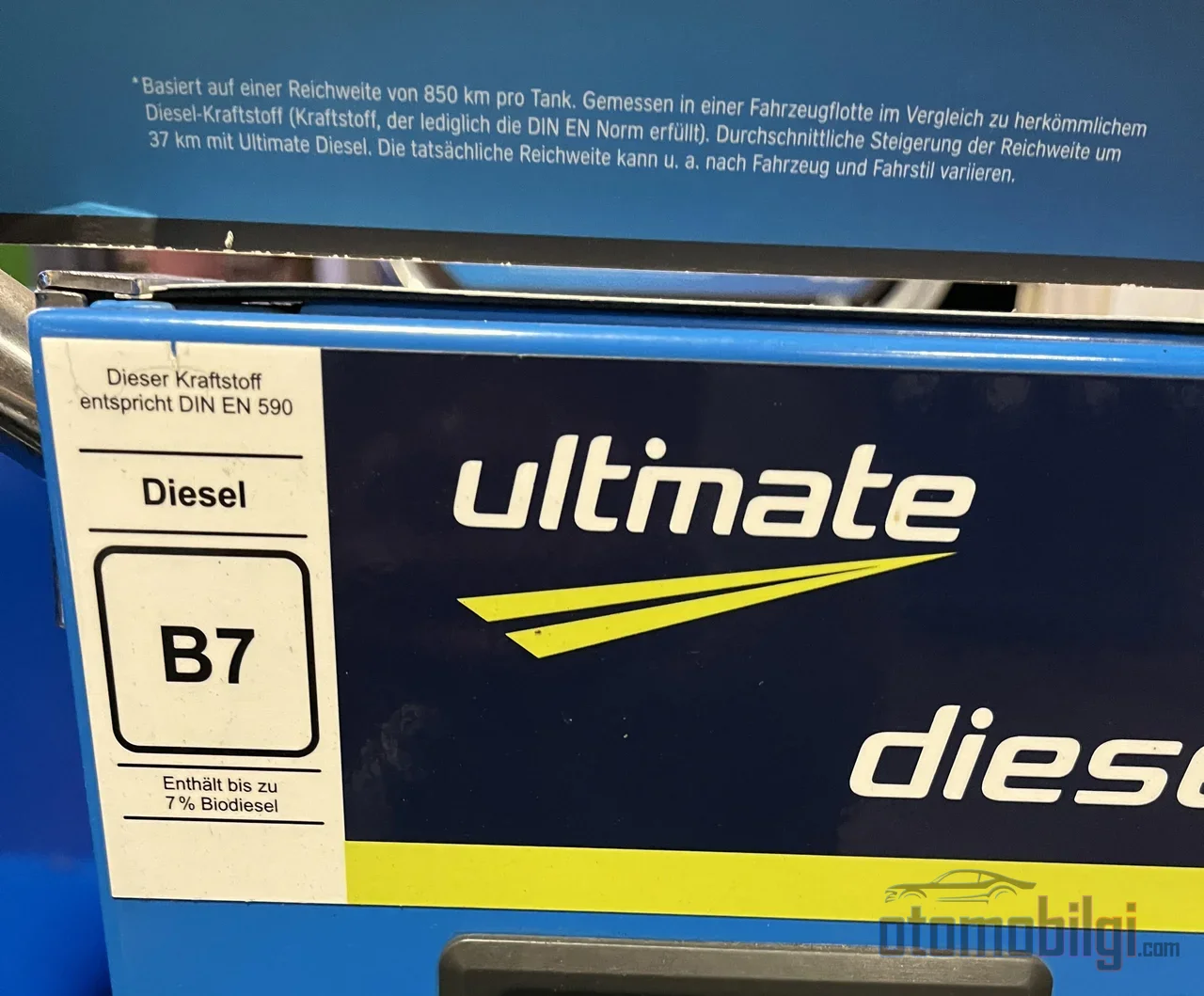
Biodiesel's relationship with the fuel system is not one-directional. On one hand, quality biodiesel has a significant advantage over modern low-sulfur diesel (ULSD): it is a much better lubricant and noticeably reduces injection pump wear. Diesel without bio, on the other hand, remains weak in lubricity and carries the risk of injector and pump wear. In low-ratio blends like B5/B7, this lubricity contribution is a practical benefit.
On the other hand, FAME brings chemical risks along with it. Injection components can be damaged in six main ways: oxidation, acid wear, deposit formation, water absorption, seal degradation, and thermal degradation. Biodiesel can cause corrosion due to the oxygen it carries in its structure; there are studies showing that it increases wear and friction in engine components and the fuel system. In low-quality or oxidized biodiesel, sediment and resins accumulate in the injection pump, potentially causing hard starting, power loss and misfiring. In short, what matters is the quality of the blend; a low-percentage but high-quality blend is beneficial, while a high-percentage or degraded fuel is harmful.
Solvent Effect and Filter Clogging
Biodiesel is a strong solvent. It can degrade rubber components in the fuel line and loosen sediments that have built up in the tank over years, releasing them into the system. Although this "cleaning" effect may seem positive at first glance, the result is usually early clogging of the fuel filter. When switching from petrodiesel to biodiesel, it is a reasonable precaution to shorten filter replacement intervals during the initial period.
DPF and Oil Dilution: The Real Critical Point of Modern Diesels
In modern diesels equipped with a particulate filter (DPF), the practical limit for biodiesel use is B7, and the reason is not the exhaust system but the engine oil. The DPF periodically enters regeneration to burn off accumulated soot; during this process, some of the fuel leaks through the cylinder wall and mixes into the crankcase, i.e. the engine oil. This is where two properties of biodiesel come into play: it has a higher flash point than petrodiesel and, after mixing into the crankcase, evaporates less easily from the oil compared to petrodiesel. The result is that the oil becomes increasingly diluted with fuel.
The oxygen content of FAME in the fuel is the dominant cause of both DPF regeneration frequency and soot reactivity; since soot burns more easily in the presence of biodiesel, the filter enters regeneration cycles more often. Frequent regeneration means more fuel mixing into the oil. There are measurements showing that in usage patterns with frequent DPF regeneration, oil dilution levels can reach the 5-10% range. For this reason, oil level and oil change intervals require special attention in DPF-equipped vehicles using biodiesel fuel; in some cases, manufacturers recommend shortening the maintenance interval by up to 50%.
The picture on the emissions side is more balanced: biodiesel blends reduce CO, HC and particulate matter (PM) emissions, but NOx emissions may increase slightly; proper engine tuning can minimize this increase. FAME can reduce the soot fraction while increasing the soluble organic fraction (SOF), leading to "wet" particles.
Does B7 Affect Consumption and Performance?
The numerical effect is derived directly from energy density. Biodiesel carries less energy per unit volume than petrodiesel; in pure biodiesel, power and torque are typically 3-5% lower and fuel efficiency declines by a similar margin. However, with B7 the situation is different: even in B20, which contains 20% biodiesel, the energy loss per gallon is only around 1-2%, and users have reported no difference in consumption, power or torque. With a 7% blend, this difference falls below the measurement instrument's precision limit; it is not noticeable in everyday use.
Road tests have measured that biodiesel negatively affects fuel consumption by mass and performance, but these results belong to high blend ratios. The blend also brings one advantage on the combustion side: FAME provides a shorter ignition delay and more complete combustion; this is a factor that somewhat improves efficiency and lowers emissions. At the B7 level, the net practical result is this: the consumption difference is not even enough to empty the same tank a few kilometers earlier.
Old Engines, Gaskets, and Long-Standing Fuel
Material Compatibility: Rubber Versus Metal
Laboratory studies clarify how gasket materials behave in the face of biodiesel. Nitrile rubber (Buna-N) is negatively affected: after prolonged contact, its hardness drops noticeably and it swells. Nylon 6/6 and high-density polypropylene similarly soften and swell. In contrast, Teflon and the Viton family of fluoroelastomers show good resistance to biodiesel. On the metal side, copper alloys (brass, bronze) exhibit serious corrosion and resin formation; steel and aluminum are prone to high acid numbers, and zinc is incompatible with biodiesel. This picture shows that in older vehicles, gasket and hose materials should be checked before putting biodiesel on the agenda, and replaced with Viton- or Teflon-based parts if necessary. Non-common-rail engines, especially older indirect injection engines, generally experience fewer problems with biodiesel; short-term engine wear with quality fuel has been measured as lower than with petrodiesel.
Storage Stability
Diesel stored under standard conditions typically degrades within 6-12 months; modern low-sulfur fuels and biodiesel are not as stable in storage as old high-sulfur mineral diesel. Biodiesel biologically degrades faster than petrodiesel; this property is an advantage for the environment, but a disadvantage for long-term storage. Microbial growth and tank corrosion seriously affect the long-term stability of biodiesel-blended fuel. For rarely used vehicles, boat engines, or backup generators, adding a fuel stabilizer, emptying the tank when parking the vehicle for a long time, or returning to petrodiesel are reasonable measures. Cold weather is another separate variable: pure biodiesel runs without problems up to about 5°C, additives widen this window by 5-8 degrees, and winter blends made with kerosene are effective down to -20°C.
What Do Manufacturers Say About B7?
Almost all modern diesel engines can comfortably use blends up to B5 and B7; all major manufacturers approve the use of biodiesel up to 5% when blended with suitable diesel. Still, caution is needed on the warranty side: each engine manufacturer determines the impact of biodiesel blends on the warranty itself, and warranty coverage is generally voided when the vehicle is run on fuel that does not comply with the manufacturer's specifications. In the heavy commercial segment, most manufacturers have announced that approved blends will not affect the warranty; for example, John Deere announced B30 compatibility for its entire Tier 4 engine portfolio in 2025, and Detroit Diesel approved up to 100% renewable diesel. The term "renewable diesel" used here should not be confused with FAME biodiesel: renewable diesel is a hydrocarbon fuel containing only hydrogen and carbon, and is fundamentally different from biodiesel in its chemical structure. Before switching to biodiesel use, checking the vehicle's warranty statement should be the first step.
| Topic | B7 / low blend effect | High blend (B20+) effect |
|---|---|---|
| Power and torque | Not noticeable in practice | Typically a 3-5% drop |
| Fuel consumption | No measurable difference | 1-2% energy loss, mass consumption increases |
| Lubricity | Reduces pump and injector wear | Depends on quality; poor fuel leaves deposits |
| Oil dilution | Caution needed when combined with DPF | Higher flash point, risk increases |
| Seals | No problems with modern Viton seals | Nitrile rubber swells and softens |
Does B7 Harm the Engine? Clear Answer
The short answer: B7 that meets the standards is considered safe for almost all modern diesel engines; the real risks stem not from the blend ratio, but from fuel quality, incompatible seal materials, and long-term oil dilution in vehicles with DPF. While a quality low-ratio blend is advantageous even over pure petrodiesel in terms of lubricity, biodiesel fuel that is oxidized, has absorbed water, or has sat in storage for a long time is a real threat to injectors and pumps. If you have a modern vehicle with DPF, staying within B7 limits, monitoring the oil level and following the manufacturer's recommended maintenance interval is the right strategy; if you have an older vehicle, checking seal and hose materials first, and tightening up filter changes in the initial period due to the solvent effect is recommended. For fuel that will sit for a long time, a stabilizer or an empty tank practically eliminates the risk.
Sources
- Compatibility of Biodiesel with Petroleum Diesel Engines
- Using Biodiesel Fuel in Your Engine
- Biodiesel Blends - Alternative Fuels Data Center
- Prediction of threats caused by high FAME diesel fuel
- Biodiesel Impact on Engine Lubricant Oil Dilution - US DOE
- Performance and emission characteristics of biodiesel-blend in diesel engine
- The Impact of Various Factors on Long-Term Storage - Ai 2024
- Emissions - FAME, IEA-AMF