Fiat Egea: A Success Story from Tofaş to the World
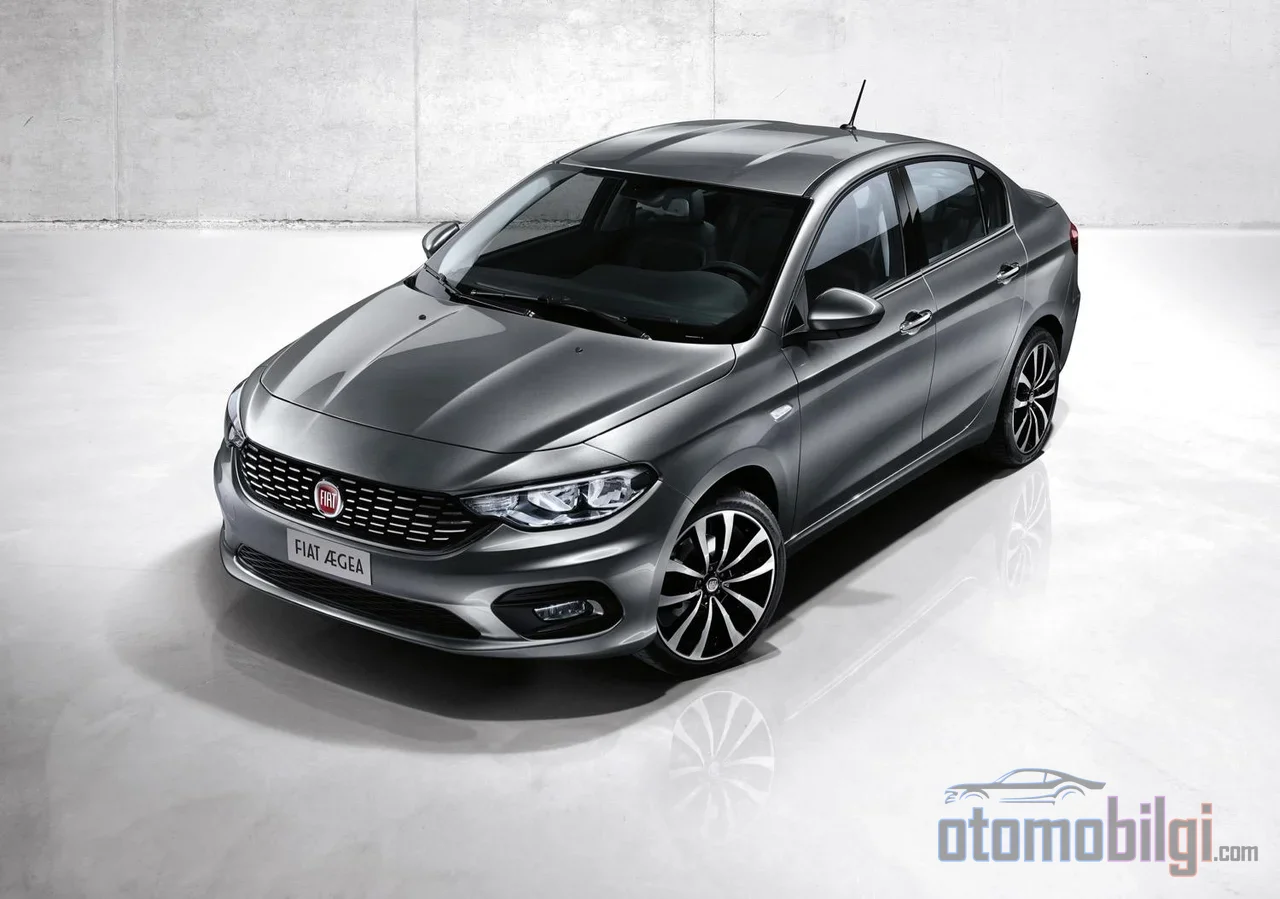
Imagine a car built in a factory in Bursa, named Egea, but sold as the Tipo in Europe and under the Dodge banner in America. A model on the same line from 2015 to 2026, shipped off to all corners of the world, and finally parted ways with a final farewell on June 30, 2026. So how does a car sell this much? Its story is truly exciting, so let's watch it from the beginning.
How Was the Egea Born? Behind the Scenes of the Project
The Egea made its appearance at the 2015 Istanbul Motor Show in May and went on sale in October 2015. But this was not a sudden decision; It was the product of years of work, a joint initiative of Tofas, Fiat (today's Stellantis), and Koc Holding. Think of the scale of the project like this: an investment of around 1 billion Euros, rivaling the annual budget of a football club. At the time, it was described as the largest investment in Tofas's history.
The development process is not as simple as you might think either. More than 1,000 engineers and technical staff were involved, and around 500,000 engineering hours were spent. 8 million kilometers of road tests were carried out - that's a distance equivalent to circling the Earth 200 times! In addition, 171 suppliers took part in the project. When the first vehicle rolled off the line, the person at the wheel was also a symbolic name: Mustafa V. Koc. On that day, the goal was announced: Exports to 40 countries.
Highlights
- Production: 1,417,047 units (2015-2026, Bursa)
- Exports: 671,005 units, to more than 40 countries
- Best-selling car for 10 consecutive years between 2016 and 2025
- Investment: around 1 billion Euros, 171 suppliers
- Production ended with a ceremony on June 30, 2026
The Factory in Bursa: Where Is the Egea Produced?
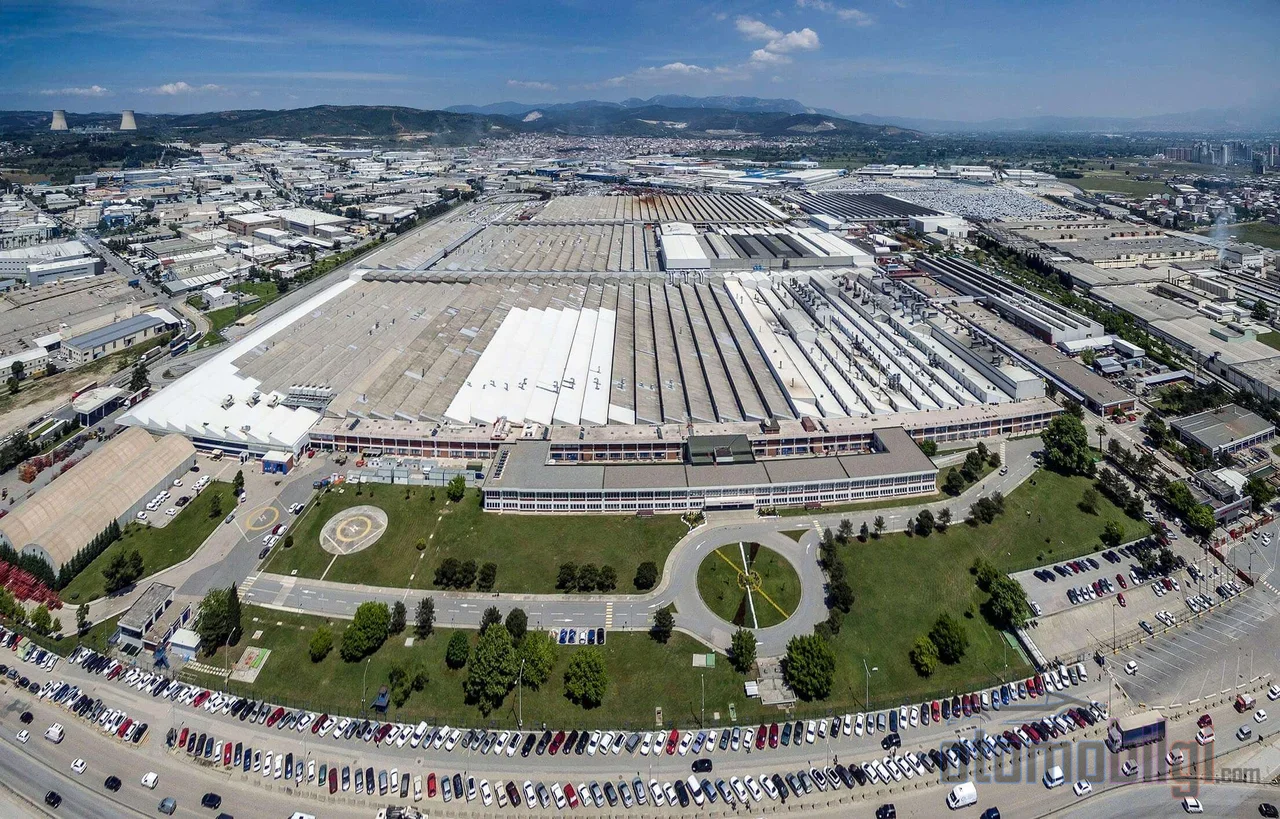
The Egea is produced in only one place in the world: The Tofas factory in Demirtas, Bursa. With an annual capacity of 450,000 vehicles, this facility rolls every body style of the Egea off the line: Sedan, Hatchback, Station Wagon, and later joined by the Cross and Cross Wagon. So the Fiat Tipo a friend saw in Europe is most likely a car that came out of Bursa. This is one of the most concrete examples of Turkiye's transition from assembly to a full-fledged manufacturing industry in automotive. The localization rate was also ambitious: 62.4% in the 1.6 engine version, 54.77% in the 1.4.
Tofas itself is part of a long story: Founded by Vehbi Koc in 1968, today both Stellantis and Koc Holding each hold a 37.8% stake in its share structure. Another side of the factory is R&D: Following the Egea's launch year, the Tofas R&D Center was named the most successful R&D center of the year in the automotive industry. So it became not just an assembly plant, but also a design and development center.
Only Turkiye? The Egea's Global Journey
This is where the best part of the story begins. The Egea was sold in the European market under the name Fiat Tipo. By December 2015, exports had already surpassed 200,000. In total, 671,005 vehicles were shipped to more than 40 countries - versions even sold under the Dodge brand in some markets went to the USA. A car built in a Turkish factory driving through American streets is not a coincidence, but the result of planned and serious engineering.
The model was updated over the years: In 2020 it received a comprehensive facelift and a new Cross body type (initially for export markets), and in 2022 the 1.6 diesel automatic and 1.5 hybrid engines were added. The highest production and export year was 2017: 178,587 units produced, 128,623 exported. Domestic market production peaked in 2023, with 126,944 vehicles.
Five Years in a Row? Actually, Far More
The Egea's sales success was first announced as "leader for 3 years in a row," then 5 years, then... the counting just kept going. The result: It was the best-selling car model for 10 consecutive years, from 2016 to 2025. Breaking this record is no easy feat; rival models, new segments, and even electric vehicles emerged over the years, but the Egea always stayed at the top. Between 2019 and 2024, Fiat was also the best-selling car and light commercial vehicle brand for 6 consecutive years thanks to the Egea - the first time this ever happened in Turkiye.
So why did it sell so well? The answer spans several points:
- Fuel economy and especially the efficiency of the diesel versions
- Spacious interior and ergonomics - a roomier cabin than rivals in the same class
- The sedan version's generous trunk space (families love this)
- Body type variety: Sedan, Hatchback, Station Wagon, Cross
- Value-for-money balance and the right positioning
The Egea in Numbers: Production and Sales Table
If you want to see it all in one place, here are the key figures from its 11-year production journey:
| Indicator | Value |
|---|---|
| Total production (2015–2026) | 1,417,047 units |
| Total exports | 671,005 units |
| Domestic market sales | 745,671 units |
| Sedan sales (domestic market) | 565,097 units |
| Cross sales (domestic market) | 150,896 units |
| Highest production year | 2017 - 178,587 units |
| Domestic production peak | 2023 - 126,944 units |
| Millionth vehicle | 2022, hybrid Cross |
Farewell Day: What Happened on June 30, 2026?
Every story has an ending. Egea production ended with a ceremony in Bursa on June 30, 2026. Tofas CEO Cengiz Eroldu and Koc Holding Automotive Group President Haydar Yenigun attended the ceremony. The last car off the line was a very meaningful choice: a Egea Sedan Lounge 1.6 MJet DCT 130 HP in Dynamic Blue. The original plan had the model being discontinued at the end of 2025, but the calendar was extended; we gained one more year while waiting for the domestic model.
What Will Replace It?
On social media and in some news reports, it is being said that production of the Fiat Fastback will begin at Tofas' Bursa facility. It is also said that in the post-Egea period, production of Opel and Citroen models at the same facility has come up for discussion. But it must be honestly added: these are not yet confirmed official statements, only claims. So we can't say the Fastback is "definitely coming" - keep following for updates.
The Legacy of the Egea: What Does This Story Tell Us?
The story of the Egea is the most recent and most concrete proof of the Turkish automotive industry's journey from assembly to design and global production. It is no coincidence that a factory founded in 1968 was able to develop a C-segment model that was sold all over the world starting in 2015 and remained the leader for 10 years. 1,417,047 vehicles - that is the 11-year summary of the Egea. Almost half of them were exported, and the rest stayed in the domestic market. Today, while new domestic projects like Togg are being discussed, the engineering know-how and supply chain experience the Egea leaves behind played an undeniable role in this story.
Let me ask you: Do you remember the first Egea? Maybe it was the family car, maybe it was a taxi, or maybe it was just that familiar silhouette you saw on the road. Whatever the case, the Egea goes down in history as a model that left its mark on Turkiye's roads and around the world. One final Dynamic Blue Sedan took its place on the line - but the legacy it leaves behind will continue to be talked about for much longer.
Sources
- Fiat Egea, Türkiye's Most Preferred Car for 10 Years in a Row, Completed Its Production Journey at Tofaş
- Tofaş History
- Tofaş Turkish Automobile Factory
- Tofaş - Wikipedia
- Fiat Egea - Wikipedia
- Tofaş Completed the 11-Year Production Run of the Fiat Egea with 1.4 Million Vehicles
- Tofaş's Historic Investment: Production of the Egea Has Begun
- 'Fiat Egea' Rolls Off the Line
- Türkiye's Best-Selling Car Will No Longer Be Produced
- March 2026: Best-Selling Cars in Türkiye