From the Pit Wall to the Cockpit: The Flow of Information in F2
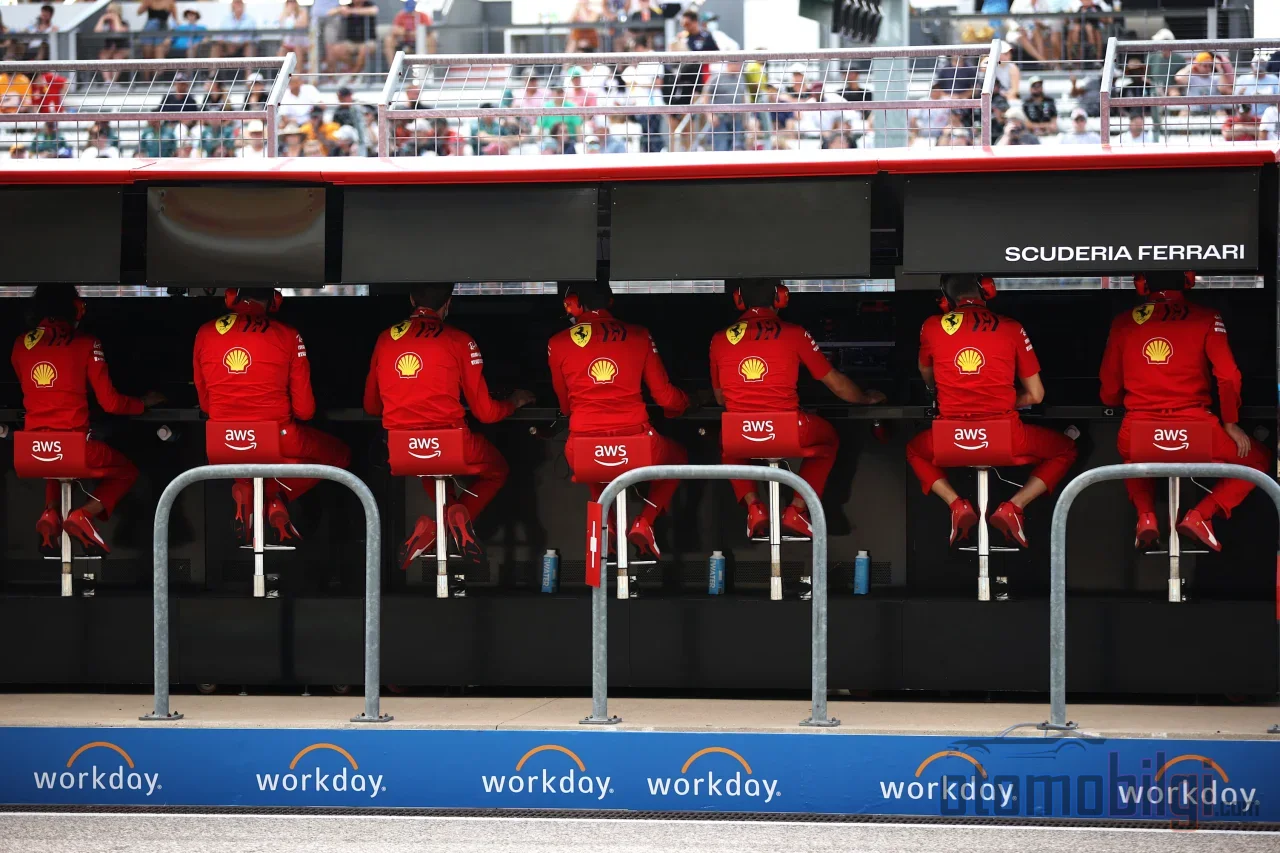
Just think about it: A young pilot speeding along at 300 km/h, steering wheel in hand, corners in his eyes, thousands of calculations in his head. So who is it that tells him what is happening in the world, from the outside, in a calm voice? The answer is simple and every bit as dramatic: his engineer on the pit wall. In F2 and F3, team radio goes far beyond the fun clips we see on television; it is the driver's most important external source of information. So what exactly does this voice do that makes it so vital? If you're ready, put on your headphones and let's tune in to the frequency.
One Chassis, One Voice: The Special Role of Radio in F2 and F3
In Formula 1, a driver has a massive army behind him: race engineer, performance engineer, strategy team, data analysts, dozens of people locked into their own areas of expertise. In F2 and F3, the picture is completely different. The team staff is so limited that the engineers have to do every job at the same time. Think of an F2 team like Carlin: team principal, team manager, technical director, mechanics, one data engineer and four engineers standing over the drivers. That's all.
So the real-time rival tracking, tire calculations and position updates that a large strategy team handles in Formula 1 are carried out in F2 and F3 by a single engineer over a single radio channel. The engineer is at the same time working on car setup, forming strategy, preparing for technical inspection, even looking after everything down to the driver's race line. As an F2 engineer has described it, engineering here covers everything from reducing friction to race planning.
Highlights
- In F2 and F3, strategy, tires and rival tracking are entrusted to the voice of a single engineer
- The sprint race grid is formed by reversing the top 10 of qualifying
- The famous radio instruction for speed given to Jehan Daruvala at Silverstone in 2020 was watched more than 100,000 times
- The FIA has banned the transmission of information such as tire pressure and brake temperature over the radio
- Behind the published clips there are longer conversations of four or five parts
What's Going On Over the Radio? The Flow of Information from the Pit Wall
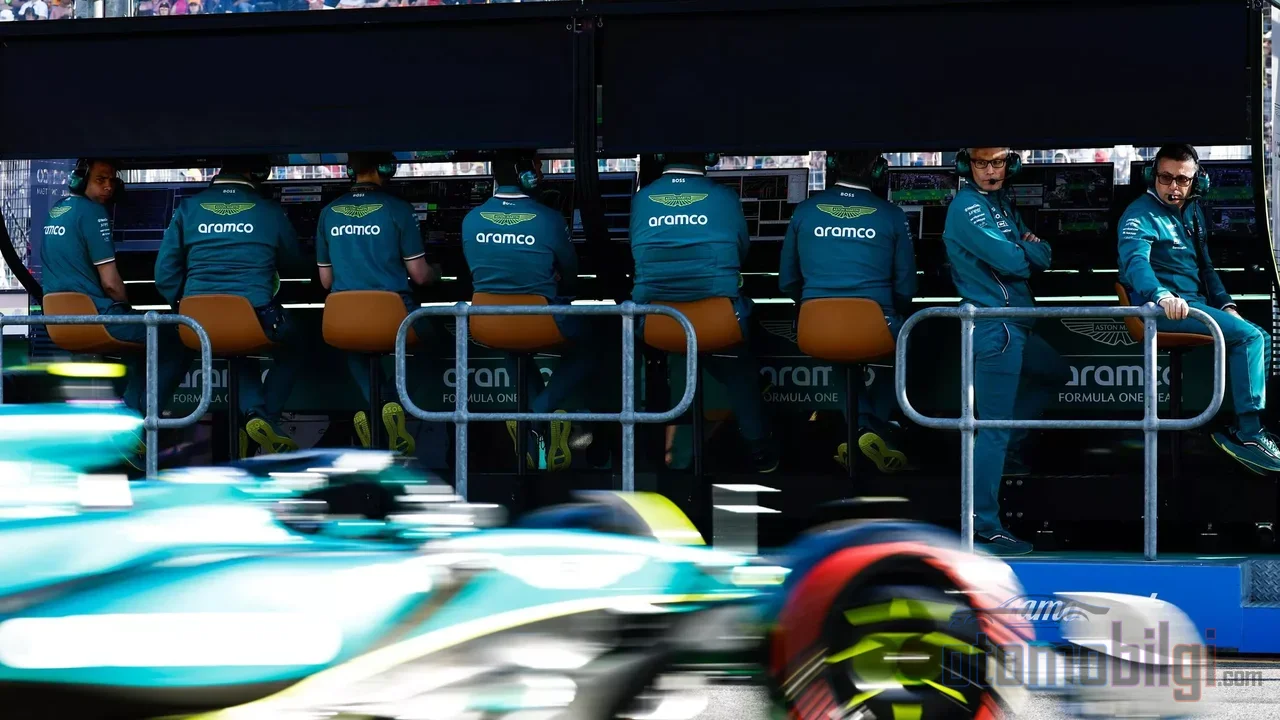
So what exactly does that microphone carry? The pit wall is the headquarters where strategists, engineers and the team principal work together during the race. While the team there watches car data on screens, the radio channel works like a two-way information highway.
The messages going from engineer to driver are roughly these: pit stop calls, lap times targeted at tire recovery, the positions of rival drivers, DRS and yellow flag warnings, strategy changes. What goes from driver to engineer, meanwhile, are grip levels, how the tires feel and the overall condition of the car. In other words, the radio is a channel that whispers into the driver's ear the whole race that he cannot see from his seat.
On the Formula 1 side, we know these messages are deliberately kept short: the driver has so much to do in the car that not distracting his focus is essential. The same logic applies to F2 and F3. Clear, short, understandable instructions are worth their weight in gold; because an 18-year-old pilot entering a DRS zone doesn't want to listen to a motivational pep talk.
Tire Wear and DRS: Fine-Tuning the Radio
Tire Management Runs on Voice
In series with a single chassis and a single tire supplier, the winner is often not the fastest, but the driver who manages their tires best. Strategists monitor tire performance, degradation rates, temperature and rivals' behavior minute by minute, and relay pit stop decisions over the radio. The driver also feeds back the feel under their foot. Without this two-way flow, tire management is like shooting blind.
The Line FIA Has Drawn
But not everything can be said. The FIA has restricted certain types of messages in radio communication: performance-related information such as tire pressure and temperature, brake wear and temperature is banned from a stage set before the race. This means the driver must manage the tire's condition with their own perception, their own feel. In other words, the engineer guides, but the real judge of the tire is the young one in the cockpit.
This balance is not automatically established at all. The FIA has at times pursued cutting communication from the pit to the car even further, banning all performance-related conversations; but more radical restriction plans were abandoned. The revised driver-engineer radio rules of 2022 drew different reactions among the teams. The 2026 F1 Sporting Regulations define the voice radio communication system along with its components. The regulatory framework is constantly evolving, but one thing has never changed: the voice itself is priceless.
Reverse Grid and Sprint Format: The Wind That Complicates Communication
Now here's the really exciting part! In F2 and F3, the race weekend consists of two legs, and this format turns the radio from an ordinary information line into a genuine survival tool.
The sprint race grid is determined by reversing the top 10 from Friday's qualifying laps. In other words, the driver at the top of qualifying starts 10th in the sprint. and the driver in 10th place is at the front. The Feature race, on the other hand, is shaped according to the classic qualifying order. This means two completely different scenarios every weekend.
Now picture yourself in a reverse grid: if you're fast, you start at the back and have to work your way through traffic. A new rival in every corner, a new risk on every straight. And this is exactly where the engineer's voice comes into play. Which rival is on which tire, who will get DRS when, which lap does the pit window open? The driver can't see all of this. The scenario of fast but back-of-the-grid sprint starters moving forward puts rival tracking and real-time position updates via radio at the center of strategy.
An interesting aside: The F1 world also wants to grow the sprint format. F1 management is holding talks with the teams about increasing the number of sprints to two and putting the reverse grid on the agenda from 2027 onwards. And who is the model cited as a reference in these discussions? Of course F2 and F3. The format that junior series have run flawlessly for years is now inspiring the pinnacle of motorsport. A similar practice exists in F1 Academy as well: the top eight in the standings are reversed, and the driver in eighth place starts the race from first.
Trust: The Real Fuel Behind the Radio
There is also a human side to all this, and in my opinion that is the best part. As one F2 engineer put it, drivers have to trust their engineers one hundred percent; if you lose that trust, everything is over. So how is this trust built? When an engineer's calls prove correct a few times, the pilot becomes fully committed. Give the right lap time target, make the right pit call, pass on the right rival information: trust builds lap by lap.
The challenge in F2 and F3 is this: young drivers move between series and teams very quickly. For building trust there is not always a full season - sometimes not even a weekend. First impressions determine everything. Because engineers know this, they walk the track with the drivers before practice and qualifying, explaining a detailed race plan. They start with a single plan and develop it throughout the weekend; neither with a plan that is completely set in stone, nor with a completely fluid approach.
The Truth Behind the Published Clips
Does anyone remember the 2020 Silverstone Sprint Race? On lap 18, Jehan Daruvala asked his engineer for an update on the race, and the answer he got was that famous instruction of pace that was watched more than 100,000 times on social media. Fun, isn't it? But the part we don't see is the real story.
According to that engineer, before every clip that gets published there was a longer conversation of four or five parts. Sometimes you have to shout, sometimes you have to hug; what matters is figuring out what is needed in that moment. During long race weekends, fatigue and stress can strain communication, and nerves can wear thin. The radio is also a channel that carries people's emotions. F2 regularly shares these clips on social media; but the moments with media value are just the tip of the iceberg.
So Why Is Team Radio So Vital?
Let's wrap it up, because you deserve a clear answer to the question. In F2 and F3, team radio is the single channel through which one engineer, working with a limited crew, carries strategy, tire management and rival tracking into the driver's ear. The reversed-grid sprint format makes this flow of information critical every weekend, the FIA's restrictions increase the responsibility placed on the driver's own judgment, and trust is the foundation on which everything else is built. So in these series, speed alone is not enough; behind that speed, a single calm voice speaking with the right information is essential.
Next time you watch an F2 or F3 race, pay attention to those silences during overtakes and the engineer's short sentences. In that moment, far more may be reaching the driver than what thousands of fans on the other side of the world hear.
Sources
- Engineers are a vital cog in the Formula 2 machine
- FAQ - FIA Formula 2
- The beginner's guide to Formula 2
- How Race Strategy Works In Formula 1
- Bulls' Guide To: Team Radio
- F1 Pit Wall Communication: Key Roles Explained
- How F1 Team Radio Works: Who Drivers Talk To
- FIA clarifies radio transmission restrictions
- Mixed reactions as FIA introduces revised radio rules
- Domenicali moots reversed grids in F1 sprint race expansion plan