How Does the Height and Weight Disadvantage Work in F2 and F3?
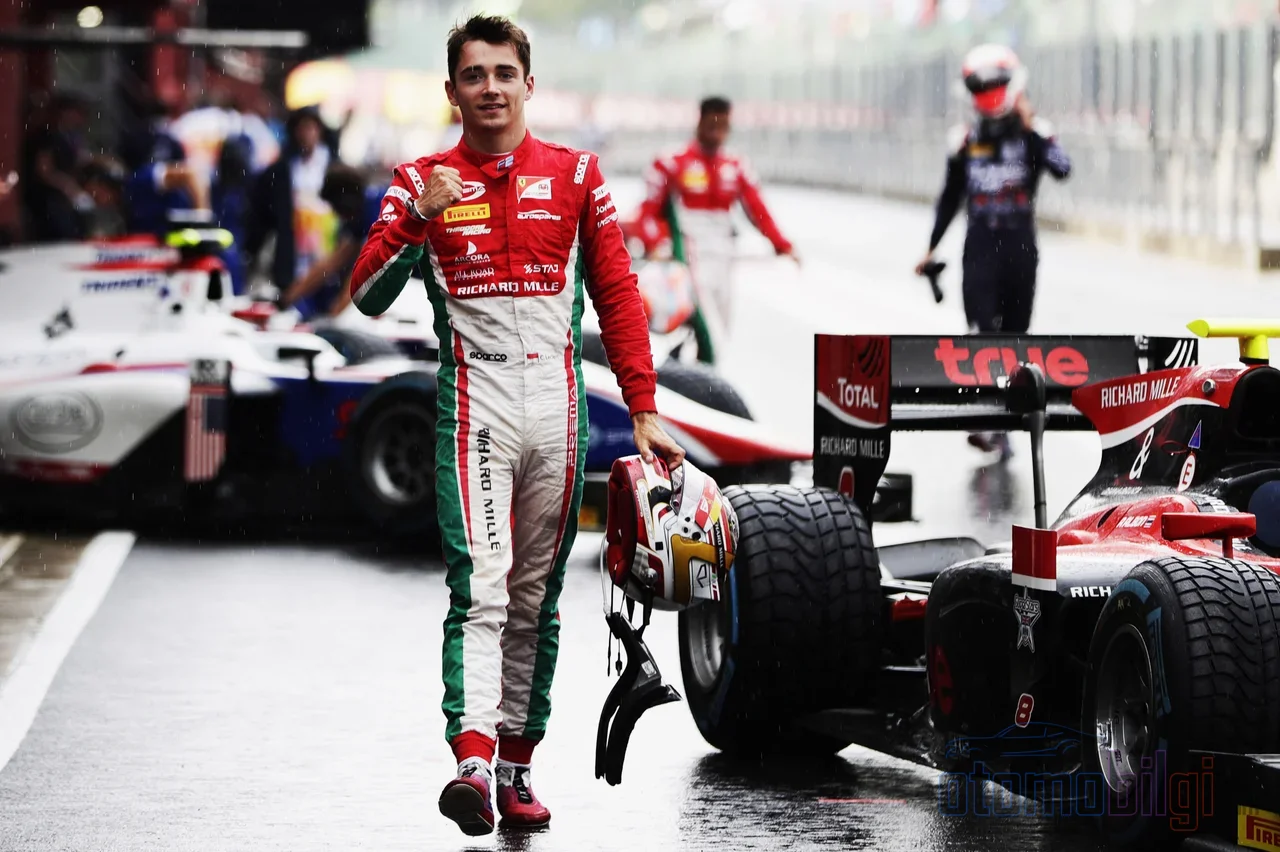
Let's consider two pilots entering Formula 2 and Formula 3 through the same door: one is 1.65 m tall, the other over 1.90 m. Both sit in the same Dallara chassis, use the same Mecachrome engine, and take the same corner on the same tires. But things change the moment they get into the car: the tall pilot's legs and torso settle into the cockpit as extra weight and a poor weight distribution. The short pilot, meanwhile, turns his weight deficit into an advantage thanks to ballast added to the cockpit, which can be positioned as desired. So how much does the minimum weight rule in F2 and F3 cost the tall pilot in this picture? On this page, we solve the answer to this question step by step by looking at how the rule works.
How Does the Minimum Weight Rule Work?
The logic of the rule is simple, but its consequences are painfully complex. A Formula 2 car has a minimum mass of 795 kg including the pilot; in other words, the car and pilot are weighed as a single unit. When the pilot falls below this total, the missing weight is made up with ballast plates placed inside the cockpit. Formula 1 has had a similar arrangement since 2019: the pilot is weighed together with the seat and equipment, and a pilot under 80 kg is brought up to this level with ballast. Moreover, in F1 even the location of this ballast is defined by the rules: it must be between the front and rear limits of the cockpit opening template, securely fixed to the survival cell and sealed.
Now here is the twist: every car already reaches the minimum weight by adding ballast. The short and light pilot gets more ballast added, and can use it by placing it at the most ideal point to balance the car's weight distribution. The heavy pilot, on the other hand, can barely use any ballast quota at all; because his weight is already at or above the limit. In other words, the light pilot's biological advantage turns into a technical setup advantage. In F1, the difference between the lightest and heaviest pilot could reach as much as 17 kg in 2018; it is said that today the difference between Yuki Tsunoda and Nico Hulkenberg is around 20 kg. In 2025, F1 tried to narrow this gap by raising the minimum pilot weight from 80 kg to 82 kg.
Highlights
- An F2 car has a minimum mass of 795 kg including the pilot.
- In F1, the difference between the lightest and heaviest pilot is measured in the range of 17-20 kg.
- Tall pilots complain of losses of up to about half a second per lap.
- WEC switched to a compensation ballast system with an 82 kg reference weight in 2025.
- F2 will keep the current Dallara chassis in the 2027-2029 seasons.
Why Is Weight Distribution So Critical?
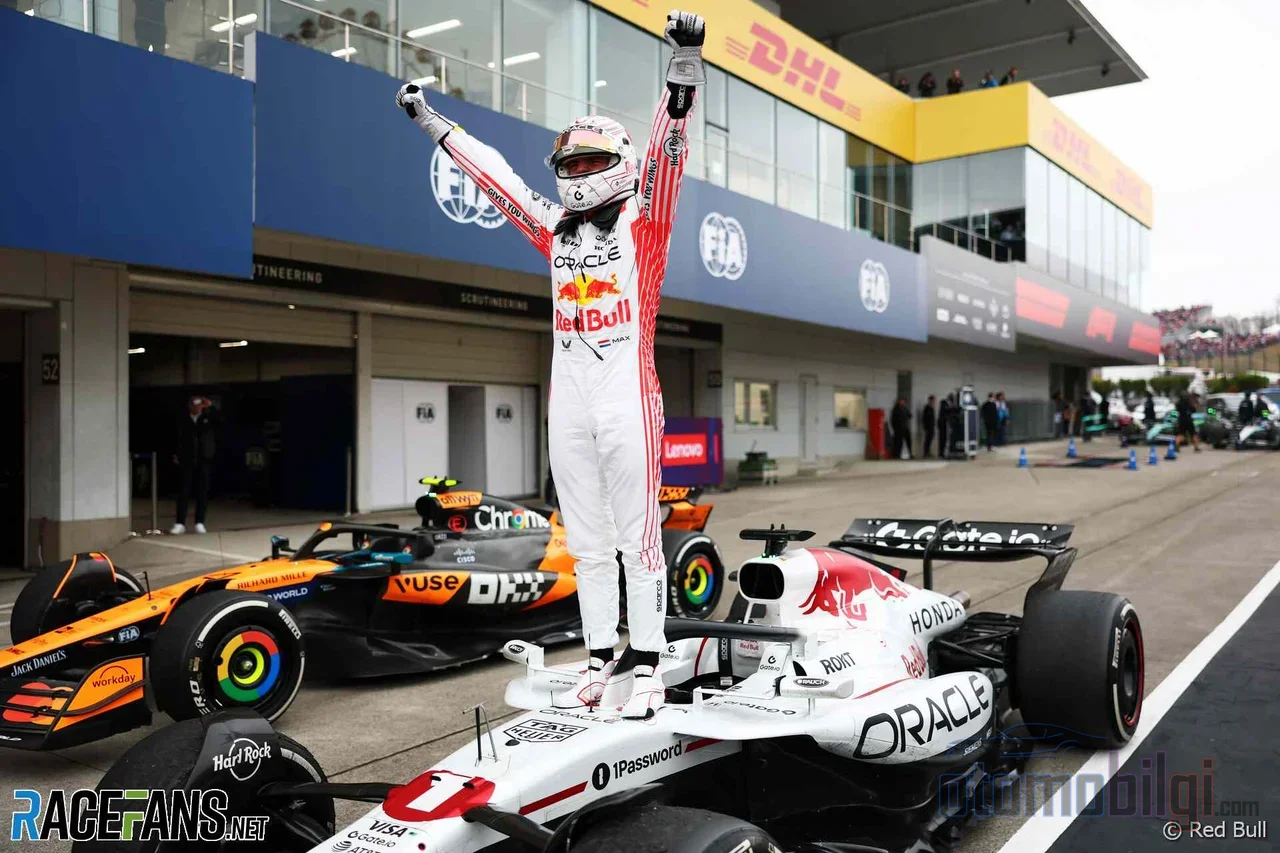
In a race car, weight is not just a number; where that weight is concentrated in the car directly affects balance, traction, tire wear, the pilot's feel through the steering wheel, and therefore lap time. The rule is roughly this: weight is inertia, and for the car to go where you want, the tires have to work harder. In medium and high-speed corners, the lighter car sets a faster lap; as a general rule of thumb, a 1% reduction in weight can yield roughly a 0.2-second improvement in lap time, depending on the track layout.
And this is exactly where the tall driver's problem begins. Long legs put mass toward the front, while a long torso spread across the cockpit distributes mass along the car's centerline. A short driver's mass, on the other hand, is packed into a small volume close to the rear, and on top of that comes ballast that can be placed wherever needed. The result: the same car shows two different balance characteristics with two different drivers. While engineers try to set the weight distribution at the optimum point, the room for maneuver is far narrower for a tall driver.
The Dallara Chassis and Cockpit Adaptations
F2 and F3 cars are carbon monocoque chassis built by Dallara. The F2 car is 5285 mm long and 1900 mm wide; the engine is a 3.4-liter V6 single-turbocharged Mecachrome producing 620 HP at 8750 rpm. F2 will keep this chassis for the 2027-2029 seasons as well; only the front and rear wings were redesigned. So the tall drivers' struggle to fit into the cockpit will not change with the new-generation car either.
For a tall driver, the seat and pedal layout is a serious engineering matter. Although it might seem that long legs make reaching the pedal box easy, the muscle mass required for back health may simply not physically fit in the cockpit. Drivers known for their height above 1.90 m know this dilemma well: the back needs muscle to be resilient, but muscle means weight. For this reason, some tall drivers prefer cardio-focused training over weight training: swimming, running, cycling, boxing. Forgoing excess muscle mass is the only way to make peace with the weight limit.
How Many Seconds Does the Disadvantage Cost?
Let's look at the numbers, because figures are the backbone of this debate. Julian Hanses, at 1.91 m tall, says that ten kilograms usually cost about a tenth of a second, but in long races like Le Mans it is at least three tenths. In endurance racing, a 10 kg difference between teams translates to roughly two minutes over 24 hours; the margin of the last three Le Mans winners was below that figure. Alexander Wurz explains that in his second F1 year he was 8-10 kg heavier than his teammate Giancarlo Fisichella, which meant an average slowdown of two tenths per lap.
In the sprint-format F2 and F3 races, this loss works somewhat differently: the gap that can be accumulated in a single race is limited, but two tenths in qualifying means several grid positions, and in these series every position is points and a reference for the next season. In the winter of 2023-24, one driver went so far to lose weight that he was hospitalized due to malnutrition. The story of tall drivers is not only about lap times; it is a career battle to be fought with their own bodies.
How Are the Series Dealing with This Imbalance?
Outside Formula 1, there are examples of approaches to this problem. IndyCar has long used a system called Driver Equivalency Weight: the combined weight of driver and ballast is completed to 185 pounds (approximately 83.9 kg); for drivers weighing above 185 pounds, an equal amount is deducted from the vehicle weight. This way, the heavier driver is not penalized.
WEC, meanwhile, introduced a compensation ballast system for the Hypercar class starting from the 2025 season, based on a reference crew weight of 82 kg per driver. The logic of the system is as follows: the average weight of the three drivers is calculated, and if it is below 82 kg, the difference is rounded up and added as ballast; for crews far below the threshold, negative compensation is limited to a maximum of 5 kg. Max Verstappen believes that a long-standing request of F1 drivers has found a response in sports cars: a driver weighing 80 kilograms and one weighing 55-60 kilograms can never compete on fair terms in the same race; this difference means a few tenths per lap in a race like Le Mans.
What Do the Opponents of the Rule Say?
The criticisms are not absent either. Some argue that every sport involves a natural physical advantage: being tall is an advantage in basketball, boxing is divided into its own weight classes, and the petite physique of jockeys is an advantage. According to this view, the weight rule in Formula series is an artificial intervention in life's natural unfairness. The opposing side points to this point: the natural advantage of a short driver turns into a technical superiority with the right to freely position the ballast, and this is completely different from a physical difference in athletics. The goal is to ensure that talent comes from the widest possible driver pool, not just from the lightest and shortest ten percent.
There have also been periods in history when this rule was abused. In weigh-ins before the 1995 season, some drivers weighed in noticeably heavier; the most striking example was Michael Schumacher weighing 8 kg more than at the end of the previous season and returning to his old weight after the first race. Today's regulations are designed to prevent such games by allowing the FIA technical delegate to conduct a re-weighing at any moment.
What Do the Drivers Think?
The parties involved in the matter are the drivers themselves. Louis Delétraz, despite being on the short drivers' side, believes no one should be penalized solely for being tall or heavy, and sees the new systems as a step in the right direction. George Russell also argues that the situation is quite unfair for friends who fall on the heavier side of the weight difference. On the endurance side, Norman Nato states that he is 15 kg heavier than some of his rivals, helmet included, and that this means almost half a second per lap on a track like Le Mans; James Calado also believes that a 10-20 kilogram difference corresponds to half a second. Alexander Wurz, meanwhile, explained that his team banned weight difference explanations because he wanted to prove he was as competitive as his teammate.
So the Result: Why Are Tall Drivers at a Disadvantage in F2 and F3?
The short answer is this: every pilot below the minimum weight can carry their missing kilos as ballast wherever they want, while a tall pilot never gets this flexibility; their weight and body geometry worsen the weight distribution, the muscles needed for back health make them even heavier, and a loss of two or three tenths per lap costs them grid positions in the short term and career choices in the long term. Since F2 and F3 are the most critical rungs of the ladder to F1, this disadvantage is not just a matter of racing, but a matter of career destiny.
Formula 1 raised the limit to 82 kg in 2025, WEC switched to compensation ballast, and IndyCar has been using its own equalization system for years. On the F2 and F3 side, while car masses and the Dallara chassis remain fixed, regulations concerning pilot physique are progressing more slowly. This invisible battle a tall young driver wages with their own body on the road from karting to F1 is perhaps the series' least-discussed competitive balance question. If it were you, would you accept a driver losing the race in advance because of the weight of two pilots in the same car?
Sources
- How F1 will cut shorter drivers' weight advantage in 2019
- New rule Verstappen and F1 rivals called for introduced in sportscars
- WEC D13 Compensation ballast decision
- 24 Hours of Le Mans drivers weigh in on the new ballast system
- F2 car and engine
- FIA Formula 2 unveils its new car for the 2027-2029 seasons
- Formula 1 vs Formula 2 vs Formula 3 comparison
- Weight Distribution in Formula 1 Car Setup