How Does a Synchromesh Ensure Smooth Gear Shifting?
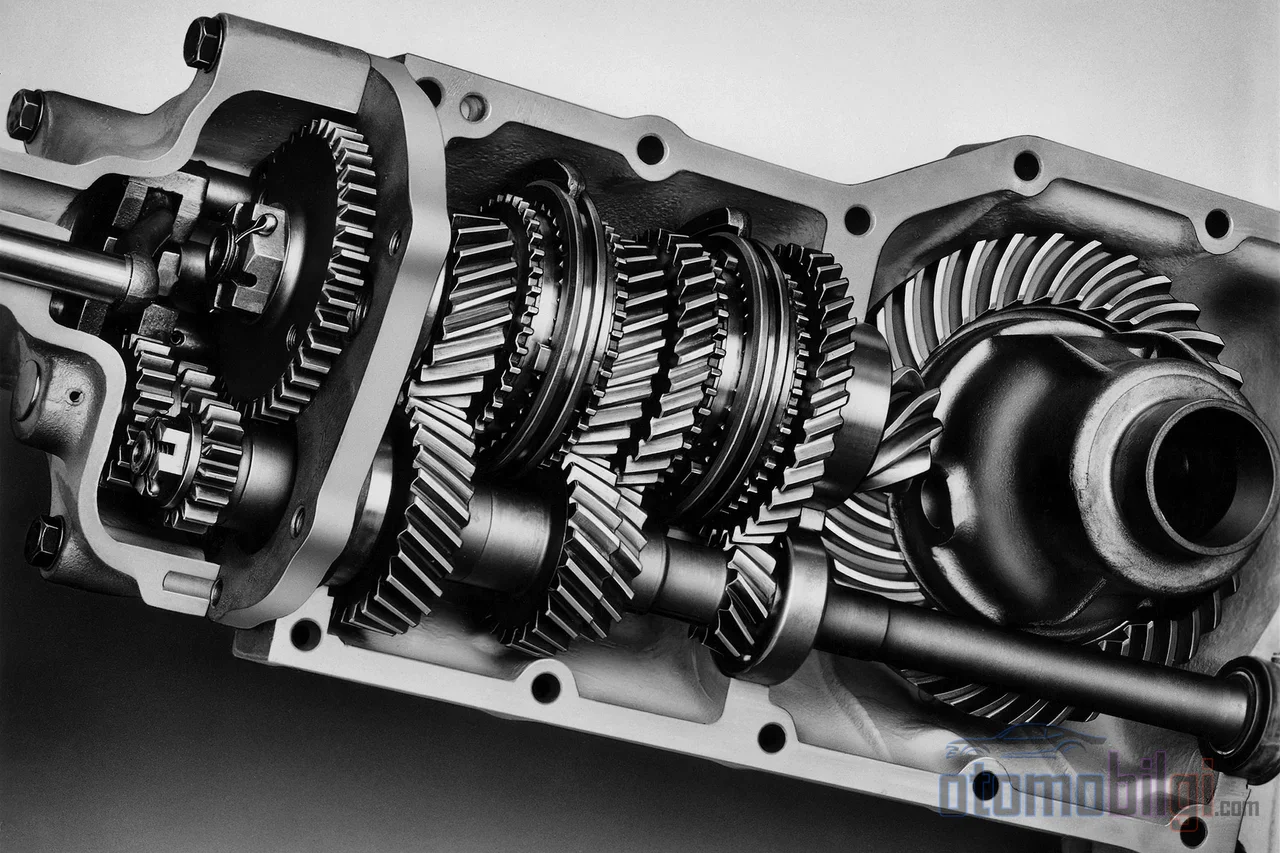
In a manual transmission, you might think that the gears lock together when you push the shift lever; but in reality, at that very moment, within milliseconds, two metal masses spinning at different speeds are brought close together and are only allowed to meet once their speeds are equalized. The part that does this is the synchromesh (synchronizer) ring, whose name most drivers have never even heard. That slight resistance at the tip of the lever, the "clicking into gear" feel of the shift, and the stiffness in second gear especially on cold mornings - all of these are directly related to the operation of this ring.
Understanding how the synchromesh ring works explains both why a gear change sometimes settles in with a satisfying click and why it sometimes grinds. On this page, we will cover the components of the synchronizer assembly, the step-by-step physics of the moment of gear engagement, and the symptoms caused by a worn synchromesh.
What Is a Synchromesh and What Does It Do in the Transmission?
The name "synchromesh" comes from the fact that two gears with different rotational speeds are synchronized by friction force during a gear change. The synchronizer is a system that adjusts shaft speeds and aligns the gears when shifting; this allows the slider to enter the gear dog teeth of the next gear smoothly.
The main component is the synchronizer ring, which is usually made of brass. In function, this ring acts as a kind of friction clutch: by providing friction on the cone of the speed gear, it slows down or speeds up that gear and brings it to the speed of the shaft it is connected to. The logic is simple - gears can only lock tooth to tooth, without collision, when rotating at the same speed.
Key Highlights
- The synchromesh ring is a brass part that equalizes the speed of two gears through friction during a gear change.
- A synchronizer assembly consists of three basic components: the slider, the springs/balls/inserts, and the blocker rings.
- Multi-cone designs offer more friction surface, enabling faster gear changes.
- A repeated grinding noise in a single gear is the most obvious sign of synchronizer wear.
- Reverse gear is not synchronized in most transmissions; that is why the grinding noise is normal.
Components of the Synchronizer Assembly
Every synchronizer assembly consists of three basic parts:
- Slider (shift sleeve): The part that receives the axial movement from the shift lever and completes the locking by sliding over the gears.
- Springs, balls, or inserts: Intermediate elements that vary depending on the design and transmit the pressure from the slider to the blocker ring.
- Blocker (baulk) rings: Friction rings, typically made of brass, that achieve speed equalization by pressing against the gear cone.
At the center of the assembly there is also a hub, connected to the shaft it sits on via internal splines; the slider also moves over this hub. There are multiple synchronizer assemblies depending on the number of forward gears in the transmission. In most manual transmissions, the gears are located on the output shaft and mesh with the gears on the driveshaft; when a gear is engaged, the slider slides over the teeth of the gear wheel, locks onto the gear's output shaft, and the power flow from the engine to the wheels is completed.
What Actually Happens When a Gear Engages? The Step-by-Step Process
The moment you push the gear lever, a five-stage chain works inside the gearbox, completed in a fraction of a second:
- The slider applies pressure to the synchronizer keys or balls; these push the blocking ring.
- The blocking ring is pressed against the cone of the gear wheel; the friction on the cone equalizes the speeds of the two shafts.
- When the speeds are equalized, the keys and grooves on the blocking ring align.
- The slider teeth mesh with the teeth on the outer diameter of the blocking ring.
- The teeth on the blocking ring act as an alignment ramp, ensuring the slider fully meshes with the gear teeth.
The critical point here is the sequence: the slider can only approach the gear after the speeds have been equalized. The blocking ring physically prevents the slider from entering the gear too early while a speed difference persists - that brief resistance you feel on the gear lever is exactly this. When the lever is released or the equalization is complete, the resistance disappears and the gear settles into place.
How Does Friction Equalize Speed?
In a blocking-type synchronizer, the axial force of the sleeve presses the friction ring against the gear cone. The cone torque gradually reduces the relative rotational speed. The cone's expanding geometry creates a friction surface that grows as the pressing force increases; thus the gear is either accelerated or slowed down as needed. This is a very small-scale analog of the logic by which the clutch matches the engine and transmission at startup.
Multi-Cone Synchronizers
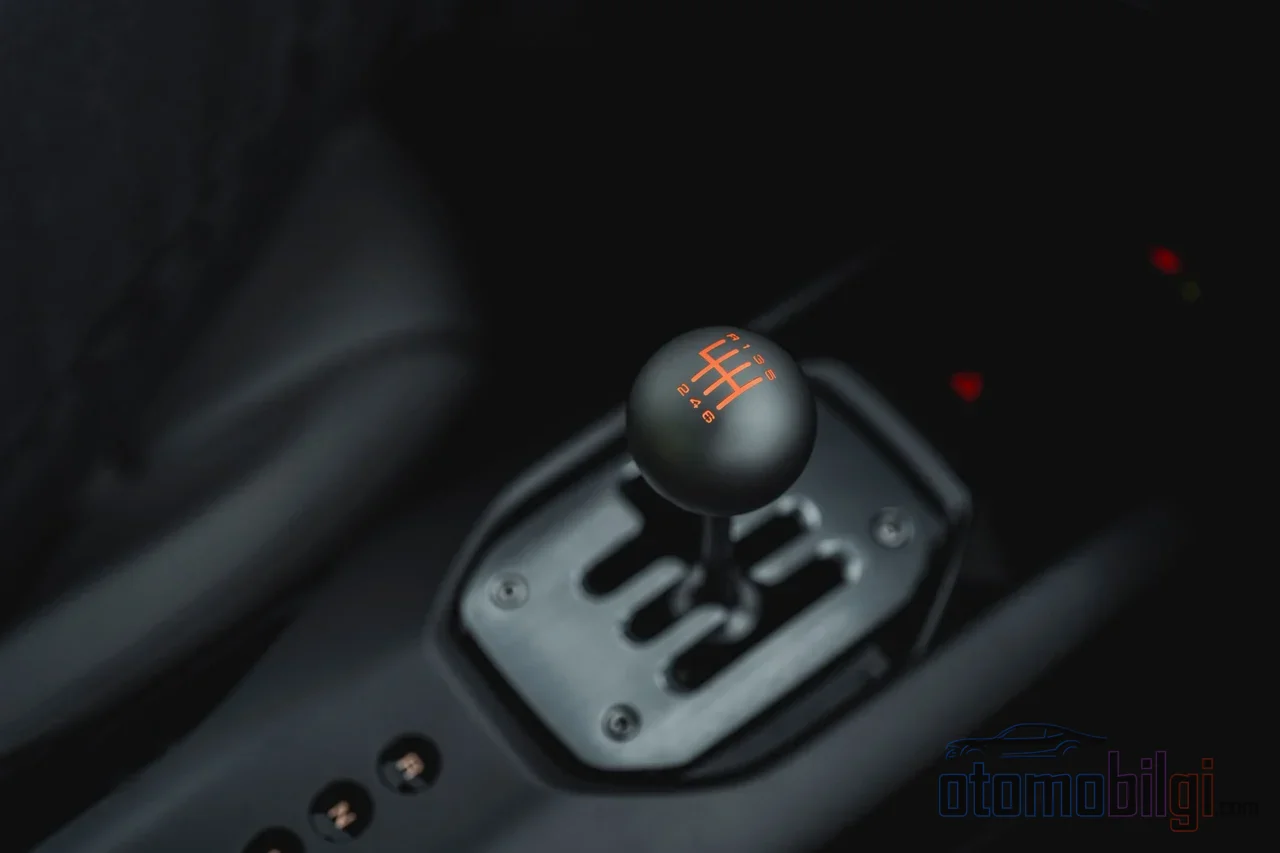
An improved version of the standard single-cone design is the multi-cone synchronizer. Used in performance-oriented 6-speed gearboxes, these designs offer multiple friction surfaces instead of a single cone. The result is measurably faster gear shifts and reliable synchronization at higher rev ranges.
What If There Were No Synchromesh?
In "crash" type gearboxes without a synchromesh, the driver has to do the synchronization work themselves: while holding the clutch down, they must match engine revs to road speed with throttle control, often applying the double clutch technique. In a synchromesh gearbox this operation is not needed; the synchro rings perform the rev matching automatically.
The balance must also be completed: shifting gears in a gearbox without synchros is slower than in the synchronized version, but because their construction is simpler, they can be more durable under some usage conditions; synchronized manual gearboxes, on the other hand, are more prone to failure. The synchromesh's verdict in daily use is clear: smoother gear transitions, less gear clashing and noise, better driving quality, and longer component life.
Signs of a Worn Synchromesh
The brass ring is also a friction part; it wears out over its lifetime. Wear symptoms usually start small and only appear under demanding conditions - cold oil, quick shifts, high revs. The most frequently observed symptoms:
- A recurring grinding (rasping) noise during gear changes - the teeth collide because the ring cannot equalize speeds
- Hard shifting, with a notched, stiff feel in the shift lever
- The gear popping out into neutral on its own
- Delayed gear engagement, requiring a pause for the lever to seat into place
The most distinguishing clue in diagnosis is the distribution: if the grinding noise occurs in only a single gear and diminishes with slower, more careful shifts, this points to synchronizer wear. However, hard shifting does not always indicate the synchro - low or contaminated transmission oil can also cause the same complaint; oil viscosity and maintenance condition must definitely be taken into account in the diagnosis. The technician must base the diagnosis on verification, not assumption.
Why Does Reverse Gear Grind?
It is a classic question, the moment most drivers first meet the synchro: the sound that comes when shifting into reverse. The answer is structural - reverse gear does not use a synchronizer in most transmissions. For the gear teeth to mesh smoothly, their rotation must come to a complete stop; otherwise, a grinding noise is inevitable.
The sound usually stems from the driver pushing the shift lever into reverse without listening to the inertia on the clutch side. Alternative causes include internal components not slowing down enough before the shift, or the clutch not fully disengaging. So reverse gear grinding does not mean a synchro failure; a patient wait of a second or two usually solves the problem.
Short Answer: How Does the Synchro Smooth Gear Changes?
In summary: the synchronizer ring equalizes gears rotating at different speeds during a gear change through friction against the gear cone of the brass ring, and by allowing the slider to enter the gears only once the speeds are equalized, it ensures the gear seats smoothly, without collision. When this friction component wears, equalization is delayed or cannot be completed, and the result is hard gear changes announced by a grinding noise.
On the repair side, variability is high: the ring itself is a relatively low-cost part, but since it requires the transmission to be removed and opened, it is a labor-heavy intervention; as the condition progresses, the total cost can extend all the way to a complete transmission replacement. That is why early diagnosis - taking a recurring grinding noise in a single gear seriously - is the most sensible engineering decision both for your wallet and for transmission life.