How Does Tesla's Robotaxi Service Work Without a Driver?
Just think about it: On the streets of Austin, a Model Y with nobody inside calls you from the app and shows up at your door. No one at the wheel, no safety attendant in the front seat. Sounds like science fiction, doesn't it? Yet this is a service that has actually been operating in Texas as of November 2026. But here's the really interesting part: Tesla's robotaxi operation is structurally a completely different thing from the Full Self-Driving (FSD) package most of us know and that famous highway driving assistance. So how is a driverless robotaxi summoned, how does it find its way without lidar, and is there really no one in the back? Let's break it down layer by layer.
How Is the Robotaxi Summoned? The Full Process of Riding via the App
Don't object just because the system looks familiar: the process isn't all that different from a familiar taxi app. You log into the Tesla Robotaxi app with your Tesla account, choose a pickup point within the approved service area, and the vehicle arrives. Route changes are also made through the app. In other words, there's no haggling with the driver, no reaching for the wheel or anything like that; everything is done on the screen. Pricing works as an affordable fare within the service zone plus taxes and fees.
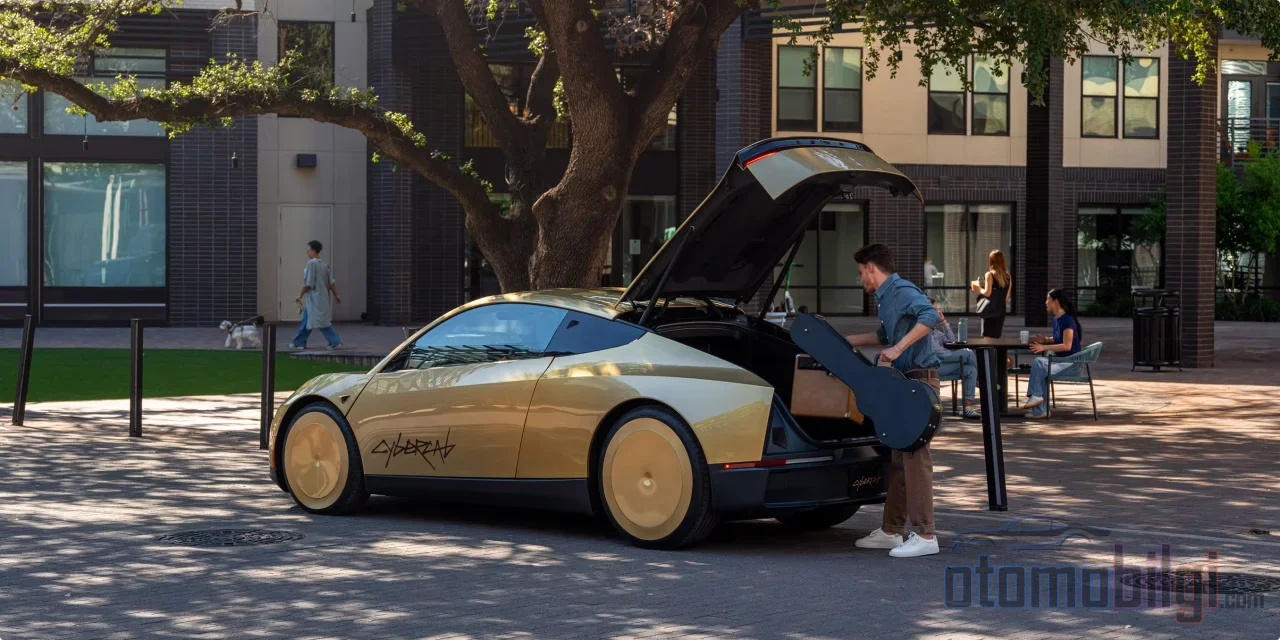
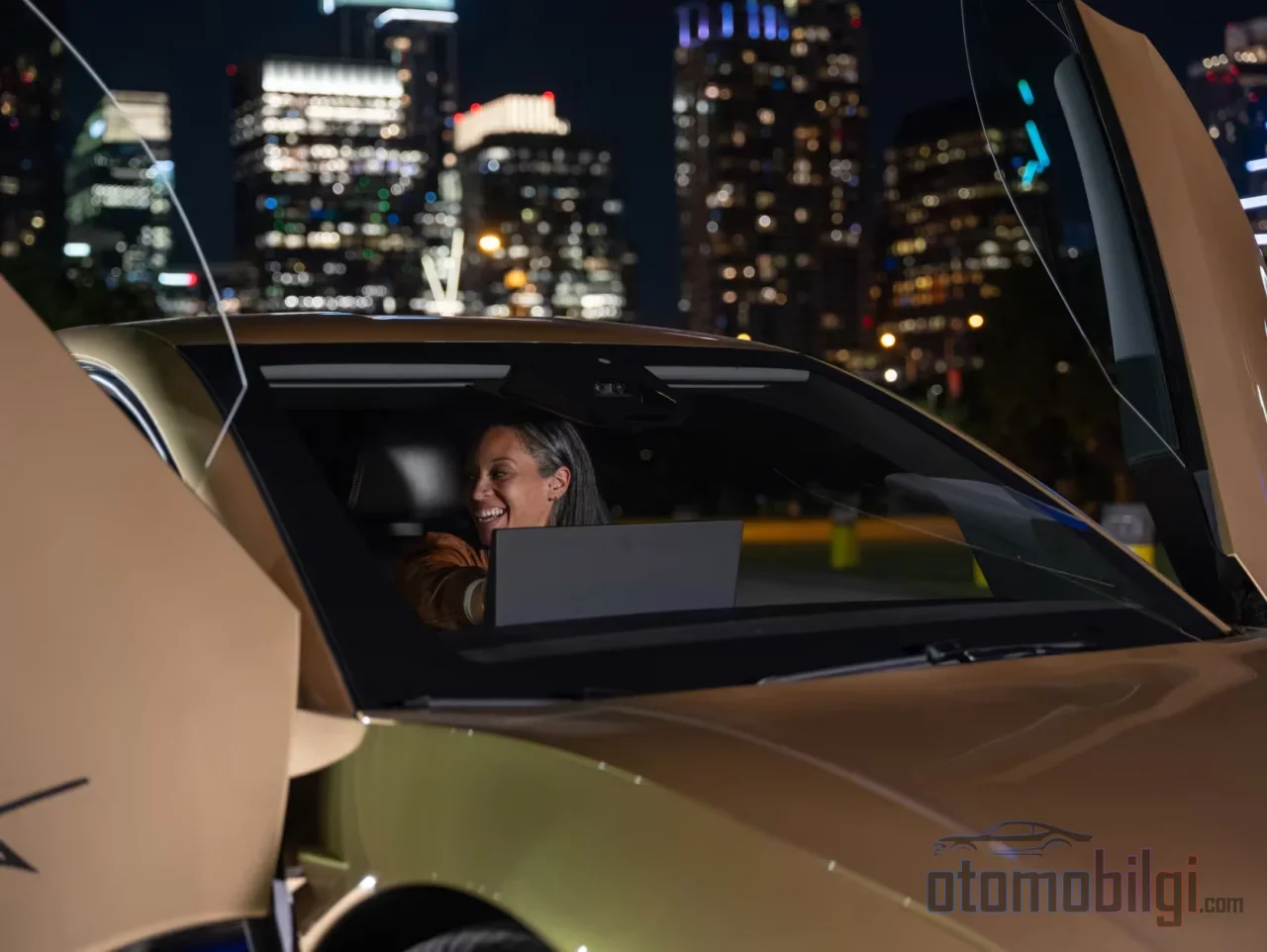
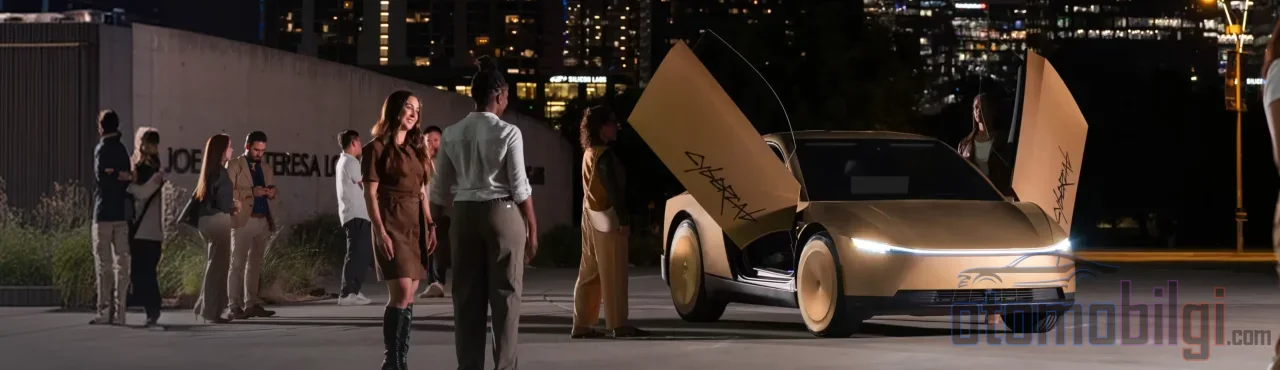
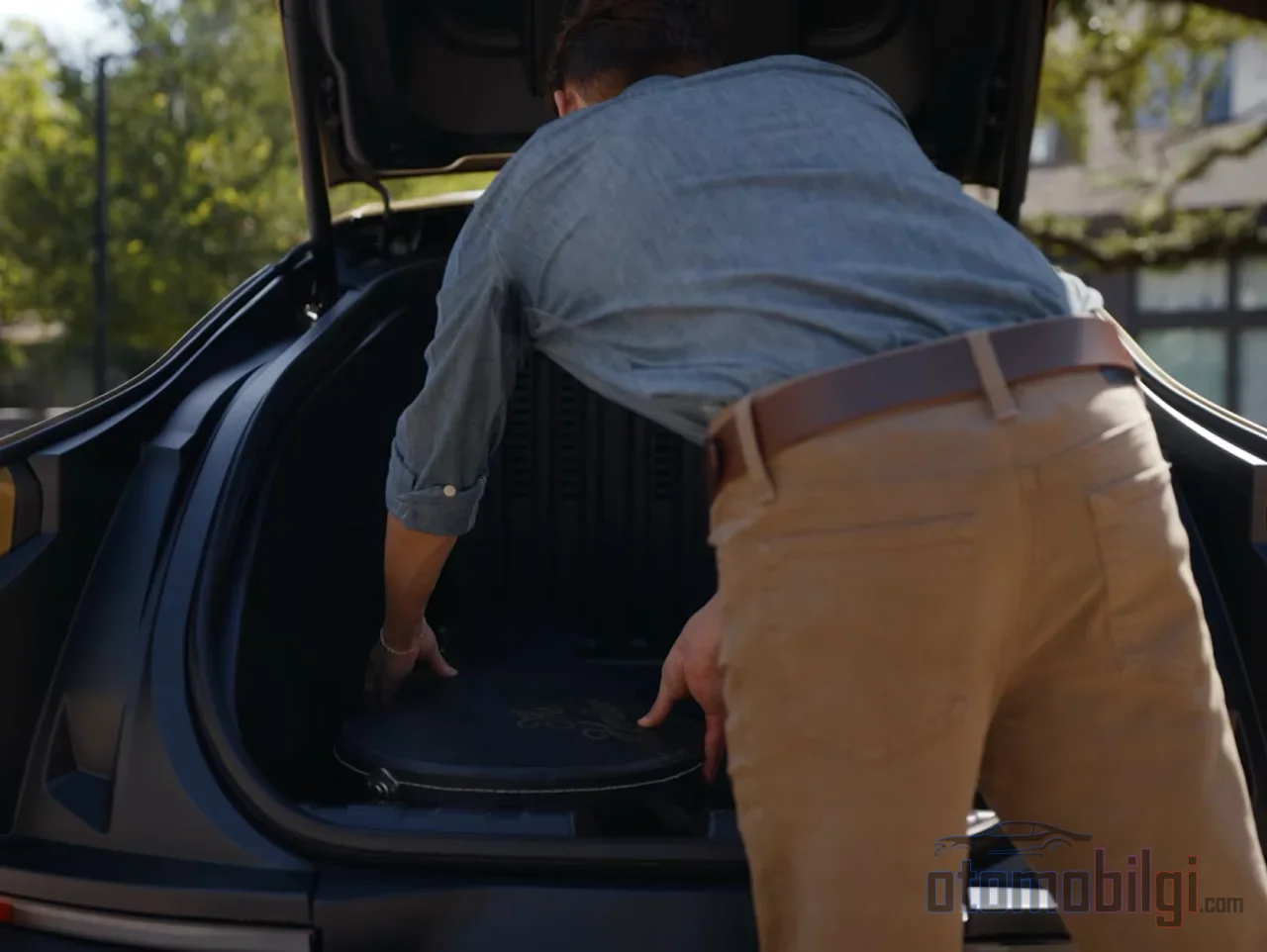
And the vehicle that arrives isn't the same every time. Depending on availability, the service sends you a Cybercab or a Model Y. The Cybercab is a two-seater vehicle designed for robotaxi use, without even a steering wheel or pedals; it hit the field with a launch event in Austin in early September 2026. Its interior has a bench-style seat suitable for two passengers; support for a foldable wheelchair, walker and cane is also offered. So every detail, from the design to the summoning experience, is built on the assumption of a service where the human driver is completely removed. But the beginning wasn't like that.
From the Attendant in the Front Seat to True Unsupervised Operation
Tesla launched this service in Austin in June 2025, but back then a safety attendant sat in the front seat of the vehicles; the first passengers were also a carefully selected group. Unsupervised testing began in December 2025, and on January 22, 2026, robotaxi rides without a safety attendant officially began in Austin. The plan outlined by Ashok Elluswamy, one of the leading figures of Tesla's AI team, was also gradual: a few unsupervised vehicles would be mixed into the fleet, and the ratio would increase over time.
Highlights
- The robotaxi service started in June 2025 with an attendant in the front seat and went unsupervised in Austin on January 22, 2026.
- The Austin service area reached approximately 440 square miles; nearly three times Waymo's area.
- In June 2026, the active unsupervised fleet was only about 20 vehicles.
- By November 2026, the service was 24/7 and in eight US cities.
- All Teslas have no lidar or radar; perception relies solely on eight cameras.
In the first unsupervised days there was an interesting detail: a chase car, i.e. a monitoring vehicle, followed the cars on the road, and these rides were paid from the start. If a comparison is needed: Zoox and Waymo did not charge fares in their early stages. A small but meaningful difference, isn't it? Tesla was commercial from day one.
Geofence, Operating Hours, and Actual Fleet Size
Here is where the promise and the reality come apart. Tesla's service area in Austin, i.e. its geofence, was initially 20 square miles. In March 2026 it grew to about 245 square miles, in June it covered the entire Austin metro, and with the latest expansion it reached roughly 440-443 square miles. In October 2026, ahead of the F1 United States Grand Prix, the Circuit of the Americas was also brought into the area. Impressive on paper; nearly three times Waymo's roughly 90-square-mile area in Austin.
But drawing a big box on a map is not the same thing as filling that box with vehicles. In March 2026, the number of driverless vehicles in operation was around 4-8 Model Ys; the total Austin fleet was about 37-42 vehicles, and the majority still carried safety monitors. When the service area expanded to the entire metro in June 2026, the active driverless fleet was only about 20 vehicles, and the number was trending downward. In Texas DMV records Tesla showed 42 registered vehicles in the state, while third-party tracking data showed about 21 driverless vehicles active. When the Android app launched in April 2026, roughly 40 vehicles were active in Austin, but only about a dozen were operating fully driverless.
Operating hours were expanded step by step as well: 16 hours a day in August 2026, 06:00-02:00 at the end of October, 21-hour service starting at 05:00 in Austin on November 8, and finally on November 12, 2026, 24/7 service in all eight US cities where the service is available. Driverless operation was initially confined to daylight hours only; switching to driverless operation in the evening counted as a separate milestone.
The Passenger Experience: Is It Always on the Way?
Let's be frank: the app is not always solid. During peak hours it can show a high-demand warning and turn users away; during crowded periods like SXSW the experience left many users unsatisfied, and wait times exceeding two hours were reported during peak hours. Tracking data from February 2026 showed that the Austin service was available during only 19 percent of operating hours in a 48-hour window, meaning it was unavailable 81 percent of the time. In other words, no matter how ambitious the technology is, if the vehicle is not there when you are at the door, the robotaxi loses its point.
No Lidar, Cameras Instead: How Does Tesla Vision Work?
Now let's get to the technical heart of the matter, because this is what makes Tesla's robotaxi different. All Tesla vehicles come without lidar, radar, and ultrasonic sensors; radar was removed in 2021 and ultrasonic sensors in 2022. Detection is done entirely with the camera-based Tesla Vision architecture, with eight cameras and, starting from the 2026 model year, the HW4 computer. Let's use an analogy from daily life: Waymo's approach is like a safety maniac that scans its surroundings with both its eyes, radar, and a distance-measuring lidar, and triple-checks everything. Tesla, on the other hand, works like a system that looks only with its eyes, meaning cameras, but is trained with an incredible amount of real-world driving data. Tesla's claim is this: a vision-based system trained with enough real-world data can surpass lidar-based systems.
The opposing camp approaches this theory with skepticism. Waymo's vehicles carry 29 cameras, five lidars and six radars, and the company's executives openly explain why camera-only autonomous driving falls short. Musk's view of lidar, however, is harsh: in his eyes, lidar is a fool's errand. The technical weak point is also there for all to see: rain, fog and sun glare affect the cameras and can disrupt the system's safe operation; it is known that NHTSA, the US traffic safety authority, has also raised questions with Tesla on this matter.
Remote Support Team: Truly Driverless Without Drivers?
Here is the key question. There is no one in the vehicle, yes. But there is a team behind it. Tesla employs remote operators in Austin and the Bay Area; these operators are subject to a DMV-required US driver's license and extensive background checks. So what do they do? The two incidents Tesla disclosed reveal the true face of this system: in one event, a safety officer requested remote assistance, and the teleoperator took control of the vehicle, increasing speed and turning left; the result was a crash. In Houston, a remote operator trying to get the vehicle out of a dead-end street hit a hidden obstacle; this was documented with NHTSA data. So a remote human can intervene in the vehicle, and this intervention sometimes ends in a crash.
For this reason, criticism from the industry is turning in this direction: Tesla's Cybercab robotaxi is probably not truly unsupervised. For comparison, executives at Waymo, Zoox and Aurora confirm that they no longer do full-time remote supervision. Tesla, for its part, defends its remote operator model on the grounds that it is better than Waymo's. You decide: if there is an operator who is not sitting in the seat but watching from a screen, does that vehicle count as driverless?
Tesla and Waymo: The Clash of Two Different Philosophies
| Criterion | Tesla Robotaxi | Waymo |
|---|---|---|
| Perception | 8 cameras (Tesla Vision) | 29 cameras, 5 lidars, 6 radars |
| Austin fleet | Approximately 20-42 vehicles | More than 100 vehicles (619 registered AVs) |
| Austin area | Approximately 440 square miles | Approximately 90 square miles |
| Scale (US) | 8 cities, 42 registered vehicles | More than 500,000 paid rides per week |
The numbers form the backbone of the story: Waymo operates with roughly 3,000 robotaxis across the US, provides 24/7 service fully driverless, without attendants or chase vehicles, in 10 cities, completed 15 million rides in 2025, and is targeting 1 million rides per week by the end of the year. A valuation of 126 billion dollars and 16 billion dollars of investment tell the story of the power behind it. It covers 90 square miles with more than 100 vehicles in Austin, and its passenger rating is 4.9 stars. On the Tesla front, the safety picture is more complicated: Since the Austin launch, 15 crashes have been reported to NHTSA, and according to current data the crash rate is roughly nine times worse than human drivers. Tesla's own data, on the other hand, shows the fleet delivers an 80% reduction in injury crashes and a 91% reduction in serious injury crashes; yet there are also claims that these data hide worse figures through adjustments. The two sides tell two different stories.
Level 2 or Level 4? What the Naming Debate Means
This is where the issue of the FSD naming comes into play. The Full Self-Driving package you can buy is technically a Level 2, i.e. a partial automation system; the responsibility lies with the driver at all times. Level 4 means automation that requires no human intervention under defined conditions; that is the goal of the robotaxi operation. Level 5, i.e. full autonomy in all conditions, is seen as a goal unlikely to be achieved in the coming decade. Here is where the debate lies: There are those who question how much of Tesla's robotaxi fleet is truly Level 4 in practice, and how much relies on remote human support. If we look at the promises, the picture becomes even clearer: In 2019 a million robotaxis were promised by 2020, in 2022 mass production was promised by 2024, and a target of 500 vehicles was set for Austin. What actually happened was about 42 vehicles. The assessment of former Uber CEO Travis Kalanick is also clear: Waymo is clearly ahead, and Tesla's vision-based approach needs a ChatGPT moment that has not yet arrived.
In summary: How Does the Driverless Service Work?
Let's give a brief and clear answer: Tesla's robotaxi service is requested via the Robotaxi app within the approved service area; the eight-camera Tesla Vision system performs detection without lidar, remote operators in Austin and the Bay Area can intervene when a vehicle gets into a difficult situation, and the service is now available 24/7 in eight cities with an expanding geofence. There is no driver in the seat, but a remote support network is reachable, even if not active at every moment. The gap between Tesla's ambitious promises and the fleet's actual size is still wide; the map is growing, but the number of vehicles lags far behind. So yes, this service is driverless; but it cannot be said to be fully independent of human support. The next big question is this: Will Tesla be able to capture that ChatGPT moment in its vision-based approach, or will Waymo's sensor fusion remain an insurmountable lead? Only time will tell; and we will keep watching.
Sources
- Robotaxi - Tesla (official)
- Tesla launches robotaxi rides in Austin with no human safety driver
- Tesla expands Robotaxi to entire Austin metro - but still has only ~20 vehicles
- Tesla expands unsupervised Robotaxi area in Austin with only a handful of cars
- Tesla reveals two Robotaxi crashes involving teleoperators
- Waymo CEO explains why Tesla's camera-only self-driving falls short
- Tesla Robotaxi now runs 24/7 in every city it serves
- Tesla Cybercab Robotaxi Launch In Austin
- Tesla Vision Explained
- SAE Levels of Driving Automation