How Does Using Your Car for Short Distances Every Morning Increase Fuel Consumption?
Share This Page
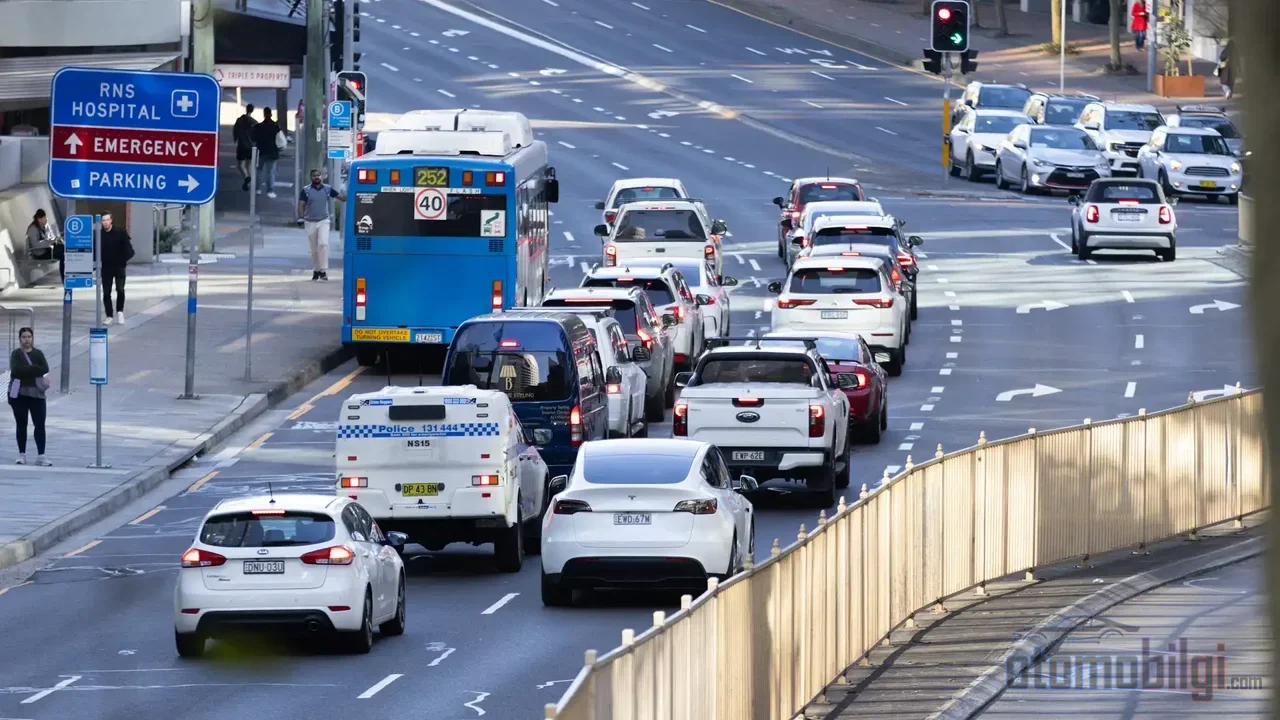
Short trips made with a cold engine push fuel consumption noticeably above normal; in gasoline vehicles, city driving sees efficiency loss climb to 15% as air temperature drops, and on very short 5-6 km trips it can reach as much as 24%. There is no single reason for this: a cold engine runs on a rich mixture, the oil has not yet reached critical surfaces, and the catalytic converter does not clean the exhaust until it warms up. From the engine's own perspective, the most critical window is the first 5-30 seconds after start-up. This page explains step by step how the short-trip cycle affects consumption and the engine; it lists ways to reduce consumption without entirely giving up the habit.
Highlights
- On cold 5-6 km trips, fuel economy can worsen by up to 24%.
- Most engine wear occurs in the first 5-30 seconds after start-up.
- Hybrid vehicles can lose up to 30-34% of their efficiency in cold conditions.
- Extended idling to warm up is unnecessary in modern engines; waiting 20-30 seconds and then moving off with controlled driving is sufficient.
- Combining trips is the most effective saving method that reduces the number of cold starts.
Why does a car burn more fuel in winter?
The answer lies in the engine's operating principle: gasoline does not burn in liquid form; it vaporizes before it burns. In a cold engine, fuel struggles to vaporize; the proportion of fuel that touches the cylinder walls and goes to the exhaust unburned increases. To compensate for this loss, the engine management system injects disproportionately more fuel into the air/fuel ratio, in other words it commands a rich mixture. Once the engine completes its warm-up curve, the mixture returns to normal; the problem is that on a short trip the engine almost never reaches that point.
A rich mixture alone does not explain the full picture. Oil and other fluids thicken in the cold, internal friction increases, and the engine reaches its ideal operating temperature later. Tire pressure drops by 1-2 psi for every roughly 5.5°C decrease in temperature; losing a single psi reduces fuel economy by 0.2-0.4%. Cold air is also denser: every 10°F drop increases air density by about 2% and eats about 1% from highway economy. The winter gasoline blend does not make things easier either; per liter it contains about 1.5-3% less energy than summer gasoline, and in winter diesel this loss is between 2-5%.
| Condition | Consumption impact |
|---|---|
| City driving in the cold (gasoline) | About 15% efficiency loss |
| Very short 5-6 km trips | Loss of up to 24% |
| Hybrid vehicle in the cold | 30-34% efficiency loss |
| Diesel, steady highway driving | 5-10% loss |
| Snow, ice and muddy roads | 7-35% increase |
It is clear why the diesel highway row looks relatively good in the table: cruising at a steady speed only requires heating the engine once. In the same diesel vehicle, frequent cold starts and idling make the impact far worse. The reason hybrid systems suffer heavier losses in winter is the same; the electric motor's contribution and regeneration weaken under cold battery conditions.
Cold start wear: what happens in the first 30 seconds?
When the engine stops, oil flows back into the sump, solidifying on critical surfaces. When you restart, it takes time for the oil pump to re-coat these surfaces; the majority of engine wear occurs precisely in that first 5-30 second window. In cold weather oil circulates more slowly, making the window even more critical.
The most common misconception here is trying to solve the problem by idling. Extended idling both wastes fuel and warms the engine more slowly than you might think; modern engines warm up faster under light load, that is, while driving. The right approach: start the car, wait 20-30 seconds, then set off with controlled and moderate driving. Extended idling reduces thermal stress somewhat, but it does not eliminate cold start wear; the main part of the wear has already occurred in the first seconds. There is also a counterintuitive truth at play in oil selection: thick oil does not provide better protection in winter; on the contrary, it cannot flow fast enough to critical parts during cold starts. Using the viscosity recommended by the manufacturer for winter conditions is the correct approach.
How do short trips wear out the catalytic converter?
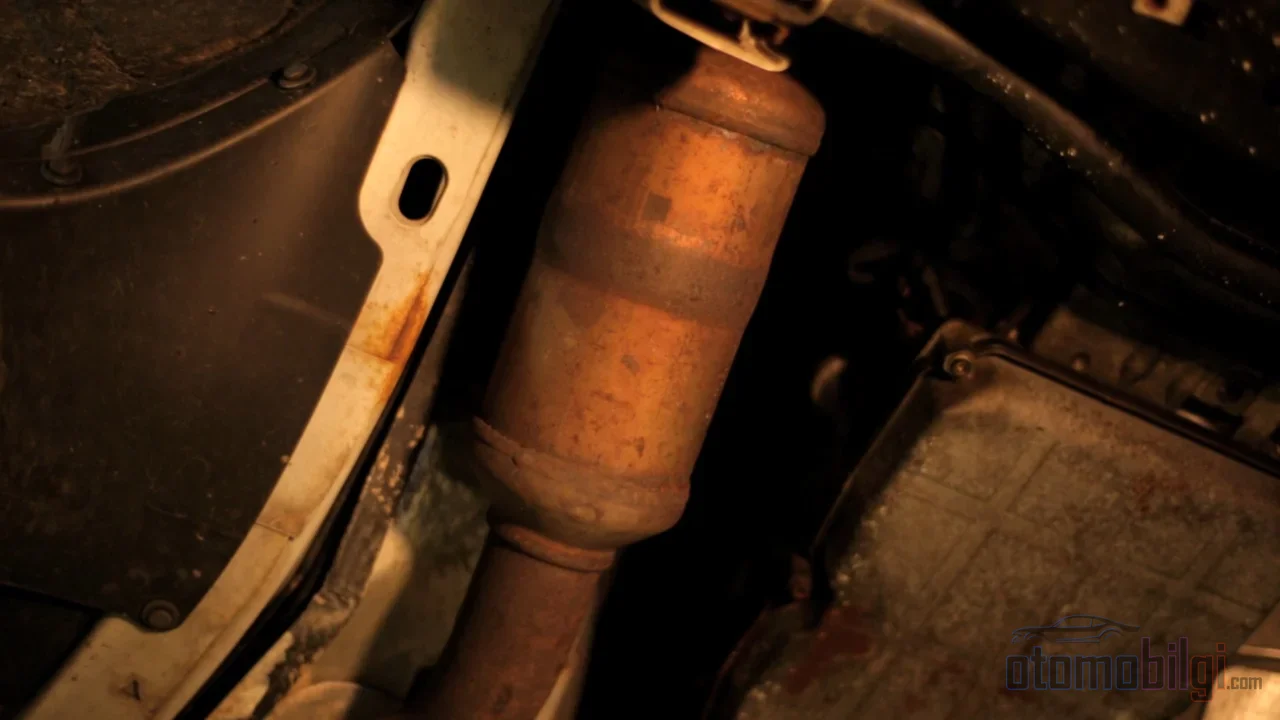
The catalytic converter cannot convert harmful emissions before it reaches a certain temperature. During constant short trips, the exhaust system rarely reaches this temperature; as a result, emissions increase and the ceramic pores inside the converter gradually become clogged with deposits. Exhaust flow is restricted, back pressure rises, and this shows itself as power loss and worsening acceleration. For the deposits to be burned off and cleaned, the exhaust needs to regularly reach sufficient temperature; which is a condition that the short-trip cycle naturally does not provide.
What does the school-work-shopping cycle do to the battery and injectors?
Starting is the battery's most energy-consuming job. During a short trip, the alternator cannot find enough time to replenish the energy spent; the battery remains in a constant state of partial charge. This situation accelerates sulfation, shortens the battery's life, and even a single deep discharge can cause permanent damage. If the vehicle goes through a cycle of three or four cold starts a day, chronic undercharging of the battery is the expected result.
The engine's interior also gets its share of the same buildup. Since the engine never fully warms up on short trips, the moisture inside cannot be expelled; over time, this prepares the ground for internal problems such as rust and oil sludge. The picture is different in terms of maintenance schedules as well: frequent short urban trips fall into the category that manufacturers call severe service, and oil and filter intervals need to be shortened accordingly. On the injector side, an engine running at low load and short cycles for long periods is more prone to deposit formation; regularly running the engine while warm and under sufficient load helps keep the injectors clean.
Ways to reduce consumption without giving up short trips
The basic formula is simple: reduce the number of cold starts. Since the engine burns more fuel before it warms up, doing the same errands in a single chain instead of five separate short trips a day makes a difference that goes straight to your wallet. Practical methods:
- Combine trips: do the school and grocery run on a single route after work; the car stays warm, and repeated cold starts are reduced.
- Set an idling policy: switch off the engine during stops longer than 60 seconds; idling burns fuel with zero efficiency, and a modern engine does not need a long warm-up.
- Consider a block heater in very cold climates: at around -20°C it can deliver an improvement of up to 10% in overall consumption; set it on a timer a few hours before departure.
- Check tire pressure regularly, especially after sudden cold snaps.
- Remove unnecessary load from the trunk: every 100 kg of extra load reduces the efficiency of a mid-size sedan by up to 6%.
- Maintain a steady speed; the fuel burned for every acceleration is lost as heat during braking. Keep the car moving as much as possible within the flow of traffic.
- Monitor the fuel consumption gauge and plan your route in advance; conscious monitoring alone changes behavior.
- Leave the parking maneuver to the warm engine, not the cold one: if possible, back in so you can drive out forward - you will have done the maneuver at the end of the trip while the engine is warm.
Proper functioning of the cooling system and thermostat is a prerequisite for this whole picture; a thermostat stuck permanently open keeps the engine from ever warming up, and none of the methods above can compensate for that loss.
The fuel tank is not a fire: commonly believed myths about fuel saving
While fighting the short-trip habit, saving money also means not spending it on wrong prescriptions. Idling to warm up the car is unnecessary in modern engines and harms the engine; switching the engine off during stops longer than 60 seconds and restarting it burns less fuel than idling. Shifting into neutral does not save fuel. If your car does not specifically require premium gasoline, filling up with premium does not improve mileage. The belief that buying gasoline in the morning gives you denser fuel is a myth. Fuel-saving devices and additives do not work as promised in advertising; overinflated tires do not save fuel either - on the contrary, they reduce grip and accelerate wear. The extra weight of a completely full tank slightly reduces efficiency.
Conclusion: the number of cold starts determines the total bill
Short trips increasing consumption is a law of physics; rich mixture, high internal friction, and an unheated catalytic converter are unchanging constants. What can be changed is the number of starts and driving habits. Combining trips, cutting out unnecessary idling, checking tire pressure and using the correct oil viscosity are all parts of the same equation that also protects engine life. It is entirely possible to turn this equation in your favor without giving up driving.
Sources
- Fleet Fuel Management: Cold Weather Fuel Efficiency and Quick Fixes
- Why Do Cars Get Worse Fuel Economy in Cold Weather?
- Cold Start Engine Damage: Why the First 30 Seconds Matter
- Why Short Trips Can Be Hard on Your Engine and How to Prevent Damage
- Catalytic Converter Problems
- Six Car Problems that Can Kill a Car Battery
- How Short Winter Drives Can Damage Your Engine and How to Prevent It
- Fuel-efficient driving techniques
- 10 common gas-saving myths debunked
- Internal combustion engine cold-start efficiency: A review