How Does Your Car Know the Seatbelt Isn't Fastened?
You didn't fasten your seat belt, you turned the ignition, and the vehicle started beeping as if it were scolding you. But have you ever thought about the intelligence behind this little scolding sound? How does the vehicle know that your belt isn't fastened? Or how does it even tell whether you're sitting in the seat? The answer is a chain of sensors that looks very simple on the surface but is ingeniously thought out from an engineering standpoint.
In this article, we're opening up the seat belt reminder (SBR) system: from the switch inside the buckle to the weight sensors embedded in the seat cushion, and from the logic of the warning sound to how Euro NCAP scores this system. We're not under contract, but once you see how meticulous vehicles are about this, trust me, you'll be surprised.
The Tiny Switch Inside the Buckle
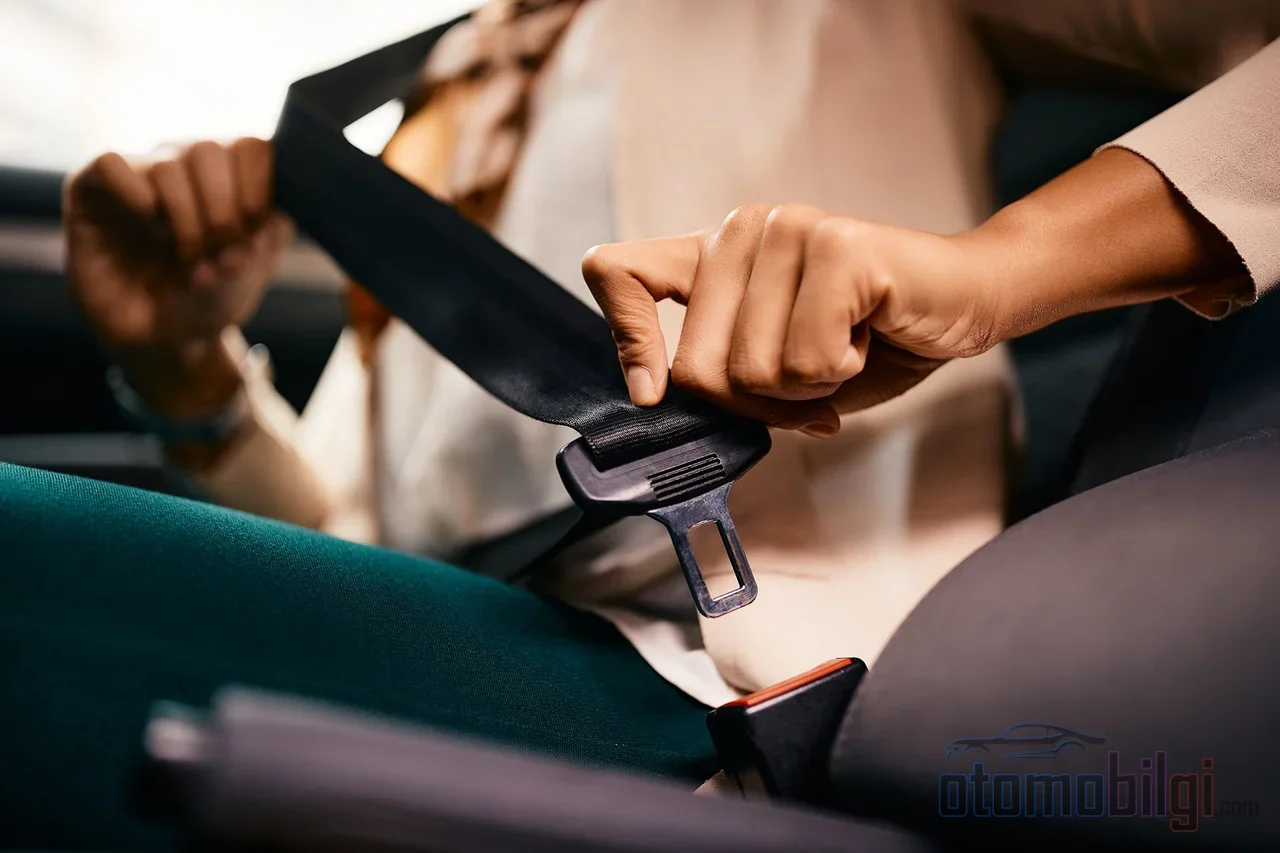
Where it all begins is that very buckle next to your seat. Inside the belt socket, there is a switch so small you can't see it with the naked eye. This switch can be mechanical or magnetic; one of the most reliable solutions is the magnetic switch called a reed switch, which detects whether the belt is fastened using a magnetic field. When you press the belt tongue into the socket, this switch completes an electrical circuit and sends a signal to the vehicle's electronic control unit (ECU). When you unbuckle, the circuit breaks and the ECU immediately learns about it.
Let me give you an analogy from daily life: this switch works like that tiny button that turns the refrigerator's interior light on and off. When the door closes, the button is pressed and the circuit is completed; when the door opens, the circuit breaks. The same logic applies to the belt buckle, except here the state of the circuit is reflected on the vehicle's dashboard as light and sound.
The Buckle Sensor Alone Isn't Enough: The Seat Occupancy Sensor
Now let's ask the critical question: It would be pretty absurd for the vehicle to force you to fasten your belt when no one is in the seat, wouldn't it? That's exactly why the system doesn't rely on the buckle sensor alone. Embedded inside the seat cushion is a seat occupancy sensor (occupant classification system, OCS). This sensor consists of pressure-sensitive pads or foil-based sensors and detects the presence of the person sitting, even their approximate weight.
Consider how sensitive it is: the system can distinguish an 80-kilogram adult, a 23-kilogram child, or a heavy shopping bag. It doesn't mistake the bag for a passenger; a heavy object you place on the seat or a pet can also trigger the occupancy sensor, and this is entirely by design. Using this information, the sensor both decides how the airbag will operate and determines whether the belt warning will be triggered.
One more interesting detail in this field: the first company to develop occupancy sensor technology for the purpose of seat belt reminders was IEE, which did so in 1997. The same company developed an advanced rear seat belt reminder system, and in 2014 became the first to use rear seat occupancy sensors in a mass-production vehicle. Today, hundreds of millions of sensors have been produced worldwide.
When Does the ECU Shout? The Logic Behind the Warning
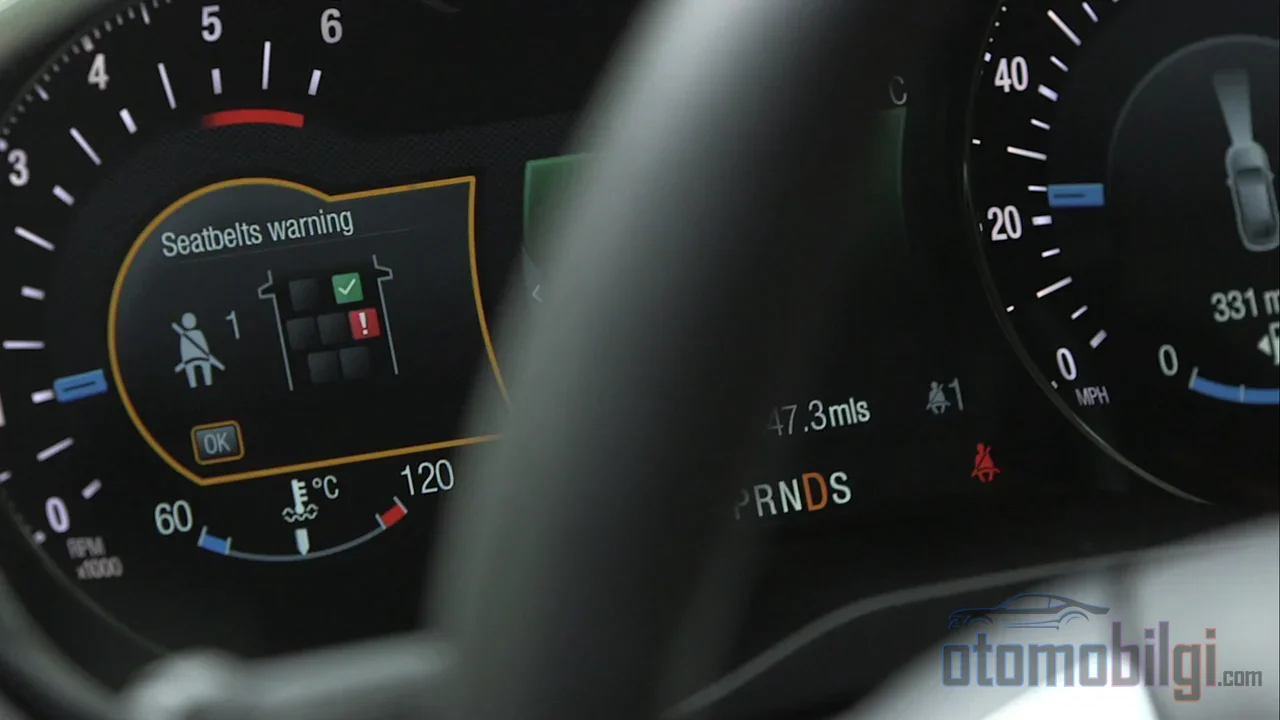
The warning sound and light are triggered by a chain of logic. Before the vehicle starts moving, the ECU asks two questions: Is someone sitting in the seat, and is the belt fastened?
- If weight is detected in the seat and the lock sensor signals open, the ECU lights up the indicator and triggers the warning sound.
- If both sensors confirm a seated adult, the airbags prepare to deploy with the appropriate force.
- If the signals are illogical, for example if a fastened-belt signal comes from an empty seat, the ECU lights up the airbag warning lamp.
Some systems go one step further and also measure whether the belt is actually tensioned. This way, merely having the belt tongue inserted into the buckle is not enough; the system also checks that the belt actually passes over the passenger and is tensioned. For those who want to count a fake belt as fastened, this detail is actually a serious obstacle, because the system looks not only at whether the lock is closed, but at the integrity of the whole system.
Highlights
- The magnetic reed switch inside the buckle is one of the most reliable methods for determining whether the belt is fastened.
- The seat occupancy sensor can distinguish an 80 kg adult, a 23 kg child, and a heavy bag.
- After sensor-based audiovisual warnings are activated, about 80% of unbelted passengers fasten their belts.
- Euro NCAP has been scoring seatbelt reminder systems since 2002; in Europe, a reminder is mandatory for every seat.
- NHTSA's rule mandating rear-seat warnings is estimated to save about 50 lives a year.
Why Is the Connection with the Airbag So Tight?
Here is the least known but most vital side of the system: the belt sensors are not there just for the beep. The information provided by the sensor directly feeds into how much force the airbag will deploy with at the moment of a collision. If the sensor falsely reports that the belt is fastened, the airbag may deploy at full force for an unbelted passenger, which poses a serious danger. If it falsely reports that the belt is not fastened, the airbag may deploy at reduced force and may not provide adequate protection for a belted passenger.
So an error in that tiny lock switch is not an ordinary electronic fault; it can disrupt the protection calculation at the moment of a collision. That is why it is worth taking the airbag warning lamp seriously when it lights up. When you think about this connection, your view of the system changes, doesn't it? The beep is actually the visible tip of an entire safety chain.
Why Doesn't the Warning Light Go Off? Faults and Troubleshooting
If the light keeps staying on even though you have fastened your belt, the most common cause is a faulty buckle switch. When debris, coins, or other foreign objects get inside the buckle, the latch cannot fully lock and the sensor cannot send the correct signal. Another frequent cause is a loose cable connection under the seat.
Simple Checks You Can Do at Home
You don't need to be a full-blown mechanic; you can often diagnose the problem yourself in a few steps:
- Check inside the buckle with a flashlight; look for crumbs or foreign objects.
- Blow out the buckle with compressed air.
- Insert and remove the belt firmly a few times; this can bring the mechanism back to itself.
- Avoid using metal tools; scratching the buckle will make things worse.
If the light is on with an empty seat, a heavy item you placed on the seat may be triggering the occupancy sensor; remove the item and see if the light goes off. A child seat fully secured with a belt on the rear seat can also trigger the warning chime in some vehicles; in that case, the belt buckle may need to be routed behind the child seat. This is not a malfunction, just a natural result of the system detecting occupancy.
How Much Does the Repair Cost?
Replacing a simple buckle sensor falls in the range of about $100-300. If the sensor is integrated inside the belt retractor or the occupancy sensor, the job gets bigger and the cost can reach $400-800. That's why trying the simple cleaning steps first saves both time and money.
Euro NCAP Rating and Regulations: Why Did the System Become Standard?
Seat belt reminder systems are now nearly standard in modern vehicles, but the reason is not just manufacturers' willingness. Euro NCAP included SBR bonus points in its test protocol in 2002, and from that year on, this equipment increased noticeably in tested vehicles. Today, Euro NCAP awards points for front and rear seat belt reminder systems under the Safety Assist category. So a good SBR system contributes directly to the number of stars a vehicle receives. Most NCAP programs first introduced incentives for the front seats; now in many, the reminder is a legal requirement and the focus has shifted to the rear seats.
In Europe, seat belt reminders are mandatory for every seat. On the US side, the picture is somewhat newer: In December 2024, NHTSA announced a rule adding rear seat warnings and strengthening front seat warnings. With full implementation of the rule, an estimated 50 lives would be saved and more than 500 injuries prevented each year. In response to petitions for reconsideration of the January 2025 final rule, NHTSA postponed the compliance dates with an interim final rule that took effect on April 6, 2026; the new compliance date is September 1, 2028, with early compliance optional.
An interesting technical debate is also ongoing: NHTSA proposed three compliance options for the rear seat visual warning and stated that the visual warning could be met solely with lock sensors, with occupancy detection not required. However, some manufacturers noted that in practice this would turn into a requirement for occupancy detection in all seats. So a choice that seems simple technically creates major differences in engineering and cost.
An example to show how seriously the rating is taken: the independent safety organization IIHS published its SBR test and rating protocol in 2021; In 2022, only 17% of the vehicles it tested received a good rating, while 65% were found marginal or weak. This shows that what we call the warning is not that simple at all; the differences in the details determine the rating.
Trying to Trick the System: Why Is It a Bad Idea?
I can almost hear the objection: that beep can be truly annoying. In fact, there is a long history of debate around this sound; even though it aims to save lives, some users are still bothered by it. But the data on the matter is striking: after the audiovisual warning activates, roughly 80% of unbuckled passengers fasten their belt. So the sound we call annoying really does its job.
Even so, some people try to silence the system by disconnecting the buckle or using fake parts fitted into the buckle socket. This is dangerous for two reasons: first, traveling without a belt significantly increases the risk of serious injury and death in a crash; the belt is still considered the best way to prevent serious injury and death in a collision, with even the airbag and ABS behind it. Second, because the sensor is factored into the calculation of the airbag's deployment force, a severed connection can misjudge protection at the moment of impact. It is true that modern systems can be tricked; researchers are even trying to detect, from outside, whether people are using the belt using image-processing-based algorithms. But the goal here should not be to beat the system, but to persuade people to actually use the belt.
Looking ahead, the field gets much more interesting: IR-UWB radar-based seat occupancy and belt detection systems are at the research stage; active belt systems that adjust tension in real time are being developed to adapt to autonomous vehicles. Pretensioner devices, which tighten the belt before a collision and pull the passenger into the seat, have also long been part of our lives. So today's beep is laying the groundwork for far smarter and more intrusive systems tomorrow.
In summary: How Does the Vehicle Know the Belt Is Not Fastened?
The direct answer is this: The vehicle detects whether the belt is fastened through the circuit completed by a mechanical or magnetic switch inside the belt buckle. This information is compared with the occupancy sensor embedded in the seat cushion's perception of the seated person; if there is weight on the seat while the buckle is empty, the ECU activates the warning light and sound. Some systems also measure the belt's tension to verify that the connection is real. Since the same sensor data also feeds into the airbag's deployment force, the system is an integral part of crash safety.
The next time you hear that tiny beep, you now know what is behind it: a safety chain that has been refined, tested, scored and turned into law over so many years. Fasten the belt, silence the sound; you will do both of them justice.
Sources
- Understanding Seat Belt Sensors for Safer Driving
- How Seat Belt Reminder Works
- Occupant Detection for Seat Belt Reminders - IEE Sensing
- Occupant Crash Protection, Seat Belt Reminder Systems
- NHTSA Finalizes Seat Belt Reminder Rule
- IIHS Seat Belt Reminder Test and Rating Protocol
- Automakers warn NHTSA proposal creates de facto occupancy detection mandate
- Seat Belt Reminder System In Vehicle Using IR-UWB Radar