How Many Kilometers of EV Range Can the Correct Tire Pressure Add?
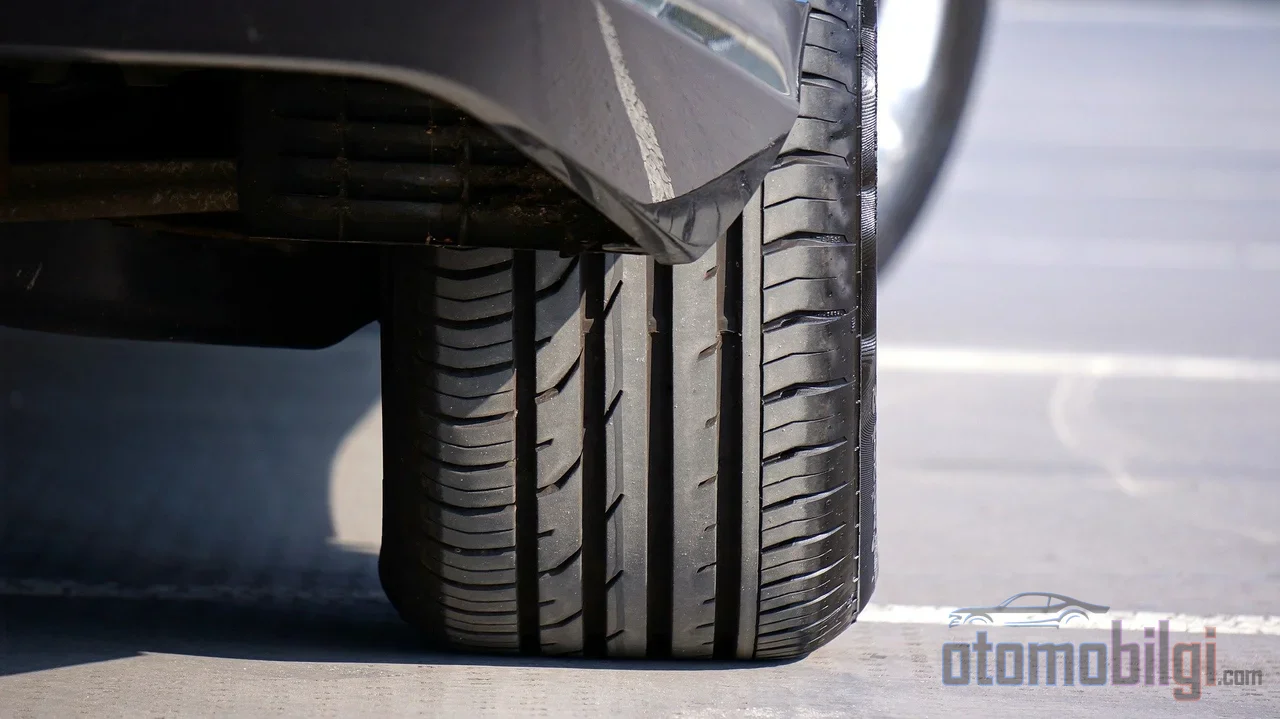
Range calculation for electric vehicle owners is usually done based on battery size, air temperature, and driving speed. Yet there is another factor right at your fingertips that takes effect without spending a penny and works consistently at every kilometer: tire air pressure. The question seems simple - how many kilometers exactly does the correct pressure add to range? The answer is more measurable than you might think, but it should be thought of not as a magical percentage, but as a loss avoided.
How Low Pressure Eats Into Range: The Mechanics of Rolling Resistance
When pressure drops, the tire's sidewalls flex more, and the tire deforms significantly and reshapes with every rotation. During this deformation process, part of the energy turns into heat; this loss, known in engineering as hysteresis, directly presents itself as rolling resistance. In an internal combustion vehicle, this energy is covered by fuel from the tank; in an electric vehicle, the same energy is paid from the battery, that is, from range.
This makes rolling resistance a more critical variable in EVs than in internal combustion vehicles. Because the electric motor and drivetrain operate with very high efficiency, the share of rolling resistance in the total energy balance grows. As a result, the same pressure error creates a more noticeable increase in consumption than in a gasoline vehicle.
How much numerically? A 2020 measurement by the independent engineering organization SAE gives a clear answer to this question: In an electric vehicle with a base range of 360 km, range drops to approximately 344 km with tires that have poor pressure retention behavior, and to approximately 353 km with low-rolling-resistance tires. The difference is about 9 km - while it may seem small as the contribution of a single adjustment, it is worth remembering that it is free and permanent.
Highlights
- ~9 km range difference: The measured effect of tire pressure behavior in an EV with a 360 km base range
- Tires lose approximately 1 psi of air per month; if not checked, the loss accumulates
- For every ~5.5 °C drop in temperature, pressure decreases by approximately 1 psi
- Cold tires produce 13.6% more rolling resistance than warmed-up tires
- Many EVs operate in the 36-42 psi range; the correct value is written on the door jamb label
Realistic Expectation: How Many Kilometers Does It Gain?
On social media, claims circulate such as a 15% range increase from tire pressure; these figures are not based on verified measurements, and a gain of this magnitude should not be expected. The measurable fact is this: a properly inflated tire saves range at the level of single-digit percentages compared to a severely deflated one - meaning a difference of roughly a few to ten kilometers in a vehicle with a 300 km range. The gain should be evaluated as a reliable and free correction rather than a significant percentage.
The tire itself also comes into play. Tire manufacturers aim for a 10-20% reduction in rolling resistance in the low-rolling-resistance models they develop for electric vehicles; The US environmental agency EPA states that this type of tire provides approximately a 5-7% improvement in efficiency. According to university research, choosing ecological tires can contribute approximately 8% to range; tire choice alone can make an electric vehicle gain or lose about 50 km. Pressure adjustment is the free variable in this equation: the factor that actually unlocks the tire's design potential.
Manufacturer Values and the Comfort Balance: How Many PSI Should It Be?
Electric vehicles operate at higher pressures than most gasoline models due to the high mass of the battery. Many EVs on the market are inflated within the 36-42 psi range. These values are no coincidence: in addition to carrying the heavy vehicle body, high pressure reduces rolling resistance and contributes to range.
Where the correct pressure is stated is also clear: on the label on the inner edge of the driver's door, inside the fuel filler cap, or in the owner's manual. Sticking to the manufacturer's value is the safest way. So why is it not beneficial to inflate the tire a bit more? Over-inflation narrows the tire's road contact to the middle zone; comfort deteriorates, grip and braking performance drop, and wear becomes uneven. In other words, efficiency must be maximized without giving up the balance with comfort and safety - that is the industry recommendation, and some EV owners' habit of going 1-5 psi above is an experiment whose risks outweigh its benefits.
In Winter, Both Pressure and Chemistry Work Against You
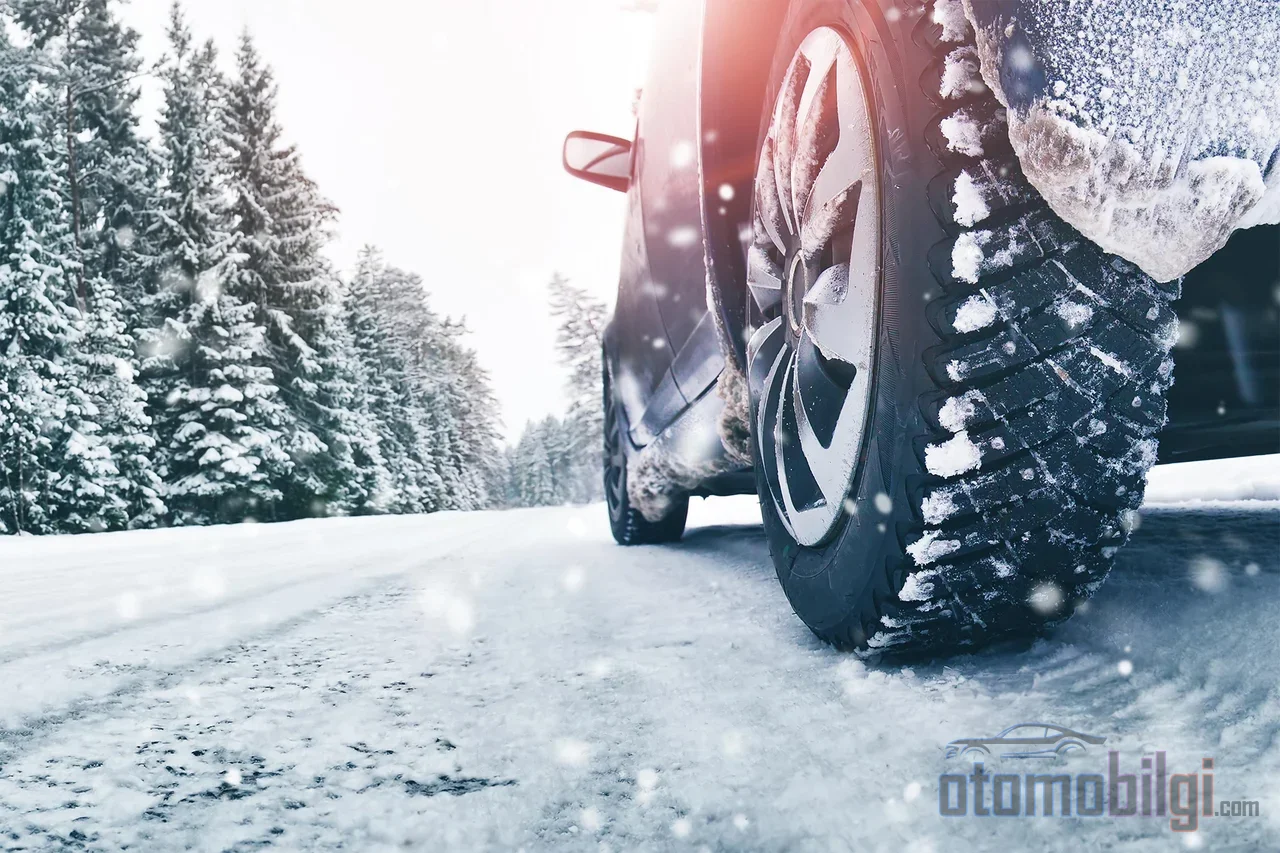
Cold weather opens up the least known part of this article. By the gas law, every drop of approximately 5.5 °C in temperature reduces tire pressure by approximately 1 psi. On a winter morning, your tires may be a few psi under and you may keep driving without noticing it. Moreover, cold tires - because the rubber stays hard until it warms up - generate 13.6% higher rolling resistance than warmed-up tires. So winter increases rolling resistance through two channels: indirectly (low pressure) and directly (cold rubber).
This is not the only cause of winter range loss; cabin heating and the battery slowing down in the cold are also at play. But the picture is clear: in an optimized vehicle with steady driving, winter loss can reach a band of 10-20%, and in mixed driving conditions 20-35%. The pressure factor is the part of these losses that you can fix on your own, without needing a weather station.
The Role of Pressure in the WLTP vs. Real Range Gap
The difference between the label range and real-world range is a classic topic in EV discussions. WLTP is a laboratory procedure and does not reflect the entirety of real-world use; it is normal to see better range than the label in city use and lower range in highway-heavy use. Part of this gap comes from conditions such as speed, air conditioning, and air temperature - sometimes these can be corrected, sometimes not.
Tire pressure occupies an interesting position in this equation: One of the correctable variables that explains the WLTP difference. Similarly, wheel choice also affects the difference; wide wheels increase rolling resistance and reduce range. So if your car is not reaching its label range, the first thing to check is not grip, but the difference between the psi value on the tire label and what the gauge reads.
Correct Measurement and Monthly Adjustment Routine
Adjusting the pressure is a five-minute job, but doing it under the right conditions is essential for a reliable measurement:
- Measure on cold tires: Check when the car has been parked for at least 3 hours or has not been driven long distances; tires that have warmed up after driving give a high reading and mislead you.
- Use a gauge: Digital pressure gauges are practical and reliable; gauges with magnetic caps also do the job.
- Set it to the manufacturer's value: Aim for the cold tire value on the label inside the door; if different values are specified for front and rear, apply each one separately.
- Reset the TPMS warning: The tire pressure warning system reports drops; after adjustment, the system is recalibrated via the SET button or the menu in the vehicle.
- Establish a routine: Check at least once a month and before long trips - tires naturally lose about 1 psi per month, meaning they quietly erode your range without creating an obvious problem.
One more note: a worn tire is actually surprisingly good in terms of range - it offers about 6% less rolling resistance than a new tire. That's why it's normal for the range indicator to temporarily drop when you fit new tires; as the tire breaks in, it returns to its previous values.
Conclusion: Free Kilometers Come Back With a Monthly Check
To summarize the contribution of tire pressure to range in a single sentence: correct pressure measurably gains about 9 km compared to irregular pressure in a vehicle with a 360 km range; in winter conditions and on tires that haven't been checked in a long time, this difference grows even larger. This is the only efficiency lever that doesn't require sacrificing driving comfort, such as slowing down or turning off the air conditioning. Note the value on the door label, check with a gauge on cold tires once a month - the cheapest kilometers of your range come from there.
Sources
- Tire pressure impact on EV driving range SAE-MA-03950
- How tires impact your electric vehicle's range
- Does Tire Pressure Affect EV Range?
- How Tire Pressure Affects EV Range: The Hidden Factor in Battery Efficiency
- Evaluation of driving resistance and energy consumption in cold environments
- How much range does an EV lose in cold weather?
- Tire Pressure Chart
- Checking tire pressure