How Many km of Range Is Enough? Choosing the Right Battery Size
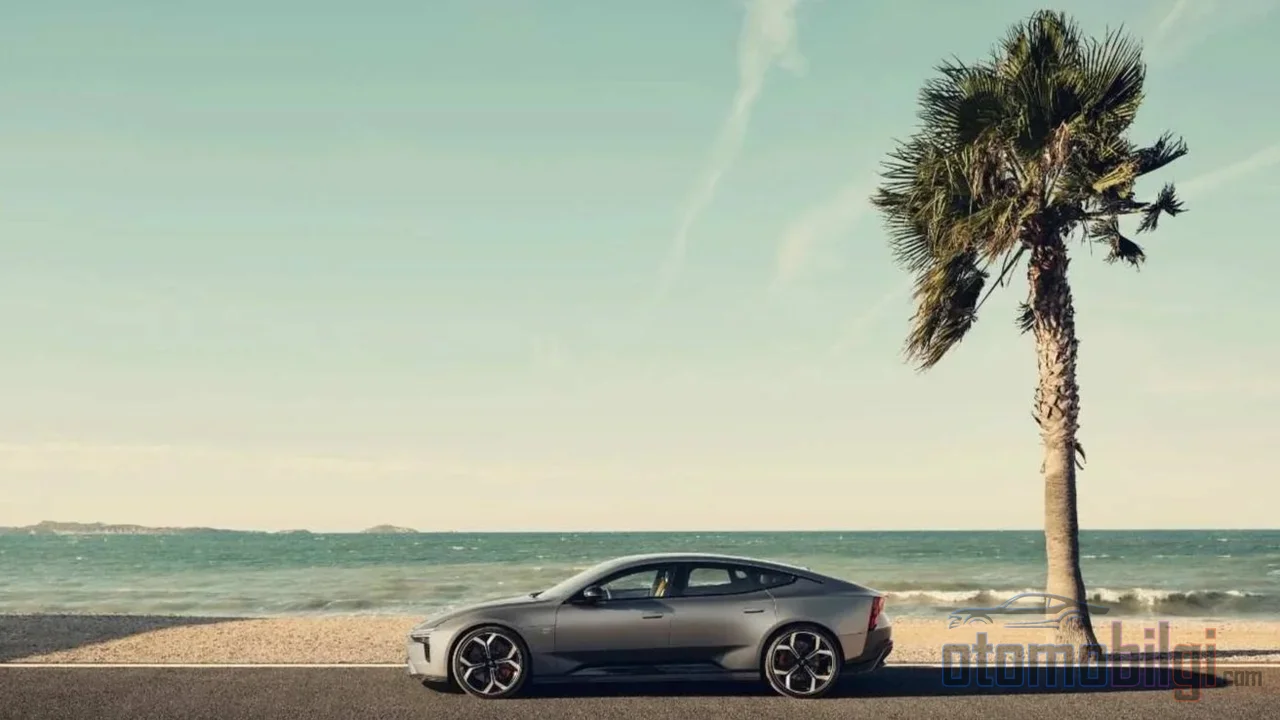
The difference between two figures on the showroom desk turns into a decision most buyers never notice: two electric vehicles with the same body can sell for nearly twice the price of each other, purely because of battery size. The salesperson wants to sell you the biggest battery; whereas the right question is not how many kilometers the car can go, but how many kilometers you need. This page was written so you can do that calculation step by step.
How many km of range is enough in an electric vehicle?
The answer needs to be found not in the manufacturer's brochure, but starting with your own calendar. According to national travel research, a vehicle in the UK travels an average of 7,100 miles a year, roughly 137 miles a week and 19 miles a day. In the US, the average daily drive is 35-40 miles, with an annual total of around 13,000 miles. In Australia, the daily average is 38 km; that distance is enough for an electric vehicle to go even ten days without being plugged in.
Against these figures, the position of modern electric vehicles is striking: most models offer 200-400 miles (approximately 320-640 km) of real range, averaging around 300 miles per charge. So there is a many-times-over gap between the average driver's daily need and the average vehicle's range. So why does everyone shopping still want the bigger one?
Highlights
- Average daily driving is ~30 km in the UK, ~56-64 km in the US, 38 km in Australia
- Most modern electric vehicles offer 320-640 km of real range on a single charge
- In freezing weather, range drops by an average of 20-30%; in some models the loss reaches 39%
- Using the 20-80% charging range reduces the real daily range of a 480 km vehicle to ~290 km
- Running out of charge accounts for less than 2% of electric vehicle breakdowns
The WLTP figure is not your range: the gap between the brochure and reality
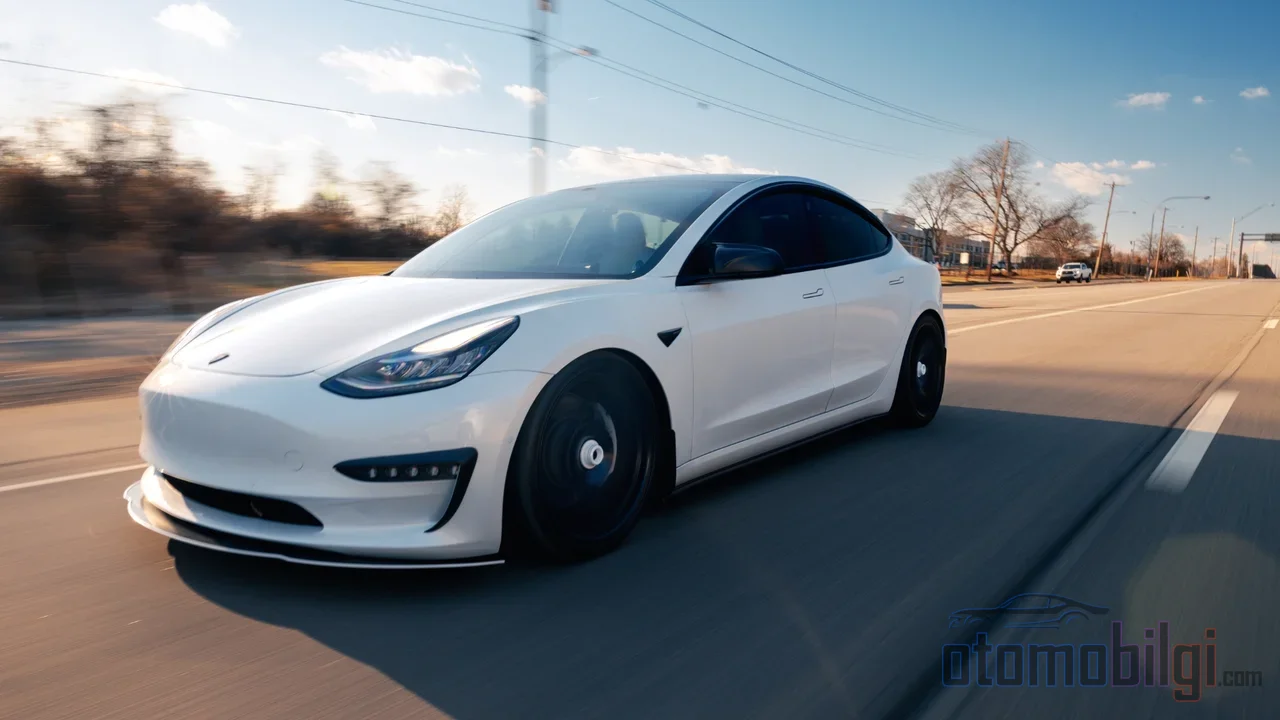
The range on the label is the WLTP value measured under laboratory conditions and it rarely holds true in the real world. Independent tests have measured real-world shortfall of up to 38%. The main reason is physics: above 20 mph, aerodynamic drag rises rapidly, and 70 mph consumes noticeably more energy than 60 mph. If you are driving at 110-120 on the motorway, you are drifting away from the brochure value.
Even more importantly, two different vehicles can produce very different ranges with the same battery size. Energy consumption per kilometer is a more accurate measure than battery capacity itself: a 77 kWh vehicle with an aerodynamic body can beat a 90 kWh vehicle with a boxy body. When comparing, look not at kWh, but at the consumption figure.
Two factors that shrink your calculation: the 20-80% range and winter
In batteries that do not use LFP chemistry, most drivers keep the charge between 20% and 80% to preserve battery life. This means using at most 60% of the battery in regular use. In a 300-mile vehicle, the real daily range thus drops to 180 miles, or approximately 290 km. The same vehicle can fall to as low as 125 miles in freezing weather.
How real is winter range loss?
Large-scale telemetry analyses clarify the picture: Data from more than 30,000 vehicles shows that at 0 °C, roughly 78-80% of range is retained, while at -7 °C the figure drops to about 70%. Models with heat pumps have an advantage in this picture; in the cold they retain 72-89% of their range, while those without pumps stay in the 63-83% band. Independent winter tests conducted in North America confirm that losses vary between 14% and 39% depending on the model; in freezing air, some models can lose up to 40%. Those who plan for the worst-case winter scenario will use every figure generously in summer.
The real bill of the big battery
The battery is the largest item in an electric vehicle's production cost, with the price per kWh averaging around 115 dollars. This means every extra unit of capacity is written directly into the purchase price. Ultra-high-capacity vehicles offering over 400 miles of range are far more costly than average; low-range ones are both cheaper and, in some markets, can also benefit from incentives.
The cost difference does not end at the moment of purchase. International analyses reveal that a large battery increases energy consumption for all users, and only those who truly drive long distances gain a clear benefit from this weight. Moreover, electric vehicles are typically insured with premiums 20-30% higher than gasoline cars; the dynamic raising damage costs is half a 17% higher accident probability, half a 17% higher repair cost. The battery package pushing up the total vehicle value feeds the premiums, and in a serious accident, battery replacement can come into play. When you choose a vehicle with a small battery, all of these items shrink as well.
If you have home charging, the equation changes completely
One of the biggest determinants of range needs is where the vehicle spends the night. According to large-scale driver surveys, about 77% of electric vehicle users have home charging; these drivers start every morning with a full battery. An 11 kW wallbox adds 50-60 km of range per hour; the vehicle charges comfortably overnight. If a driver with home charging covers 100 km a day, even a 350 km range vehicle is a generous buffer: since it fills up every evening, it never approaches its limit in the daily routine.
For those without home charging, the calculation flips. Recommendations for drivers living on public charging point to a range band of 245-280 miles (approximately 400-450 km); unless charging becomes more frequent, growing the battery becomes necessary. A combination of a large battery and high charging power is also recommended for those who regularly cover long highway distances. For someone who takes a long trip only once or twice a year, the view that 400 km is sufficient is widespread; infrequent long journeys do not necessarily require a massive battery.
Calculating your own range: the four-step method
Working with your own data, rather than generic tables, is the only way to correctly size the most expensive variable. The exercise takes two to three weeks:
- Record your daily mileage for two to three weeks; note your average and your longest recurring route.
- Calculate your weekly and annual totals. This is the core of your need.
- Determine how often you take long trips: once a month, once or twice a year, or every weekend?
- From a candidate vehicle's WLTP figure, calculate the realistic range by subtracting the winter margin (20-30%) and the highway margin; also factor in the 20-80% range used in regular operation.
To get to the point: For an average driver who can charge at home and takes a few long trips a year, a real (including winter) range of 350-450 km is sufficient; those with a short daily distance and home charging can comfortably manage with 250-300 km, while only those who frequently make long highway journeys or lack home charging should aim for more than 450 km. Going below this range requires discipline, while going above it usually means paying for capacity that will mostly go unused.
Does a short range restrict your life? Let's put the myth on the table
Range anxiety is a major obstacle in buyers' minds: In the UK, 53% of drivers still have range concerns. In practice, however, the picture is quite different. According to automobile club breakdown data, running out of charge accounts for less than 2% of electric vehicle breakdowns; in 2015 this figure was 8.26% and has been steadily falling ever since. So the anxiety is rarely borne out in reality, but it is also true that buyers feel it.
The way out suggested by European publishers and analysis centers is interesting: buy a cheap, short-range electric vehicle and use a rental car for the few long trips a year. If your two-to-three-week daily mileage log shows a low average, this scenario could work out far cheaper than the ten-year cost of a big battery. There is a point where the other side has a valid argument: for those who regularly do highway miles, a long-range vehicle generates real value; the question is which driver profile you fall into.
Conclusion: choose the most expensive option not out of habit, but by calculation
Battery size is the single most expensive variable in an electric vehicle, affecting the purchase price, insurance, energy consumption and even tire wear. The right size is not the biggest number in the brochure; it is the figure calculated according to your own daily rhythm, your home charging conditions and your climate. Collect two to three weeks of data, factor in the winter and highway margins, and don't forget the 20-80% range. Most drivers will find at the end of this calculation that they are far more comfortable with a smaller battery than they thought they needed; and a minority deserve to know with data, no longer guesswork, that they truly need a bigger one.
Sources
- Electric Car Range 2026: WLTP vs Real-World Miles
- How much electric range do you really need?
- How much range do electric cars have?
- The bigger the better? Battery size and consumption - ICCT
- Do EVs have enough driving range?
- You Need Way Less Range Than You Think
- Underwriting Strategies for EVs - MDPI
- Elektrikli Araçlar Otomobil Sigortası İçin Ne Anlama Geliyor? - LexisNexis
- Elektrikli Araç Kış Menzili Kanada 2026 - ThinkEV
- Sıcaklığa Göre Elektrikli Araç Menzili (2026) - The Charge Port