How to Protect an Electric Vehicle Charging Cable from Theft?
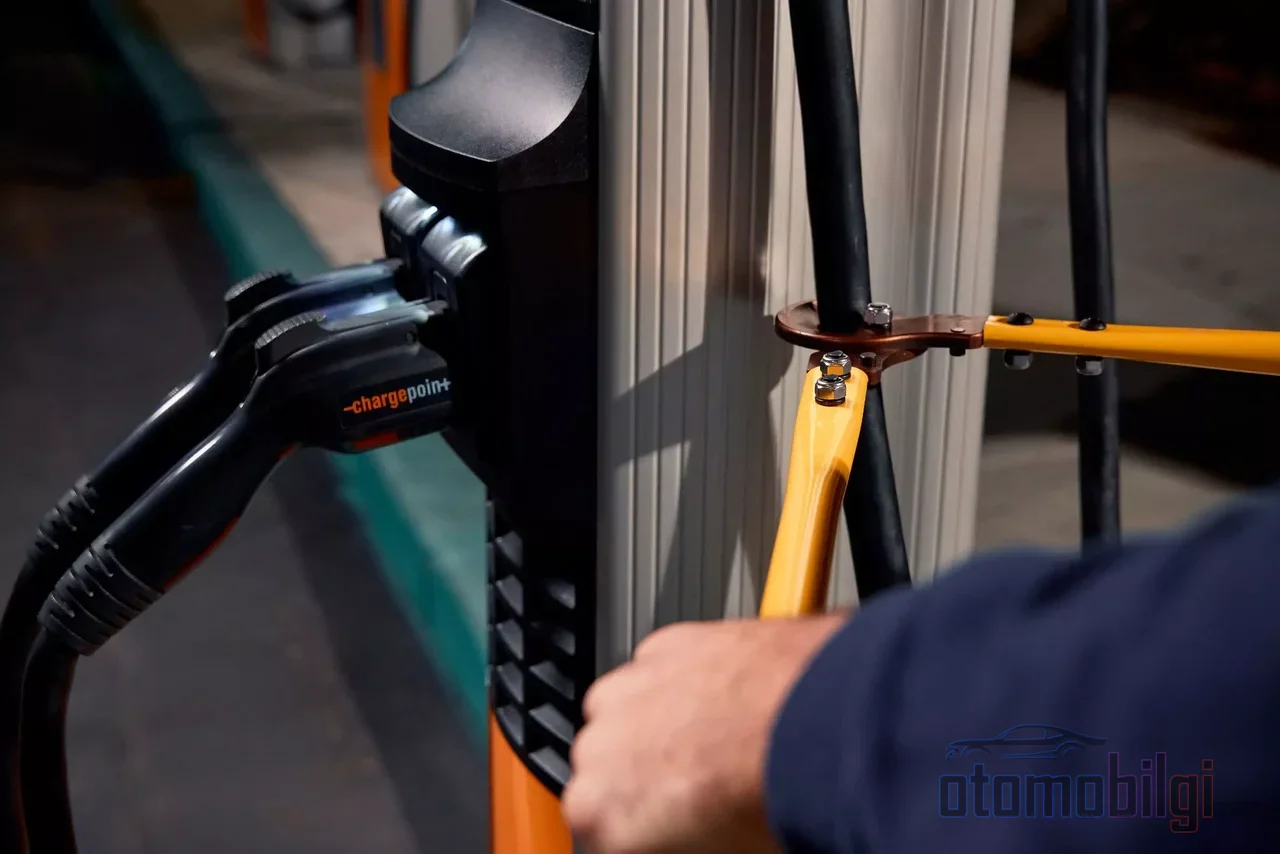
An electric vehicle owner's most practical piece of equipment is often also the most vulnerable one: The Type 2 charging cable. A cable left at the wallbox in front of your home or next to a shared unit on the street is a product that a determined thief can take away within minutes and quickly convert into cash on the second-hand market. Interestingly, most of the motivation is based on a miscalculation: The amount of copper in home-type AC cables is too small to be worth stripping the cable and selling the copper. In other words, the cable is stolen, but the real gain lies in reselling the cable as a whole. Understanding this distinction is the first step in setting up the right protection strategy.
This guide covers three dimensions of protecting your charging cable against theft and physical damage: locking mechanisms, proper storage habits, and the insurance and compensation process in case of theft. These are complementary layers; none of them alone provides complete protection.
Key Takeaways
- The copper in a home-type AC cable is too little to be worth stripping and selling; the real risk is the second-hand sale of the cable as a whole.
- The electronic lock in Type 2 connectors that engages during charging is the most basic layer of protection.
- Tethered wallboxes with locking holsters provide the strongest at-home protection from the moment you start using them.
- If the cable is stolen, first report it to the police, then file an insurance claim according to your policy terms.
- The permanently attached cables at DC fast charging stations are far more difficult targets than thin home-type cables.
Why Do Thieves Steal Charging Cables?
Looking at the engineering side of the problem makes the solution easier. In recent years, the price of copper has risen significantly, and this increase has made anything containing copper attractive for theft. However, in a home-type AC charging cable, the plug housings, insulation and connector weight reduce the copper's share; dismantling the cable to extract the metal inside is not economically worth the effort. A significant portion of thieves experience disappointment after doing this math. Still, cables are stolen, because selling a working Type 2 cable on the second-hand market is quick and easy.
There are two different threat levels here, and they need to be distinguished. Thin home-type AC cables are portable, detachable and have high second-hand value; this is where the risk is mainly concentrated. The thick cables fixed to the units at DC fast charging stations are targets on an industrial scale due to their copper content, but dismantling them requires equipment and time. As a vehicle owner, the problem you face is almost always the first group.
Locking Mechanisms: Protection on the Vehicle and Wallbox Side
The Automatic Lock of the Type 2 Connector
The Type 2 connector standard defines an electronic locking system: When the plug is inserted, the vehicle automatically engages the locking pin that physically secures the connector. This is a zero-cost and the most basic layer of protection. Since forcibly removing the cable during charging is risky, cable theft during active charging is rarely seen in practice. So when does this lock engage? In most vehicles, this setting can be adjusted through the screen. Manufacturers like Kia state in their user manuals that the menu of EV settings allows you to select under which conditions the connector will be locked or unlocked. Whether you keep the lock only during charging or for as long as the plug is connected relates to an important safety decision stored in your vehicle's settings menu.
Locked Socket and Cable Lock on a Wallbox
On the home side, the strongest solution is a cable-equipped, i.e. tethered, wallbox. The cable remains attached to the charging unit even during the hours when it is not in use; when combined with a lockable holster, physical protection increases considerably. Some manufacturers' wallbox models feature a cable lock: When the feature is activated, the device locks as soon as it detects a plugged-in cable and prevents unauthorized removal of the cable. There are also anti-theft lock attachments on the market that are mounted on the wallbox and compatible with standard cable diameters up to 22 mm.
An important warning: Do not leave the cable plugged into an untethered wall unit. Most of these units do not lock the attached cable. There are models with an internal cable lock as an exception, and it is essential that you activate the lock feature yourself. Although putting your cable in the trunk every time seems tedious, this is the most consistent habit in a home with an untethered unit. Smart charging devices can also be locked with an app or a PIN code; by defining a charging schedule, it is possible to prevent unauthorized use of the unit.
Low-Cost Physical Solutions
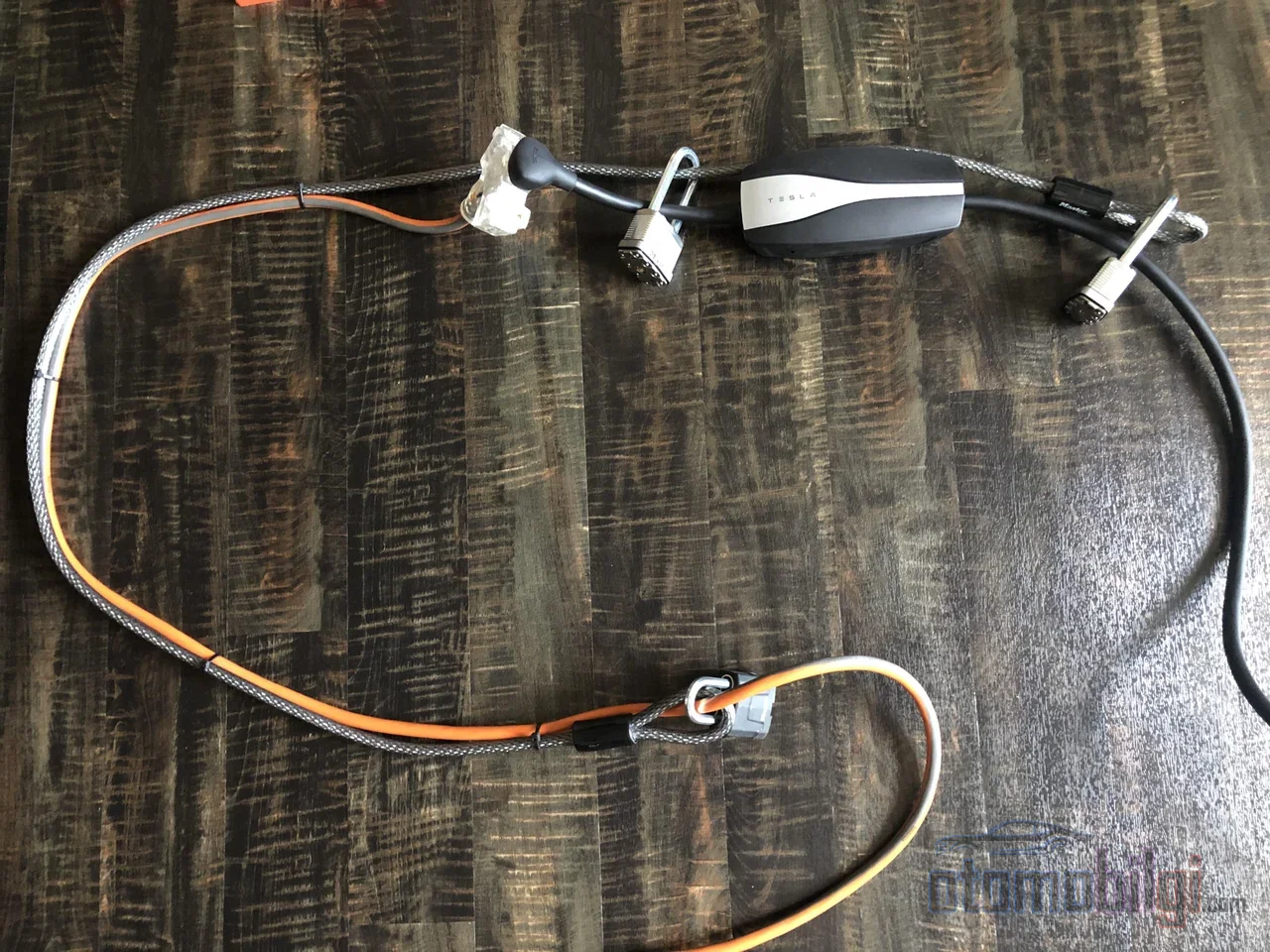
- The padlock method: Some electric vehicles have a special loop for securing the cable to the vehicle; if there is no loop, the cable can be threaded through the wheel spokes and secured with a padlock.
- Type 2 port lock: These are attachments placed on the vehicle's charging port, behind the connector, that physically prevent the plug from being pulled out without a key or code.
- Cable protective sleeve: Steel-core sleeves make cutting attempts significantly harder; there are models secured at three points with heavy-duty clamps and anti-tamper heat-shrink elements.
Choosing the Installation Location, Surveillance and Physical Barrier
Deterrence matters as much as locking. If possible, the wallbox should be installed at a point not directly visible from the street, for example on a side wall, in the garage, or in an area hidden from view by garden furniture. As visibility decreases, the risk of opportunistic theft decreases as well. The second layer is surveillance: A CCTV camera, a dashcam with motion detection and parking mode, or a video doorbell is both a deterrent and provides evidence in the event of an incident. The third layer is the physical barrier: A barrier, post, or bollard makes it harder for vehicles to approach the charging area; while charging at the curb, protective cable ramps protect both the cable and passers-by. Storing the cable in a locked box or inside the house during nighttime hours is the safest routine in the long run.
How to Properly Store Your Cable in the Vehicle and at Home
Cable theft doesn't only happen during charging; in a parking area where you leave the trunk open and unattended, your cable can be taken within seconds. For this reason, the storage strategy is as much a part of the system as locking. When storing it inside the vehicle, three criteria must be met simultaneously: The cable should be secured so it won't slide, must not be crushed under heavy luggage, and should remain in an accessible location without unloading the cargo. A cable carried visibly on the rear seat is an invitation.
Practical solutions are varied: Wall hooks, a hook arrangement with coded locks, in-trunk carrying bags and cable reels are the most common options. Hard-case carrying bags with waterproof exterior and impact protection protect the cable from both theft and mechanical damage during transport. A proper storage habit also extends the cable's life; insulation deteriorates by folding in sun and cold.
Protection While Charging on the Street and at Public Stations
In public spaces, the risk profile changes. At fast-charging stations, the cable is fixed to the unit and is practically hard to steal; the truly vulnerable point is the slow AC units where you plug in your own cable. Even so, during active charging, unplugging the cable while a session has been started and the lock is engaged is risky for the thief as well. The precautions to take, in order:
- Before leaving, check that the cable is fully seated on both the vehicle side and the unit side; some plug-in units release the cable if no session has started.
- Prefer areas that are well lit and, if possible, have cameras and no blind spots; in parking lots with motion sensors, make sure the light actually works.
- Don't leave the trunk open and unattended; keep a second cable or adapter out of sight.
- Can someone steal my EV charging cable?
- Protect your EV charger from theft or damage
- Mission Zero Cable Theft
- How to manage the Charging Cable Lock setting for Copper SB
- Locking charging cable - Kia EV Manual
- EV Charging Cable Anti-Theft Protection
- How to Store and Care for Your Type 2 Charging Cable
- Electric Car Insurance - Battery and Charging Cover
- Electric Vehicle Insurance Guide
- EV Charging Station Cable Theft
There is rapid progress on the infrastructure side as well. Some grid operators are coating their cables with unique DNA markers that enable forensic tracking, and using GPS tracking and layered safety technology. While one charging network operator developed cut-resistant cables and offers a spare parts kit for existing units, real-time protection systems that detect tampering instantly, trigger audible and visual alarms at nearby stations, and send immediate notifications to the operator have also entered the field. These are not under the vehicle owner's control, but it is now possible to consider the safety infrastructure when choosing a station.
If the Cable Is Stolen: Insurance and Compensation Process
Even with precautions taken, no system is one hundred percent foolproof; so you need to know the compensation process. The first step is always notifying the police: An incident report is a precondition in almost every policy for an insurance claim. Next comes the coverage structure. Many insurance companies have started offering coverage for electric vehicle equipment; theft and accident-related damage can be included in the policy. The theft of a portable charging cable or damage during use can be added to the coverage; in comprehensive policies with extended coverage, the wallbox unit at home can also be included. Some policies even cover cable damage that occurs during charging.
One detail is technically important: A wall-mounted wallbox may fall under building insurance coverage because it is a product permanently fixed to the home; a portable cable, on the other hand, belongs to the vehicle policy side. Every policy should be examined individually, and it should be clarified which policy covers the cable, wallbox, and adapters. Additionally, in scenarios such as someone tripping over the cable, liability coverage may come into play; this aspect is also worth asking about when reviewing the policy. After a theft, local electric vehicle communities can provide practical support; they can help with finding or renting a nearby charging point.
Short Answer: How to Protect a Charging Cable?
The summary of protecting your charging cable is a three-layered defense: Keep the vehicle's automatic connector lock active during charging, use a wallbox with cable output and locking at home or a cable storage routine, charge at well-lit locations with cameras on the street, and verify your cable's insurance coverage in your policy. When these four steps come together, they create far stronger protection than any single one alone. The cable may seem like an economical accessory, but it is critical equipment for an electric vehicle left without range; thinking of it as a safety component is a sensible part of ownership.