Should a Wallbox Installation Be Reported to Your Home Insurance?
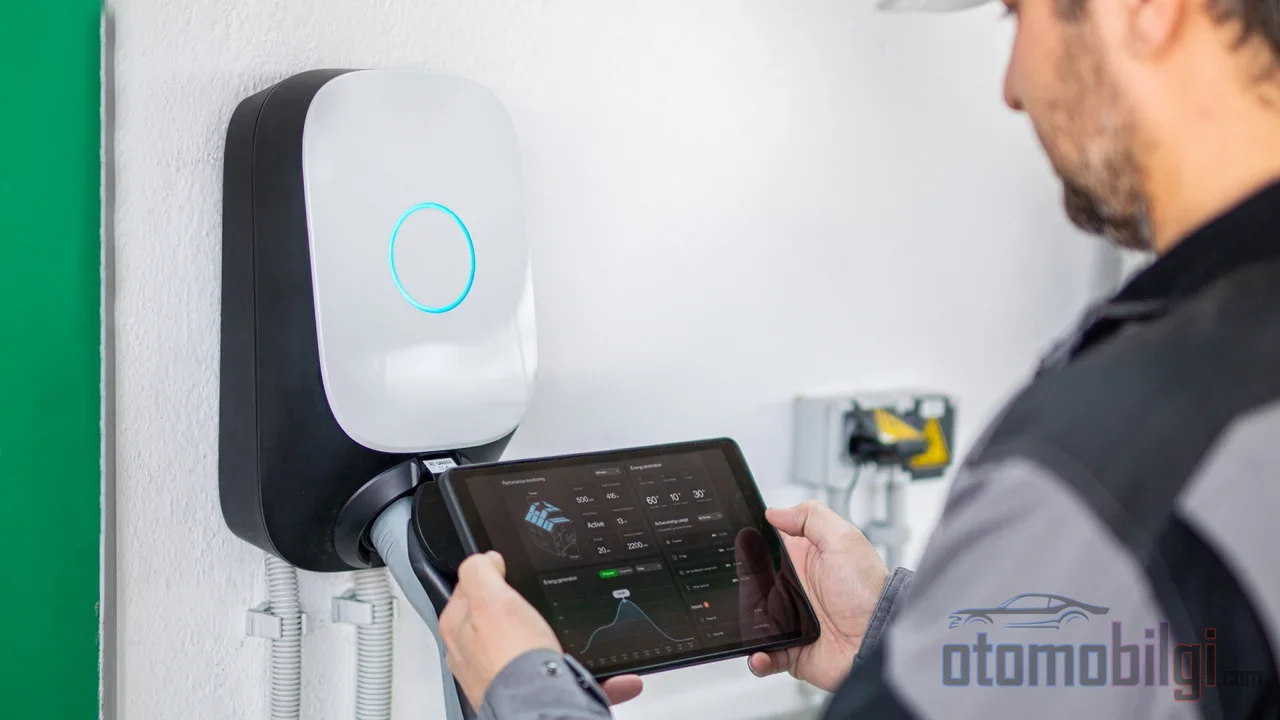
A wall-mounted wallbox, on the surface, is ordinary electrical installation equipment; it draws power from the outlet, charges the car overnight, and the job is done by morning. But on the insurance side, things are not that calm. In August 2026, in the Cheras district of Kuala Lumpur, Malaysia, a fire allegedly triggered by an electric vehicle charging in the vestibule reduced a two-story detached house to ashes; the report came in at 05:03 in the morning. Following this incident, the General Insurance Association of Malaysia officially announced that homeowners who have a permanent charging device installed must notify their insurers. So, should wallbox installation be reported to home insurance, and what happens if it is not? This page addresses, one by one, the insurance questions encountered after installation.
How a Wallbox Is Classified in Insurance: Building or Vehicle Part?
The technical core of the question lies here: fixed, wall-mounted charging devices that are hard-wired directly into the electrical installation are generally classified as installation components in insurance policies and are evaluated under the building section of a residential policy. This means that if the device is damaged by covered risks such as fire, storm, water leak, malicious damage, or theft, compensation can be provided up to the building coverage amount.
In contrast, plug-in portable charging cables, commonly known as granny cables, count as vehicle accessories and are not covered by a residential policy. In cases such as theft of the portable device, comprehensive vehicle insurance, if present, may come into play. In other words, the answer to the question depends on whether the device went onto the wall with screws or into the trunk in a bag.
The classification is not equally clear in every country. In the United States, some insurers note that they may view a wall-mounted unit as part of the building or count it as a motor vehicle part; another insurer notes that the device may be considered permanent installation and may affect building coverage limits. A similar debate exists in Türkiye as well: because the wallbox is fixed to the building, some insurance companies see it as a subject of the residential or workplace policy rather than the vehicle policy.
Highlights
- A fixed, hard-wired wallbox is generally covered under the building section of a residential policy; a portable cable, however, is a vehicle accessory.
- In France, reporting the installation is a legal obligation; in Malaysia, the insurance association officially recommends it.
- Unauthorized electrical work can be a reason for claim denial in a damage file.
- With certified and professional installation, no premium increase is expected.
- In the US, about 20% of homes need additional electrical infrastructure for EV charging.
Should Wallbox Installation Be Reported to Home Insurance?

The answer varies by country, but the direction is the same. In France, reporting the installation of a charging unit to your home insurer is a legal obligation. In Malaysia, the General Insurance Association, in its statement of August 20, 2026, asked homeowners to notify their insurers when they have a permanent charging device installed; the rationale is that declaring electrical upgrades both ensures that the home's insured amount reflects current rebuilding costs and provides coverage clarity during the claims process. In Australia, the Insurance Council is calling for notification in the same direction; in Belgium and the Benelux region, notification is strongly recommended. In the UK, notification is not a legal requirement but is recommended.
The technical framework conveyed by the Malaysian association is reassuring: standard home and fire policies cover fire damage regardless of the ignition source, subject to policy terms; coverage is valid unless there is fraud, intentional act, or policy violation. In return, two things are expected from the homeowner: using a certified installer and taking reasonable precautions.
There is also the distribution grid side of things. In the UK, according to one regional network operator's rule, if the installer can connect the device, it is sufficient to notify via the relevant portal within 28 days after installation; this notification can only be made by the installer, not the customer. If the electricity supply is insufficient, a supply upgrade may be needed first. In multi-story buildings, the building owner's permission is also required.
What Happens If You Don't Notify?
The risk that arises when notification is not made is not so much policy cancellation as a coverage gap. In an event such as a storm, fire, or vandalism, a claim can become problematic when an installation change the insurer did not previously know about comes to light in the file; it may be claimed that the policy could be invalidated. Insurers may sometimes want jobs such as panel and wiring changes to be reported before work begins. In practice, the cleanest approach is to explain the situation to the insurer before installation and to obtain written confirmation after the installation.
What Does the Policy Cover, and What Doesn't It?
A home policy can provide two-way protection around a fixed charger. First, damage on one's own property caused by the device itself or its cable, except for excluded perils; second, damage to third-party property, such as a neighbor's vehicle being damaged or a shared fence burning. If the fixed charger itself is damaged, its repair or replacement can also be covered under home insurance.
The boundary line starts here: damages resulting from poor installation, wear, and faulty workmanship are excluded from coverage. Also, since wallbox installation is an optional project, home insurance usually does not cover the installation cost itself. In other words, a fire damage that occurs while the device is on the wall and the mounting fee paid while installing the device on the wall are two different and separate worlds of the policy.
Electrical Installation Coverage
In home package policies, electrical installation repair coverage covers the part of the home from the electricity meter to the switch. Since the wallbox is a new circuit and protective element added to this installation, reviewing this section of your existing home policy clarifies up to which point you are protected. In Türkiye, special insurance products are also available for EV charging stations and wallboxes; these policies offer coverage for device damage, fire, third-party liability and business interruption, and risks such as voltage fluctuations, short-circuit-related smokeless fire, indirect effects of lightning, storms and floods can also be covered.
Unauthorized Installation and Damage Disputes
This is where the main area of dispute opens up. Insurers require installation by licensed professionals and in compliance with regulations; unauthorized electrical work can be a reason for rejection in damage claims. In one case in the US, an investigator found an unauthorized circuit, rejected the claim, and the repair cost, typically ranging between 50,000 and 200,000 dollars, was left with the homeowner. In communities with homeowners' associations (HOAs), if a fire breaks out after a faulty charging installation, the community insurance claim may be rejected due to the unauthorized work.
Technical prerequisites should also not be neglected. In wallbox installation, a dedicated electrical line and fuse system for the charging unit must be created, the correct cable cross-section and fuse must be selected, and an installation certificate or test report must be obtained; installations without panel calculations lead to frequent interruptions and overheating. In the US, about 20% of homes need additional electrical infrastructure for EV charging; most modern 200-amp panels can handle the charging load without requiring an upgrade. In apartment buildings and residential complexes, attention must be paid to the decision quorum requirements in the Condominium Law and the conditions for allocated parking spaces.
Who Pays If Damage Occurs?
When the fire originates from the charging unit or the building's wiring, the liability of the manufacturer, the installation company and those performing maintenance comes into question. Damage to the vehicle itself is assessed under comprehensive insurance; if the vehicle is damaged in a fire covered by the policy during charging, comprehensive insurance also comes into play. Electric vehicle comprehensive policies include additional coverage for the battery, electric motor, high-voltage components, charging cable and charging unit. In practice, insurance companies are sometimes seen to reject claims with justifications such as the vehicle having been moved while charging; in such disputes, documenting how the damage occurred becomes decisive.
To Strengthen Your Claim File
- Keep the charging unit invoices, installation photos and permit documents.
- If a panel upgrade was performed, document it.
- Use surge protection.
- Do not neglect regular vehicle maintenance; unauthorized vehicle modifications complicate EV fire compensation claims.
Does the Premium Increase? The Effect of Installation on the Policy
This is usually the feared question, but the picture is considered benign: in most cases, the effect of having a wallbox installed with a certified, professional installation on home insurance is neutral or even positive, and no premium increase is expected. The chain of logic here is simple: what the insurer is looking for is that the risk is under control; a certified installer, a code-compliant circuit and the correct protective elements give this signal. Insurance buys you clarity of coverage, not a premium increase.
Clear Answer: Report Your Wallbox Installation to Your Insurer
The short, quotable answer is this: Reporting a wallbox installation to your home insurance is a legal requirement in France and an officially recommended step in many other countries; when the notification is made together with a certified installation, the premium generally does not increase, but an unauthorized installation and failure to notify can lead to claim rejection and the repair cost remaining with the homeowner.
Summary from an engineer's perspective: the wallbox is not part of your car, it is part of your home's electrical installation, and in the insurance world this distinction determines everything. Call your insurer before installation, work with a certified installer, keep the documentation. These three steps rule out the most expensive scenario a night-long charge could bring.
Sources
- Notify insurers when installing home EV chargers
- What to know about EV home charging and homeowners insurance
- Does Home Insurance Cover an EV Charger?
- Are EV chargers covered by my insurance policy?
- Electric Vehicle (EV) chargers
- Insurance and shared EV chargers
- Specific insurance needed if I have a charging station at home
- Charging Cable Coverage
- Electric Vehicle Charging Station Insurance 2026
- Do You Need an Electrical Panel Upgrade for Your EV?